
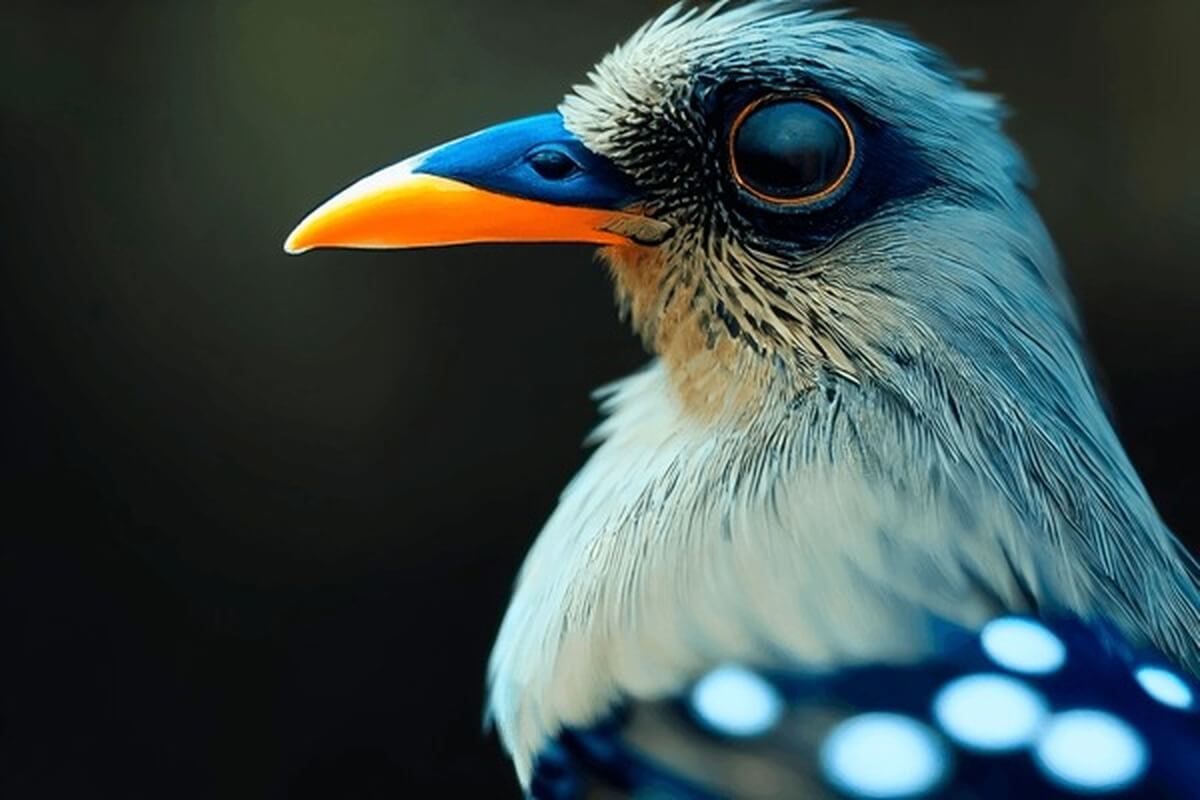
A lot of the questions people ask about birds aren’t about which species is which — they’re more basic than that. Do they even have ears? Are those legs covered in scales because they’re secretly reptiles? Here are straight answers to the anatomy questions that come up again and again.
Do Birds Have Ears?
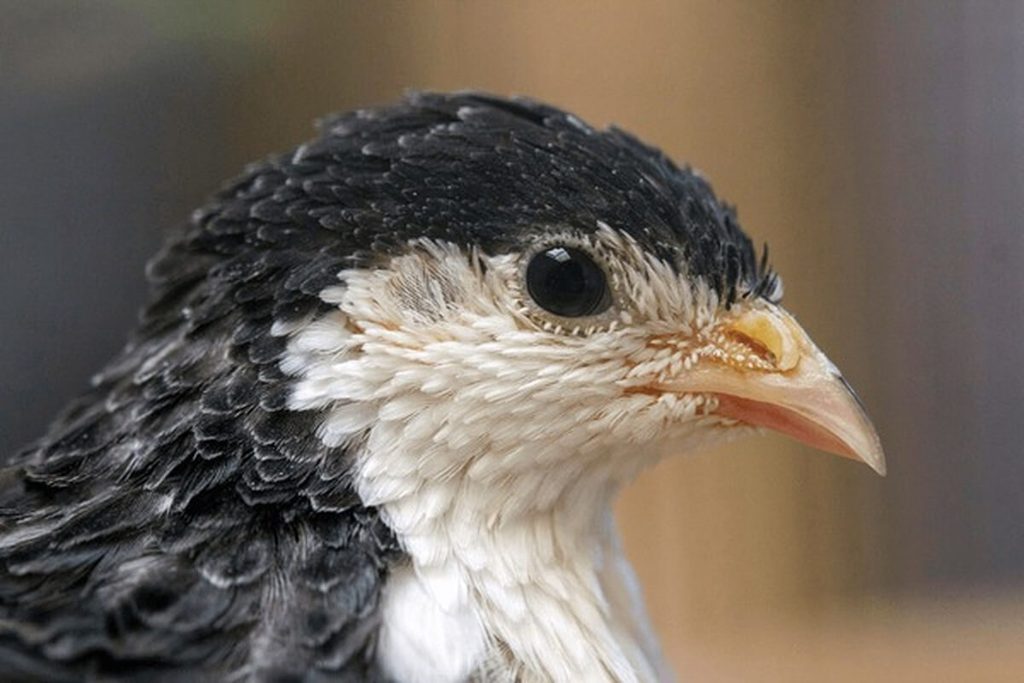
Yes — they just don’t look like ours. Birds don’t have the visible, fleshy outer ear (the pinna) that mammals have. Instead, each ear is a simple opening on the side of the head, usually hidden under a patch of specialized feathers called auriculars. Sound travels through that opening to the middle and inner ear, which work in much the same way ours do.
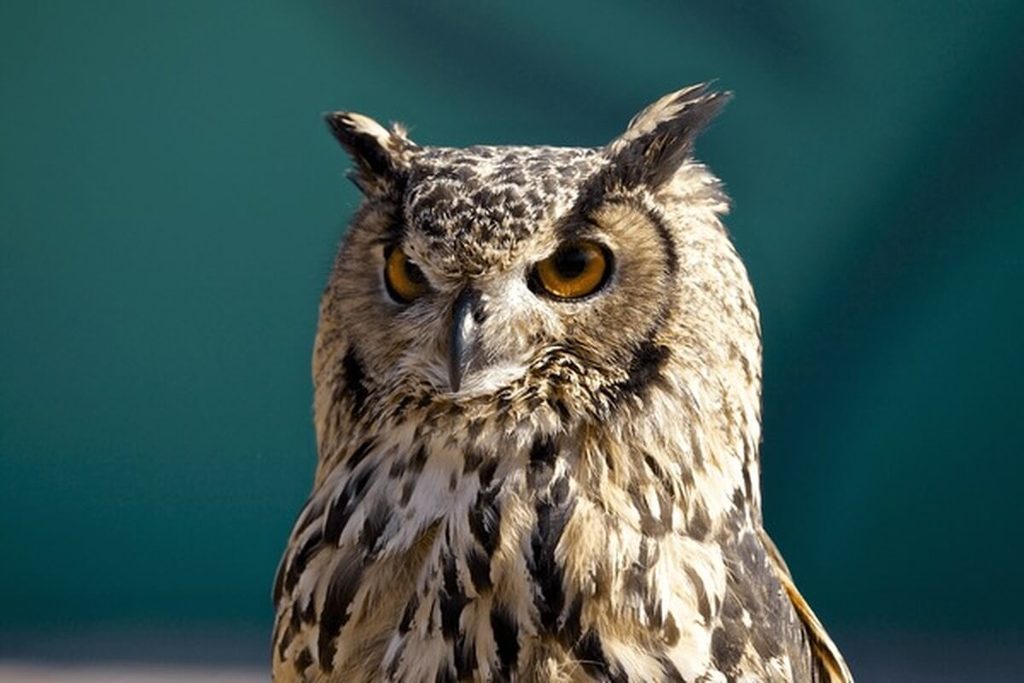
Owls are the exception worth knowing about. Many owl species have ear openings set at slightly different heights on each side of the head. That small asymmetry lets them triangulate a sound’s location almost the way we use two eyes to judge distance — which is part of how they can hunt in near-total darkness by hearing alone.
Do Birds Have Claws?
Most of them, yes. The claws on a bird’s feet — often called talons on birds of prey — are keratin structures, the same material as human fingernails, and they’re built for whatever the bird’s lifestyle demands. A songbird’s claws are curved just enough to grip a branch securely. A hawk’s or eagle’s are thick, curved, and needle-sharp, built to pin down and kill prey rather than just perch.
A few birds use their claws for more unusual jobs. The hoatzin, a South American species, actually has chicks born with claws on their wings that they use to climb back into trees if they fall. It’s a strange holdover that looks almost prehistoric — because in a sense, it is.
Are Birds Reptiles?
This one depends on which definition of “reptile” you’re using, and both answers are technically correct.
In the everyday sense — no. Schools and field guides still put birds in their own group, Aves, separate from reptiles, and that’s a useful practical distinction: birds have feathers, are warm-blooded, and lay hard-shelled eggs in ways that set them apart from lizards or turtles.
But in modern evolutionary biology, the answer flips. Birds descended directly from a group of theropod dinosaurs, and dinosaurs themselves are classified within the reptile lineage (Sauropsida). Using strict cladistics — grouping animals by shared ancestry rather than appearance — birds are technically nested inside the reptile family tree. So a scientist doing genetic classification might call a sparrow a reptile in the same breath as a crocodile, while a birdwatcher never would. Both are using “reptile” correctly — just differently.
Are Birds Cold-Blooded?
No — birds are warm-blooded, or endothermic, meaning they generate their own body heat rather than relying on the environment the way reptiles do. In fact, a bird’s normal body temperature runs higher than ours: typically somewhere around 105–109°F (40–42°C), compared to about 98.6°F (37°C) for humans.
That higher internal temperature is part of what makes sustained flight possible. Flying burns an enormous amount of energy, and a hotter, faster metabolism is what supplies it. It’s also why small birds need to eat so often relative to their size — a chickadee in winter may need to consume roughly a third of its body weight in food each day just to keep its internal furnace running overnight.
Do Birds Have Testicles?
Yes, male birds have testes, but they work differently from a mammal’s. Rather than sitting outside the body in a scrotum, a bird’s testes are internal, tucked up near the kidneys inside the body cavity. Keeping them inside the body actually works better for birds than it would for mammals, since flight already demands a compact, aerodynamic body shape.
The size of a bird’s testes isn’t fixed year-round, either. Outside the breeding season, they shrink down to a fraction of their peak size to save energy. Once breeding season approaches, hormonal changes trigger rapid growth — in some species, the testes can swell to many times their off-season size within weeks.
Why Do Birds Have Different Types of Beaks?
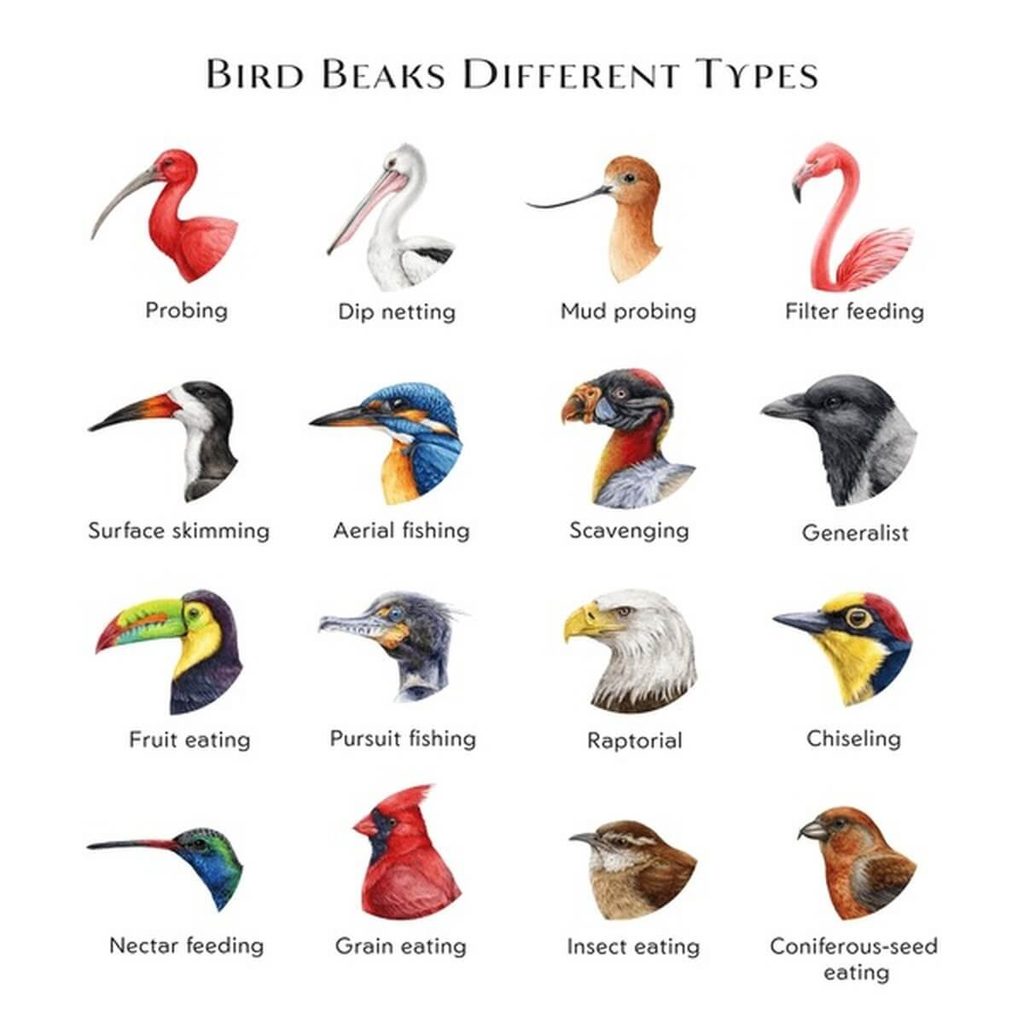
Because the beak is basically a tool, and different food sources call for different tools. This is one of the clearest examples of evolution shaping anatomy around diet, and it’s the same principle behind Darwin’s famous observations of finches in the Galápagos.
- Short, thick, conical beaks (like a cardinal’s or sparrow’s) are built for cracking open seeds.
- Long, thin, curved beaks (like a hummingbird’s) are made for reaching deep into flowers for nectar.
- Hooked, sharp beaks (like a hawk’s or eagle’s) are for tearing flesh.
- Flat, broad beaks (like a duck’s) work like a sieve for filter-feeding in water and mud.
- Chisel-like beaks (like a woodpecker’s) are reinforced to handle the repeated impact of drilling into wood.
Even within the same general body plan, beak shape is often the fastest way to guess what a bird eats before you ever see it feed.
Do Pelicans Have Teeth?
No — like every modern bird, pelicans have no teeth at all. What looks like a formidable weapon is actually just a long, toothless bill with a large stretchy pouch (called a gular pouch) hanging from the lower half. Pelicans use that pouch like a net, scooping up water and fish together, then draining the water out before swallowing the catch whole.
Some pelican species do have a faintly serrated or hooked tip on the upper bill, which can look tooth-like from a distance — but structurally, it’s just keratin, the same material as the rest of the beak, not anything resembling actual teeth.