
Bird reproduction gets summed up online in one slightly awkward phrase — the “cloacal kiss” — and then people are usually left with more questions than they started with. Here’s the fuller picture, from courtship through to the eggs actually hatching.
It Starts With Courtship, Not Mating
Before anything else happens, most birds go through some form of courtship — and it’s often more elaborate than people expect. This can include song (a male establishing territory and appealing to females at the same time), physical displays (a peacock’s tail, a bird of paradise’s dance), gift-giving (some birds present food or nesting material to a potential mate), or shared activities like mutual preening. The point of all this is mate selection: females are frequently choosing based on the quality of the display, since it can signal a healthy, capable partner.
Do Male Birds Have a Penis?
Mostly, no. Around 97% of bird species — including most songbirds — have no external reproductive organ at all. Instead, both males and females have a single all-purpose opening called the cloaca, used for reproduction, urination, and egg-laying alike. Mating happens through what’s informally called a “cloacal kiss”: the male briefly presses his cloaca against the female’s, transferring sperm in a matter of seconds.
The main exceptions are waterfowl — ducks, geese, and swans — along with a handful of other groups like ostriches, which do have a phallus-like organ. It’s thought this evolved separately in those lineages, possibly related to mating that often happens on water, where a quick cloacal touch would be less reliable.
How Long Does Mating Actually Take?
Briefly — often just a second or two of actual contact. What takes real time is everything around it: the courtship that precedes it, and for many species, mating happens repeatedly over the days leading up to egg-laying rather than as a single event, which helps ensure fertilization succeeds.
From Fertilization to Egg-Laying
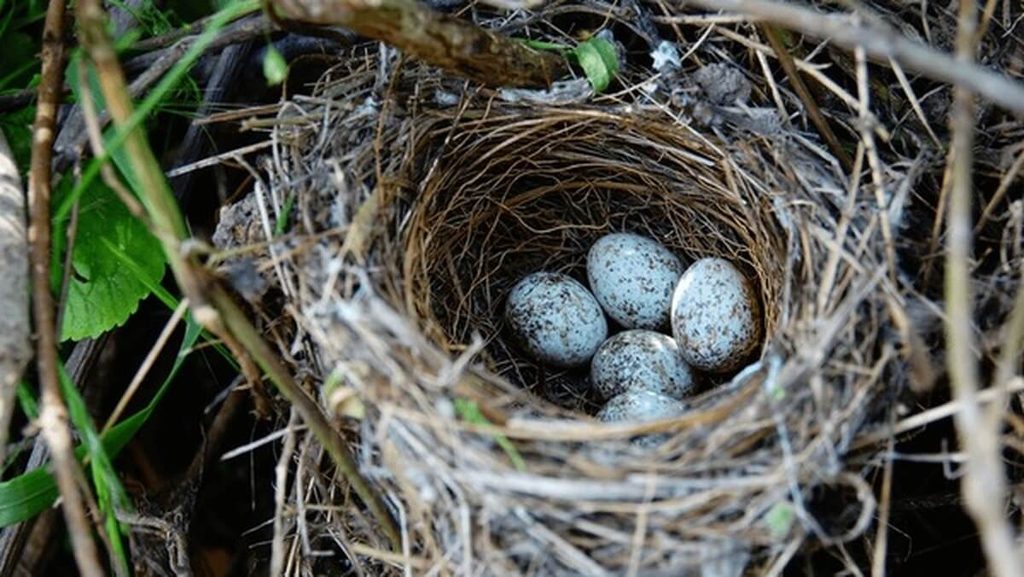
Once fertilized, an egg develops inside the female for a period that varies by species — typically around 24 hours for many songbirds — before being laid. Females don’t usually lay all their eggs at once; most species lay one egg per day until the full clutch is complete, which is why a nest often has eggs at slightly different stages of development if incubation starts before laying finishes.
Building the Nest
Nest-building can happen before, during, or after mating depending on the species, and it’s not always the female doing the work — in some species males build the nest largely alone as part of courtship, hoping to attract a mate with the finished structure. Materials range from twigs and mud to spider silk and shed snake skin, chosen for whatever combination of strength, insulation, and camouflage suits that species’ environment.
Incubation and Hatching
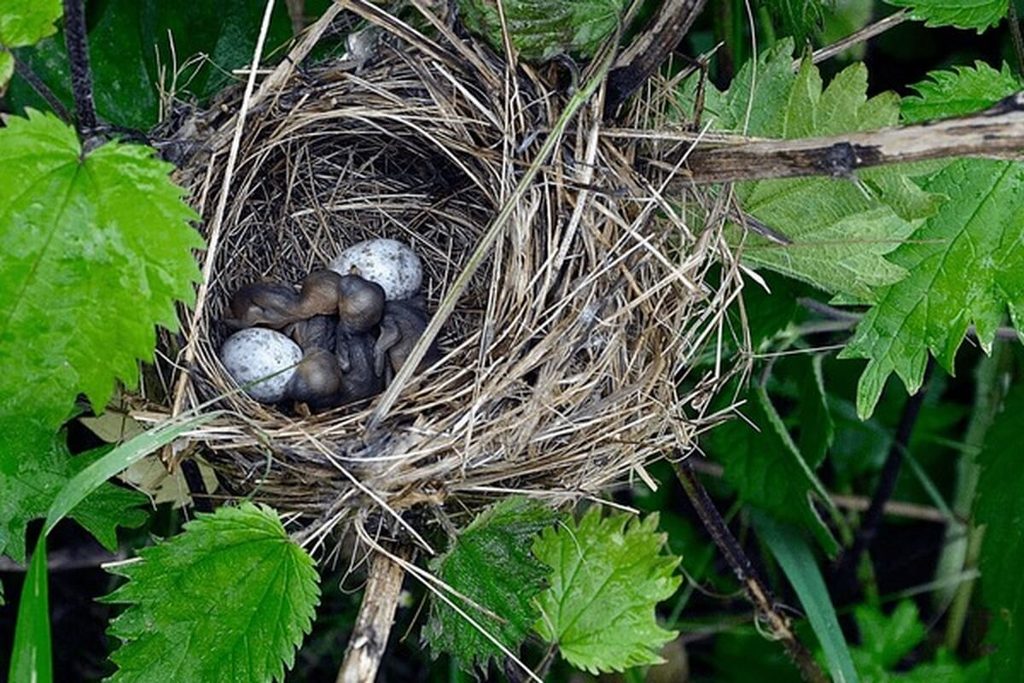
Once the clutch is complete, incubation begins — one or both parents keeping the eggs at a stable, warm temperature, usually by sitting on them directly using a bare “brood patch” of skin that transfers heat more efficiently than feathers would. Incubation periods vary enormously: some small songbirds hatch in under two weeks, while larger birds like eagles can take over a month.
Hatching itself can take the chick a full day or more of work, using a small, temporary “egg tooth” on the tip of the beak to chip through the shell from the inside — a process called pipping.