
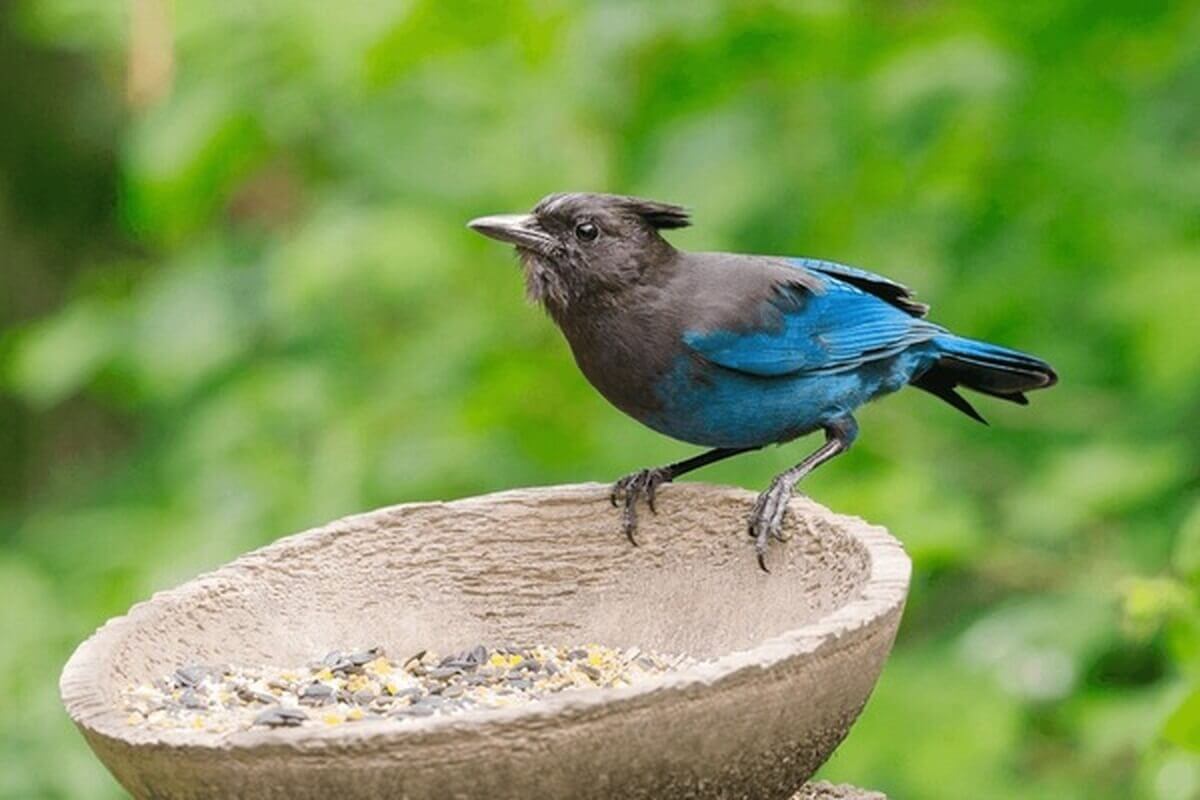
Blue jays have a reputation problem. Ask around and you’ll hear they bully smaller birds off the feeder, steal eggs, and generally act like the neighborhood troublemaker. Some of that is fair. A lot of it is a smart, loud bird getting judged for behavior that’s completely normal in the wild.
Are Blue Jays Actually Mean?
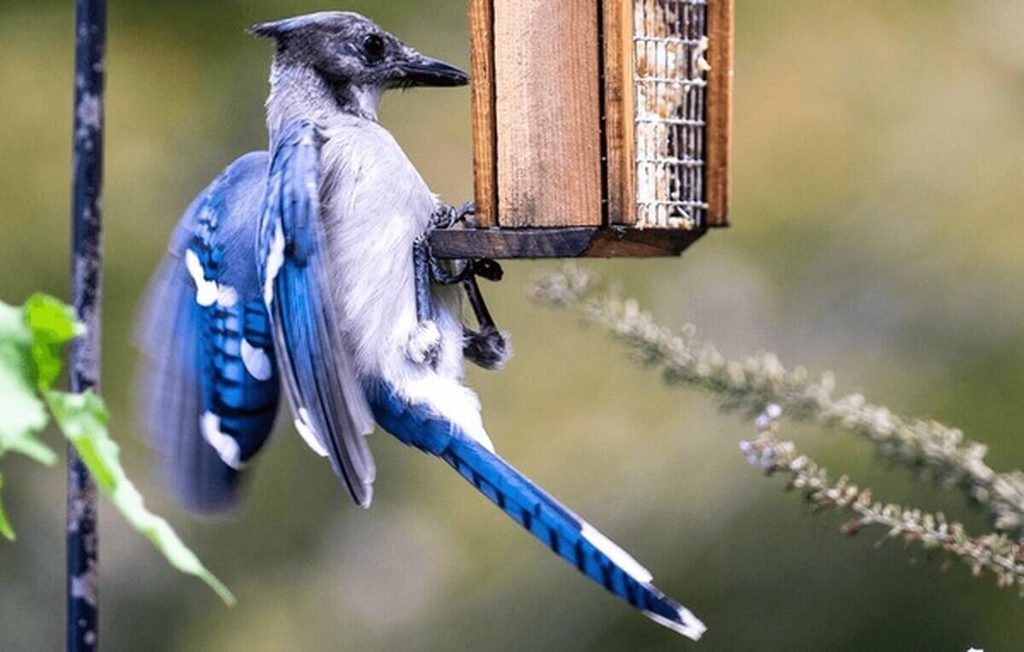
“Mean” is doing a lot of work in that question, so it’s worth separating what’s actually happening from how it looks. Blue jays are bold and territorial — they’ll chase off smaller birds at a feeder, and they’re not shy about taking the best spot for themselves. That reads as bullying to anyone watching, and honestly, it kind of is.
But the same boldness that makes them pushy at a feeder also makes them excellent parents and reliable alarm-callers for the whole neighborhood — blue jays are often the first bird to sound off when a hawk or cat shows up, which benefits every other species nearby, not just their own. They do occasionally raid other birds’ nests for eggs, which is the behavior most responsible for their reputation, but this is far less common than folklore suggests and isn’t a major part of their diet. Overall: territorial and loud, yes. Genuinely cruel, not really — they’re just unapologetically confident in a way that other backyard birds aren’t.
What Do Blue Jays Eat?
Blue jays are opportunistic eaters, which is part of why they do so well around humans. The bulk of their diet is acorns, nuts, and seeds — they’re closely tied to oak trees and are actually one of the reasons oaks spread as far as they do, since jays bury far more acorns than they ever retrieve, effectively planting new trees. Beyond that, they’ll eat insects, berries, and at bird feeders specifically, sunflower seeds and peanuts are usually the biggest draw.
They’re also known to eat eggs and nestlings of other birds occasionally, though study after study has found this makes up a very small fraction of their overall diet — closer to opportunistic than habitual.
What Do Blue Jays Sound Like?
This is where a lot of people get surprised. Blue jays are known for a harsh, screeching “jay-jay-jay” call — the sound most people associate with them — but that’s only part of their vocabulary. They’re accomplished mimics, and one of their favorite tricks is imitating the call of a red-shouldered hawk almost perfectly. It’s thought this either scares off competing birds at a feeder or serves as a false alarm to clear the area for the jay itself — nobody’s entirely sure which, and it may be both depending on the situation.
Beyond the screech and the hawk impression, blue jays also make a range of softer clicks, rattles, and musical notes, especially between mates or family members — quite different from the noise most people know them for.
Do Blue Jays Mate for Life?
Yes, generally — blue jays form long-term pair bonds that typically last for life, which is more committed than a lot of backyard birds people assume are more “loyal.” Pairs stay together year-round rather than just during breeding season, and both parents share nest-building and feeding duties once chicks hatch.
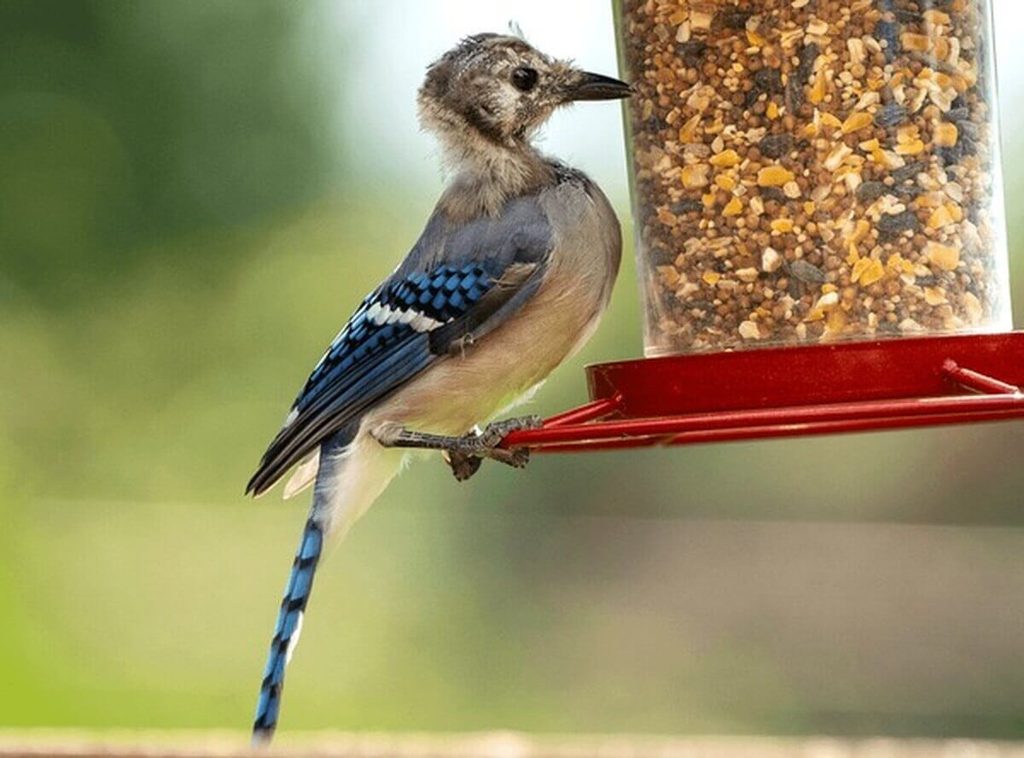
One interesting side note: young blue jays from a previous brood sometimes stick around to help their parents raise the next set of chicks, a behavior seen in a handful of bird species and not fully understood — some researchers think it’s partly practice for eventually raising their own young.