
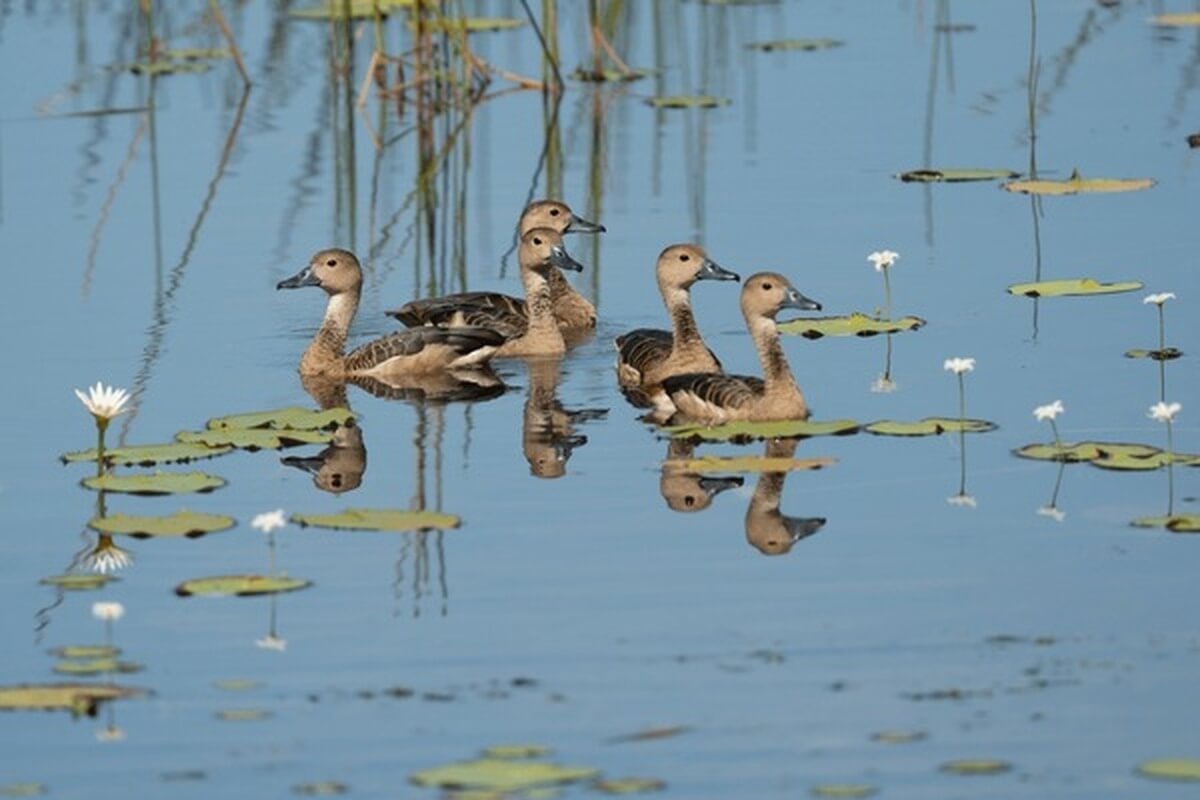
Ducks might be the single most-fed wild bird in the world, purely because of how many people visit a park pond with a bag of bread in hand. Ironically, bread is one of the worst things you can actually give them. Here’s the fuller picture — what ducks eat naturally in the wild, and what’s genuinely safe (and unsafe) to hand-feed them.
What Do Ducks Eat Naturally in the Wild?
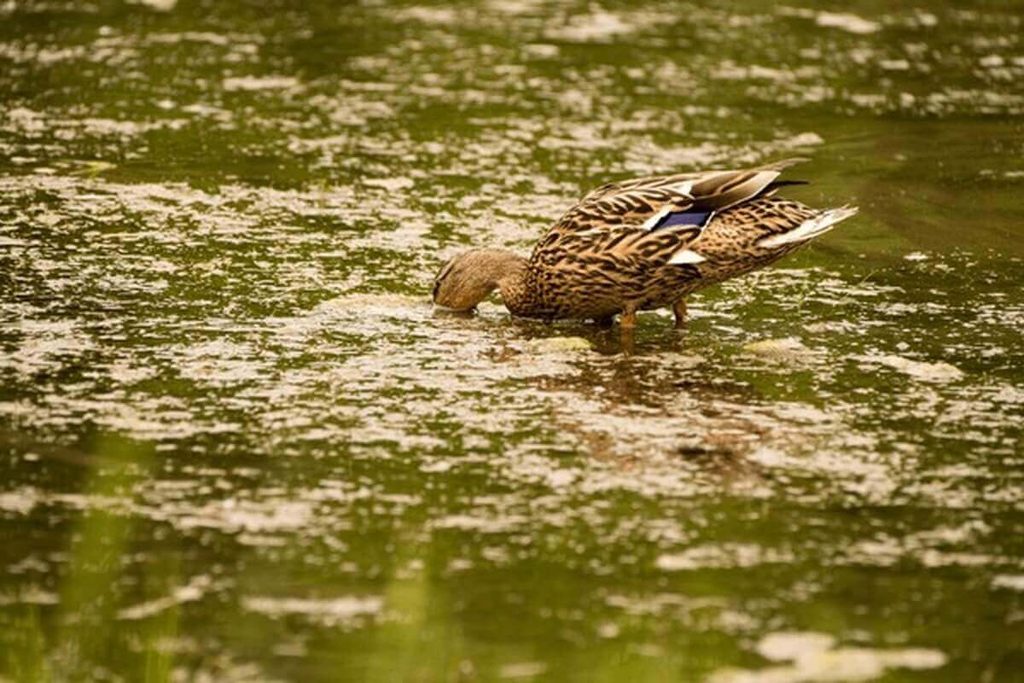
Wild ducks are omnivores with a genuinely broad diet, and what they eat depends heavily on which type of duck you’re looking at. Broadly, ducks fall into two feeding categories: dabbling ducks (like mallards) that feed at or near the water’s surface, tipping tail-up to reach food just below, and diving ducks that go fully underwater to forage on the bottom.
Across both groups, the natural diet includes:
- Aquatic plants and algae — a major part of the diet for most species, providing bulk nutrition
- Seeds and grains, especially from wetland grasses and, seasonally, agricultural fields
- Aquatic invertebrates — insect larvae, snails, and small crustaceans, which are especially important protein sources during breeding season
- Small fish and fish eggs, more so for diving ducks than dabblers
- Amphibian eggs and tadpoles, opportunistically
Diet also shifts by season: in spring and summer, ducks lean more heavily on protein-rich invertebrates to support breeding and rapid duckling growth, while in fall and winter, plant matter, seeds, and grain make up a larger share, since these are more calorie-dense and reliably available as insect populations decline.
Do Ducks Eat Insects?
Yes, and this is a bigger part of the natural diet than most people realize, especially for ducklings. Young ducklings actually need a diet much higher in protein than adults, and insects and aquatic invertebrates supply that — a duckling that doesn’t get enough protein-rich food early on can end up with stunted growth. Adult ducks continue eating insects opportunistically year-round, particularly during warmer months when insect populations are highest.
What’s Safe to Feed Ducks at a Park or Pond?
If you want to feed ducks responsibly rather than just tossing bread, there are genuinely good options:
- Cracked corn — widely considered one of the best options, close to a natural food source and easy for ducks to eat
- Oats (rolled or plain, uncooked) — nutritious and gentle
- Frozen peas (thawed) — a good source of nutrients ducks enjoy
- Chopped lettuce or leafy greens — in moderation
- Rice (cooked or uncooked, plain) — contrary to old myths about rice causing birds to explode, this is a persistent internet legend with no truth to it; rice is fine in moderation
Can Ducks Eat Grapes?
Yes, grapes are safe for ducks in moderation, though whole grapes should ideally be cut in half for smaller or younger ducks, since a whole grape can occasionally pose a choking risk. Grapes offer some nutritional value but shouldn’t make up a large part of a duck’s diet — they’re a treat, not a staple, given their sugar content relative to a duck’s normal food sources.
Can Ducks Eat Cashews?
This one’s more of a gray area than a clear yes or no. Plain, unsalted cashews in very small amounts aren’t toxic to ducks, but nuts in general aren’t a natural or ideal food for them — they’re calorie-dense, can be hard to digest in quantity, and salted or flavored varieties (the kind most people actually have on hand) are a genuine problem due to sodium content. The safest approach is simply not making nuts a regular feeding choice; there are far better options on this list.
Can Ducks Eat Onions?
No — onions (and members of the allium family more broadly, including garlic, leeks, and chives) are toxic to ducks and should never be fed to them intentionally. Onions contain compounds that can damage a duck’s red blood cells, potentially leading to a form of anemia with enough exposure. This applies to raw and cooked onions alike, and it’s a good reminder to check any table scraps or leftovers for hidden onion content before offering them to ducks — a well-meaning handful of fried rice or a sandwich crust can carry more onion than people realize.
Why Bread Is a Bad Choice (Even Though Everyone Does It)
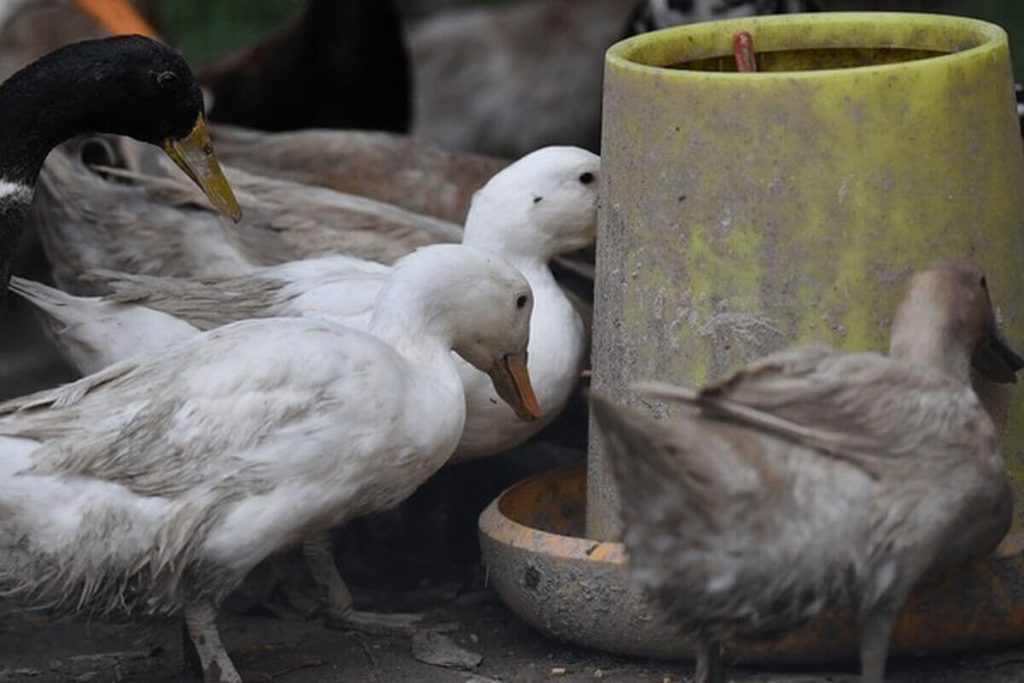
Bread has become the default duck food almost by cultural accident, not because it’s good for them. The core problem: bread is filling but nearly devoid of the nutrition ducks actually need, which means a duck that fills up on bread is eating less of the natural, nutrient-dense food it should be getting — a condition sometimes informally called “angel wing” in severe, chronic cases, where poor nutrition during development leads to malformed wing growth that can leave a duck permanently unable to fly.
There’s also an environmental side effect worth knowing: uneaten bread left in water breaks down and can contribute to algae blooms and poor water quality, which affects the whole pond ecosystem, not just the ducks. None of this means feeding ducks is inherently bad — it just means bread specifically is worth swapping for something better.
Do Ducks Eat Fish?
Some do, particularly diving duck species like mergansers, which are specifically adapted for it — narrow, serrated bills built for gripping slippery fish, unlike the flatter, spatula-like bills of dabbling ducks like mallards, which are built more for filtering plant matter and small invertebrates from water and mud than for catching fish. So the honest answer depends heavily on species: a merganser is essentially a fish specialist, while a mallard eating fish would be a rare, opportunistic event rather than a normal part of its diet.
How Ducklings’ Diet Differs From Adults
Ducklings need a substantially higher-protein diet than adult ducks to fuel rapid early growth — commercial duckling feed, when raised in captivity, typically runs 18-20% protein compared to a lower percentage in adult maintenance feed. In the wild, this translates to ducklings foraging heavily on insects, small invertebrates, and aquatic larvae in their first several weeks, gradually shifting toward a more plant-heavy adult diet as they mature and their nutritional needs change.
Seasonal and Regional Variation
Diet isn’t uniform across all ducks everywhere — a mallard in an urban park with regular human feeding will eat very differently than a wild mallard on an undisturbed wetland relying entirely on natural forage. Migratory ducks also shift diet along their route, often relying more heavily on agricultural grain (leftover corn or grain in harvested fields) during migration stopovers, since it provides a dense, efficient calorie source to fuel long flights, compared to their more varied warm-season diet on breeding grounds.
A Few Myths Worth Clearing Up
Myth: Rice makes ducks explode. False — this widely circulated claim has no scientific basis and has been debunked repeatedly; rice, cooked or uncooked, is safe for ducks in moderation.
Myth: All duck species eat the same things. Not true — dabbling ducks and diving ducks have meaningfully different diets shaped by different feeding adaptations, and even within those groups, individual species specialize further (mergansers on fish, for instance).
Myth: Feeding ducks bread is harmless as long as it’s in small amounts. Occasional small amounts are unlikely to cause serious harm, but it’s still nutritionally empty compared to better options, and the habit of routine bread-feeding at popular duck ponds is what leads to the nutritional and water-quality problems described above — moderation doesn’t fully solve the underlying issue the way switching food does.
The Bottom Line
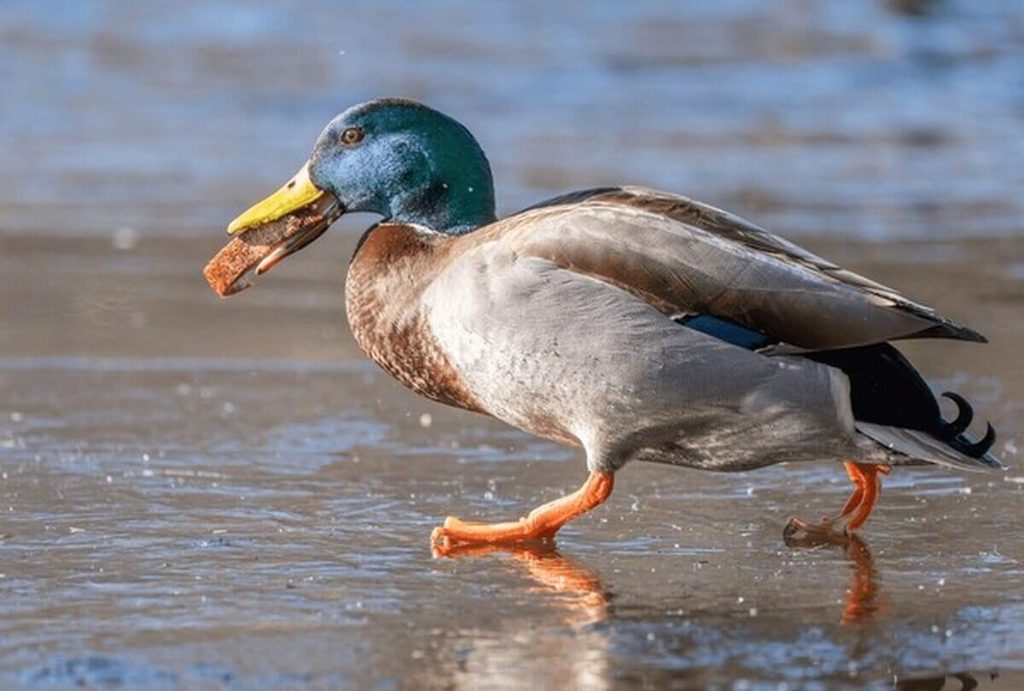
Ducks are flexible, opportunistic omnivores whose natural diet leans on aquatic plants, seeds, grain, and invertebrates in proportions that shift with season and species. If you’re feeding ducks yourself, cracked corn, oats, peas, and greens are all solid choices — grapes are fine in moderation, onions should be avoided entirely, and bread is worth skipping in favor of literally any of the alternatives above.