

Yes, hummingbird nectar can go bad. It ferments and grows mold, which can harm the birds.
Hummingbird nectar is a simple mixture of water and sugar, but it needs proper care. Left unchecked, it can spoil quickly, especially in warm weather. Spoiled nectar can be harmful to hummingbirds, causing illness or even death. Regular cleaning of feeders and timely replacement of nectar is crucial.
Fresh nectar provides essential energy for these tiny birds. For optimal health, change the nectar every two to three days in hot weather and weekly during cooler periods. Proper maintenance ensures a safe feeding environment, attracting more hummingbirds to your garden.
Hummingbird Nectar Basics
Hummingbird nectar is a simple solution that attracts these tiny birds. It mimics the natural nectar found in flowers. This nectar is vital for their energy and survival.
Ingredients
The main ingredients for hummingbird nectar are sugar and water. Use white granulated sugar, which is safe for hummingbirds. Avoid honey, artificial sweeteners, and red dye, as these can harm the birds.
| Ingredient | Purpose |
|---|---|
| White Granulated Sugar | Provides energy |
| Water | Dissolves the sugar |
Homemade Vs Store-bought
Decide between homemade and store-bought nectar. Both options have their pros and cons.
- Homemade Nectar
- Cost-effective
- Easy to make
- Control over ingredients
- Store-Bought Nectar
- Convenient
- Available in various formulas
- May contain preservatives
To make homemade nectar, mix one part sugar with four parts water. Boil the mixture to dissolve the sugar. Let it cool before filling the feeder.

Credit: www.pinterest.ca
Signs Of Spoiled Nectar
Hummingbird nectar can spoil quickly, especially in warm weather. Spoiled nectar can harm hummingbirds. Knowing the signs of spoiled nectar helps keep them safe.
Cloudiness
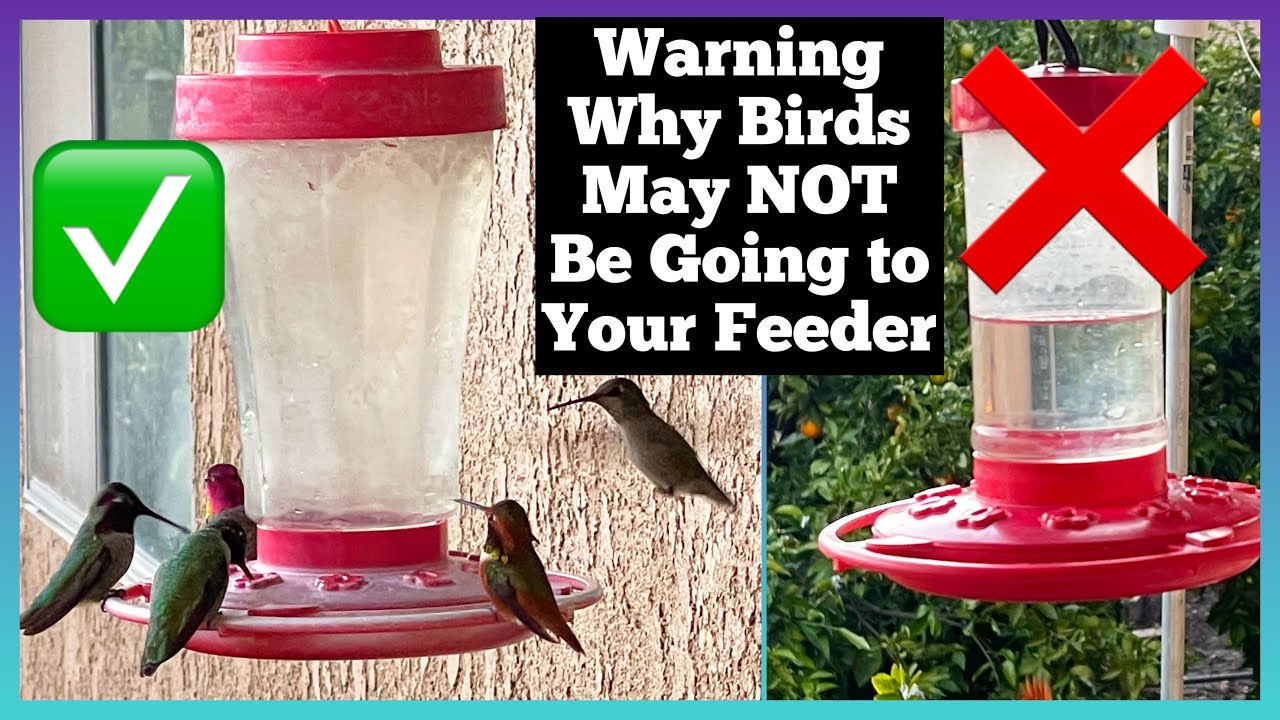
One clear sign of spoiled nectar is cloudiness. Fresh nectar is clear. If the nectar looks cloudy, it has likely gone bad. Cloudiness can signal the growth of bacteria. Always replace cloudy nectar with fresh nectar.
Mold Growth
Another sign of spoiled nectar is mold growth. Look for black spots or fuzzy patches in the feeder. Mold can be dangerous for hummingbirds. Clean the feeder thoroughly if you see mold. Use a mix of hot water and vinegar to clean it well.
| Sign | Description | Action |
|---|---|---|
| Cloudiness | Nectar looks cloudy and unclear. | Replace with fresh nectar. |
| Mold Growth | Black spots or fuzzy patches in nectar. | Clean feeder and replace nectar. |
- Check nectar daily, especially in hot weather.
- Keep feeders clean to prevent mold and bacteria.
- Use a simple nectar recipe: 1 part sugar to 4 parts water.
Always watch for these signs to keep hummingbirds healthy and happy.
Health Risks For Hummingbirds
Feeding hummingbirds can be a delightful experience. Yet, hummingbird nectar can go bad quickly. Spoiled nectar poses several health risks to these tiny birds. It’s crucial to understand these risks to keep hummingbirds safe and healthy.
Infections
Old or spoiled nectar can harbor harmful bacteria and fungi. These pathogens can cause serious infections in hummingbirds. A common infection is caused by mold that grows in old nectar. This mold can infect their delicate tongues.
Bacterial infections can lead to severe health issues. These infections may cause a hummingbird to become lethargic. They may also struggle to fly and feed properly. Keeping nectar fresh prevents these harmful infections.
Digestive Issues
Spoiled nectar can also cause digestive issues. Hummingbirds have very sensitive digestive systems. Old nectar can ferment and produce toxic substances. These toxins can upset their stomachs.
Signs of digestive distress include vomiting and diarrhea. Such issues can lead to dehydration. Dehydrated hummingbirds can struggle to survive. Always ensure the nectar is fresh to prevent digestive problems.
To help you keep track of nectar freshness, here is a simple table:
| Temperature | Change Nectar |
|---|---|
| Below 70°F (21°C) | Every 5-7 days |
| 70-85°F (21-29°C) | Every 3-5 days |
| Above 85°F (29°C) | Every 2 days |
By following these guidelines, you can keep your nectar fresh. This practice helps ensure the health and safety of your visiting hummingbirds.
Proper Storage Techniques
Proper storage techniques are essential for ensuring the longevity and quality of hummingbird nectar. Incorrect storage can cause the nectar to spoil quickly, putting the birds at risk. Here are some effective methods to keep your nectar fresh.
Refrigeration
Refrigeration is one of the best ways to store hummingbird nectar. Keeping the nectar cool slows down bacterial growth. This helps maintain its quality for a longer period. Always store unused nectar in the refrigerator.
- Store nectar in a clean, sealed container.
- Label the container with the date it was made.
- Use the nectar within one week for best results.
Airtight Containers
Using airtight containers can significantly extend the life of your hummingbird nectar. These containers prevent air from entering, reducing the risk of bacterial contamination. This keeps the nectar fresh.
- Choose containers with tight-fitting lids.
- Ensure the containers are clean before use.
- Store the containers in a cool, dark place.
Here is a quick comparison of different storage methods:
| Storage Method | Duration | Effectiveness |
|---|---|---|
| Room Temperature | 1-2 Days | Low |
| Refrigeration | Up to 1 Week | High |
| Airtight Containers | Up to 2 Weeks | Very High |
Ideal Nectar Replacement Schedule
Maintaining fresh nectar is crucial for hummingbirds’ health. This guide will help you know the ideal nectar replacement schedule during different weather conditions.
Warm Weather
In warm weather, hummingbird nectar can spoil quickly. Hot temperatures cause fermentation, making the nectar harmful for birds.
| Temperature (°F) | Replacement Frequency |
|---|---|
| 90+ | Every Day |
| 80-89 | Every 2 Days |
| 70-79 | Every 3 Days |
Check the feeders daily. Clean them regularly to prevent mold.
Cool Weather
Cooler temperatures slow down the spoilage process. But you still need to replace the nectar regularly.
| Temperature (°F) | Replacement Frequency |
|---|---|
| 60-69 | Every 4 Days |
| 50-59 | Every 5 Days |
| Below 50 | Every Week |
Always check for signs of mold and cloudiness. Clean feeders before refilling.
Credit: www.youtube.com
Cleaning Feeders
Keeping your hummingbird feeders clean is essential. Dirty feeders can harm hummingbirds. They can also spoil the nectar. This section covers how often to clean feeders and the best cleaning solutions.
Frequency
Feeders should be cleaned often. Ideally, clean them every 3 to 5 days. In hot weather, clean them every 2 days. Regular cleaning prevents mold and bacteria.
Effective Cleaning Solutions
Use a mixture of one part white vinegar to four parts water. This solution cleans feeders well. You can also use a mild dish soap. Be sure to rinse thoroughly.
Here is a simple cleaning guide:
- Empty the feeder.
- Rinse with warm water.
- Scrub with the cleaning solution.
- Rinse again until all soap is gone.
- Air dry completely.
For stubborn mold, use a bleach solution. Mix one part bleach to nine parts water. Soak the feeder for one hour. Rinse thoroughly to remove all bleach.
| Cleaning Frequency | Cleaning Solution |
|---|---|
| Every 2 days (hot weather) | Vinegar and water |
| Every 3 to 5 days | Mild dish soap |
| For stubborn mold | Bleach solution |
Remember, clean feeders keep hummingbirds healthy and happy.
Preventing Nectar Spoilage
Hummingbird nectar can spoil quickly if not properly cared for. Preventing nectar spoilage ensures our tiny friends get the best nutrition. Follow these simple steps to keep the nectar fresh and safe for hummingbirds.
Shady Locations
Place the feeder in a shady spot. Direct sunlight speeds up spoilage. Shade keeps the nectar cooler, preventing bacteria growth. Cooler nectar stays fresh longer, attracting more hummingbirds.
Avoiding Direct Sunlight
Direct sunlight causes the nectar to ferment. Fermented nectar can harm hummingbirds. Choose a location that avoids the sun’s rays. A porch or under a tree works well.
| Location Type | Benefits |
|---|---|
| Shady Spot | Slows down spoilage, keeps nectar cool. |
| Out of Direct Sunlight | Prevents fermentation, safer for birds. |
- Check nectar daily for signs of spoilage.
- Change nectar every few days, especially in hot weather.
- Clean feeders regularly to prevent mold and bacteria.
By choosing the right location and keeping nectar fresh, you can provide a safe haven for hummingbirds. Happy bird-watching!
Faqs About Hummingbird Nectar
Curious about hummingbird nectar? Learn how to keep it fresh. This guide answers common questions about its shelf life and best practices.
Shelf Life
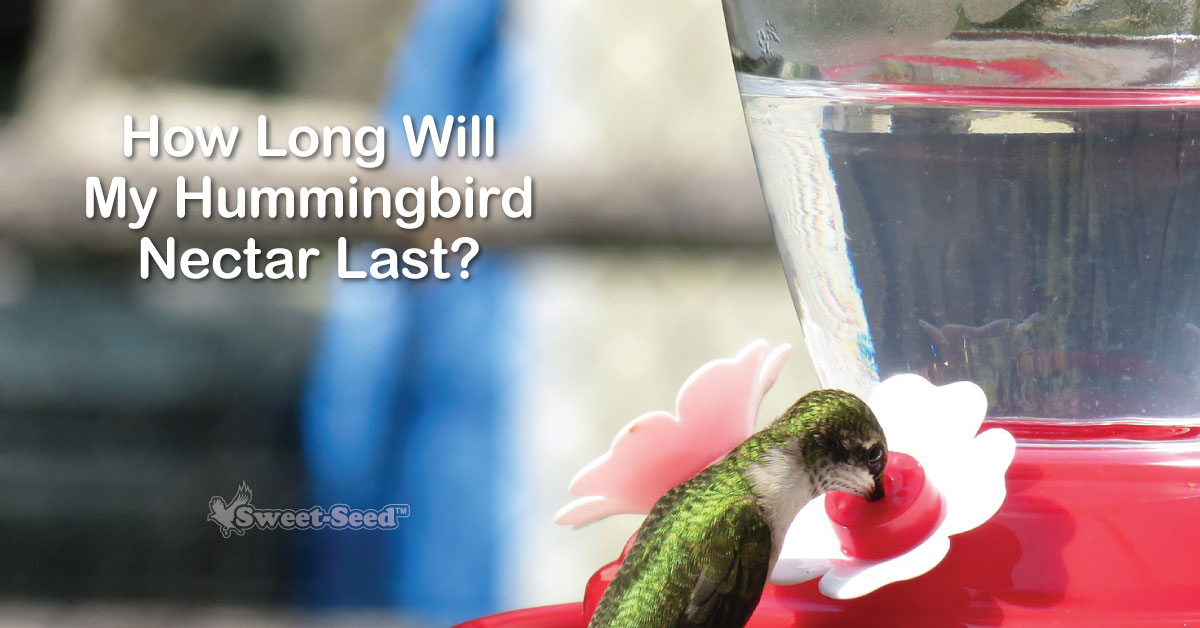
Hummingbird nectar does go bad over time. Its shelf life depends on storage conditions. Properly stored, it lasts around two weeks in the fridge. In hot weather, nectar in feeders spoils quickly. Replace it every two to three days in summer. In cooler weather, change it once a week.
Best Practices
Follow these best practices to keep hummingbird nectar fresh:
- Use clean feeders: Wash feeders with hot water.
- Avoid direct sunlight: Place feeders in shaded areas.
- Use fresh nectar: Make small batches to avoid waste.
- Store properly: Keep unused nectar in the fridge.
| Weather | Nectar Change Frequency |
|---|---|
| Hot | Every 2-3 days |
| Cool | Every 5-7 days |
Credit: sweet-seed.com
Frequently Asked Questions
How Can You Tell If Hummingbird Nectar Is Bad?
Hummingbird nectar turns cloudy or discolored when bad. It may also develop mold or a foul smell. Replace it regularly.
How Long Does Hummingbird Nectar Stay Good?
Hummingbird nectar stays good for 2-3 days in hot weather. In cooler temperatures, it lasts up to a week.
Can Old Sugar Water Hurt Hummingbirds?
Yes, old sugar water can harm hummingbirds. It ferments, grows mold, and promotes bacterial growth, potentially causing illness.
Is Store Bought Hummingbird Nectar Bad?
Store bought hummingbird nectar is generally safe. Choose ones without artificial dyes and preservatives for the best health.
Conclusion
Hummingbird nectar can spoil, impacting the health of these delicate birds. Regularly changing the nectar ensures freshness. Clean feeders frequently to prevent mold and bacteria growth. Fresh nectar attracts more hummingbirds, enhancing your garden’s beauty. Prioritize their well-being with fresh, clean nectar for a thriving hummingbird haven.