
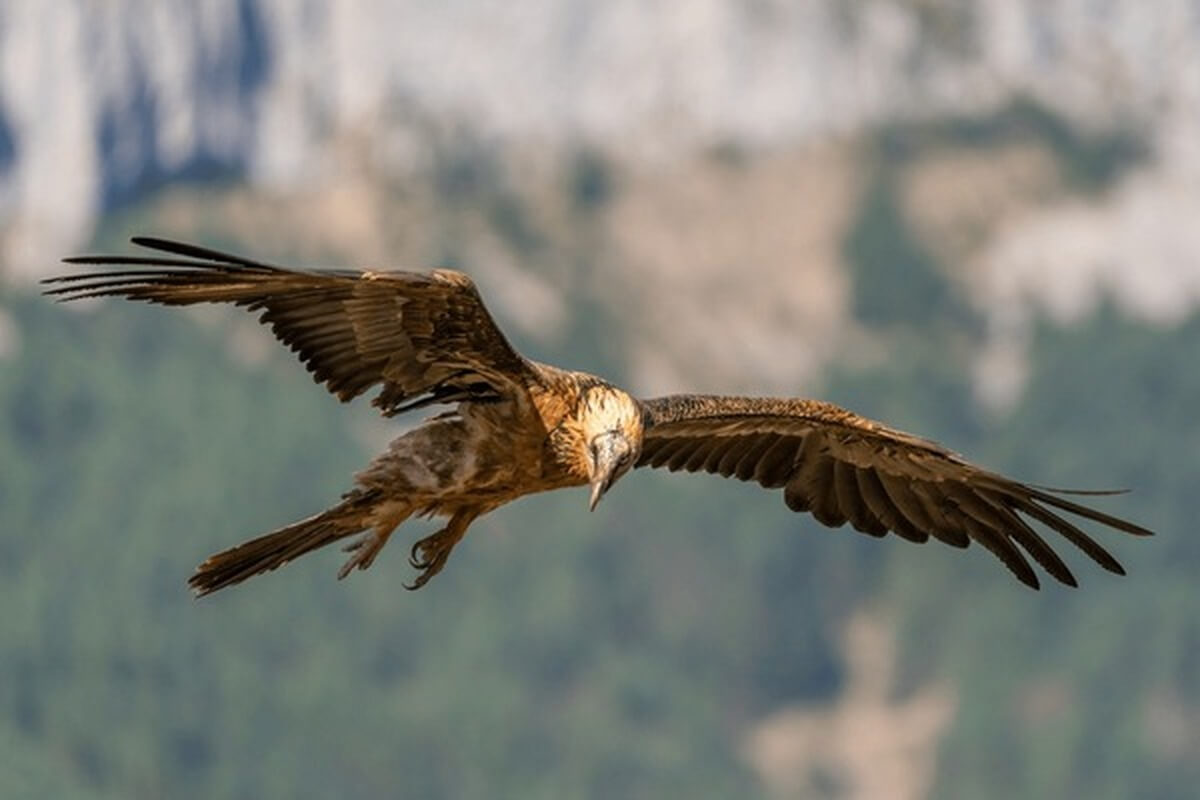
Diet gets covered elsewhere (full guide here) — this is everything else worth knowing about hawks: how well they actually see, what makes them different from a falcon, and a few classification questions that trip people up.
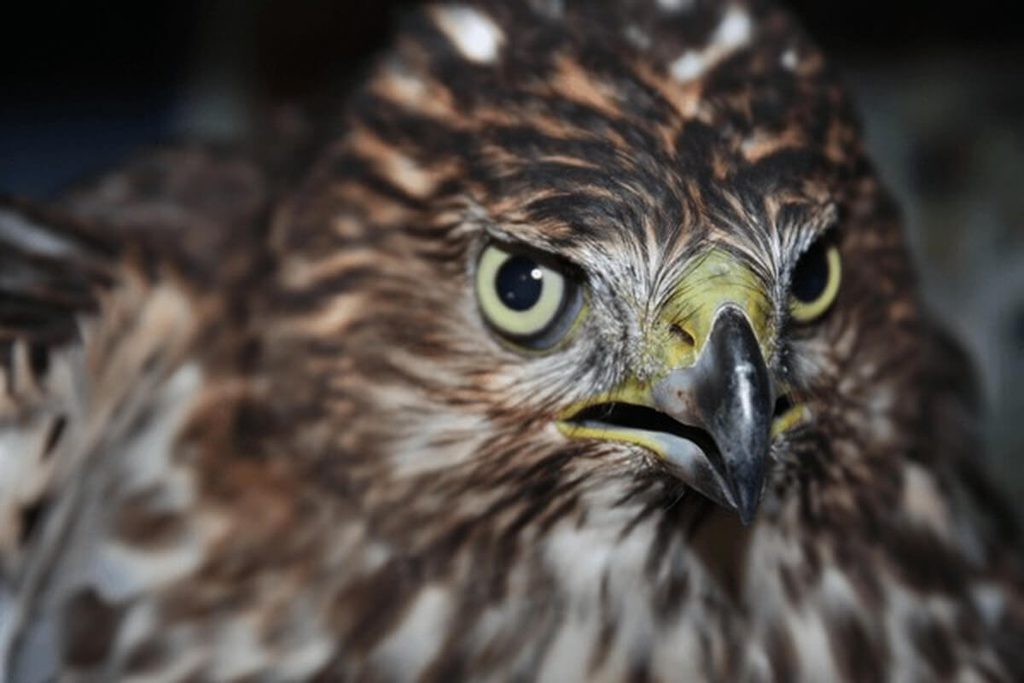
Can Hawks See at Night?
Not really — hawks are strictly diurnal, meaning they’re active and hunt during daylight hours, and their vision is specifically adapted for exceptional daytime acuity rather than low-light performance. A hawk’s eyesight is remarkable by daylight standards, often cited as several times sharper than human vision, letting them spot small prey from significant heights or distances. But that same specialization comes with a tradeoff: hawks don’t have the low-light adaptations owls have (larger pupils, more rod cells in the retina optimized for dim conditions), so functionally, hawks see poorly in true darkness and don’t hunt at night.
Occasionally a hawk will be seen active around dusk or in low light, particularly younger or inexperienced individuals, but this is the exception rather than normal behavior, not evidence of genuine night-hunting capability.
Is a Hawk a Carnivore?
Yes, unambiguously — hawks are obligate carnivores, meaning meat (in the form of live prey or carrion) makes up essentially their entire diet, with no meaningful plant matter involved the way an omnivore like a crow includes. This puts hawks in the same broad dietary category as other raptors: eagles, falcons, owls, and similar birds of prey, all specialized predators built around a fully carnivorous diet.
What’s the Difference Between a Hawk and a Falcon?
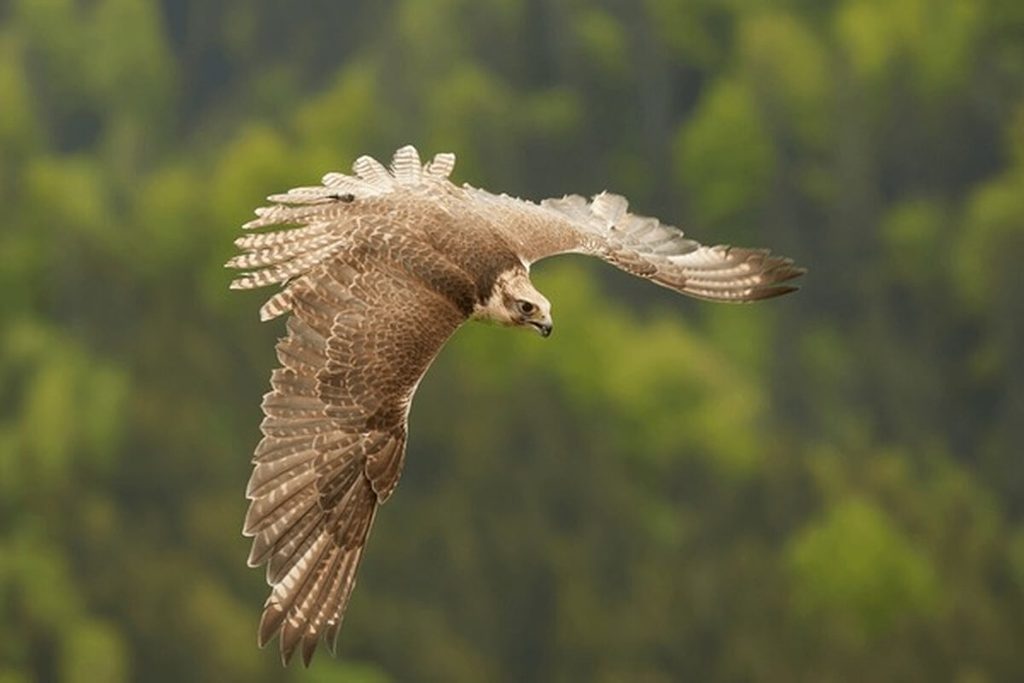
They’re often confused, understandably, since both are diurnal birds of prey of somewhat similar size, but there are real, consistent differences. Build and flight style is the clearest distinction: hawks generally have broader, rounder wings built for soaring and gliding, while falcons have longer, narrower, pointed wings built for speed — falcons, peregrine falcons especially, are capable of extraordinary diving speeds when hunting, among the fastest animals on Earth in a dive.
Hunting style differs too: many hawks use a patient “sit and wait” approach from a perch, while falcons more often hunt through fast, direct aerial pursuit or high-speed dives. Taxonomically, they’re not as closely related as their similar size and predatory lifestyle might suggest — falcons are actually more closely related to parrots and songbirds than to hawks, according to more recent genetic classification, despite looking and behaving similarly due to convergent evolution around a shared predatory lifestyle.
Do Hawks Have White Heads?
Only some do, and this is actually a common point of confusion with a different, very recognizable bird. A solid white head is the hallmark of an adult bald eagle, not a hawk — no common North American hawk species has a naturally solid white head as standard adult plumage. Some hawks do have partial pale or lighter-colored head markings depending on species and individual variation (certain red-tailed hawk color morphs, for instance, can show lighter head tones), but a fully white head is specifically an eagle trait, and spotting one is one of the more reliable ways to tell you’re looking at an eagle rather than a hawk, even at a distance.
Can You Eat a Hawk?
This comes up more as a legal and ethical question than a culinary one, and the direct answer matters: in the United States, hawks (like nearly all native wild birds) are protected under the Migratory Bird Treaty Act, making it illegal to kill, possess, or eat a hawk without specific federal authorization, regardless of whether you’d want to. This legal protection exists because many raptor populations, hawks included, faced serious historical declines from hunting, pesticide exposure, and habitat loss, and protections like this have been a major part of their recovery. Beyond the legal issue, hawk meat isn’t something pursued as food in modern American food culture the way game birds like duck or turkey are.
Why Hawk Classification Confuses People
Part of the ongoing confusion between hawks, falcons, eagles, and even owls comes down to a mix of overlapping common names, similar general body plans (all sharp-taloned, hooked-beak predators), and genuinely complex, evolving taxonomic relationships that don’t always match up with how casual observers naturally group birds by appearance. Modern genetic studies have reshuffled some of these classifications in recent decades, which is part of why even reference sources don’t always agree perfectly on where certain species fit — the practical, backyard-level differences in size, flight style, and behavior remain the most useful way to tell these birds apart in the field.