
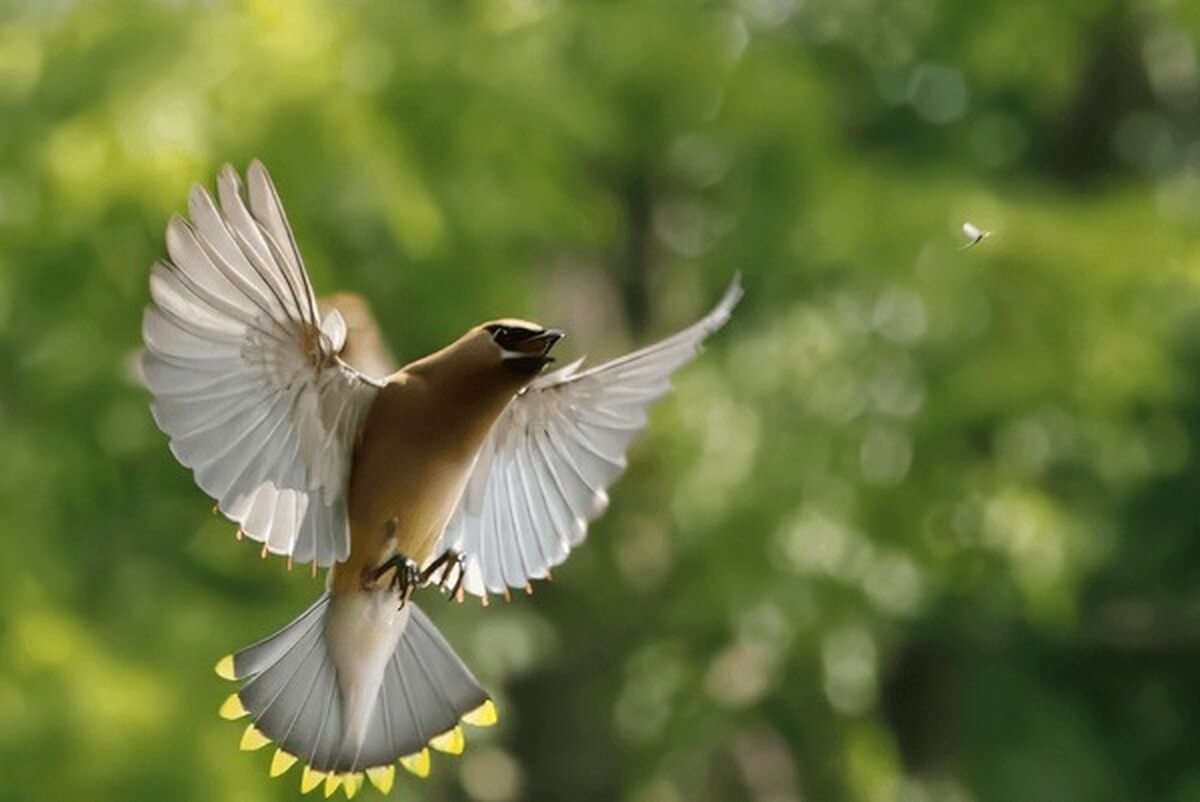
This isn’t a species-specific diet guide — it’s the bigger picture of predation involving birds: what eats their eggs, what birds themselves hunt, and where birds fit in the wider food web. (For a specific bird’s diet, check the guides for hawks, crows, and others on the site.)
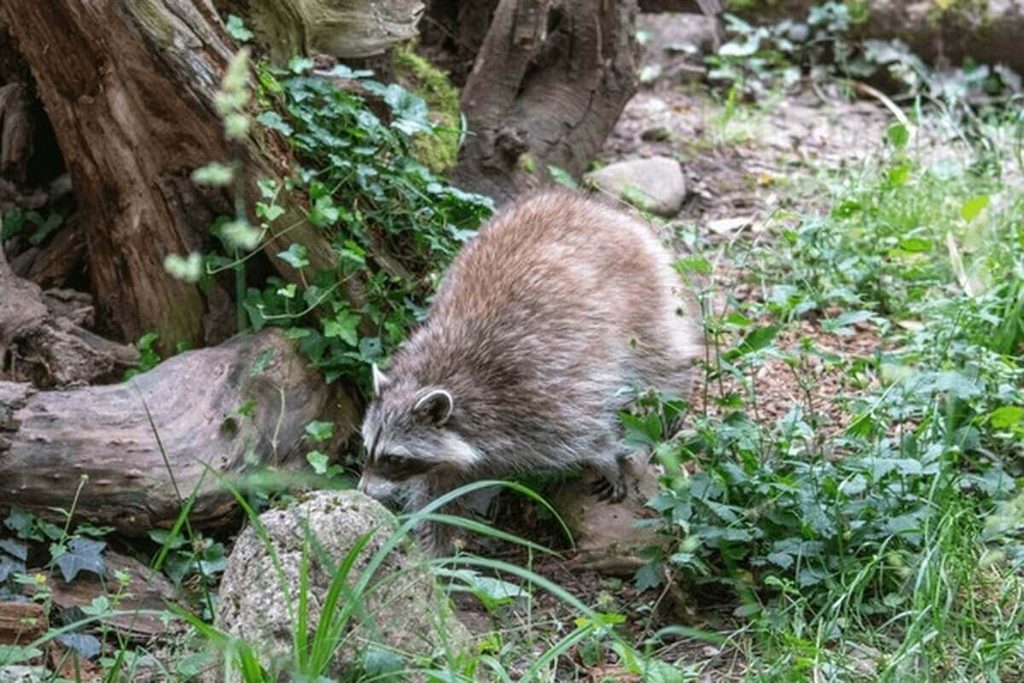
What Animals Eat Bird Eggs?
Bird eggs are a high-value, relatively easy target for a wide range of predators, and nest predation is one of the leading causes of nesting failure across most songbird species. The list of egg predators is long: raccoons, opossums, snakes, squirrels, and even some larger birds (crows and jays among them) will all take eggs opportunistically when they find an accessible nest. Domestic and feral cats are also significant nest predators in many areas, particularly for ground-nesting or low-nesting species.
Which predator is most significant varies a lot by location and habitat — a ground-nesting bird faces a very different set of threats than one nesting high in a tree cavity, which is part of why nest placement and height are such important survival strategies across bird species.
What Birds Eat Other Birds?
A number of raptors specialize in or regularly include other birds in their diet. Cooper’s hawks and sharp-shinned hawks are particularly well-known for this, built with the speed and agility to chase songbirds through trees and shrubs rather than relying on the more open-country soaring style of a red-tailed hawk. Falcons, especially peregrine falcons, are famous for hunting birds in fast aerial pursuit, sometimes diving at extraordinary speeds to strike prey mid-flight. Even some non-raptor species will occasionally take smaller birds or nestlings opportunistically, including certain gulls and, as covered elsewhere, crows and jays raiding nests.
Do Birds Eat Mosquitoes?
Yes, quite a few species do, and mosquitoes are a genuinely valuable food source for birds that feed on flying insects. Purple martins have a popular (if somewhat exaggerated) reputation as mosquito-eating machines, and while mosquitoes aren’t actually the majority of their diet, they and other aerial insectivores — swallows, nighthawks, and others — do eat real numbers of mosquitoes as part of a broader insect diet caught in flight.
Do Birds Eat Butterflies?
Some do, though it’s a smaller and more situational part of most birds’ diets compared to less visually memorable insects like beetles or ants. Certain butterfly species have evolved bright, warning coloration specifically because they’re toxic or unpalatable to birds (the monarch butterfly is the classic example, its toxicity derived from the milkweed it feeds on as a caterpillar), which has led some other, non-toxic butterfly species to evolve similar coloration purely to mimic that warning and avoid being eaten — a well-documented evolutionary strategy called Batesian mimicry.
What Birds Eat Squirrels?
Larger raptors are the main predators here — red-tailed hawks and great horned owls in particular are capable of taking full-grown squirrels, and for hawks especially, squirrels can be a valuable, calorie-dense food source worth the extra effort compared to smaller prey like mice. Smaller hawk species generally aren’t large or powerful enough to reliably take an adult squirrel and stick to smaller prey instead.
Do Birds Eat Lizards?
Yes, regularly, particularly in warmer climates where lizards are abundant and active for much of the year. A wide range of birds beyond dedicated raptors will opportunistically eat lizards, including many songbirds that primarily eat insects but won’t pass up a small, easily caught lizard. Larger birds of prey will readily take bigger lizard species as well, and in some regions, lizards make up a meaningful seasonal portion of the diet for ground-foraging birds.
Do Birds Eat Cats?
This one deserves a direct, honest answer since it’s usually asked out of concern rather than curiosity: it’s extremely rare and essentially limited to the largest raptors (great horned owls being the most commonly cited example) potentially targeting very young kittens under unusual circumstances. A full-grown healthy cat is simply not a realistic target for the vast majority of birds, including most hawks — the size and strength required, combined with a cat’s own defenses, make this a genuinely uncommon event rather than something cat owners need to worry about day to day.
Why This Predator-Prey Web Matters
Birds occupy multiple positions in local food webs simultaneously — many species are both predators (of insects, small reptiles, or other animals) and prey (to larger raptors, mammals, and nest predators) at different points in their life cycle, particularly as eggs and nestlings versus adults. This dual role is part of why bird populations can be sensitive indicators of overall ecosystem health: a healthy, balanced predator-prey web usually supports stable bird populations, while disruptions at any level — habitat loss affecting nest predator populations, insect decline affecting food supply — tend to ripple through the whole system.