
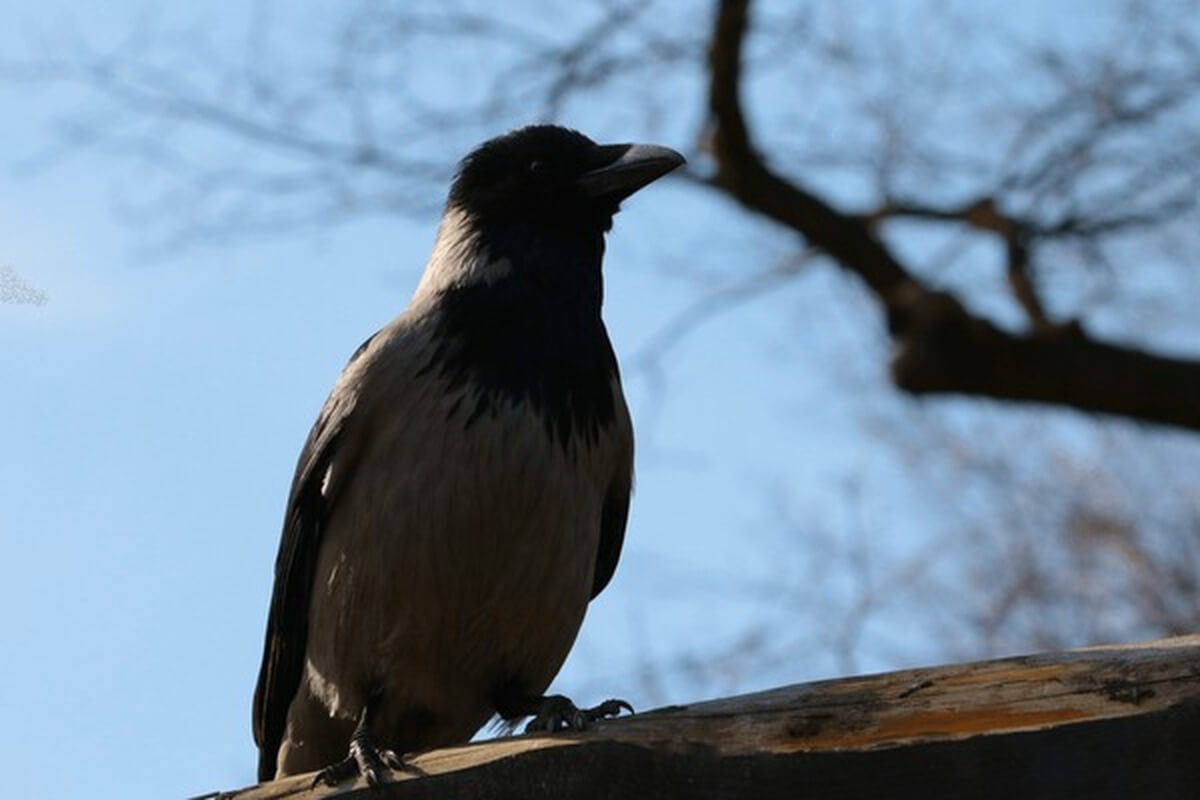
Crows get talked about constantly for their intelligence and their diet, but two of the more basic questions — how long they actually live, and what their beak really looks like up close — get surprisingly little attention. (For diet specifically, here’s the full crow feeding guide.)
How Long Can a Crow Live?
In the wild, American crows typically live somewhere around 7 to 8 years on average, though that’s an average across a population that includes a lot of early mortality — young crows in particular face significant risk in their first year or two from predators, disease, and simply learning to survive independently. Crows that make it past that vulnerable early period and reach adulthood can live considerably longer, with wild lifespans of 15-20 years being well documented, and some individuals living even longer under favorable conditions.
In captivity, where predation and food scarcity aren’t factors, crows can live substantially longer — captive lifespans of 20-30 years have been recorded, giving a sense of just how much wild mortality (rather than biological aging alone) shapes typical lifespan in the wild.
What Affects How Long a Crow Lives?
A few factors make a real difference in an individual crow’s lifespan. Habitat and food availability matter enormously — crows with reliable, abundant food sources (including the human food waste many urban crows rely on) tend to fare better than those in habitats with scarcer, less predictable food. Predation risk, especially for young or inexperienced crows, accounts for a large share of early mortality. And like most wild animals, disease and environmental hazards (including, in North America, past outbreaks of West Nile virus, which has significantly affected some crow populations) can meaningfully shorten average lifespan at a population level.
Do Crows Have Black Beaks?
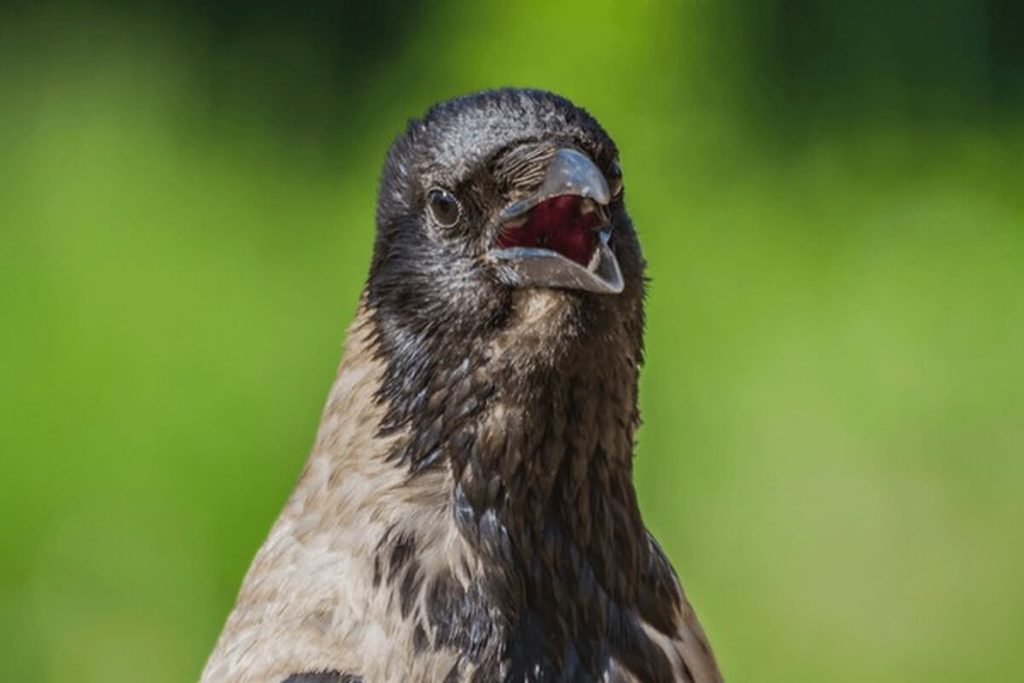
Yes — American crows have a solid black beak, which matches their entirely black plumage overall, making them one of the more uniformly colored common backyard birds. The beak itself is relatively thick and slightly curved, built for the crow’s remarkably varied diet, from probing soil for insects to tearing into carrion to cracking open harder food items.
It’s worth noting that not every all-black corvid has the exact same beak: ravens, close relatives of crows, have a notably heavier, more robust beak that’s one of the more reliable ways to distinguish a raven from a crow at a distance, alongside differences in size, tail shape, and call.
Why Crows Look So Uniformly Black
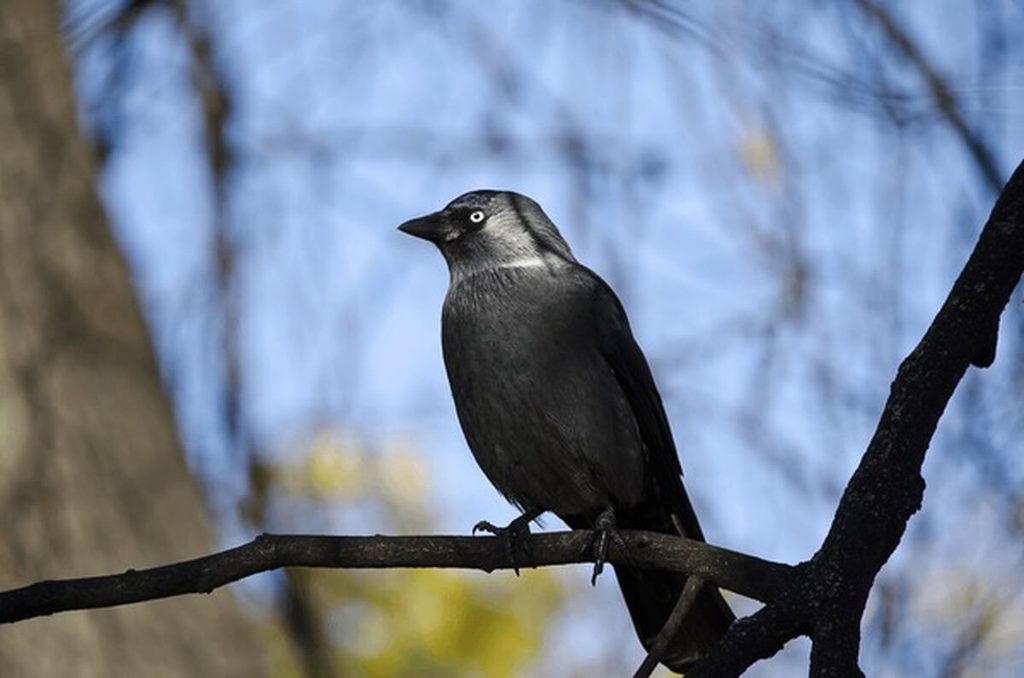
The solid black coloring across a crow’s entire body — feathers, legs, and beak alike — isn’t just about camouflage, though it does help somewhat. Crow feathers actually show a subtle iridescent sheen (sometimes a faint blue or purple gloss visible in good light) due to feather structure rather than pigment alone, which is a detail easy to miss unless you catch a crow in direct sunlight. This uniform coloring, combined with their size and highly social behavior, makes crows one of the more instantly recognizable birds in North America even at a distance.
A Quick Word on Crow Longevity and Intelligence
It’s worth mentioning that crow lifespan and crow intelligence are somewhat connected in the research: crows are among the most cognitively sophisticated birds studied, capable of tool use, problem-solving, and even apparent long-term memory of individual human faces. Some researchers have suggested that a longer potential lifespan compared to many other songbirds may be part of what supports this level of cognitive development, since a longer life allows more time for learning and social experience to accumulate — though this remains an area of ongoing study rather than settled fact.