
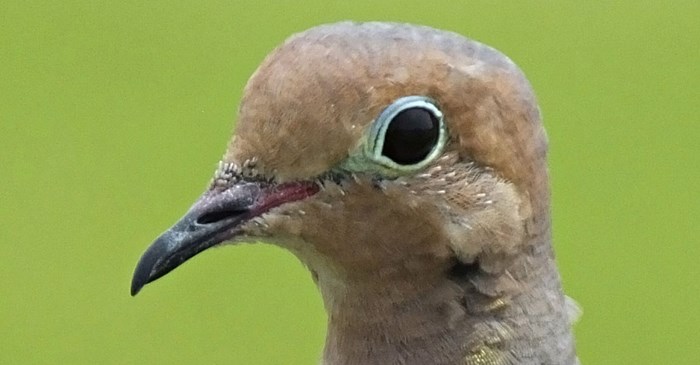
Birds breathe using a unique respiratory system that includes air sacs. These air sacs ensure a continuous flow of air through their lungs.
Birds have a highly efficient respiratory system that allows them to thrive in various environments. Unlike mammals, birds use a series of air sacs connected to their lungs. This system ensures that fresh air constantly flows through their lungs, even when exhaling.
The continuous airflow maximizes oxygen extraction, supporting high-energy activities like flying. This unique breathing mechanism helps birds maintain high metabolic rates and adapt to different altitudes. Understanding how birds breathe reveals the intricate adaptations that enable their survival and efficiency in diverse habitats. The bird respiratory system is a marvel of evolutionary engineering, showcasing nature’s ingenuity.
Introduction To Avian Respiration
Birds have a unique way of breathing that helps them fly high. Their respiratory system is different from mammals. Let’s explore how birds breathe.
Unique Respiratory System
Birds have a unique respiratory system that includes air sacs. These air sacs store air and help birds breathe efficiently. This system is more complex than ours.
Their lungs are small but very efficient. Air flows in one direction through their lungs. This ensures that birds get fresh air with each breath. This is important for their high-energy activities like flying.
Importance Of Efficient Breathing
Birds need a lot of oxygen. Flying takes a lot of energy. An efficient breathing system helps them get the oxygen they need.
Efficient breathing also helps birds stay active and alert. It keeps their muscles strong and ready for flight. This is crucial for their survival.
| Feature | Function |
|---|---|
| Air Sacs | Store and circulate air |
| One-way Airflow | Ensures fresh air with each breath |
In summary, birds have a special way of breathing. This helps them fly and stay active. Their respiratory system is a marvel of nature.

Credit: breatheornot.wordpress.com
Anatomy Of Bird Respiratory System
Birds have a unique way of breathing. Their respiratory system is different from mammals. This system is efficient and helps them fly. Let’s look at the parts of this system.
Air Sacs
Birds have air sacs. These sacs store air and help birds breathe. Birds usually have nine air sacs. The air sacs are in the chest and abdomen. They make the lungs work better. Air sacs help birds get more oxygen with each breath.
Lungs
Birds have small but efficient lungs. Their lungs do not expand like ours. Air flows in one direction through the lungs. This means fresh air and old air do not mix. Birds get more oxygen this way. The lungs work with the air sacs to keep birds breathing well.
Trachea And Syrinx
The trachea is a tube that carries air to the lungs. It is long and flexible. Birds also have a syrinx. The syrinx is at the bottom of the trachea. Birds use the syrinx to make sounds. It works like our vocal cords. The trachea and syrinx help birds breathe and sing.
Mechanics Of Breathing In Birds
Birds have a unique way of breathing. Their breathing system is different from mammals. Birds need efficient breathing to fly. They have a complex system that allows this.
Inhalation Process
Birds have air sacs in their bodies. These air sacs help in breathing. When a bird inhales, air goes into these sacs. The air then moves into the lungs. This process is very efficient.
Exhalation Process
Exhalation in birds is also unique. The air first goes from the lungs to the air sacs. Then, the bird exhales the air out of the body. This helps in keeping a continuous flow of air. Birds can get more oxygen this way.
Air Sacs In Birds
Birds have several air sacs. These sacs are divided into anterior and posterior sacs. The air moves through these sacs in a cycle. This helps in efficient oxygen exchange.
| Type of Sac | Function |
|---|---|
| Anterior Air Sacs | Air goes out during exhalation |
| Posterior Air Sacs | Air goes in during inhalation |
Birds can breathe even while flying. Their breathing system is very advanced. This helps them fly long distances without getting tired.
Role Of Air Sacs
Birds have a unique breathing system. The role of air sacs is crucial for their survival. Air sacs help birds breathe more efficiently. They also help birds fly at high altitudes.
Structure And Function
Birds have nine air sacs. These sacs are thin and elastic. They are connected to the lungs. The air sacs are divided into two groups:
- Anterior air sacs
- Posterior air sacs
The air sacs act like bellows. They help move air through the lungs. This system ensures a continuous flow of fresh air.
Air Sac Cycle
The air sac cycle is a two-step process:
- First inhalation: Air enters the posterior air sacs.
- First exhalation: Air moves from the posterior air sacs to the lungs.
- Second inhalation: Air moves from the lungs to the anterior air sacs.
- Second exhalation: Air exits the anterior air sacs and leaves the body.
This cycle ensures that birds always have fresh air. Even while exhaling, birds can take in fresh air.
This efficient system helps birds fly long distances. It also helps them survive in low-oxygen environments.
Gas Exchange In Birds
Understanding gas exchange in birds reveals how these creatures breathe efficiently. Birds have a unique respiratory system. This system supports their high energy needs for flying.
Oxygen Uptake
Birds have a highly specialized system for oxygen uptake. Their lungs are small but efficient. Air sacs play a crucial role in their breathing process.
Here’s a table to illustrate the bird’s oxygen uptake process:
| Step | Process |
|---|---|
| 1 | Bird inhales air into air sacs. |
| 2 | Air moves through the lungs. |
| 3 | Oxygen is absorbed into the bloodstream. |
In this way, birds ensure a continuous flow of oxygen. The air sacs act as bellows, keeping air moving in one direction. This system is more efficient than that of mammals.
Carbon Dioxide Removal
Birds also need to remove carbon dioxide from their bodies. This process is crucial for maintaining their health.
The removal process involves:
- Air travels to the posterior air sacs.
- Carbon dioxide is exchanged for oxygen in the lungs.
- Birds exhale the carbon dioxide-rich air.
This constant flow ensures that birds can breathe easily, even during flight. Their respiratory system is a marvel of nature’s engineering.

Credit: svpow.com
Adaptations For Flight
Birds have evolved unique features to help them fly. These adaptations make flight efficient and less energy-consuming. Let’s explore some of these amazing traits.
Lightweight Bones
Birds have lightweight bones to help them fly. These bones are hollow and filled with air sacs, making them lighter. This reduces the weight they have to lift into the air.
Another feature is the fusion of some bones. This creates a strong but light skeleton. The fused bones provide the strength needed for flight without extra weight.
Efficient Oxygen Utilization
Birds have a unique way of breathing. Their lungs and air sacs work together. This system allows for efficient oxygen utilization. Birds get more oxygen with each breath than mammals.
Their breathing system is also continuous. This means fresh air is always flowing through their lungs. This is crucial during flight when they need more oxygen.
Below is a table summarizing these adaptations:
| Adaptation | Description |
|---|---|
| Lightweight Bones | Hollow, air-filled bones reduce weight. |
| Efficient Oxygen Utilization | Special lungs and air sacs provide continuous airflow. |
Comparing Bird And Mammal Respiration
Birds and mammals have different ways of breathing. Understanding these differences helps us learn more about nature. This section compares bird and mammal respiration.
Structural Differences
Birds have unique respiratory structures. They use air sacs to breathe. Air flows in one direction through their lungs.
Mammals have lungs too, but they work differently. Air flows in and out of their lungs. This is called tidal breathing.
| Feature | Birds | Mammals |
|---|---|---|
| Respiratory Structures | Air sacs and lungs | Lungs only |
| Air Flow | One-directional | Tidal (in and out) |
Efficiency Comparison
Birds’ breathing is more efficient. Their one-way air flow ensures constant oxygen supply.
Mammals’ tidal breathing is less efficient. Air mixes inside lungs, reducing oxygen intake.
This efficiency allows birds to fly long distances. They need more oxygen for flight.
Mammals do not need as much oxygen. Their lifestyle requires less energy.
- Birds: Constant oxygen supply, efficient for flight.
- Mammals: Adequate oxygen supply, suitable for ground activities.
Impact Of Environmental Factors
The impact of environmental factors on bird respiration is significant. Birds face varying challenges in their habitats. Understanding these factors helps us protect them better.
Altitude Effects
High altitudes have lower oxygen levels. Birds need to adapt to breathe. Some birds have larger lungs. This helps them take in more air. Their blood also carries oxygen efficiently. The table below shows how altitude affects birds:
| Altitude | Oxygen Level | Bird Adaptation |
|---|---|---|
| Sea Level | High | Normal Breathing |
| 5000 feet | Moderate | Increased Lung Capacity |
| 10000 feet | Low | Efficient Oxygen Utilization |
Temperature Variations
Temperature changes affect bird breathing. In cold climates, birds need more energy. This increases their oxygen needs. Birds fluff their feathers to stay warm. This helps them breathe easier.
In hot climates, birds pant to cool down. Panting helps them release heat. This process also increases water loss. Birds need to drink more to stay hydrated. Here are key points on temperature effects:
- Cold Weather: Higher oxygen needs, fluff feathers.
- Hot Weather: Panting, increased water intake.
Health And Respiratory Diseases
Birds have a unique respiratory system that helps them fly efficiently. This system is delicate and can be prone to various diseases. Understanding these diseases helps in keeping birds healthy and happy.
Common Respiratory Issues
Birds can suffer from several respiratory problems. Some common issues include:
- Aspergillosis: A fungal infection affecting the lungs.
- Chlamydiosis: Also known as Psittacosis, a bacterial infection.
- Air Sac Mite Infestation: Mites infest the bird’s air sacs.
- Respiratory Distress: Difficulty in breathing due to various causes.
Preventative Measures
Keeping birds healthy involves taking preventative measures. Here are some tips:
- Ensure the bird’s cage is clean and well-ventilated.
- Provide a balanced diet rich in vitamins and minerals.
- Avoid exposing birds to smoke, dust, and strong odors.
- Regularly visit a vet for health check-ups.
Understanding and addressing respiratory issues in birds can help them live longer, healthier lives. Taking preventative steps ensures their respiratory system remains robust and efficient.

Credit: blog.mybirdbuddy.com
Frequently Asked Questions
Do Birds Breathe With Lungs Or Gills?
Birds breathe with lungs, not gills. Their respiratory system includes air sacs that help with efficient oxygen exchange.
Can Birds Breathe While Flying?
Yes, birds can breathe while flying. They have a unique respiratory system with air sacs that provide continuous oxygen flow.
How Do Birds Breathe Underwater?
Birds cannot breathe underwater. They hold their breath while diving and resurface to breathe air. Adaptations like efficient lungs and air sacs help them.
Why Are Bird Lungs So Sensitive?
Bird lungs are highly sensitive due to their efficient respiratory system, which maximizes oxygen exchange. This sensitivity ensures optimal performance for flight.
Conclusion
Birds have a fascinating and efficient respiratory system. Their unique anatomy allows them to breathe even while flying. Understanding how birds breathe reveals the wonders of nature. This knowledge can inspire further interest in avian biology and conservation efforts. Keep exploring to uncover more about these incredible creatures.