
Yes, a hawk is a carnivore. Hawks primarily eat small mammals, birds, and insects.
Hawks are fascinating birds of prey found worldwide. These raptors are known for their keen eyesight and powerful hunting skills. With sharp talons and beaks, hawks capture and consume various prey. Their diet includes rodents, rabbits, and even other birds.
Adaptable hunters, hawks thrive in diverse habitats, from forests to deserts. Watching a hawk soar through the sky is a thrilling experience. Their impressive speed and agility make them formidable predators. Whether perched on a tree or gliding above, hawks play a crucial role in maintaining ecological balance. These majestic birds continue to captivate birdwatchers and nature enthusiasts alike.
Credit: www.quora.com
Introduction To Hawks
Hawks are amazing birds. They belong to the raptor family. These birds are known for their sharp vision and strong talons. Hawks are found in many parts of the world. They play a key role in the ecosystem.
Basic Characteristics
Hawks have several unique features. Here are some key characteristics:
- Sharp Vision: Hawks can spot prey from far away.
- Strong Talons: They use their talons to catch prey.
- Curved Beak: Their beak helps tear meat.
- Powerful Wings: Hawks can fly fast and high.
Habitat And Distribution
Hawks live in different habitats. They can be found in forests, deserts, and even urban areas. Here is a table showing their distribution:
| Continent | Common Habitats |
|---|---|
| North America | Forests, mountains, grasslands |
| South America | Rainforests, savannas |
| Europe | Woodlands, farmlands |
| Africa | Deserts, grasslands |
| Asia | Mountains, forests |
| Australia | Open fields, forests |
Hawks As Birds Of Prey
Hawks are fascinating birds of prey. They are known for their sharp vision and powerful hunting skills. As carnivores, hawks play a crucial role in the ecosystem. They help control the population of small animals.
Raptors Defined
Raptors are birds of prey. They have keen eyesight, strong talons, and sharp beaks. These features help them hunt and capture prey. Hawks are a prime example of raptors. Their eyesight is eight times sharper than humans. This allows them to spot prey from high in the sky.
Hunting Techniques
Hawks use various hunting techniques. They often soar high and then dive to catch prey. This technique is called stooping. It allows them to surprise their prey from above.
Another technique is perching. Hawks sit on a high branch and watch for movement below. When they see prey, they swoop down quickly. This method is effective for catching small animals like mice and rabbits.
Hawks also hunt in pairs. They work together to flush out and capture prey. This team effort increases their chances of a successful hunt.
| Hunting Technique | Description |
|---|---|
| Stooping | Diving from high in the sky to catch prey |
| Perching | Sitting on a branch and swooping down on prey |
| Pair Hunting | Working together to flush out and capture prey |
- Hawks have sharp vision.
- They use powerful talons to grab prey.
- They are skilled at different hunting techniques.
- Spot prey from a distance.
- Choose the best technique to hunt.
- Capture and eat the prey.
Dietary Habits Of Hawks
Hawks are fascinating birds with unique dietary habits. These birds of prey are primarily carnivorous. Their diet consists mainly of meat. Understanding their dietary habits can provide insights into their role in the ecosystem.
Typical Prey
Hawks have a varied diet. They hunt a wide range of animals. Their prey includes:
- Rodents: Mice, rats, and squirrels
- Birds: Smaller birds like sparrows and pigeons
- Insects: Grasshoppers, beetles, and other insects
- Reptiles: Lizards and small snakes
Some hawks may even hunt fish. They are adaptable hunters. This helps them survive in various environments.
Hunting And Feeding Patterns
Hawks use keen eyesight to spot prey. They have excellent vision. They can see prey from great distances.
Hawks typically hunt during the day. They are diurnal hunters. They rely on sunlight to spot their prey.
They use powerful talons to catch prey. Their talons are strong and sharp. This helps them hold onto their catch.
| Hunting Method | Description |
|---|---|
| Soaring | They fly high and look for prey below. |
| Perching | They sit on a high perch and watch for prey. |
| Hovering | They hover in one spot to spot prey. |
Once they spot prey, they dive quickly. This is called a stoop. They catch the prey with their talons. Then, they eat it on the ground or take it to a perch.
Hawks often eat the entire animal. They consume bones, fur, and feathers. This provides them with all necessary nutrients.
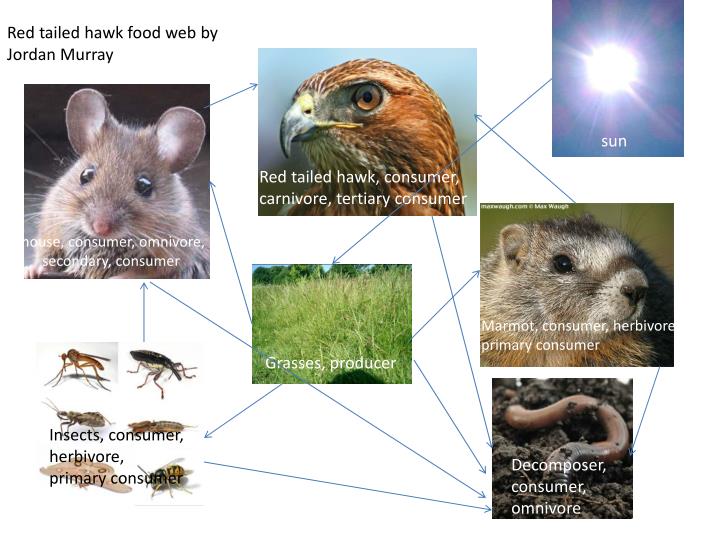
Credit: www.slideserve.com
Carnivorous Traits
Hawks are fascinating birds of prey known for their carnivorous traits. They possess unique features that make them effective hunters. Let’s explore some of these traits.
Sharp Talons And Beaks
Hawks have sharp talons and beaks designed for hunting. Their talons are curved and strong, perfect for gripping prey. The beak is hooked, making it easy to tear flesh.
Here’s a quick look at their features:
| Feature | Function |
|---|---|
| Talons | Grasping and killing prey |
| Beak | Ripping meat |
Keen Eyesight
Hawks have keen eyesight, crucial for spotting prey from a distance. Their eyes can see small animals from high in the sky. This powerful vision helps them hunt efficiently.
Some key points about hawk’s eyesight:
- Can see four to eight times better than humans.
- Eyes are specially adapted for long-distance vision.
- Can detect even the slightest movement on the ground.
These traits make hawks excellent hunters in their natural habitat.
Comparing Hawk Species
Hawks are fascinating birds of prey. They play a crucial role in the ecosystem. Understanding their diet helps us learn more about them. Here, we will compare two common hawk species: the Red-tailed Hawk and the Cooper’s Hawk.
Red-tailed Hawk
The Red-tailed Hawk is one of the most widespread hawks in North America. It has a signature red tail, which is easily identifiable. These hawks are large and powerful.
- Size: 45-65 cm in length
- Wingspan: 114-133 cm
- Diet: Mostly small mammals like mice and rabbits
Red-tailed Hawks are true carnivores. They hunt during the day. They use their sharp talons to catch prey. Their keen eyesight helps spot prey from a distance.
Cooper’s Hawk
The Cooper’s Hawk is smaller and more agile. It is known for its speed and agility in flight. These hawks are often found in wooded areas and urban settings.
- Size: 35-50 cm in length
- Wingspan: 62-90 cm
- Diet: Mostly small birds and sometimes small mammals
Cooper’s Hawks are also carnivores. They are skilled hunters. They can navigate through dense trees to catch their prey. Their sharp claws and beaks are perfect for hunting.
| Feature | Red-tailed Hawk | Cooper’s Hawk |
|---|---|---|
| Size | 45-65 cm | 35-50 cm |
| Wingspan | 114-133 cm | 62-90 cm |
| Diet | Small mammals | Small birds |
Impact Of Diet On Ecosystem
Hawks play a vital role in the ecosystem. Their diet has a significant impact. Hawks are carnivores. They primarily eat other animals. This diet influences their environment in various ways.
Role In Food Chain
Hawks are apex predators. They sit at the top of the food chain. They hunt smaller animals like rodents, birds, and insects. This hunting helps keep the balance in nature. Without hawks, prey populations would explode. This would lead to overgrazing and depletion of resources. Hawks ensure no single species dominates.
Population Control
Hawks help control the population of small animals. They target weak, sick, and old animals. This keeps prey populations healthy. It prevents the spread of disease. This natural selection process is crucial. It maintains the balance in ecosystems.
Hawks also indirectly support plant life. Fewer herbivores mean less plant consumption. This benefits the entire ecosystem. Healthy plants mean more food for other animals. It creates a balanced and thriving environment.
Adaptations For Hunting
Hawks are expert hunters. Their bodies have evolved for this purpose. They have special adaptations that help them catch prey.
Stealth And Speed
Hawks are known for their stealth and speed. They can fly quietly and fast. Their wings are shaped for quick, agile movements. This helps them sneak up on prey.
Here are some features that make them fast hunters:
- Strong muscles for powerful flight
- Streamlined bodies to cut through air
- Sharp talons for grabbing prey
Their eyes are also very sharp. They can spot small animals from far away. This makes it hard for prey to hide.
Camouflage Techniques
Hawks use camouflage to blend into their surroundings. Their feathers often match their environment. This makes it hard for prey to see them.
Here are some ways they use camouflage:
- Color of feathers matches the environment
- Sitting still in trees to avoid detection
- Flying low to stay hidden among foliage
These camouflage techniques help hawks get close to their prey. Once they are close enough, they strike with speed and precision.
| Adaptation | Benefit |
|---|---|
| Stealthy Flight | Surprise prey |
| Sharp Vision | Spot prey from far |
| Camouflage Feathers | Blend into surroundings |
These adaptations make hawks efficient carnivores. They are built to hunt and survive.

Credit: kids.nationalgeographic.com
Frequently Asked Questions
Is A Hawk A Carnivore Or Omnivore?
A hawk is a carnivore. It primarily eats small mammals, birds, and insects. Hawks rely on hunting for their food.
Can A Hawk Pick Up A 10 Lb Dog?
No, a hawk cannot pick up a 10 lb dog. Hawks typically can carry prey weighing 1-3 lbs.
Can A Hawk Pick Up A 10 Pound Cat?
No, a hawk can’t pick up a 10-pound cat. Hawks typically hunt smaller prey weighing up to 3 pounds.
Is It Good To Have A Hawk In Your Yard?
Yes, having a hawk in your yard can be beneficial. Hawks control rodent populations and deter smaller pests.
Conclusion
Hawks are indeed carnivores, thriving on a diet of meat. Their sharp talons and beaks make them efficient hunters. Understanding their dietary habits helps us appreciate their role in the ecosystem. Observing hawks in the wild provides insight into their fascinating predatory behaviors.
Keep exploring nature to learn more about these magnificent birds.