

Larger birds of prey, like golden eagles, can sometimes prey on smaller eagles. Predators such as bears or wolves may also attack eagles.
Eagles are apex predators but not entirely immune to threats. These majestic birds often dominate the skies, but they can face danger from larger birds of prey, like golden eagles, and terrestrial predators, including bears and wolves. Young or injured eagles are particularly vulnerable to attacks.
Understanding the natural threats to eagles helps in their conservation and protection. These predators play a crucial role in maintaining the ecological balance. Awareness about these dynamics can aid conservation efforts to ensure eagles continue to soar high in our skies. Effective conservation strategies can mitigate these threats, promoting a healthy ecosystem.
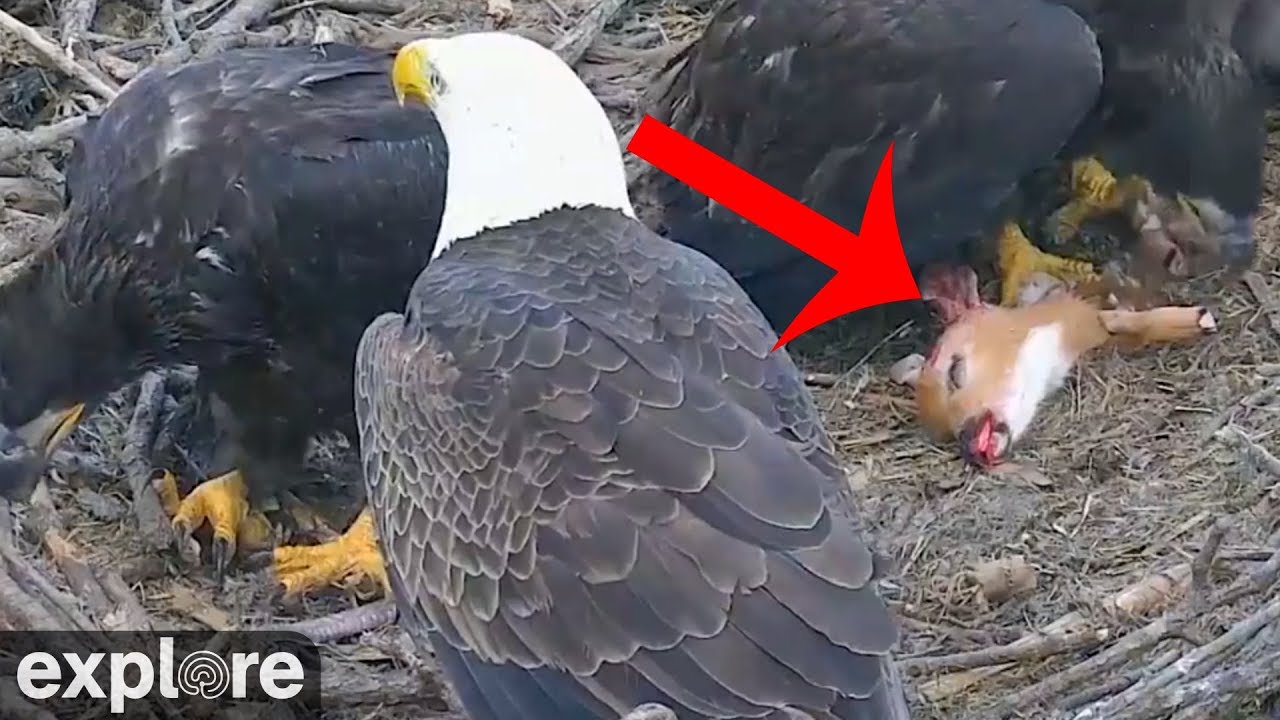
Credit: www.youtube.com
Eagle’s Place In The Food Chain
The eagle, a majestic bird, stands tall in the food chain. It is both a predator and prey. This unique position defines its role in the ecosystem. Understanding this helps us appreciate the eagle’s importance.
Eagle’s Role
Eagles are top predators. They hunt small mammals, fish, and birds. Their keen eyesight and powerful talons make them efficient hunters. Eagles maintain the balance of the ecosystem by controlling prey populations.
Predator And Prey Dynamics
While eagles are apex predators, they also face threats. Larger animals and other birds of prey can threaten them. Young eagles, in particular, are vulnerable.
| Predator | Threat to Eagle |
|---|---|
| Humans | Hunting and habitat destruction |
| Owls | Attacks on young eagles |
| Bears | Predation on nests |
These threats remind us that even apex predators are not safe.
Understanding these dynamics helps us protect eagles. It also helps us maintain the balance of nature. Eagles play a crucial role in their ecosystems. Recognizing this helps us appreciate their importance and work towards their conservation.

Credit: www.nationalgeographic.com
Natural Predators Of Eagles
Eagles are powerful birds. Yet, they have natural predators. These predators can be mammals or other birds. Understanding these threats is important. It helps protect eagles in the wild.
Mammals
Some mammals can be a threat to eagles. These include large cats and bears. These predators often target eagle chicks. They also go after injured or weak eagles.
| Mammal | Threat to Eagles |
|---|
Human Impact
Human Impact:
Hunting
Eagles are hunted by humans for various reasons.
- Traditional rituals
- Illegal trade
- Trophy hunting
Habitat Destruction
Human activities destroy eagle’s habitat.
Deforestation, urbanization, and pollution are major threats.
Juvenile Eagles At Risk
Juvenile eagles face many dangers during their early life. These young birds are more vulnerable than adult eagles. Understanding these risks helps us protect them better.
Nest Predators
Several animals pose a threat to eagle nests. These predators often target the young eagles.
- Raccoons: Raccoons climb trees and invade nests.
- Owls: Owls sometimes attack eagle chicks at night.
- Snakes: Large snakes can raid nests for eggs or chicks.
Vulnerability Factors
Young eagles are more vulnerable due to several factors:
| Factor | Description |
|---|---|
| Inexperience | Juvenile eagles lack survival skills. |
| Size | They are smaller and weaker than adults. |
| Dependence | They rely on parents for food and protection. |
Scavengers And Opportunistic Feeders
Scavengers and opportunistic feeders play a significant role in the ecosystem. They often feed on eagles. These animals take advantage of carcasses left behind. This section explores them in detail.
Carrion Eaters
Carrion eaters consume dead and decaying animals. They do not hunt live eagles. Instead, they scavenge on eagle remains.
Here are some common carrion eaters:
- Vultures – Known for their keen eyesight and strong beaks.
- Hyenas – Often found in Africa, they have powerful jaws.
- Ravens – Intelligent birds that scavenge on various carcasses.
These animals help clean up the environment by eating dead eagles. This process prevents disease and maintains balance.
Opportunistic Predators
Opportunistic predators may attack eagles under certain conditions. They typically target young or injured eagles.
Some examples include:
| Animal | Characteristics |
|---|---|
| Great Horned Owls | Strong talons and silent flight. |
| Golden Eagles | Similar size and power to other eagles. |
| Bald Eagles | May attack other eagles for territory. |
These predators do not rely solely on eagles for food. They seize opportunities when they arise. This behavior helps th
Credit: www.quora.com
Eagle Defense Mechanisms
Eagles are apex predators. Their defense mechanisms keep them safe from threats. They have both physical defenses and behavioral strategies to protect themselves.
Physical Defenses
Eagles have powerful talons that can crush bones. Their beaks are sharp enough to tear flesh. These features help them fend off attackers.
They have keen eyesight. Eagles can spot danger from miles away. This helps them stay alert to potential threats.
Their strong wings enable quick flight. They can escape predators quickly. Their feathers also provide camouflage in their natural habitat.
Behavioral Strategies
Eagles build their nests in high places. This makes it hard for predators to reach them. They often choose cliffs or tall trees for nesting.
Eagles are known to be territorial. They fiercely defend their territory from intruders. This reduces the chances of encountering predators.
Eagles In Ecosystem Balance
Eagles are powerful birds of prey. They are important for keeping ecosystems healthy. These majestic birds are top predators. They influence the populations of other animals. This helps maintain balance in nature.
Keystone Species
Eagles are considered keystone species. This means they have a large impact on their environment. Removing eagles would disrupt the balance. Smaller animals would overpopulate. Plants would suffer as herbivores increase.
Food Web Interactions
Eagles are at the top of the food web. They feed on fish, small mammals, and other birds. This controls the population of these animals. Fewer small animals mean healthier plants and trees.
| Predator | Prey |
|---|---|
| Eagle | Fish |
| Eagle | Small Mammals |
| Eagle | Other Birds |
Even though eagles are strong, they can still be prey. Larger animals like bears and wolves can eat young eagles. This is part of the natural food web. Each species plays a role in the balance.
- Top Predator: Eagles keep prey populations in check.
- Prey: Eagles can be prey to larger animals.
Understanding these interactions helps us protect our environment. Eagles are crucial for a balanced ecosystem.
Conservation Efforts
Protecting eagles from predators and human threats is vital. This section covers key conservation efforts aimed at safeguarding these majestic birds.
Protection Laws
Many countries have enacted protection laws to conserve eagle populations. These laws prevent hunting and habitat destruction. The Bald and Golden Eagle Protection Act is a notable example in the United States. It prohibits the capture and killing of eagles. Violating this law results in severe penalties.
International treaties also play a role. The Convention on International Trade in Endangered Species (CITES) regulates eagle trade. This treaty ensures eagles are not exploited for profit.
Conservation Programs
Various organizations run conservation programs to protect eagles. These programs focus on habitat restoration, monitoring, and education. Here are a few examples:
- Habitat Restoration: Reforesting areas to create safe nesting sites.
- Monitoring: Tracking eagle populations to study their health and numbers.
- Education: Teaching communities about the importance of eagles in ecosystems.
Some programs also involve captive breeding and release initiatives. These efforts help boost wild eagle numbers.
Below is a table summarizing key conservation programs:
| Program Name | Focus Area | Impact |
|---|---|---|
| Project Eagle | Habitat Restoration | Increased nesting sites |
| Eagle Watch | Population Monitoring | Accurate data on eagle health |
| Eco-Education | Community Awareness | Better local support for eagles |
Frequently Asked Questions
What Are The Predators Of The Eagle?
Eagles have few natural predators. Larger birds of prey, such as owls and hawks, can pose threats. Humans also pose significant risks through hunting and habitat destruction.
Which Animals Can Defeat An Eagle?
Larger birds like owls and hawks, as well as mammals like wolves and bobcats, can defeat an eagle.
What Bird Are Eagles Afraid Of?
Eagles are often afraid of crows. Crows can be aggressive and will harass eagles to protect their territory.
Does A Lion Eat An Eagle?
Lions rarely eat eagles. Their diet mainly consists of large mammals like zebras and antelopes. Eagles are not typical prey.
Conclusion
Eagles face few natural predators due to their dominance in the sky. However, larger birds of prey and humans can threaten them. Understanding these threats helps in eagle conservation efforts. Protecting these majestic birds ensures they continue to thrive in their natural habitats.
Let’s work together to preserve these incredible creatures.