Natural Duck Diets: What Do Ducks Eat Naturally

Delving into the eating patterns of ducks, it’s clear that their omnivorous palates are adapted to a smorgasbord of foods found within their natural habitats. The versatility of natural duck diets plays a pivotal role in their survival, with many species exhibiting intricate duck foraging habits that change with the seasons. For instance, sprightly Mandarin ducks feast on a varied menu—ranging from protein-rich insects in the spring to hearty acorns and grains come winter.

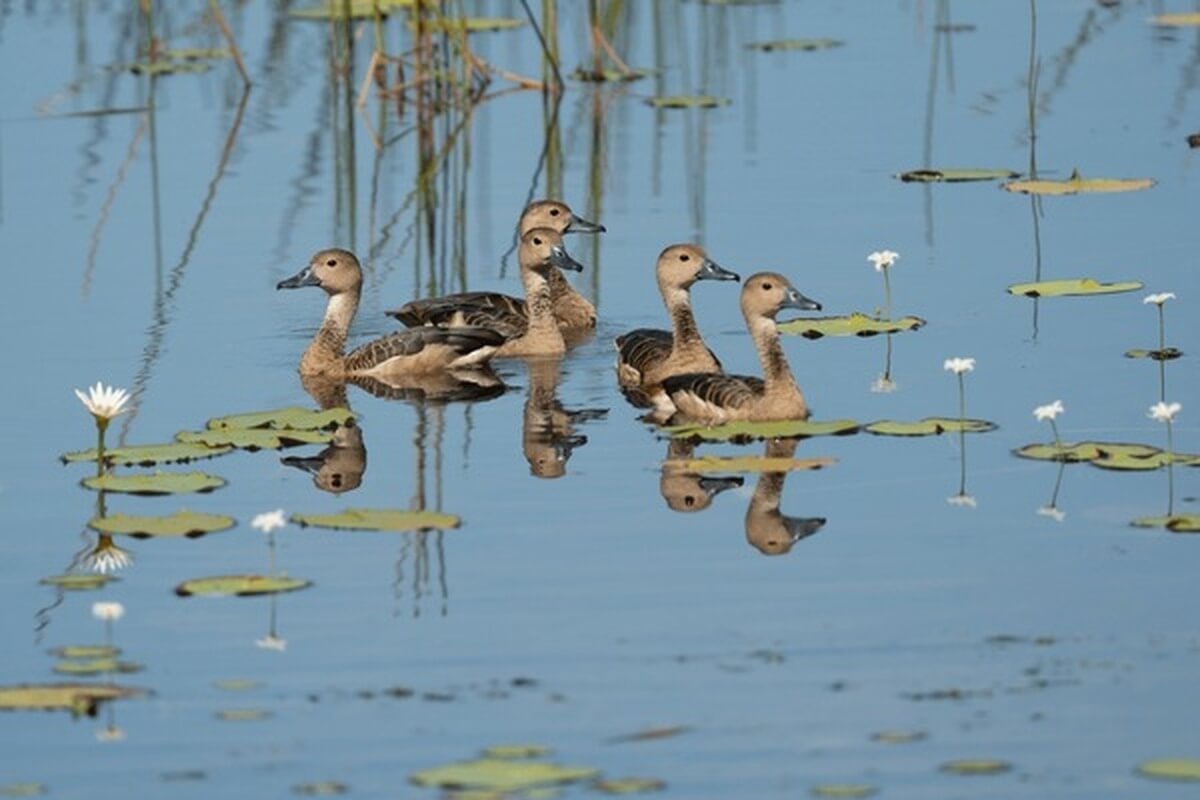
When considering what do ducks eat naturally, it’s evident that their dietary choices can be as diverse as their environments. From the dainty dabbling ducks that skim shallow water surfaces for plant matter to the deeper-diving counterparts pursuing aquatic creatures, these birds’ foraging strategies are as multifaceted as the ecosystems they inhabit.

As echoes of their forebears’ ways, even ducks in domestic settings can showcase these natural behaviors, suggesting that prudent diet management can echo the wild’s nutritional richness. This holistic approach not only respects duck innate dietary preferences but also leans into sustainable choices that support their health and the delicate balance of local ecosystems where they forage.

Understanding Duck Diets and Their Importance

When it comes to duck nutrition, understanding the specifics of their dietary needs is crucial for ensuring their health and well-being. Ducks, as varied as their species may be, all share the need for a balanced diet composed of animal and plant sources. Duck feeding behavior varies significantly across species, with each type adapting its diet to local environments and availability of wild duck food.

Ducks are natural foragers, and in wild settings, their diets are impressively diverse. This dietary flexibility helps them thrive in different habitats and seasons. For example, while the Mandarin duck’s diet consists primarily of seeds and plants, it adapts by including more animal protein like insects and small fish during spring. The Northern Pintail evenly balances its intake between plant materials and meat, highlighting the species’ adaptability.

The Role of Diet in Duck Health

Diet directly impacts a duck’s health, influencing everything from growth to physiological stability. Proteins, vital for muscle development, are sourced from both plant and animal items like insects and fish. Ducks require calcium for bone strength, sourced from natural nibbles such as snails, and fats derived from various aquatic plants contribute to their energy reserves. Each nutritional component plays a pivotal role in aiding their development and overall vitality.

Nutritional Needs of Ducks

Understanding the nutritional needs of ducks helps in crafting appropriate feeding regimens that support their health. For instance, adult ducks require a balanced intake of proteins and carbohydrates with approximately 1,300 calories per day to maintain optimal health. Foods high in sugar or fat, like certain fruits and nuts, should be offered in moderation, while ensuring a rich intake of greens and protein-heavy snacks like mealworms, particularly for growing ducklings that demand a higher protein proportion for swift development. In overseeing the ideal diet, it’s critical to consider the diversity of foods consumed to prevent nutritional deficiencies, particularly the balance of essential amino acids needed for their physiological functions.

Fulfilling these dietary needs isn’t just about survival but ensuring a thriving life for ducks in both natural and managed habitats. Proper duck nutrition fosters growth, strengthens immune systems, and maximizes the ecological balance within their environments, underscoring the profound significance of appropriate and species-specific duck feeding behaviors and diet compositions.

Types of Ducks and Their Eating Habits

Understanding the diverse dietary preferences of ducks is crucial, as it impacts their health, breeding abilities, and survival strategies. Ducks in the wild and those domesticated have developed distinct eating habits that reflect their environments and the evolutionary adaptations unique to each species.

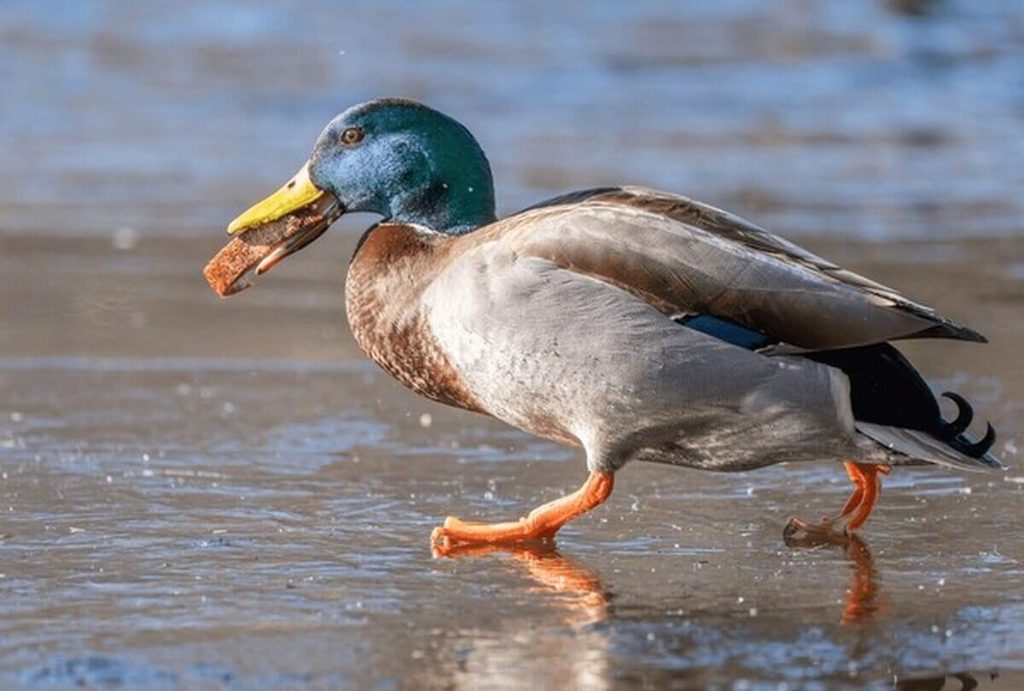
Wild ducks are seen as effective foragers, often requiring a diet rich in proteins and fats that can be found in their natural habitats. The duck diet in the wild varies greatly depending on the species and their respective environments. For example, dabbling ducks such as Mallards and Teals prefer shallow water areas where they can find a variety of seeds and small aquatic invertebrates. Diving ducks, like the Scaup, frequent deeper waters where they dive for fish, roots, and tubers.

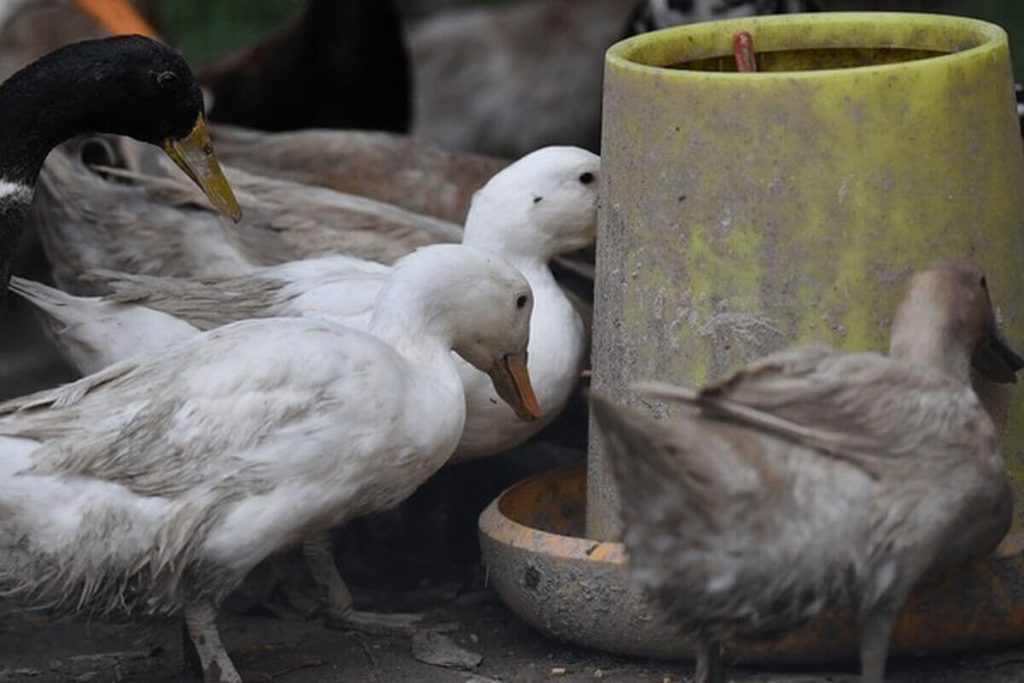
On the other hand, domestic ducks often enjoy a more controlled diet, which typically involves a mix of grains, greens, and protein supplements, tailored to ensure their health and productivity in a farm setting. Understanding what food do ducks prefer and the composition of a duck’s natural diet can significantly inform best feeding practices, especially for those raising ducks in domestic environments.

Wild Duck SpeciesPreferred Diet Components
American WigeonsAquatic plants, midges, beetles
Lesser ScaupClams, aquatic insects
Mallards and TealsSeeds, small invertebrates

In the U.S., the variety of duck species further exemplifies the diversity within ducks natural diet. From coastal areas to inland wetlands, the availability of food sources dictates the distribution and feeding behaviors of duck populations. For instance, Northern Pintails, which are present across much of North America, adjust their diets significantly during the breeding season to include more invertebrates, vital for egg production.

This variability in diet not only highlights the adaptability of ducks but also underscores the importance of preserving their natural habitats. Each ecosystem provides critical nutritional elements that ducks, whether migratory or resident, rely on for survival and reproduction. Thus, habitat conservation efforts remain vital in supporting the natural diets and sustainability of duck populations across the globe.

Natural Food Sources for Ducks

Ducks thrive on a diverse diet that ranges from aquatic vegetation to small aquatic animals and grains, which are essential for their overall health and nutrition. Understanding what do ducks eat naturally helps in maintaining the balance of ecosystems where they thrive and ensures they receive the necessary nutrients for growth and development.

Natural duck diets are incredibly varied, and different species of ducks have preferences depending on their natural habitats and physiological needs. For instance, Gadwalls and American Wigeons are inclined towards leafy portions of aquatic vegetation. In contrast, Canvasbacks and Redheads may dive deeper into water bodies for roots and tubers, showcasing a fascinating aspect of duck nutrition.

Aquatic Plants and Vegetation

  • Ducks feed on more than 25 different families of aquatic plants, including coontail, milfoil, and pondweed.
  • Some species like the Canvasbacks and Scaup are known for their heavy feeding on roots found underwater.
  • Leafier options such as widgeon grass and wild celery are preferred by species like Gadwalls and American Wigeons.

Insects and Small Aquatic Animals

Ducks often consume small aquatic creatures which are crucial for their protein intake. They eat a variety of organisms including:

  • Snails, slugs, and mollusks which are abundant in and around water bodies.
  • Small fish and fish eggs contribute to their diet, especially for diving ducks.
  • Amphibians and insects like beetles and flies are part of their daily intake.

Grains and Seeds Found in Nature

Seeds and grains form an essential part of a duck’s diet, especially those that grow around wetlands:

  • Ducks like mallards and pintails often feed on the seeds of millet and wild rice.
  • Wood ducks have a preference for acorns, specifically those from white oak species.
  • Millet not only self-seeds but also offers potential forage throughout multiple seasons, ensuring a stable food source.

Each of these natural food sources plays a pivotal role in the diet of ducks, defining their health and survival in the wild. Thus, promoting and preserving these natural habitats is crucial for sustaining healthy duck populations and ensuring they continue to thrive in their natural environments.

Natural Duck Diets

Seasonal Variation in Duck Diets

Understanding the dietary habits of ducks during different seasons is crucial to appreciating their adaptive behaviors in the wild. Seasonal duck feeding behavior significantly influences the availability of wild duck food, affecting their nutrition and survival strategies.

During the warmer months of spring and summer, ducks’ diets are ricocheted towards higher protein intake. This seasonal shift is primarily to support egg production and the growth of ducklings, which are critical for the continuation of their species. Ducks increase their consumption of insects, small fish, and invertebrates, which are plentiful during this period.

As the seasons turn to autumn and winter, ducks adjust their feeding strategy to include more carbohydrates. They start consuming more seeds and grains available in their habitat. This change helps them in building up fat reserves which provide the essential energy to endure the colder weather. Seasonal availability of different types of wild duck food plays a pivotal role in how these birds manage their energy requirements throughout the year.

SeasonMain Food Sources% of Diet Composition
Spring/SummerInsects, Small Fish50-70%
Autumn/WinterSeeds, Grains60-80%
Year-RoundAquatic Plants, Small CrustaceansVaries

This table illustrates how the dietary preferences of ducks evolve with the seasons, reflecting a survival mechanism that has been honed over millennia. By changing their dietary intake according to the seasonal availability of food sources, ducks not only manage their nutritional intake efficiently but also impact the ecosystems they inhabit.

Particularly for wild species, understanding and supporting their natural feeding habits can significantly contribute to conservation efforts, ensuring that these birds continue to thrive in their natural environments without the need for human intervention in their dietary habits.

How Ducks Forage for Food

Duck foraging habits reflect their remarkable adaptability and specialization in feeding behavior, crucial for their survival and reproductive success. Understanding these behaviors offers insights into the ecological roles of ducks and guides effective conservation practices.

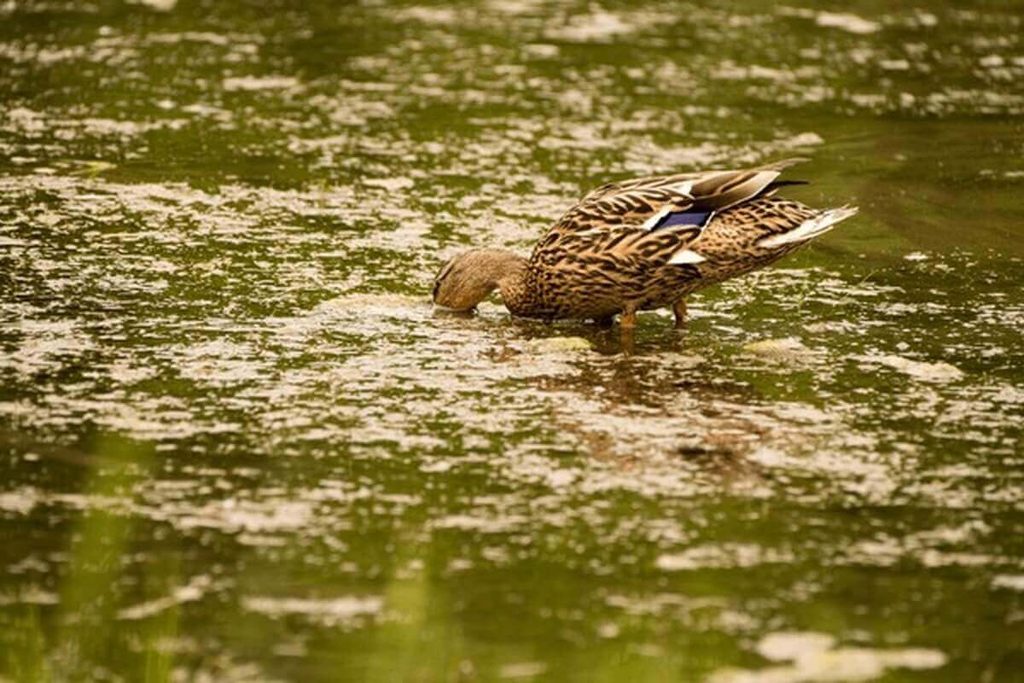
Dabbling ducks are known for their distinctive feeding strategies, where they tip forward into the water to reach aquatic vegetation and small creatures. This method, known as ‘tipping up’ or ‘dabbling,’ allows them to access food sources that are unavailable to other birds. The ease and efficiency of this technique illustrate their adaptation to rich, shallow water environments where such food sources are abundant.

Conversely, diving ducks have evolved to forage deeper waters where they dive to considerable depths to hunt for fish, snag aquatic plants, and sift through mud to find food. Their body structure is heavier and more streamlined, enabling them to dive and swim underwater, an ability that dabbling ducks do not possess. This behavioral specialization helps diving ducks exploit different ecological niches compared to their dabbling counterparts, reducing competition for resources.

Both types of duck feeding behavior, whether dabbling or diving, are shaped by the seasonal availability of food and the energetic demands of their lifecycle stages, such as breeding and molting. For instance, during the breeding season, ducks intensify their consumption of protein-rich aquatic invertebrates, which supports egg production and the growth of new feathers.

SeasonDabbling DucksDiving Ducks
Spring & SummerInvertebrates for proteinFish and deep-water plants
Fall & WinterSeeds and plants for energyDeep water invertebrates and fish

Duck foraging habits not only highlight their adaptive feeding behavior but also underline the need for conserving diverse aquatic habitats that support various food resources. As foragers, these waterfowl contribute significantly to the health of aquatic ecosystems, influencing both plant distribution and the availability of smaller aquatic organisms.

Health Benefits of a Natural Diet for Ducks

The importance of duck nutrition cannot be overstated, especially when considering the health benefits of natural duck diets. Understanding and implementing a diet that closely mimics what ducks would eat in their natural habitat plays a pivotal role in their physical and physiological health.

Ensuring that ducks receive a balanced diet rich in necessary nutrients contributes substantially to robust growth and development. For instance, adult ducks need about 1,300 calories daily from a diet that is 16% protein, while the specific nutritional needs like 1% linoleic acid and essential amino acids such as lysine, arginine, methionine, and cystine are critical for their overall wellbeing.

Moreover, natural duck diets help in building a strong immune system, significantly enhancing the ducks’ resistance to diseases. Elements such as niacin are particularly important, with ducks requiring substantially more niacin than chickens. This is crucial in preventing conditions related to deficiencies such as poor feather growth and reproduction issues.

Calcium is another essential nutrient that dramatically varies in requirement depending on whether the duck is actively laying eggs or not. Proper calcium levels support not only bone density but also the health of eggshells, an area where deficiencies can be visibly noticed. Dietary phosphorus works alongside calcium, both of which are better absorbed when included as part of a natural diet rather than supplemented artificially.

Adopting a feeding regime that includes natural foods such as insects, seeds, and aquatic plants not only fulfills these specific nutritional needs but also mitigates the risks linked with commercially processed feeds, which can sometimes lead to nutritional imbalances or health issues like liver and kidney damage due to contaminants like mycotoxins.

Lastly, integrating natural feeding habits promotes not just physical health but also psychological satisfaction, keeping the ducks engaged with their environment and ensuring their life closely mirrors that of their wild counterparts. This holistic approach to duck nutrition fosters a thriving life for ducks in captive or domestic settings.

Common Misconceptions About Duck Feeding

Despite common beliefs, what do ducks eat naturally varies significantly from the typical bread crumbs tossed at local ponds. Clarifying these misconceptions about duck feeding is crucial for improving their diet and health.

Myths About Bread Consumption

Many people believe that feeding ducks bread is harmless, but the reality is quite contrary. Bread, especially in large quantities, can cause serious nutritional deficits in ducks. Bread is essentially junk food for these birds; it’s low in essential nutrients that ducks require to stay healthy. The problems such as malnutrition, particularly in vulnerable ducklings, obesity, and even a devastating condition known as Angel Wing, where the wing joints develop improperly, are frequent outcomes. Moreover, leftover bread in water bodies contributes to pollution and diseases, exacerbating the crowded conditions at feeding sites.

The Dangers of Processed Foods

Feeding ducks processed foods like crisps or popcorn is another widespread mistake. Such foods can lead to digestive problems and other health issues. Ducks need a balanced diet comprising safe items like leafy greens, corn, and whole grains—foods that mimic what do ducks eat naturally in the wild. Here’s a comparative look at healthy and harmful feeding choices for ducks:

Healthy ChoicesHarmful Choices
Chopped lettuceBread
Thawed frozen peasCrisps
Sliced grapesCookies
Uncooked oatmealProcessed meats
Cooked ricePopcorn

Enhancing public understanding of what constitutes appropriate food for ducks is vital to ensure their health and well-being, reflecting the essential diet they naturally seek in their habitats. By avoiding these common feeding errors, we can better respect and preserve these wonderful creatures.

Managing Duck Diets in Domestic Settings

In domestic environments, managing the diet of ducks is crucial for their health and well-being. Understanding what food do ducks prefer and ensuring their meals are aligned with their natural dietary patterns not only optimizes their health but also mimics their wild foraging habits. This strategy involves integrating both commercial feeds and the ducks’ natural diet.

Best Practices for Feeding Pet Ducks

  • Start by offering a variety of grains like oats, wheat, and barley which are more aligned with a duck’s natural diet, rather than processed foods or those low in nutrition, such as bread or cornflakes.
  • Ensure they have continuous access to fresh water for digestion and health. Ducks are avid drinkers and require water to consume their food properly.
  • Introduce greens like lettuce, kale, and duckweed, which provide necessary vitamins and mimic the greens they would find in nature.
  • For protein, small amounts of mealworms or chopped hard-boiled eggs can be beneficial, especially for younger ducks growing their feathers.

Supplementing Natural Diets with Commercial Foods

  • Commercial duck feeds that meet varied nutritional needs should constitute a significant portion of a domestic duck’s diet. These feeds generally include the necessary proteins, vitamins, and minerals for different stages of duck development.
  • Supplementing with items high in calcium like oyster shells can help improve bone strength and bolster eggshell formation in laying ducks.
  • Avoid supplements that contain high levels of sugar, salt, or artificial additives to prevent health complications.
  • Adjust the quantity of food based on the duck’s activity level and environmental conditions, with more nutrients required during colder periods.

Considering these dietary practices not only enforces a natural lifestyle for domestic ducks but also ensures that their nutritional needs are met healthily and sustainably. By focusing on duck nutrition and respecting what food do ducks prefer, owners can support their ducks in leading a fruitful and energetic life.

The Environmental Impact of Duck Feeding

When considering the spectrum of environmental impact intertwined with practices of feeding ducks, it is crucial to recognize both the immediate and extended consequences on local ecosystems. Feeding ducks bread and similar unsuitable foods not only distorts their natural diet but also results in profound ecological imbalance, including water pollution due to uneaten food and over-concentration of nutrients.

Such actions can lead to overcrowding, where local wildlife competes for sparse resources resulting in poor health and aggression among duck populations. Waterways often suffer under the strain of increased fecal matter and left-over food, escalating the proliferation of harmful algae and reducing water quality, which further threatens aquatic and bordering terrestrial life.

sustainable duck feeding practices

Adopting sustainable duck feeding practices plays a pivotal role in mitigating these issues, promoting a healthier and more balanced ecosystem. Initiatives that involve feeding natural diets contribute significantly to wildlife health, allowing ducks to display natural foraging behaviors thus retaining the ecosystem’s balance.

  • Offering grains like rice and corn in moderation.
  • Providing cut-up seedless grapes, cooked potatoes, or peas as nourishing alternative snacks.
  • Ensuring the clean-up of uneaten food to prevent attracting pests such as rats and to curb the growth of mould.

Furthermore, educational programs that inform the public about the environmental impact of duck feeding and responsible feeding habits can dramatically increase public awareness and foster community involvement in conservation efforts.

The overall sustainability of our engagement with wildlife, specifically regarding feeding practices, entails a robust dialogue between awareness, action, and long-term commitment to respecting and preserving natural dietary habits of ducks and their habitats.

Conclusion: Embracing Natural Feeding for Ducks

As we’ve explored the various aspects of what ducks eat naturally, the overarching message is clear: the benefits of natural duck diets are profound not only for the health of the ducks but also for the ecosystem. Integrating our understanding of duck foraging habits into how we manage and interact with these birds leads to a multitude of positive outcomes. From boosting their vitality to sustaining biodiversity, natural feeding practices ensure that ducks thrive in a manner that is both beneficial and sustainable.

The Benefits of Encouraging Natural Behaviors

Emphasizing natural diets tackles issues related to poor nutrition and environmental damage. For instance, while the soft quacks of ducklings may beckon us to provide them with a piece of bread, doing so can be detrimental. Bread lacks critical nutrients such as niacin and riboflavin, vital for duckling growth, and suggested to be supplemented at 55 mg per kg and 4 mg per kg of feed respectively. Moreover, the shift from processed external foods to encouraging ducks to engage in their instinctive foraging behaviors supports not only their health but also the health of our waterways, where excess bread can lead to harmful bacteria and algae proliferation.

Final Thoughts on Duck Nutrition

While ducks‘ rapid digestion demands access to food at least three times daily, the composition of their diet plays a crucial role in their well-being. Protein levels must be carefully managed to prevent disorders such as Angel Wing, starting with a high-protein intake of 22% for the first few weeks, then transitioning to a 17-19% protein grower feed. Offering a variety of foods such as sweetcorn, lettuce, peas, and oats not only aligns with their nutritional requirements but also protects ducks against nutritional imbalances. Environmental consciousness is exemplified by products like QuackSnacks, which provide balanced diets without the environmental cost of non-sustainable packaging. In conclusion, when we prioritize what ducks eat naturally, we foster a harmonious balance between the needs of the wildlife and the health of our environment—a goal worth striving for in our continuous interaction with the natural world.