

Yes, birds can drink tap water. It is generally safe for them, but some precautions are advisable.
Birds need clean water to stay healthy. Tap water is usually safe for most birds, but it’s essential to ensure the water is free from contaminants like chlorine and heavy metals. Using a water filter or letting the water sit for a few hours can help remove these substances.
Providing fresh water daily is crucial for their well-being. Some birds may be more sensitive to water quality, so always monitor their health. Clean and safe water supports their hydration, digestion, and overall health, making it a key part of bird care.

Credit: www.arkwildlife.co.uk
Birds And Tap Water
Many bird owners wonder if their feathered friends can drink tap water. Understanding what is safe and healthy for birds is crucial. This section covers important aspects of birds and tap water.
Common Water Sources
Birds in the wild drink from various sources. These include:
- Rivers
- Lakes
- Ponds
- Rain puddles
- Dew on leaves
Domesticated birds rely on their owners for clean water. Tap water is a common choice for many bird owners.
Bird Hydration Needs
Birds need clean and fresh water every day. Their small bodies dehydrate quickly. Lack of water can lead to health issues.
Birds also use water for bathing. This helps keep their feathers clean and healthy. Always ensure there is enough water for both drinking and bathing.
| Water Source | Benefits | Risks |
|---|---|---|
| Tap Water | Easy access | Possible contaminants |
| Bottled Water | Filtered and clean | Costly |
| Filtered Tap Water | Reduced contaminants | Requires filter maintenance |
To ensure your bird’s health, consider these water sources and their pros and cons.
Composition Of Tap Water
Understanding the composition of tap water is important for bird owners. This section will help you learn what tap water contains.
Minerals And Chemicals
Tap water often contains several essential minerals and chemicals. These include:
- Calcium
- Magnesium
- Potassium
These minerals are necessary for maintaining your bird’s health. They support bone strength and muscle function.
Tap water also has added chemicals to ensure safety. The most common ones are:
- Chlorine
- Fluoride
Chlorine kills harmful bacteria, while fluoride helps in preventing tooth decay.
Potential Contaminants
Tap water may also contain potential contaminants. These can be harmful to birds. Common contaminants include:
- Lead
- Mercury
- Pesticides
Old pipes can release lead into the water. Industrial waste can introduce mercury.
Agricultural run-off can carry pesticides. These contaminants may affect your bird’s health.
Below is a table summarizing the key components and potential contaminants in tap water:
| Component | Description | Impact on Birds |
|---|---|---|
| Calcium | Essential mineral | Supports bone strength |
| Chlorine | Water disinfectant | Kills harmful bacteria |
| Lead | Heavy metal contaminant | May cause poisoning |
Knowing the composition of tap water helps you provide safe water for your birds.
Health Impacts
Bird owners often wonder about the safety of tap water for their pets. Tap water can contain chemicals and pollutants that may affect bird health. Understanding the health impacts can help you make better water choices for your feathered friends.
Short-term Effects
Short-term effects of tap water on birds can include minor health issues. These may appear quickly after consumption. Some common short-term effects include:
- Diarrhea: Birds may suffer from loose stools.
- Stomach Upset: Tap water can cause digestive discomfort.
- Reduced Appetite: Birds might eat less if they feel unwell.
These issues stem from chlorine and chloramines in tap water. These chemicals can irritate a bird’s digestive system.
Long-term Risks
Long-term consumption of tap water can pose more serious risks. The effects may not be visible immediately but can cause lasting damage. Some long-term risks include:
| Risk | Description |
|---|---|
| Kidney Damage | High levels of minerals can strain the kidneys. |
| Liver Issues | Contaminants can accumulate in the liver over time. |
| Weakened Immune System | Long-term exposure to pollutants weakens immunity. |
These long-term risks emphasize the importance of providing clean water for birds. Consider using a water filter to reduce harmful substances.
Bird Species Sensitivity
Birds have varying levels of sensitivity to water quality. Some species tolerate tap water, while others need purified sources. Understanding the sensitivity of different bird species helps ensure their health and well-being.
Common Pet Birds
Common pet birds like budgies and canaries are more sensitive to water impurities. Tap water can contain chlorine, lead, and other contaminants. These elements can harm these small birds.
Budgerigars: Also known as budgies, these birds are popular pets. They require clean, filtered water. Tap water with chlorine can irritate their delicate systems.
Canaries: These tiny birds have a high sensitivity to toxins. It’s best to give them purified water. This ensures they stay healthy and active.
Parrots: Larger birds like parrots also need clean water. While they are less sensitive than smaller birds, filtered water is still preferable.
Wild Birds
Wild birds encounter various water sources in nature. Their bodies adapt to different water qualities. Still, urban wild birds may drink from contaminated sources.
Sparrows: These birds often drink from puddles and streams. They have a moderate tolerance to impurities. Tap water is usually safe for them, but filtered water is better.
Pigeons: Common in cities, pigeons are exposed to polluted water. They have a higher tolerance but still benefit from clean water. Providing filtered water can improve their health.
Robins: These birds drink from natural sources. They are less exposed to pollutants. Tap water is generally safe for them, but filtered water is a healthier choice.
Providing clean, filtered water ensures bird health. Whether pets or wild birds, clean water makes a big difference.
Alternatives To Tap Water
Choosing the right water for your birds is important. Tap water may not always be the best choice. There are good alternatives to ensure your feathered friends stay healthy and hydrated.
Filtered Water
Filtered water is a great option for birds. It removes harmful chemicals and contaminants. Using a good water filter can make a big difference. You can find various filters in stores or online. Look for ones that remove chlorine and heavy metals.
Using filtered water ensures your birds get clean water. It is easy to set up a filter at home. This water tastes better and is safer for your birds. Make sure you change the filter regularly for the best results.
Bottled Water
Bottled water is another safe option for birds. It is usually free from harmful substances. You can buy it in many stores. Check the label to ensure it is safe for birds.
Spring water is a good choice. It has natural minerals that are healthy for birds. Avoid flavored or mineral-heavy bottled water. These can be harmful to your pets.
Using bottled water is convenient. You can easily store it and use it as needed. This ensures your birds always have access to clean, safe water.
Safe Practices
Providing safe drinking water for birds is crucial for their health. Tap water is convenient but might contain impurities. Follow these safe practices to ensure your birds stay healthy and hydrated.
Water Testing
Before offering tap water to birds, it’s important to test it. You can use a water testing kit, available at pet stores or online. Testing ensures the water is free from harmful chemicals like chlorine and heavy metals.
Refer to the table below for common contaminants and their acceptable levels:
| Contaminant | Acceptable Level |
|---|---|
| Chlorine | 0.1-0.3 ppm |
| Lead | 0 ppm |
| Nitrate | 10 ppm |
If the water exceeds these levels, consider using a water filter. Filters can remove many contaminants, making tap water safer for birds.
Regular Cleaning
Cleaning the water container is vital. Dirty water can breed bacteria, which can harm birds. Follow these steps for regular cleaning:
- Empty the water container daily.
- Wash it with hot, soapy water.
- Rinse thoroughly to remove soap residue.
- Refill with fresh, clean water.
Use a scrub brush to reach all areas of the container. Cleaning prevents algae growth and keeps water fresh. Clean the container at least once a week, even if it looks clean.
To make cleaning easier, choose a water container with a wide mouth. This allows for better scrubbing and rinsing.
Following these safe practices ensures your birds have clean, safe drinking water. Regular testing and cleaning are key to maintaining their health.
Expert Opinions
Can birds drink tap water? This question often concerns bird owners. We consulted experts to provide clarity. Below are insights from veterinarians and ornithologists.
Veterinarian Insights
Veterinarians have mixed opinions on tap water for birds. Some vets say it’s safe. They recommend using filtered tap water. Filtered water removes harmful chemicals.
Others suggest avoiding tap water. They worry about chlorine and heavy metals. These substances can harm birds. Boiling water can remove some contaminants. But it does not remove heavy metals.
Here is a summary from a vet study:
| Water Type | Safety for Birds |
|---|---|
| Filtered Tap Water | Generally Safe |
| Boiled Tap Water | Safe from Bacteria |
| Direct Tap Water | Potentially Harmful |
Ornithologist Views
Ornithologists study bird behavior and habitats. They provide valuable insights. Many say wild birds drink from natural sources. These sources include rivers and ponds.
Ornithologists suggest using distilled or spring water. These types are free from chemicals. They mimic birds‘ natural drinking sources.
Some key points from ornithologists:
- Distilled Water: Safe and pure for birds.
- Spring Water: Natural and free from additives.
- Avoid Tap Water: Potential for harmful chemicals.
Providing clean water ensures bird health. Always consider expert advice. Your birds’ well-being depends on it.
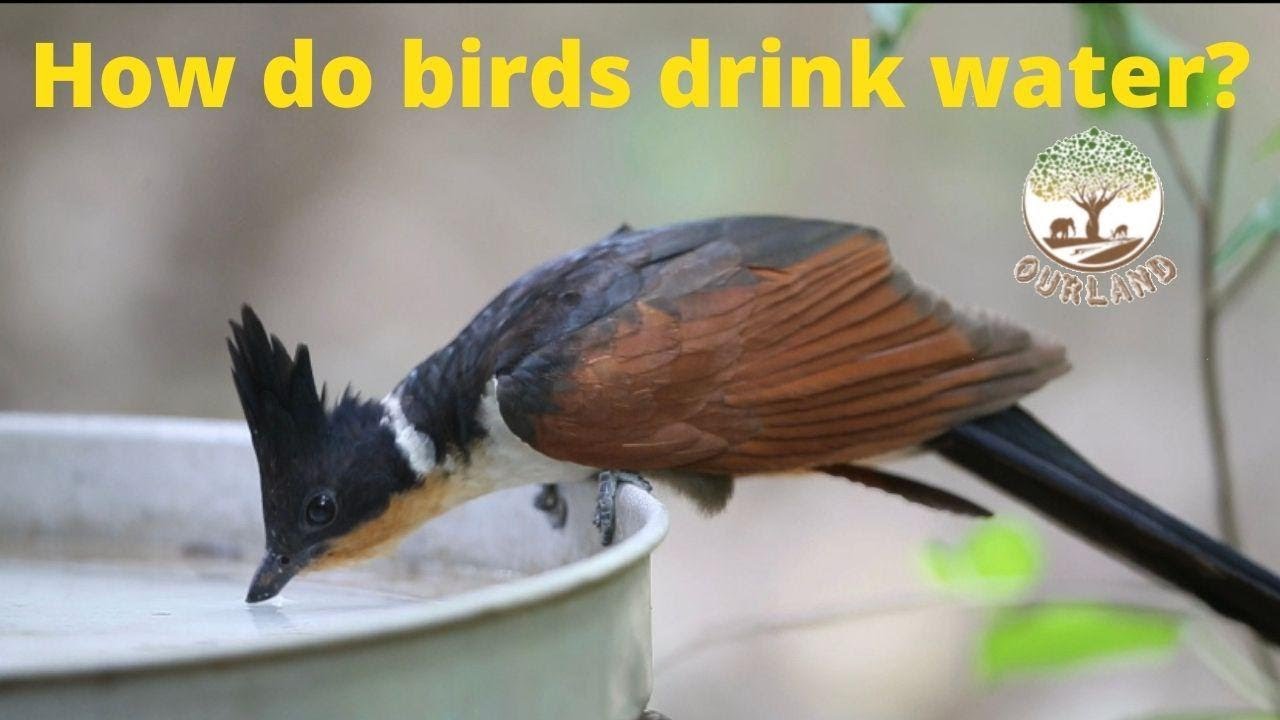
Credit: m.youtube.com
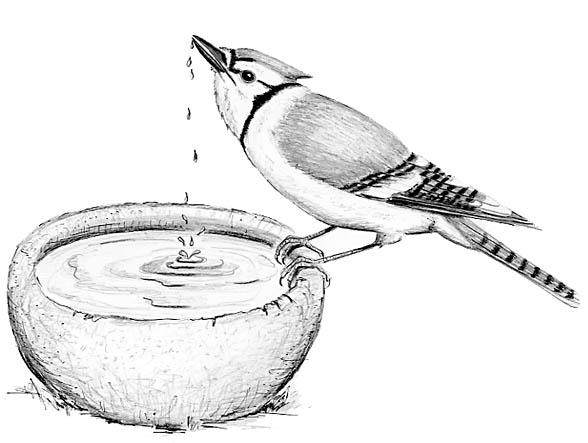
Credit: www.birdwatchersgeneralstore.com
Frequently Asked Questions
What Kind Of Water Can Birds Drink?
Birds can drink fresh, clean water. Avoid giving them chlorinated or polluted water. Filtered or rainwater is ideal.
Is Tap Water Okay For Wild Birds?
Yes, tap water is generally safe for wild birds. Ensure it’s clean, fresh, and free of harmful chemicals.
Can Birds Drink Regular Water?
Yes, birds can drink regular water. Ensure the water is clean and fresh to keep them healthy. Avoid giving them contaminated water.
Can I Give My Bird Bottled Water?
Yes, you can give your bird bottled water. Ensure it’s free from additives and contaminants. Many bird owners prefer bottled water for its purity.
Conclusion
Ensuring clean water for your feathered friends is crucial. Tap water is generally safe for birds. Always verify local water quality and avoid contaminants. Using filtered or distilled water is a good alternative. Keeping your bird hydrated with safe water promotes their health and well-being.
Your feathered companion deserves the best care.