
Yes, wild turkeys eat corn. Corn is a favorite food source for wild turkeys.
Wild turkeys have a diverse diet that includes various seeds, insects, and plants. Corn is particularly attractive to them due to its high carbohydrate content, which provides essential energy. Farmers often use corn to attract and manage wild turkey populations.
Understanding their dietary preferences can help in effective wildlife management and conservation efforts. Besides corn, wild turkeys consume acorns, berries, and small invertebrates. These varied food sources ensure they get a balanced diet. Observing wild turkey feeding habits can offer insights into their behavior and habitat needs. This knowledge is vital for maintaining healthy wild turkey populations.

Credit: edsworld.wordpress.com
Introduction To Wild Turkeys
Wild turkeys are fascinating birds. They are often seen in North America. These birds have unique features and behaviors. Understanding them can be quite interesting. Let’s dive into the world of wild turkeys.
Brief History
Wild turkeys have been around for millions of years. They were first domesticated by Native Americans. They played an important role in the culture and diet. European settlers found them in abundance. Turkeys were even part of the first Thanksgiving feast.
Habitat And Distribution
Wild turkeys thrive in diverse habitats. They prefer forests, grasslands, and wetlands. You can find them across North America. They are especially common in the United States. They adapt well to different environments. This helps them survive and flourish.
| Region | Preferred Habitat |
|---|---|
| Eastern United States | Deciduous forests |
| Western United States | Open woodlands |
| Southern United States | Pine forests |
Wild turkeys are social birds. They often live in groups. These groups are called flocks. Flocks can have many members. They travel together for safety and food.
Wild turkeys eat a variety of foods. Their diet includes insects, berries, and seeds. Corn is also a favorite food for them. They forage for food on the ground. Their keen eyesight helps them find food easily.
- Insects
- Berries
- Seeds
- Grass
- Corn
Wild turkeys are an important part of the ecosystem. They help control insect populations. They also spread seeds, which helps plants grow. Understanding their habits can help us protect them.
Natural Diet Of Wild Turkeys
Wild turkeys have a varied diet. Their food choices change with the seasons. They eat what nature offers them, adapting to what’s available.
Seasonal Variations
Wild turkeys change their diet throughout the year. In spring, they eat insects and young plants. Summer brings more berries and seeds. Autumn offers nuts and grains. Winter is the toughest. They rely on whatever they can find, including corn.
Common Food Sources
Wild turkeys eat a wide range of foods. Here are some common food sources:
- Insects: Grasshoppers, beetles, and caterpillars.
- Plants: Young leaves, grasses, and ferns.
- Berries: Blackberries, blueberries, and raspberries.
- Seeds: Sunflower seeds, acorns, and chestnuts.
- Grains: Corn, wheat, and barley.
Wild turkeys are opportunistic feeders. They eat what they can find in their habitat.
Role Of Corn In Their Diet
Wild turkeys are omnivores. They eat a variety of foods. Corn plays a significant role in their diet. It provides essential nutrients and energy. Let’s explore the availability and nutritional value of corn for wild turkeys.
Availability Of Corn
Corn is widely available in many regions. Farmers grow it in large fields. Wild turkeys find it easily, especially during harvest season. Cornfields offer a steady food source for these birds. They often forage in these fields, picking up leftover kernels.
Nutritional Value
Corn is rich in carbohydrates. It provides quick energy to wild turkeys. It also contains some protein, which helps in muscle growth. Here’s a table summarizing the key nutrients in corn:
| Nutrient | Amount per 100g |
|---|---|
| Carbohydrates | 19g |
| Protein | 3.2g |
| Fat | 1.5g |
| Fiber | 2.7g |
Wild turkeys also benefit from the fiber in corn. It aids in digestion and keeps their gut healthy. The small amount of fat in corn provides essential fatty acids. These are important for their overall health.
In summary, corn is an important part of a wild turkey’s diet. It is readily available and provides vital nutrients. This makes it a preferred food source for these birds.
Behavioral Patterns
Understanding the behavioral patterns of wild turkeys helps in knowing their food preferences. Wild turkeys exhibit specific behaviors that influence their diet, including their consumption of corn.
Foraging Habits
Wild turkeys have unique foraging habits that determine how they find food. They usually forage on the ground, scratching the soil and leaves to uncover food. Their diet includes seeds, insects, and sometimes small animals.
Turkeys often eat corn when they find it. They prefer loose corn kernels over whole cobs. Farmers sometimes spread corn in fields, attracting wild turkeys to forage there.
Feeding Times
Wild turkeys follow specific feeding times during the day. They are most active during the early morning and late afternoon. These times are crucial for their survival and energy needs.
During these feeding times, turkeys search for corn and other food sources. They need to eat frequently to maintain their energy levels. Understanding these patterns can help in managing turkey populations and conserving their habitats.
Impact Of Human Activity
Wild turkeys are a common sight in various landscapes. Human activities greatly affect their behavior and diet. Understanding how humans influence these birds helps us protect them better.
Agricultural Influence
Farming practices impact wild turkey diets significantly. Cornfields attract turkeys because corn is a favorite food. Farmers often leave residual corn in fields after harvest. This leftover corn provides a valuable food source for turkeys.
| Activity | Impact on Turkeys |
|---|---|
| Harvesting Corn | Leaves leftover corn for turkeys to eat. |
| Using Pesticides | May reduce other food sources for turkeys. |
| Clearing Fields | Destroys habitats and reduces food availability. |
Farmers can help turkeys by practicing sustainable farming. This includes reducing pesticide use and leaving some crops unharvested.
Urban Encroachment
Urban areas are expanding into natural habitats. This urban encroachment forces turkeys to adapt. They often find food in suburban gardens and parks. Urban sprawl reduces their natural food sources.
- Gardens: Provide vegetables and plants turkeys can eat.
- Parks: Offer space and some natural foods.
- Suburbs: Often have bird feeders with corn and seeds.
People living in urban areas can help. They should avoid using harmful chemicals in their gardens. Planting native plants can also provide food for turkeys.

Credit: www.youtube.com
Comparing Wild And Domestic Turkeys
Turkeys are fascinating creatures with distinct behaviors and diets. Understanding the differences between wild and domestic turkeys can be intriguing, especially regarding their eating habits. Let’s explore how these birds differ in their preferences and environmental adaptations.
Dietary Differences
Wild turkeys have a varied diet. They eat seeds, insects, berries, and small animals. Corn is a favorite, but they eat it seasonally. Their diet changes with the availability of food.
On the other hand, domestic turkeys have a controlled diet. They primarily eat corn and soybean meal. Farmers provide a balanced diet to ensure their health and growth.
| Wild Turkeys | Domestic Turkeys |
|---|---|
| Seeds | Corn |
| Insects | Soybean meal |
| Berries | Commercial feed |
| Small animals | Supplements |
Environmental Adaptations
Wild turkeys thrive in various environments. They adapt to forests, grasslands, and wetlands. These birds are excellent foragers. They can find food in diverse places.
In contrast, domestic turkeys live in controlled environments. Farmers raise them in barns or pens. They do not need to forage for food. Their living conditions are carefully managed for optimal growth.
- Wild Turkeys:
- Adapt to different habitats
- Forage for food
- Seasonal diet changes
- Domestic Turkeys:
- Live in controlled environments
- Do not forage
- Have a consistent diet
Understanding these differences helps in appreciating the unique qualities of both wild and domestic turkeys.
Conservation Efforts
Wild turkeys are fascinating birds. They play a vital role in our ecosystems. Conservation efforts are crucial to protect them. These efforts ensure they thrive in their natural habitats. This section delves into key conservation efforts for wild turkeys.
Protecting Natural Habitats
Preserving wild turkey habitats is essential. This includes forests, grasslands, and wetlands. These habitats provide food and shelter for turkeys. Corn is a significant part of their diet. It helps them survive harsh winters. Forest management practices are vital. They maintain a balanced ecosystem.
Here are some key actions:
- Planting native trees and shrubs
- Removing invasive species
- Protecting water sources
These actions ensure turkeys have a safe place to live. It also supports other wildlife. Conservationists work hard to maintain these habitats.
Sustainable Practices
Sustainable farming practices benefit wild turkeys. Farmers play a crucial role in conservation. They can plant corn and other crops that support wildlife. Crop rotation and cover crops improve soil health. This leads to better food sources for turkeys.
Farmers can adopt these practices:
- Planting diverse crops
- Using organic fertilizers
- Creating buffer zones around fields
These practices reduce soil erosion and chemical runoff. They create a healthier environment for turkeys. Sustainable practices ensure wild turkeys have ample food. It also helps maintain biodiversity.
By implementing these conservation efforts, we can protect wild turkeys. They are an important part of our natural world.
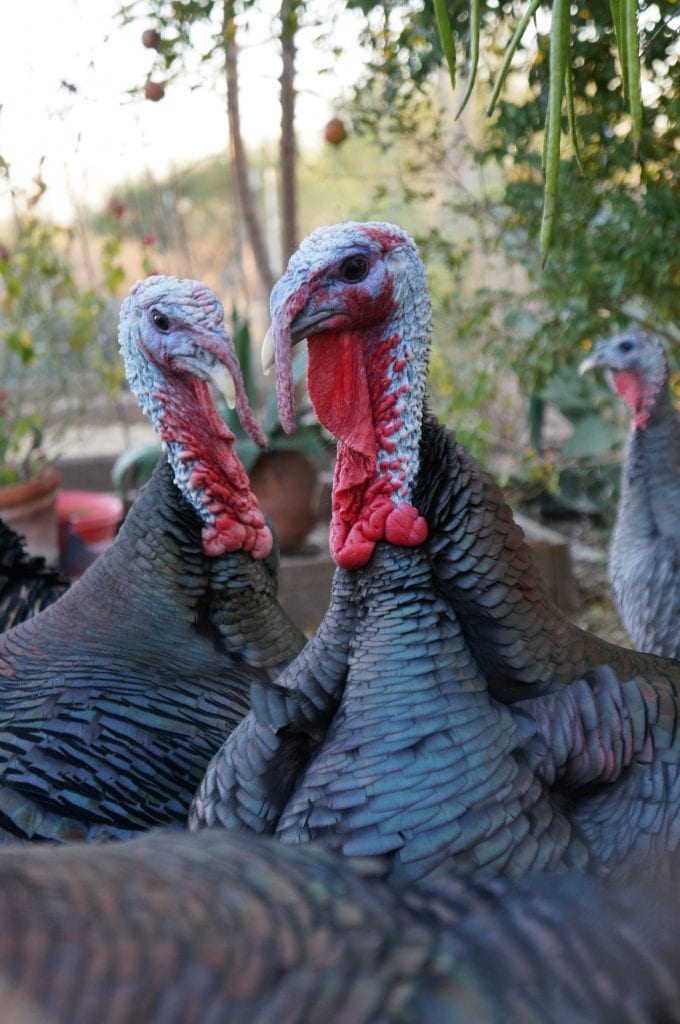
Credit: dailysfarmmarket.com
Frequently Asked Questions
Can Wild Turkeys Smell Corn?
Yes, wild turkeys can smell corn. They have a keen sense of smell, which helps them find food.
What Should You Not Feed A Wild Turkey?
Avoid feeding wild turkeys processed foods, bread, dairy, and salty snacks. Stick to natural foods like seeds and grains.
Can You Put Corn Out For Turkey Hunting?
No, it is illegal to use corn for turkey hunting in many states. Always check local regulations before hunting.
What Is The Best Grain For Wild Turkeys?
The best grain for wild turkeys is cracked corn. It’s nutritious and easy for turkeys to digest.
Conclusion
Wild turkeys enjoy eating corn as part of their diet. This nutritious grain provides essential energy and nutrients. Providing corn can attract these birds to your yard. Remember to offer it in moderation and ensure a balanced diet. Observing wild turkeys can be a delightful experience for nature enthusiasts.