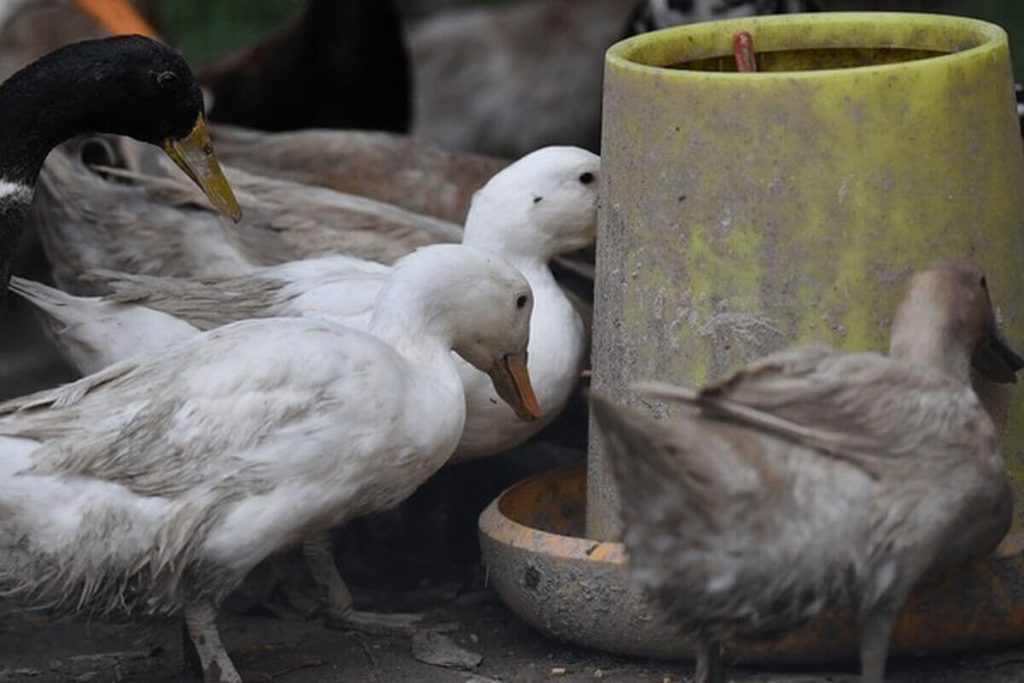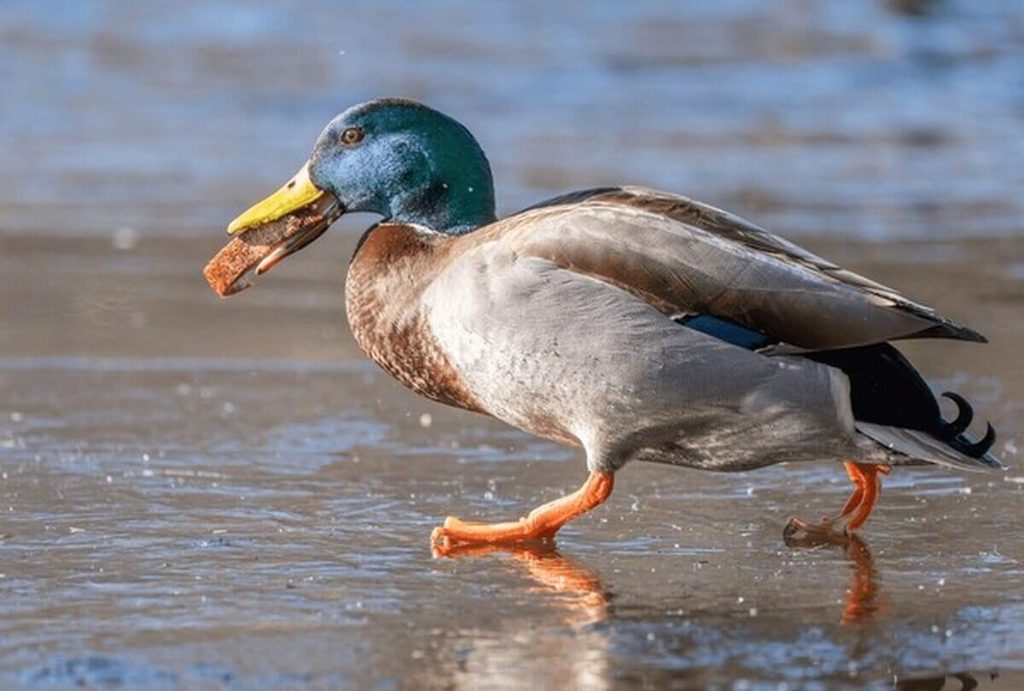
For avid bird enthusiasts and duck caretakers, the question often arises: can ducks eat grapes? The answer rests in the affirmative—grapes do indeed make a healthy addition to a duck’s diverse menu, replete with antioxidants, vitamins A, C, and K, as well as beneficial compounds that could even stave off serious diseases. However, it’s not just about handing over a bunch; safe feeding tips for ducks include ensuring the grapes are ripe, thus averting digestive discomforts like nausea or diarrhea.
Attention to detail is crucial when feeding ducks and grapes are no exception. Besides their ripeness, grapes should be sliced into smaller portions to avoid choking hazards—unfortunately, a very real risk that has cost some ducks their lives. These succulent fruits should also play a minor role in a duck’s diet, constituting no more than 10% of their nutritional intake to prevent issues associated with high sugar content—ailments all too familiar to humans, like diabetes and obesity.
From frolicking wild ducks to the carefully-tended domestics, incorporating grapes should be balanced with an assortment of other food items—oats, berries, melons, corn, lettuce, kale, along with natural grasses, ensuring a well-rounded spread in their feed. Ducks and grapes can indeed go hand-in-hand, provided it’s done with the wisdom of moderation and meticulous preparation, securing the well-being of these beloved waterfowl.

Understanding Ducks’ Dietary Needs
When considering what do ducks eat, grapes and other food items must be balanced within their broader dietary needs. Ducks are adaptable eaters with specific nutritional requirements that change throughout various stages of their life—Starter, Grower, and Breeder. Each stage has different protein and calcium needs, which are essential for their growth and development. Understanding these needs helps in providing a balanced diet that supports their health and prevents nutritional deficiencies.
Essential nutrients for ducks are not just confined to what they can forage; domesticated ducks especially rely on their feed for balanced nutrition. They require a diet that includes grains, greens, fruits, and sufficient protein and minerals to meet their dietary requirements. Protein content in their feed varies, with ducklings needing around 20-22%, growers 17-19%, and breeders about 16%. Furthermore, ducks require about 55 mg/kg of Niacin, significantly higher than what’s typically needed for chickens.
Essential Nutrients for Ducks
Proper growth and maintenance of health in ducks hinge on a diet rich in protein, vitamins, and minerals. Ducks, especially in their first 8 weeks (where they do 90% of their growing), need robust nutritional support to develop correctly. Incorporating sources of essential nutrients such as niacin, and ensuring they meet the calcium requirement critical for laying ducks, are foundational in their diet planning.
Importance of Variety in a Duck’s Diet
Variety in a duck’s diet is crucial. It ensures that ducks are not only getting the essential nutrients but are also enjoying their meals. Incorporating different grains, fruits like grapes, vegetables, and occasional treats such as duckweed, which is rich in protein, can diversify their nutrient intake and enhance their overall health. It is essential, however, to remember that while items like ducks diet grapes offer benefits, such treats should not exceed 10% of their daily intake to maintain nutritional balance and prevent reliance on any single food source.
This dietary approach not only facilitates optimal health but also mimics the natural feeding patterns of ducks in the wild, promoting both physical and behavioral wellness. Adding fresh greens can provide necessary vitamins like E and A, pivotal for immune health, while ensuring they have access to clean water aids in digestion and overall functionality.
Understanding and implementing these feeding principles are crucial in maintaining a healthy, vigorous flock that can thrive in various environments, whether on a farm or in a backyard setting.
Are Grapes Safe for Ducks to Eat?
The topic of feeding grapes to ducks has garnered attention among duck owners and enthusiasts, sparking a conversation about whether grapes are safe for ducks and their potential benefits and risks. In essence, grapes can be a nutritious addition to a duck’s diet if handled correctly.
Nutritional Benefits of Grapes
Grapes, as part of a balanced diet, contribute significantly to the health of ducks. These fruits are not only a source of hydration but also provide essential vitamins like Vitamin A for enhanced eyesight and bone strength, and B-vitamins such as thiamine and Vitamin B-6 that are crucial for electrolyte flow and protein metabolism. Even more, the antioxidant resveratrol in grapes may help prevent certain health issues, supporting longevity and vitality in ducks.
- Vitamins D and C from grapes assist in bone growth and egg-laying processes, respectively.
- Minerals such as calcium and potassium present in grapes support the muscle function and nerve health of ducks.
Risks of Feeding Grapes to Ducks
While the advantages of feeding grapes to ducks are significant, potential risks should not be overlooked. The primary concern involves their sugar content, which, if grapes are overfed, can lead to obesity or diabetic symptoms in ducks. Moderation is key with grapes making up no more than 10% of a duck’s diet. Moreover, the size and shape of grapes might pose a choking hazard, necessitating they be cut into smaller pieces suitable for ducks to consume safely.
- Overfeeding, leading to an imbalanced diet, may exacerbate health problems and interfere with nutrient assimilation.
- Preparation is crucial as whole grapes can cause choking; hence, slicing or mashing is recommended.
Concerning feeding practices, grapes should only be offered to ducks every other day with variations such as mashed or in a fruit salad intuitively spaced throughout the week to ensure a diversified diet and prevent dietary monotonies.
All in all, when considering whether grapes are safe for ducks, incorporating them as a part of a controlled and varied diet can yield positive outcomes, boosting both nutrition and environmental enrichment for ducks.
How to Properly Prepare Grapes for Ducks
Providing ducks with a safe and enjoyable treat involves adhering to certain preparation guidelines for feeding grapes. Before you begin, understanding these guidelines will ensure that your feathered friends benefit from this nutritious snack without any risks. Here’s how you can effectively prepare grapes for ducks.
Washing Grapes Before Feeding
The first step in the preparation of grapes is thorough washing. This is crucial to eliminate any pesticide residues or contaminants that might be on the surface of the grapes. Given that even organic grapes can harbor dust and natural residues, every grape should be thoroughly rinsed under cold water before proceeding to the next step.
Cutting Grapes into Smaller Pieces
After washing, the grapes should be cut into smaller pieces to prevent choking hazards. Ducks, especially younger or smaller ones, can easily choke on whole grapes. By slicing the grapes into halves or quarters, depending on their size, you help mitigate this risk substantially. This slicing makes the grapes a manageable size for ducks to eat safely and comfortably.

Properly prepared grapes can be a delightful treat for ducks, but remember, like all treats, they should not constitute more than 10% of a duck’s daily diet. This moderation is key in maintaining a balanced diet and preventing nutritional deficiencies. Feeding ducks grapes following these preparation guidelines not only enhances their feeding experience but also aligns with dietary recommendations that prioritize safety and health.
Recommended Serving Size of Grapes for Ducks
Feeding ducks grapes appropriately plays a significant role in maintaining their health and well-being. It is crucial to understand that grapes, while nutritious, should only be a small part of a duck’s diet. Serving ducks eating grapes should be done in moderation, to complement their regular diet of nutritionally balanced food items.
Given that ducks require a balanced diet consisting of proteins, vitamins, and minerals, grapes can serve as a healthy treat if administered correctly. The ideal serving suggestion is to offer only one or two small, seedless grape pieces at a time. This ensures that the grapes do not exceed 10% of their overall diet, maintaining a balanced intake of various nutrients necessary for their health.
- Frequency of Feeding Grapes: It is recommended to provide grapes to ducks on an occasional basis rather than as a daily food item. This helps prevent an excessive intake of sugar and maintains nutritional variety in their diet.
- Balancing Grapes with Other Foods: When feeding ducks grapes, ensure these are supplemented with other nutritious foods such as oats, lettuce, kale, and small amounts of grains like corn or barley. This variety helps fulfill different nutritional requirements, keeping the ducks healthy and active.
Incorporating these practices when feeding ducks grapes appropriately not only enhances their dietary satisfaction but also supports their overall health by preventing nutritional imbalances and obesity, common issues in captive and wild ducks alike.
Signs of Digestive Issues in Ducks
When incorporating grapes or any new food item into a duck’s diet, it is imperative to observe the bird closely for any signs of digestive issues. Ducks, which are omnivores, generally tolerate a variety of foods. However, abrupt changes to their diet, such as the introduction of grapes, can occasionally lead to digestive problems or allergic reactions. This is crucial in maintaining the balance between a nutritious diet and preventing digestive issues in ducks.
Recognizing the symptoms of digestive distress early can prevent further health complications. Some common signs include changes in the consistency or color of droppings, reduced appetite, and unusual behavior such as lethargy or irritability. These symptoms might suggest an intolerance to a new diet item, potentially requiring dietary adjustments.
Recognizing Symptoms of Overfeeding
Overfeeding, particularly with treats like grapes, can lead to significant health issues such as obesity and malnutrition in ducks. Symptoms of overfeeding include lethargy, obesity, and a noticeable decrease in normal foraging behavior. Ducks might also exhibit signs of nausea or diarrhea, which are clear indicators that their diet needs reassessment. It’s not just about reducing the amount; it’s also ensuring the ducks diet grapes in moderation, aligning with their natural dietary requirements.
When to Consult a Veterinarian
If symptoms of possible digestive issues in ducks persist, consulting a veterinarian becomes necessary. Professional advice is crucial, especially when there is uncertainty about the specific needs or health conditions of your duck. Vets can offer insights on dietary adjustments and provide treatments if they diagnose any health issues related to diet or otherwise. Regular check-ups can help ensure that your ducks thrive on a diet that includes a variety of foods, helping prevent any long-term health problems.
Ducks’ diets are as complex as their environments. While certain foods like grapes can provide variety and enjoyment, they can also cause digestive issues if not managed properly. Keeping an eye on the health of your ducks when making dietary changes is essential for their long-term wellbeing.
Other Fruits Ducks Can Enjoy
In addition to the traditional treats often considered when pondering what do ducks eat grapes, there are several other safe fruits for ducks that can enrich their diet. When diversifying the types of fruits fed to ducks, it’s vital to focus on those that contribute beneficially to their health while aligning with their dietary needs.
Safe fruits for ducks, ones that offer hydration, vitamins, and enjoyment, include sliced bananas, blueberries, and pieces of melon. Each of these items is not only safe but provides essential nutrients and variations that are beneficial for ducks. It’s crucial, however, to ensure all fruits are prepared properly—seeds and pits removed, and cut into suitable sizes to prevent choking.
- Blueberries and raspberries, favorites among many birds, are high in antioxidants.
- Watermelon and other melons are excellent for hydration and can be given after removing seeds and rinds.
- Bananas, rich in potassium, should be peeled and sliced to make them easy for ducks to eat.
While implementing these delightful treats into their diet, it remains crucial to maintain only 10-15% of their daily intake from such items, ensuring the primary focus is on a balanced diet.
Safe Fruits to Include in a Duck’s Diet
Understanding which fruits are safe for ducks is imperative to ensure their safety and health. Fruits like strawberries, pears, and even peaches (with pits removed) are excellent examples of safe fruits for ducks. Each grants various nutritional benefits such as vitamins, hydration, and fiber, which are important for a duck’s overall health.
It’s also beneficial to integrate these fruits into the diet sporadically to provide dietary variety, which can help prevent other health complications related to a monotonous diet.
Avoiding Common Toxic Fruits
Conversely, it is equally important to recognize which fruits should not be fed to ducks. Commonly unknown to many, fruits such as avocado and those with large pits or stones (like cherries and apricots) can be extremely harmful. Enclosed pits of these fruits contain cyanide, which is toxic to ducks and can lead to severe health issues or even fatality.

Therefore, when considering augmenting a duck’s diet with fresh treats, it’s paramount to omit any potentially hazardous options from their meals.
By respecting these dietary guidelines, we ensure that the ducks enjoy not only a varied and interesting diet but also a safe one. After all, the right diet can significantly enhance their quality of life, prevent disease, and support proper development. Diligence in feeding appropriate fruits, mindful preparation, and adherence to dietary recommendations will help maintain their optimal health.
Homemade Treats for Ducks
Creating homemade duck treats is not only a fun activity but also a healthier option compared to processed foods, ensuring that your ducks receive the nutrition they require. With a focus on sustainability and health, incorporating grapes for ducks into these treats can add both flavor and vital nutrients.
- Simple Fruit Salad: Combine halved grapes, banana slices, and a variety of berries in a large bowl. Top it off with some chopped lettuce or dandelion greens for extra nutrition.
- Grape and Pea Pops: Mix crushed grapes with peas and pour the blend into ice cube trays. Freeze them to create refreshing and nutritious popsicles that ducks can enjoy, especially on a hot day.
- Mashed Grape Slurry: Blend grapes into a smooth paste and mix it with finely chopped watermelon and cucumber for a juicy, hydrating treat.
These recipes not only offer significant health benefits but also enable you to utilize leftover fruits, reducing food waste in your household. Ducks accept a variety of fruits and vegetables, and these treats can contribute to their well-balanced diet.
Simple Fruit-Based Recipes
Integrating fruits into your duck’s diet is incredibly beneficial. Ducks can digest a range of fruits, and using things like berries, bananas, and particularly grapes for ducks can be very satisfying for them. These fruits not only satisfy their taste buds but are also packed with vitamins and minerals essential for their health.
Creative Ways to Use Grapes in Duck Treats
Using grapes imaginatively, such as in frozen treats or mixed feeders, can add enjoyment to the ducks’ dietary routine. Halving or mashing grapes ensures easy consumption and digestion, preventing any potential health risks while providing a delightful treat.
Overall, preparing homemade duck treats not only enhances the dietary variety for ducks but also ensures they are feeding on safe and nutritious options. Simple fruit-based recipes and creative uses of ingredients like grapes can significantly impact their overall health and happiness.
Seasonal Considerations for Duck Feeding
Feeding ducks requires attention to seasonal changes to ensure their diet supports their health throughout the year. During colder months, ducks need energy-rich foods to maintain body heat, making it essential to provide them with suitable nourishment that differs from their summer diet.
In warmer seasons, feeding ducks grapes seasonally can be particularly refreshing. Grapes, being high in water content, help in hydration and provide an enjoyable treat. However, it’s important to balance this with other nutritious foods to ensure a well-rounded diet.
Safe Feeding Practices in Different Seasons
- In winter, increase carbohydrates in their diet to help ducks maintain body heat, featuring foods like corn and specialized high-energy duck pellets.
- During spring and summer, introduce lighter foods such as lettuce, frozen peas, and particularly grapes in moderate amounts to keep them refreshed.
- In the autumn, prepare for the molting season by increasing protein intake to support feather regrowth, using foods like mealworms and specially formulated duck feeds.
Adjusting Treats for Temperature Changes
- On hot days, frozen grapes can provide a cooling treat, making the seasonal feeding for ducks not only nutritious but also a relief from the heat.
- During cold spells, warm cooked oatmeal or rice can offer comfort and necessary warmth to the ducks’ diet.
It’s also crucial to maintain the feeding ducks grapes seasonally in reasonable quantities to avoid overfeeding and ensure dietary balance. Each season poses different challenges and opportunities for feeding ducks responsibly and healthily.
Conclusion: Grapes as a Treat for Ducks
In retrospect, yes, ducks can indeed eat grapes, and there are several reasons to occasionally include this sweet fruit in their diet. With grapes’ rich content in vitamins A, C, and K, and beneficial antioxidants like resveratrol, they can contribute positively to maintaining ducks’ health with grapes. However, it’s vital to remember that grapes should be prepared safely—cut in half to avoid choking—and offered just 1-2 times per week to elude potential digestive issues stemming from their high sugar content.
Final Thoughts on Feeding Grapes to Ducks
While ducks can eat grapes and reap health benefits such as improved hydration courtesy of their high water content, and the supporting of healthy digestion due to dietary fiber, moderation is key. Overindulging can have adverse effects, such as diarrhea or high blood sugar levels. It is prudent to ensure that your ducks continue to enjoy a well-rounded diet constituted by a mix of grains, plants, insects, and a variety of safe fruits, keeping grapes as a delightful treat no more than 10% of their overall diet.
Encouraging a Healthy Diet for Your Ducks
Encouraging a healthy diet for your ducks means acknowledging the risks and benefits that come with each food item. Fresh, pesticide-free grapes should be considered, and feeding should be balanced with other nutritional needs—like the requisite calcium for egg-laying and sufficient vitamins to promote good eye health and robust feather quality. Always avoid foods known to be harmful to ducks, such as chocolate and onions, and prioritize a diverse diet that supports optimal health. As a historical fruit cultivated for thousands of years, grapes have a place in our pantry and, with careful consideration, in the diet of our feathered friends as well.