

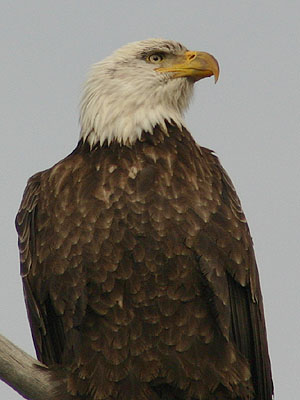
No, hawks do not have white heads. Bald eagles, which are often confused with hawks, have white heads.
Hawks are powerful birds of prey known for their sharp vision and hunting skills. They are commonly found across various continents, including North America, Europe, and Asia. These birds typically have brown or gray plumage, which helps them blend into their natural habitats.
The confusion between hawks and bald eagles often arises due to their similar size and predatory nature. Unlike hawks, bald eagles are distinguished by their striking white heads and tails. Understanding these differences can help birdwatchers and nature enthusiasts correctly identify these magnificent birds in the wild. Hawks play a vital role in maintaining ecological balance by controlling rodent populations.
Credit: www.surfbirds.com
Introduction To Hawks
Hawks are majestic birds known for their keen eyesight and hunting skills. They belong to the family Accipitridae and are found across the world. These birds are known for their sharp talons and curved beaks. They play a crucial role in the ecosystem by controlling rodent populations.
Birds Of Prey
Hawks are classified as birds of prey. This means they hunt and feed on other animals. Their diet mainly consists of small mammals, birds, and insects. They have excellent vision to spot prey from great distances.
These birds are powerful fliers and can soar at high altitudes. They use their strong wings and sharp talons to capture prey. Hawks are solitary hunters and often hunt alone. Their nesting habits are also fascinating, as they build large nests in tall trees or cliffs.
Varieties Of Hawks
There are several varieties of hawks found around the world. Each species has unique characteristics and habitats. Some common types include:
- Red-tailed Hawk: Known for its distinctive red tail feathers.
- Cooper’s Hawk: Smaller, agile, and often found in wooded areas.
- Northern Harrier: Recognizable by its white rump patch.
- Sharp-shinned Hawk: The smallest hawk in North America.
Each type of hawk has adapted to its environment. Their plumage varies, with some having white heads and others having brown or gray feathers. The red-tailed hawk, for instance, has a brown body with a red tail but does not have a white head.
| Hawk Type | Distinctive Feature | Habitat |
|---|---|---|
| Red-tailed Hawk | Red tail feathers | Open fields, deserts, forests |
| Cooper’s Hawk | Short, rounded wings | Wooded areas, suburban areas |
| Northern Harrier | White rump patch | Marshes, fields |
| Sharp-shinned Hawk | Small size | Forests, residential areas |
Understanding the different types of hawks helps in identifying them in the wild. Each species contributes uniquely to the environment. Their presence indicates a healthy ecosystem.
Physical Characteristics
Understanding the physical characteristics of hawks is crucial. It helps in identifying them in the wild. Hawks have various features that make them unique. This section breaks down these features into smaller parts.
Feather Coloration
Hawks exhibit a wide range of feather coloration. Most hawks have brown or gray feathers. Their feathers often have white spots. This helps them blend into their environment. Some hawks have white underbellies. This is especially true for young hawks.
Adult hawks can have different patterns. These patterns include streaks and bands. The color of a hawk’s feathers can change with age. A few hawks may have white heads, but this is rare.
Size And Build
Hawks vary in size and build. They are generally medium to large birds. The smallest hawk can be around 10 inches in length. The largest hawks can grow up to 26 inches. Most hawks have a wingspan of around 3 to 4 feet.
Hawks have strong, muscular bodies. This helps them catch prey easily. They also have sharp talons and beaks. These features make them efficient hunters. Their legs are strong and covered in feathers.
| Characteristic | Description |
|---|---|
| Feather Coloration | Brown, gray, with white spots or underbellies |
| Size | 10 to 26 inches in length |
| Wingspan | 3 to 4 feet |
| Build | Strong, muscular with sharp talons and beaks |
Common Misconceptions
Many people believe that hawks have white heads. This is a common misconception. Understanding these misconceptions helps identify birds accurately.
Mistaking Hawks For Other Birds
One major reason for this confusion is the bald eagle. Bald eagles have striking white heads. They are often mistaken for hawks. Bald eagles are larger and have different features.
Another bird often confused with hawks is the osprey. Ospreys have a white head and dark eye patches. They are also known as sea hawks, adding to the confusion.
| Bird | Head Color | Common Misconception |
|---|---|---|
| Bald Eagle | White | Often mistaken for a hawk |
| Osprey | White with dark patches | Also known as a sea hawk |
| Red-tailed Hawk | Brown | Never has a white head |
Color Variations
Hawks come in many colors. Their heads are usually brown, gray, or reddish. Color can vary based on species and age.
Juvenile hawks often have different colors than adults. For example, young red-tailed hawks have brown heads. As they mature, their colors change.
- Red-tailed hawks: Brown head, red tail
- Cooper’s hawks: Blue-gray head, reddish eyes
- Sharp-shinned hawks: Blue-gray head, orange eyes
Understanding these variations helps in bird identification. Always check multiple features, not just head color.
White-headed Birds Of Prey
Many birds of prey have white heads. These birds are majestic and powerful. Below, we explore two such birds: Bald Eagles and Ospreys.
Bald Eagles
Bald Eagles are known for their striking white heads. They symbolize freedom and strength in the United States.
- Scientific Name: Haliaeetus leucocephalus
- Wingspan: Up to 8 feet
- Diet: Fish, small mammals, and carrion
These eagles have yellow beaks and powerful talons. They build large nests called eyries. Their nests can be over 13 feet deep.
Ospreys
Ospreys have white heads with a distinctive dark eye stripe. They are expert fish hunters.
- Scientific Name: Pandion haliaetus
- Wingspan: 5 to 6 feet
- Diet: Almost exclusively fish
Ospreys dive into water to catch their prey. They have reversible toes to grip fish better.
Hawk Identification
Identifying hawks can be a fun activity. Many people ask, “Do hawks have white heads?” This blog post will help you answer that question.
Key Features
Hawks have several distinct features. These features can help you identify them easily.
- Size: Hawks are medium to large birds.
- Wingspan: They have broad wings.
- Beak: Their beaks are sharp and curved.
- Eyes: Hawks have keen eyesight.
Some hawks have unique color patterns. For example, the Red-tailed Hawk has a red tail. But do hawks have white heads? The answer is not straightforward.
Regional Differences
Different regions have different types of hawks. This can affect their appearance.
| Region | Common Hawk Species | Head Color |
|---|---|---|
| North America | Red-tailed Hawk | Brown |
| South America | Roadside Hawk | Gray |
| Europe | Common Buzzard | Brown |
| Asia | Eastern Buzzard | Brown |
Most hawks do not have white heads. The Bald Eagle, often mistaken for a hawk, has a white head. This can cause confusion.
Credit: www.oiseaux-birds.com
Hawk Species With Light-colored Heads
Hawks are fascinating birds of prey known for their sharp eyesight. Some hawk species have light-colored heads, which can sometimes be mistaken for white. These variations can occur due to age, seasonal changes, or specific species characteristics. Understanding these differences can help bird enthusiasts identify hawks more accurately.
Juvenile Hawks
Many juvenile hawks have lighter heads compared to adults. This is often seen in species like the Red-tailed Hawk. Young Red-tailed Hawks have light brown or whitish heads. As they mature, their head color darkens. This change helps differentiate between juvenile and adult hawks.
Seasonal Changes
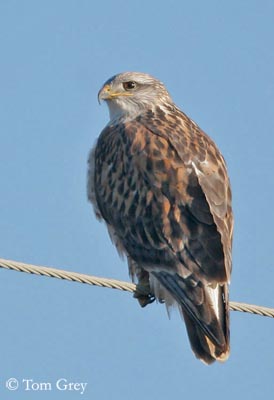
Some hawk species exhibit seasonal changes in their plumage. The Rough-legged Hawk is a prime example. During the winter months, their heads can appear lighter. This seasonal adaptation helps them blend into snowy environments. Observing hawks in different seasons can reveal these fascinating changes.
| Hawk Species | Juvenile Head Color | Adult Head Color | Seasonal Changes |
|---|---|---|---|
| Red-tailed Hawk | Light Brown/Whitish | Darker Brown | Minimal |
| Rough-legged Hawk | Light Brown | Dark Brown | Heads appear lighter in winter |
Knowing these characteristics helps in identifying hawks in the wild. Light-colored heads in hawks are often influenced by age and season. Observing these birds closely can lead to more accurate identification.
Habitat And Behavior
Hawks are fascinating creatures with diverse habitats and behaviors. They adapt well to various environments. Understanding their habitat and behavior helps us protect these majestic birds.
Hunting Techniques
Hawks use different hunting techniques. They have keen eyesight. This allows them to spot prey from great distances. Some hawks soar high and dive to catch prey. Others use stealth to surprise their prey. Their sharp talons and beaks ensure a quick kill.
- Soaring: Hawks glide in the air, scanning for prey.
- Diving: They dive at high speed to snatch their target.
- Stealth: Some hawks hide and wait for the right moment.
Nesting Habits
Hawks build nests in high places. They prefer tall trees and cliffs. This keeps their young safe from predators. Nests are made of sticks and lined with soft materials. Hawks return to the same nest each year. They add new materials to make it stronger.
| Feature | Details |
|---|---|
| Location | High trees, cliffs |
| Materials | Sticks, soft linings |
| Reuse | Same nest, yearly |
Understanding hawks’ hunting techniques and nesting habits provides insight into their lives. This knowledge is crucial for their conservation.
Conservation Status
The conservation status of hawks is a topic of significant concern. Various factors threaten their survival. Understanding these threats and protection efforts is crucial.
Threats To Hawks
Hawks face numerous threats in their natural habitats. Some of these threats include:
- Habitat loss: Urbanization and agriculture reduce their living areas.
- Pesticides: Chemicals harm their food sources and health.
- Climate change: Alters their migration patterns and food availability.
- Hunting: Illegal hunting reduces their population.
Protection Efforts
Various efforts help protect hawks and improve their conservation status:
- Protected areas: National parks and reserves offer safe habitats.
- Legislation: Laws like the Migratory Bird Treaty Act shield them.
- Rehabilitation centers: Injured hawks receive care and release.
- Public awareness: Education campaigns inform people about hawk conservation.
Efforts to safeguard hawks are essential for their survival. Continued support and awareness can ensure a bright future for these majestic birds.

Credit: sparklark.com
Frequently Asked Questions
Which Hawk Has A White Head?
The White Hawk is known for its distinctive white head. This bird of prey is found in Central and South America.
What Large Bird Has A Whitehead?
The large bird with a white head is the bald eagle. It is native to North America.
What Bird Of Prey Has A White Head And Black Body?
The bird of prey with a white head and black body is the Bald Eagle. It’s a symbol of the United States.
What Bird Is Mistaken For A Hawk?
The Red-tailed Hawk is often mistaken for a hawk. This bird of prey is commonly confused due to its similar size and appearance.
Conclusion
Hawks with white heads are rare but do exist. Species like the Bald Eagle and the White-tailed Hawk feature this trait. Observing these magnificent birds offers a unique glimpse into nature’s diversity. Keep an eye out for these stunning raptors during your next wildlife adventure.
Happy birdwatching!