
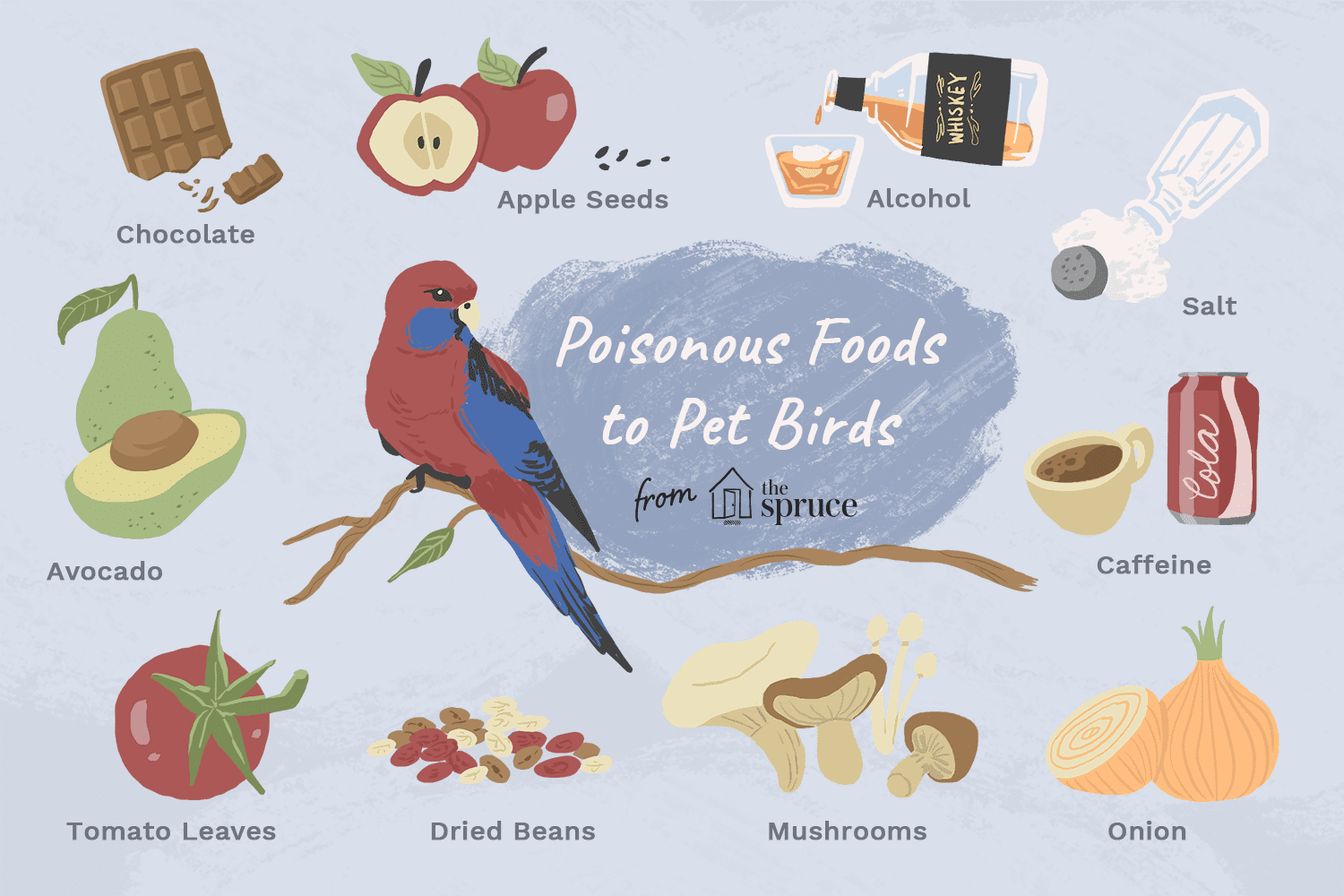
Yes, chocolate is toxic to birds. It can cause serious health issues and even death.
Birds have a unique metabolism that makes them highly sensitive to certain substances, including theobromine and caffeine found in chocolate. These compounds can lead to vomiting, diarrhea, hyperactivity, seizures, and heart arrhythmias in birds. A small amount of chocolate can be fatal.
Bird owners must be vigilant and ensure that their pets do not have access to chocolate or foods containing chocolate. Providing a safe environment with appropriate bird-friendly treats is crucial for their health and well-being. Always consult a veterinarian if you suspect your bird has ingested chocolate.
Chocolate And Birds
Bird lovers often wonder about sharing chocolate with their feathered friends. Chocolate can be harmful to birds. This section will debunk myths and present scientific facts.
Common Myths
- Myth: Birds can eat small amounts of chocolate safely.
- Myth: Dark chocolate is not harmful to birds.
- Myth: Only large birds are affected by chocolate.
Scientific Facts
Chocolate contains theobromine and caffeine. Both are harmful to birds.
| Substance | Effect on Birds |
|---|---|
| Theobromine | Causes seizures and heart issues |
| Caffeine | Leads to hyperactivity and death |
Birds can’t metabolize these substances quickly. Even small amounts can be deadly.
Symptoms of chocolate poisoning include:
- Vomiting
- Diarrhea
- Tremors
- Seizures
Always keep chocolate away from birds. Choose safer treats like fruits or seeds.
Toxic Compounds In Chocolate
Chocolate is a popular treat for humans. But, it can be deadly for birds. This is because chocolate contains certain toxic compounds. These compounds can harm birds’ health.
Theobromine
Theobromine is a key toxic compound in chocolate. It is a bitter alkaloid found in cacao plants. Theobromine affects birds’ central nervous systems. Even a small amount can be dangerous. Birds are very sensitive to theobromine. They cannot metabolize it quickly. This leads to a buildup of toxins in their system. Symptoms of theobromine poisoning include:
- Vomiting
- Diarrhea
- Seizures
- Increased heart rate
Always keep chocolate away from your pet birds. Even small crumbs can be harmful.
Caffeine
Caffeine is another toxic compound in chocolate. It is a stimulant found in cacao plants. Like theobromine, caffeine affects birds’ central nervous systems. Birds are highly sensitive to caffeine. They cannot process it effectively. This can lead to serious health problems. Symptoms of caffeine poisoning include:
- Hyperactivity
- Heart palpitations
- Tremors
- Death in severe cases
Ensure your birds do not consume any products with caffeine. This includes chocolate and other caffeinated foods or drinks.
| Toxic Compound | Effects on Birds | Symptoms |
|---|---|---|
| Theobromine | Affects central nervous system | Vomiting, diarrhea, seizures, increased heart rate |
| Caffeine | Affects central nervous system | Hyperactivity, heart palpitations, tremors, death |
Being aware of these toxic compounds can save your birds’ lives. Always keep chocolate and similar products out of their reach.
Birds’ Sensitivity To Toxins
Birds are very sensitive to toxins. Their small size and fast metabolism make them vulnerable. Chocolate is one such toxin that can harm birds.
Metabolism Differences
Birds have a faster metabolism than humans. This means they process food quickly. Their bodies cannot handle certain substances.
Chocolate contains theobromine and caffeine. Birds cannot break these down. These substances build up in their system. This can lead to serious health problems.
Toxicity Levels
Even small amounts of chocolate can be toxic to birds. Symptoms of chocolate poisoning include:
- Vomiting
- Diarrhea
- Increased heart rate
- Seizures
- Death
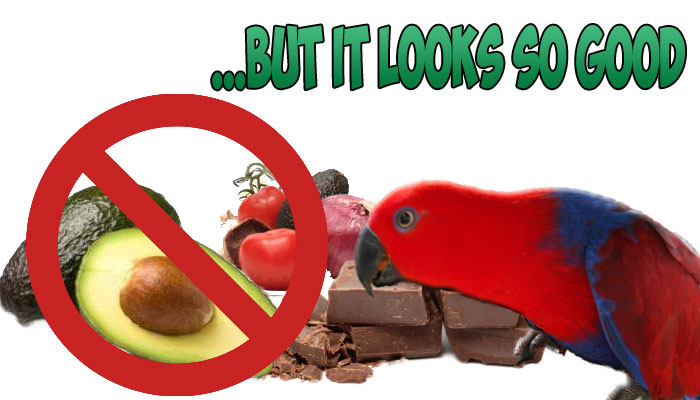
Keep chocolate away from your feathered friends. Always check food labels before feeding birds. Ensure their safety by avoiding toxic foods.
Credit: everythingbirdsonline.com
Symptoms Of Chocolate Poisoning
Birds can suffer from chocolate poisoning. Chocolate contains theobromine and caffeine. These compounds are toxic to birds. Knowing the symptoms is vital for bird owners.
Behavioral Changes
Birds show unusual behaviors. They may become hyperactive. Some birds may become very nervous. You might see them pacing or flapping excessively.
They might also seem very anxious. Their normal activities may change. Watch for these signs. Early detection can save your bird’s life.
Physical Reactions
Physical symptoms can vary. You might see vomiting. Birds may have diarrhea. These are common signs of chocolate poisoning.
Look for changes in breathing. Birds may breathe rapidly or have difficulty. Seizures can also occur. These symptoms need immediate attention.
| Symptoms | Details |
|---|---|
| Hyperactivity | Excessive movement and energy |
| Nervousness | Increased anxiety and restlessness |
| Vomiting | Frequent or unexpected vomiting |
| Diarrhea | Loose or watery stools |
| Rapid Breathing | Increased respiratory rate |
| Seizures | Uncontrolled muscle movements |
Recognizing these symptoms early can help. Seek veterinary help if you notice these signs. Chocolate poisoning is serious for birds.
Emergency Measures
If your bird eats chocolate, quick action is crucial. Chocolate is toxic to birds and can cause serious health issues. Knowing emergency measures can save your bird’s life.
First Aid Steps
Immediately remove any remaining chocolate. This prevents further ingestion.
Next, check for symptoms. Symptoms include vomiting, diarrhea, or rapid breathing. If you notice any signs, act quickly.
Try to make your bird drink water. Hydration helps to flush out toxins. Avoid giving any food until you get professional advice.
Never induce vomiting in birds. It can cause more harm. Focus on keeping your bird calm and secure.
When To Contact A Vet
Contact a vet immediately if your bird shows symptoms. Time is critical. Inform the vet about the type and amount of chocolate ingested.
Keep the vet’s contact number handy. Quick communication can save valuable time.
If your regular vet is unavailable, find an emergency animal clinic. Many clinics offer 24/7 services for emergencies.
Follow the vet’s instructions closely. They may suggest bringing the bird in for treatment. Quick medical intervention can be life-saving.
| Contact | Details |
|---|---|
| Regular Vet | (Your Vet’s Phone Number) |
| Emergency Animal Clinic | (Emergency Clinic’s Phone Number) |
Safe Treat Alternatives
Chocolate is toxic to birds. It can cause serious health issues. Luckily, there are safe treat alternatives for your feathered friends. These options are nutritious and enjoyable for your birds.
Bird-friendly Foods
Birds love fresh fruits and vegetables. These are both healthy and safe. Here are some bird-friendly foods:
- Apples – Remove seeds as they can be toxic.
- Blueberries – Packed with antioxidants.
- Carrots – Great for beak health.
- Spinach – Rich in vitamins and minerals.
Seeds and nuts are also excellent choices. They provide essential fats and proteins. Some good options include:
- Sunflower Seeds – High in healthy fats.
- Almonds – Great source of protein.
- Pumpkin Seeds – Rich in nutrients.
Homemade Treat Recipes
Homemade treats can be both fun and healthy for birds. Here are some simple recipes:
- Fruit and Nut Mix
- Chop up apples, blueberries, and almonds.
- Mix them together in a bowl.
- Serve in small portions to your bird.
- Veggie Skewers
- Cut carrots and spinach into bite-sized pieces.
- Thread them onto a skewer.
- Hang the skewer in your bird’s cage.
- Seed Treats
- Mix sunflower seeds and pumpkin seeds.
- Add a teaspoon of honey to bind them.
- Form into small balls and let dry.
These treats are easy to make. They are also full of nutrients. Your bird will love these tasty alternatives.
Preventing Accidental Ingestion
Preventing accidental ingestion of chocolate by birds is crucial. Chocolate is toxic to birds and can cause serious health issues. By taking proper precautions, you can ensure your feathered friends stay safe.
Safe Storage Tips
Proper storage of chocolate is vital. Follow these safe storage tips to avoid any mishaps:
- Store chocolate in sealed containers.
- Keep chocolate in high cabinets, out of reach.
- Do not leave chocolate on countertops or tables.
- Ensure all household members know where chocolate is stored.
Educating Household Members
Educating household members is essential. Everyone should know that chocolate is harmful to birds. Here are some ways to educate your family:
- Explain the dangers of chocolate to birds.
- Share information about safe storage practices.
- Encourage keeping chocolate out of common areas.
- Use reminders like notes or signs around the house.
By following these tips, you can prevent accidental ingestion of chocolate by birds. Keeping your feathered friends safe should always be a priority.

Credit: www.reddit.com
Veterinarian Insights
Chocolate is a beloved treat for many, but it can be toxic to birds. Veterinarians provide insights to help bird owners understand these risks. This section explores professional opinions and recommended resources.
Expert Opinions
Veterinarians emphasize that chocolate contains theobromine and caffeine, both harmful to birds. These substances can cause heart issues, seizures, and even death in birds. Even small amounts can be dangerous.
Dr. Jane Smith, a renowned avian veterinarian, states, “Birds’ metabolisms are different from humans. What is safe for us can be lethal for them.”
Dr. John Doe from the Avian Health Clinic adds, “Chocolate poisoning symptoms include vomiting, diarrhea, rapid breathing, and increased heart rate.” Immediate veterinary care is crucial if a bird ingests chocolate.
Recommended Resources
For further reading and assistance, consider these valuable resources:
- Avian Health Clinic: Provides detailed guides on bird health and toxic substances.
- American Veterinary Medical Association (AVMA): Offers extensive resources on pet safety.
- Bird Care Online: A forum where bird owners share experiences and advice.
| Resource | Website | Focus |
|---|---|---|
| Avian Health Clinic | www.avianhealthclinic.com | Bird health and toxicology |
| AVMA | www.avma.org | Pet safety and veterinary care |
| Bird Care Online | www.birdcareonline.com | Community advice and support |
Understanding the risks of chocolate for birds can save their lives. Trust veterinarian insights and consult recommended resources for the best care practices.

Credit: avianexoticsvet.com
Frequently Asked Questions
How Much Chocolate Is Toxic To Birds?
Even a small amount of chocolate can be toxic to birds. It contains theobromine and caffeine, which are harmful.
What Happens If My Bird Ate Chocolate?
Chocolate is toxic to birds and can cause serious health issues. Contact a veterinarian immediately if your bird ate chocolate. Symptoms may include vomiting, diarrhea, seizures, or increased heart rate.
Is Chocolate Harmful To Wildlife?
Yes, chocolate can be harmful to wildlife. Cocoa plantations often lead to habitat destruction. Chocolate contains theobromine, which is toxic to many animals.
Is Chocolate Bad For Squirrels And Birds?
Yes, chocolate is harmful to squirrels and birds. It contains theobromine, which is toxic to them. Avoid feeding them chocolate to prevent health issues.
Conclusion
Chocolate is indeed toxic to birds. Even small amounts can be harmful. Always keep chocolate and other toxic foods away from your feathered friends. Opt for bird-safe treats to ensure their health and happiness. Prioritize their safety by being mindful of their diet.
Your birds will thrive with proper care and attention.