

Bluebirds eat berries, seeds, and insects in winter. They also enjoy mealworms and suet.
Bluebirds are known for their vibrant blue plumage and cheerful songs. During winter, their diet changes to adapt to the colder weather. They primarily consume berries, seeds, and insects. These food sources provide essential nutrients and energy. Mealworms and suet also become important parts of their diet.
These protein-rich foods help bluebirds maintain their strength and body heat. Providing these foods in your backyard can attract bluebirds and support their winter survival. Offering fresh water is also crucial, as natural sources may freeze. Creating a bluebird-friendly environment ensures these beautiful birds thrive during the harsh winter months.
Bluebird Winter Diet
Bluebirds face challenges in winter. Finding food becomes difficult. Understanding their diet helps us support them.
Nutritional Needs
Bluebirds need high-energy food in winter. They require nutrients to stay warm and healthy. Protein and fats are crucial. These nutrients help them maintain body heat.
Water is also essential. Bluebirds need it to digest food. Providing fresh water is as important as food.
Common Food Sources
In winter, natural food sources are scarce. Bluebirds rely on various food items to survive. Here are some common food sources:
- Insects: Bluebirds eat insects like beetles and caterpillars.
- Berries: They enjoy berries such as holly and juniper.
- Mealworms: These are a favorite winter food.
- Seeds: Some seeds like sunflower seeds are beneficial.
| Food Source | Type | Nutritional Benefit |
|---|---|---|
| Insects | Protein | Helps in muscle maintenance |
| Berries | Carbohydrates | Provides energy |
| Mealworms | Protein and Fat | Energy and warmth |
| Seeds | Fats | Maintains body heat |
Providing these foods helps bluebirds thrive in winter. Setting up a feeding station attracts bluebirds to your yard. Ensure food supply is consistent. Keep feeders clean to prevent diseases.
Consider planting berry-producing shrubs. These provide a natural food source for bluebirds. Offer mealworms in a shallow dish. This makes it easy for them to eat.
By understanding their diet, you can support bluebirds through winter.
Insects And Larvae
During winter, bluebirds primarily rely on insects and larvae for nutrition. These small creatures provide essential protein and energy. Understanding what types of insects they eat helps in supporting their diet.
Types Of Insects
Bluebirds consume a variety of insects during winter. Some common types include:
- Beetles: These are a favorite due to their abundance.
- Grasshoppers: Found in many fields and meadows.
- Spiders: An excellent source of protein.
- Ants: Easy to find and nutritious.
Insects are crucial for bluebirds’ survival during harsh winter months.
Finding Insects In Winter
Finding insects in winter can be challenging. Bluebirds use several techniques to locate their food.
- Leaf Litter: Bluebirds search under leaves for hidden insects.
- Tree Bark: They peck at bark to find insects and larvae.
- Old Logs: Rotting logs often house many insects.
- Bird Feeders: You can help by providing mealworms.
These methods help bluebirds find insects even in cold conditions.
| Insect Type | Location |
|---|---|
| Beetles | Under leaves |
| Grasshoppers | Fields |
| Spiders | Tree bark |
| Ants | Old logs |
Fruits And Berries
During the winter, bluebirds often turn to fruits and berries for their dietary needs. These natural treats provide the necessary nutrients to keep them healthy and energetic. Let’s explore the popular choices and the nutritional benefits these fruits and berries offer to bluebirds.
Popular Choices
Bluebirds enjoy a variety of fruits and berries during the cold months. Here are some favorites:
- Holly Berries: These are bright red and attract bluebirds easily.
- Dogwood Berries: These berries are small and packed with nutrients.
- Sumac Berries: These red berries are a winter staple for bluebirds.
- Juniper Berries: Bluebirds find these dark blue berries irresistible.
- Crabapples: These small apples are a great winter food source.
Nutritional Benefits
Fruits and berries are rich in essential nutrients for bluebirds. Let’s look at some key benefits:
| Fruit/Berry | Key Nutrients | Benefits |
|---|---|---|
| Holly Berries | Vitamin C, Antioxidants | Boosts immune system |
| Dogwood Berries | Fiber, Vitamin A | Improves digestion |
| Sumac Berries | Vitamin C, Tannins | Fights infections |
| Juniper Berries | Vitamin C, Essential Oils | Enhances metabolism |
| Crabapples | Vitamin C, Fiber | Promotes overall health |
In summary, providing a variety of fruits and berries helps bluebirds thrive during winter. These natural foods offer vital nutrients that support their health and well-being.
Seeds And Nuts
During winter, bluebirds need extra energy to stay warm. Seeds and nuts are excellent choices for their diet. They are rich in fats and proteins. These nutrients help bluebirds maintain their energy levels. Below are some suitable varieties and tips on how to offer them.
Suitable Varieties
Bluebirds prefer certain types of seeds and nuts. Here are some favorites:
- Sunflower Seeds: These are easy to find and loved by bluebirds.
- Peanuts: A great source of protein and fats. Always offer them unsalted.
- Safflower Seeds: These seeds are less likely to attract unwanted pests.
- Cracked Corn: This is a good option and easy for bluebirds to eat.
How To Offer Them
Offering seeds and nuts to bluebirds is simple. Here are some effective methods:
- Feeders: Use a feeder designed for small birds. This keeps larger birds away.
- Platform Feeders: These are flat and allow bluebirds to easily access the food.
- Ground Feeding: Sprinkle seeds and nuts on the ground. Bluebirds often forage on the ground.
- Mix with Suet: Suet cakes with seeds and nuts are a good choice. They provide extra fats.
Ensure the food stays dry. Wet seeds and nuts can mold and harm birds. Clean feeders regularly to avoid disease.
| Seed/Nut Type | Benefits | Feeding Method |
|---|---|---|
| Sunflower Seeds | Rich in fats, easy to eat | Feeders, Platform Feeders |
| Peanuts | High in protein, energy-boosting | Feeders, Ground Feeding |
| Safflower Seeds | Less attractive to pests | Feeders, Platform Feeders |
| Cracked Corn | Easy to digest | Ground Feeding, Mix with Suet |
Suet And Mealworms
Bluebirds face challenges finding food in winter. Suet and mealworms offer vital nutrition. These foods help bluebirds survive the harsh winter months.
Homemade Suet Recipes
Creating homemade suet is simple and rewarding. Suet provides essential fats and energy. Here are some easy recipes:
| Ingredients | Instructions |
|---|---|
|
|
Another great recipe includes dried fruits and nuts. Bluebirds enjoy these treats.
Feeding Mealworms
Mealworms are a bluebird favorite. They are rich in protein and easy to digest. Here are tips for feeding mealworms:
- Use a feeder with a smooth surface to prevent escape.
- Offer live or dried mealworms.
- Place the feeder in an open area.
- Keep it away from predators.
Feeding mealworms attracts bluebirds to your garden. They will return often for this nutritious food.

Credit: www.courierpress.com
Water Sources
Bluebirds face challenges in finding water during winter. Water sources are crucial for their survival. Below, we explore the importance of water and ways to prevent freezing.
Importance Of Water
Water is essential for bluebirds’ hydration and digestion. During winter, natural water sources may freeze. Bluebirds need a consistent supply of fresh water.
Without water, bluebirds can suffer from dehydration. They use water to clean their feathers, which helps them stay warm. Ensuring a water source can aid in attracting these beautiful birds.
Preventing Freezing
Keeping water from freezing is vital during cold months. There are several methods to achieve this:
- Use a heated bird bath. These baths have built-in heaters.
- Place the water source in a sunny spot. Sunlight can help keep the water warm.
- Add a few small stones to the water. They can absorb heat and reduce freezing.
- Change the water frequently. Fresh water is less likely to freeze quickly.
Consider using a solar-powered water heater. These devices are eco-friendly and effective. They ensure a steady water supply for bluebirds.
Table of methods to prevent freezing:
| Method | Description |
|---|---|
| Heated Bird Bath | Bath with built-in heaters to keep water warm. |
| Sunny Spot | Place water in direct sunlight to reduce freezing. |
| Small Stones | Use stones to absorb heat and prevent ice. |
| Frequent Changes | Regularly replace water to maintain liquid state. |
Ensuring bluebirds have access to water sources during winter is crucial. It helps them stay hydrated and warm.
Bird Feeders And Houses
Bluebirds need special care during winter. Providing bird feeders and houses helps them survive the cold months. These shelters offer food and protection from harsh weather.
Types Of Feeders
There are different types of feeders suitable for bluebirds. Each type has unique benefits. Here are some popular choices:
- Platform Feeders: These are flat and open. They allow easy access for bluebirds.
- Suet Feeders: These are designed to hold suet cakes. Bluebirds love suet in winter.
- Hopper Feeders: These keep seeds dry and protected. They are ideal during rainy or snowy days.
Placement Tips
Proper placement of feeders is crucial. It ensures bluebirds can find and use them easily. Follow these tips for the best results:
- Height: Place feeders 5-7 feet above ground. This keeps them safe from predators.
- Visibility: Position feeders in open areas. Bluebirds need to spot them from a distance.
- Proximity: Keep feeders close to cover. Nearby bushes or trees provide quick shelter.
With the right bird feeders and houses, bluebirds can thrive even in winter. Ensuring they have access to food and shelter is key.
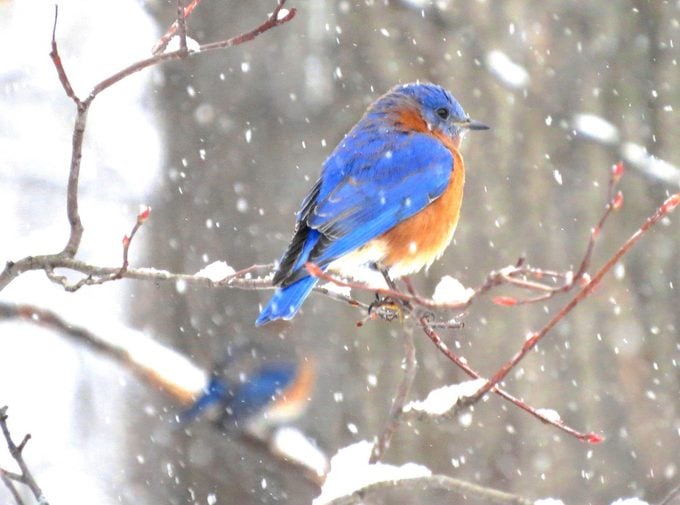
Credit: www.birdsandblooms.com
Creating A Bluebird-friendly Habitat
Bluebirds need special care in winter. Creating a friendly habitat is key. This ensures they have the food and shelter needed to thrive.
Shelter And Protection
Bluebirds need safe places to stay warm. Birdhouses are perfect for this. Place them away from predators.
Use nesting boxes with small holes. This keeps larger birds out. Ensure the boxes face east or southeast. They get morning sun that way.
Bluebirds also like brush piles. These give them a place to hide from the wind. Make brush piles with twigs and leaves.
Evergreen trees provide good cover too. Bluebirds can roost in the branches. Plant these trees near your birdhouses.
Native Plants
Planting native plants helps bluebirds find food in winter. These plants attract insects and produce berries.
Here are some native plants that bluebirds love:
- Holly: Berries last all winter.
- Juniper: Provides berries and shelter.
- Dogwood: Berries and insects attract bluebirds.
- Sumac: Has berries that last into winter.
Native plants also need less water and care. They grow well in local soil. This makes your garden easier to maintain.
Combine native plants with bird feeders. Fill feeders with mealworms and suet. Bluebirds find these foods easily.
| Plant | Benefit |
|---|---|
| Holly | Berries last all winter |
| Juniper | Provides berries and shelter |
| Dogwood | Berries and insects attract bluebirds |
| Sumac | Berries last into winter |
Creating a bluebird-friendly habitat is easy. Follow these tips to help bluebirds thrive in winter.
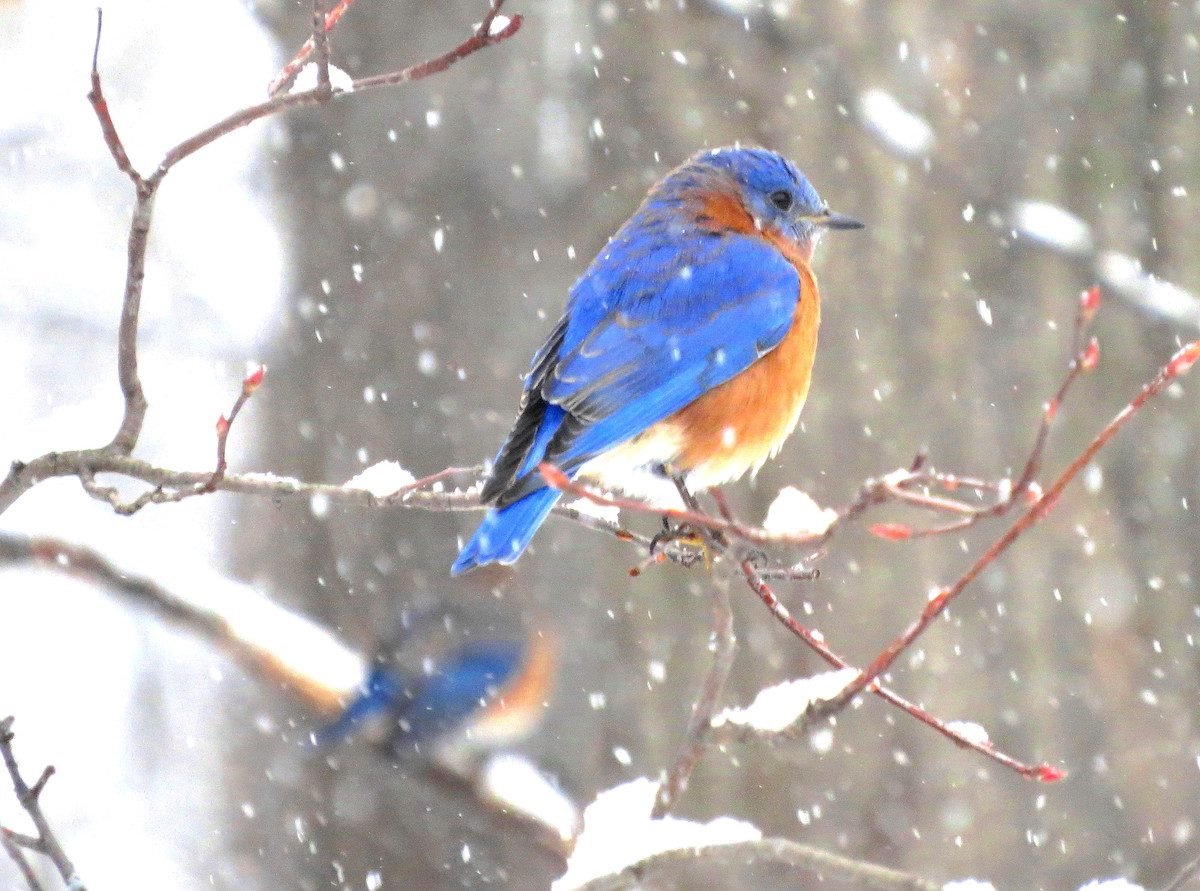
Credit: www.birdsandblooms.com
Frequently Asked Questions
What Is The Best Thing To Feed Bluebirds?
The best food for bluebirds includes mealworms, berries, and suet. Offer these in a feeder to attract them.
Do Bluebirds Eat Bird Seed?
Bluebirds rarely eat bird seed. They prefer insects, mealworms, and fruits. Offer mealworms to attract bluebirds to your feeder.
Should You Feed Bluebirds In The Winter?
Yes, you should feed bluebirds in the winter. Provide mealworms, suet, and fruit to help them survive.
How Do You Help Bluebirds In The Winter?
Provide heated birdhouses and mealworms. Ensure water sources don’t freeze. Plant berry-producing shrubs for natural food.
Conclusion
Feeding bluebirds in winter can be simple and rewarding. They enjoy mealworms, berries, and suet. Providing these foods ensures their survival during colder months. By understanding their dietary needs, you can attract and support bluebirds all winter long. Keep your feeders stocked, and enjoy watching these beautiful birds thrive.