
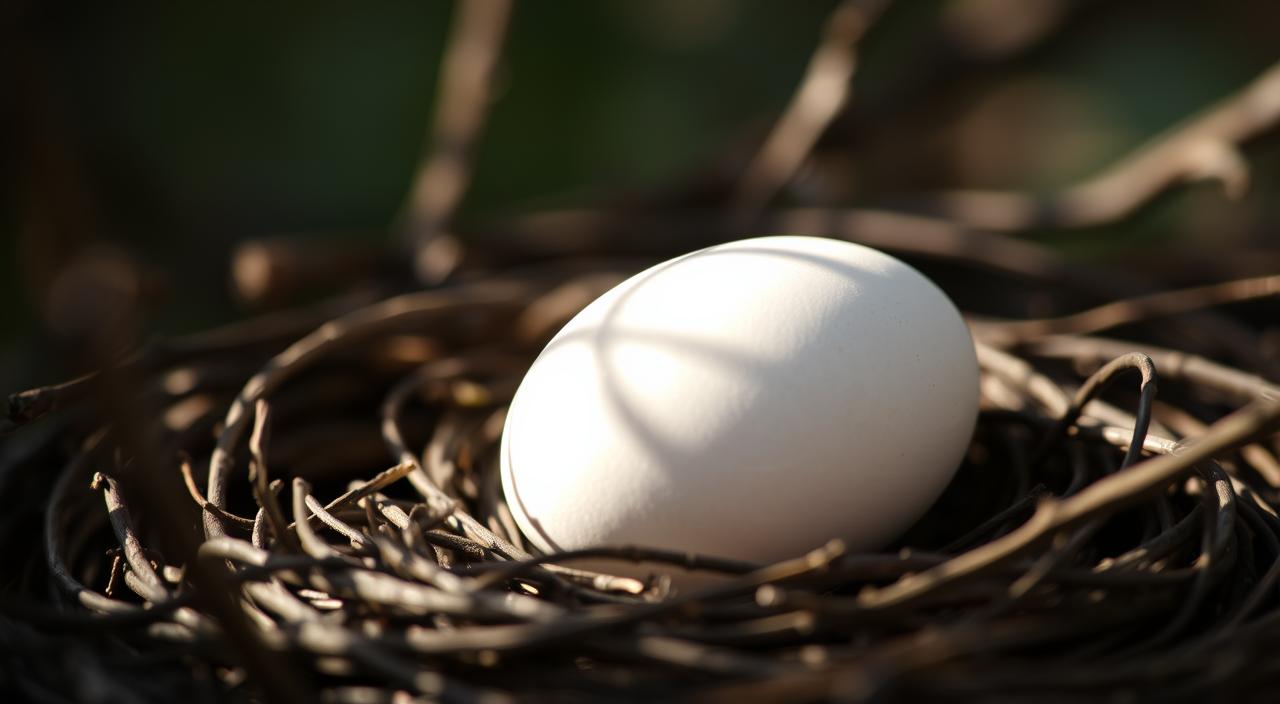
For those graced by the gentle coo of the mourning dove, understanding the dove egg incubation period provides insight into the beginnings of these ubiquitous backyard visitors. With each female capable of laying two eggs per clutch and achieving up to six broods annually, the cycles of dove reproduction are both rapid and repetitive. Notably, the diligent avian parents, who share the responsibilities equally, commence incubation soon after the nest’s completion—a process taking a mere 2 to 4 days. From there, the question of how long do dove eggs take to hatch is answered in the magic number: approximately 14 days, leading to the remarkable transformation from egg to fledgling.
Understanding the Dove Egg Incubation Process
The dove egg incubation process is a key phase in the cycle of dove breeding habits, requiring meticulous care and conditions to foster the development of healthy chicks. It’s not just about keeping the eggs warm; incubation intertwines various biological and environmental elements that are vital to the embryos’ development.
What is Incubation?
Incubation refers to the period during which dove parents, both male and female, maintain the warmth of their eggs via body heat, ensuring the dove egg hatching time aligns within the expected 14 days. This phase is crucial as the temperature regulation directly influences the health and viability of the hatchlings. Mourning doves, for instance, exemplify a rather synchronized approach where males predominantly incubate the eggs during daylight hours, and females take over through the night.
Importance of Incubation for Hatchlings
The significance of strict incubation practices can be observed in the dove breeding cycle. The correct incubation conditions ensure that the eggs develop optimally, with the embryo transitioning through various stages of growth that are critical to its survival post-hatching. During the incubation period, both dove parents exhibit an increased food intake to sustain this energy-intensive process, often feeding on a diet rich in seeds and grains to amass the necessary nutrients.
Understanding the parameters of dove egg incubation, such as the clutch size, which typically includes two eggs, and the dove egg hatching time, helps breeders and enthusiasts ensure successful dove breeding. Moreover, with a clear grasp of the incubation period, lasting typically 14 days, and the subsequent nestling phase of approximately 12-15 days, caretakers can effectively plan and monitor the development phases, ensuring the young are ready to thrive independently.
Dove breeding habits and dove egg hatching times are not only fascinating from an ornithological perspective but understanding them can significantly impact the preservation and flourishing of these species, ensuring thriving populations for years to come.
Duration of Dove Egg Incubation
Exploring the life cycle of doves, particularly during the incubation phase, offers a fascinating glimpse into avian reproductive strategies. Dove egg development stages and their incubation durations are significant for bird watchers and avian researchers alike, providing insights into the reproductive success and survival strategies of these ubiquitous birds.
How Long Do Dove Eggs Typically Take to Hatch?
Mourning doves, a common species in the United States, typically lay one to two eggs per clutch. These eggs generally hatch in about 14 to 15 days, showcasing a rapid development from laying to hatching. Understanding how long do dove eggs take to hatch aids in monitoring and managing dove populations, ensuring the sustenance of their species through effective conservation practices.
The time it takes for dove eggs to hatch can vary based on several environmental and biological factors. These include ambient temperature, health, and genetic makeup of the parent doves. Remarkably, doves begin incubation only after all eggs are laid, ensuring synchronous hatching. This strategy is crucial for the survival of the hatchlings, as it allows all young to be equally developed and ready to leave the nest around the same time.
- Temperature: Dove eggs incubated in temperatures around 100 degrees Fahrenheit with ideal humidity levels (55%-60%) showcase the best hatching results.
- Parental Care: Both the male and female doves share incubation duties, which includes maintaining the warmth necessary for egg development. The male often incubates during the day, while the female takes over at night.
- Nesting Environment: Due to their relatively fragile nest structure, which is made up of twigs and grass with little structural support, the location and stability of a nest can impact the incubation period and success rate.
Dove egg incubation durations and successful hatching are pivotal in understanding the breeding patterns and population dynamics of doves. By studying the dove egg development stages, bird enthusiasts and conservationists can better protect these gentle birds, ensuring their presence in natural habitats continues for future generations to celebrate and study.
Conditions Required for Successful Incubation
For the effective incubation of dove eggs, several specific conditions must be met that include maintaining optimal temperature and humidity levels. The nesting environment also plays a critical role, influencing the health and development of the eggs. Discovering an ideal setup is essential for fostering both the dove’s nesting behavior and the proper caring for dove eggs, ensuring the population thrives.
Optimal Temperature and Humidity Levels
To promote successful incubation, the temperature surrounding dove eggs should consistently be maintained between 99.5°F and 100.5°F. The humidity levels also require careful monitoring, starting from 50% to 55% during the initial 10 to 12 days and then increasing to 65% to 70% for the rest of the period. Eggs require regular turning at least three to five times daily, which helps prevent the embryo from sticking to the shell and encourages proper development.
Nesting Environment Considerations
Doves typically choose nesting locations that support the necessary thermal conditions for egg incubation. Common choices include ledges, tree branches, or occasionally on ground level in certain areas of the western U.S. These sites provide vital protection and insulation, crucial for the vulnerability of dove eggs during the incubation period. Understanding dove nesting behavior helps in ensuring these sites remain undisturbed and conducive to egg development.
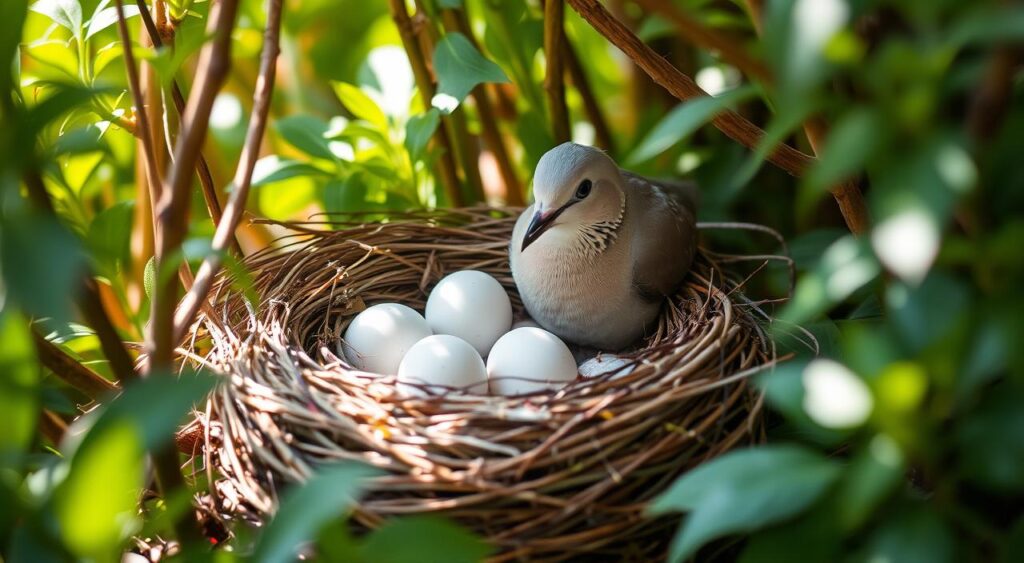
Below is a table that further details the specific requirements and typical characteristics of dove incubation, based on extensive observations and data collected:
| Aspect | Requirement or Statistic |
|---|---|
| Clutch Size | 1-2 eggs |
| Incubation Period | 14-19 days |
| Optimal Incubation Temperature | 99.5°F to 100.5°F |
| Initial Humidity Level | 50% to 55% |
| Late Incubation Humidity Level | 65% to 70% |
| Egg Turning Frequency | 3 to 5 times daily |
As the data illustrates, creating and maintaining the right conditions for dove eggs can significantly influence the successful hatching and continued growth of the population. Both temperature regulation and the observation of dove nesting behavior are vital in caring for dove eggs. These elements together contribute substantially to the overall reproductive success of this beloved avian species.
Dove Species and Their Incubation Variances
Exploring the nuances of dove egg care tips and dove nesting behavior across different species provides a fascinating glimpse into their natural adaptation and survival strategies. The Mourning Dove, for instance, is known for its flexibility in nesting locations, which can range from trees to building ledges and even the ground.
Common Types of Doves
While Mourning Doves are prevalent, other species like the White-winged Dove and the Eurasian Collared Dove also exhibit unique nesting traits. These species show a variety of incubation variances that impact the care and survival of their eggs and young.
Unique Incubation Traits per Species
Detailed studies reveal significant behavioral and reproductive statistics that highlight their adaptive strategies. For example, Mourning Doves primarily lay two eggs, but there are instances where nests contain up to four eggs. Here’s a closer look at the reproductive data:
| Egg Count Per Nest | Percentage of Nests |
|---|---|
| 1 egg | 0.5% |
| 2 eggs | 97.2% |
| 3 eggs | 2.0% |
| 4 eggs | 0.3% |
In addition, the clutch size varies slightly among different species, affecting dove egg care tips and nesting outcomes. For instance, the average number of fledglings in Mourning Dove nests with three nestlings is notably higher compared to those with two, underlining the impact of these variances on offspring survival.
To optimize dove egg care, understanding these nesting behaviors and clutch characteristics is essential for conservation efforts and ensuring the continued thriving of these species in their natural habitats.
Role of Parent Doves During Incubation
During the critical period of incubation, mourning doves exemplify a remarkable division of labor which plays a crucial role in the successful raising of dove chicks. The intricate dove breeding habits see both parents sharing the responsibilities to optimize the survival chances of their young. This cooperative behavior ensures that the eggs receive constant warmth and protection necessary during the 14-day incubation period.
In understanding the nesting and incubation strategies of mourning doves, it’s important to note that these birds are prolific breeders. In ideal conditions, they are capable of producing multiple broods throughout the breeding season, which typically spans from early spring to late autumn.
Below is a detailed table about Incubation and Brooding Patterns:
| Data Point | Detail |
|---|---|
| Average eggs per clutch | 2 eggs |
| Incubation period | Approximately 14 days |
| Broods per season | Up to 6 broods in suitable climates |
| Nesting duration | 2 to 4 days |
| Fledging age | Approx. 13 to 15 days post-hatching |
| Parental feeding post-fledging | 1 to 2 weeks additional feeding |
| Nest reusability | May reuse nest up to 5 times a year |
| Nest site height | 10 to 15 feet above ground |
Franchise behaviors such as taking turns at nest duties and the production of nutrient-rich pigeon milk indicate a developed evolutionary strategy aimed at maximizing reproductive success. Interestingly, despite the high energy expenditure associated with these tasks, mourning doves manage to sustain repetitive breeding cycles efficiently.
The patience and dedication of mourning doves in raising dove chicks are reflected in their attentive behaviors within the nest. They exhibit meticulous care from the construction phase through to the critical fledgling stage, underscoring their commitment to the next generation.
The shared diligence of both male and female doves not only enhances the prospects of survival for their offspring but also signifies the complexity and adaptiveness of dove breeding habits in the wild.
Signs That Eggs Are About to Hatch
As the dove egg development stages progress, those eagerly awaiting the sight of new hatchlings can look for several telling signs that the eggs are about to hatch. Understanding these signals is crucial for providing the best dove egg care tips.
Physical Changes in Eggs: One of the most fascinating aspects to observe in the late stages of incubation is the transformation of the egg itself. Through a process known as candling, one can often see the shadows of veins within the egg, a clear indication of a fertile and developing dove egg. As hatching approaches, the air cell within the egg enlarges, signaling that the chick is preparing to enter the world.
Behavioral Changes in Parent Doves: Dove parents, deeply in tune with the needs of their soon-to-hatch young, exhibit noticeable behavioral shifts. They become increasingly vigilant, spending more time at the nest. This heightened attentiveness helps maintain the critical constant temperature and protection needed in the final days of incubation. Observers might also notice the doves turning the eggs more frequently, which is vital for the uniform heating and health of the embryo.
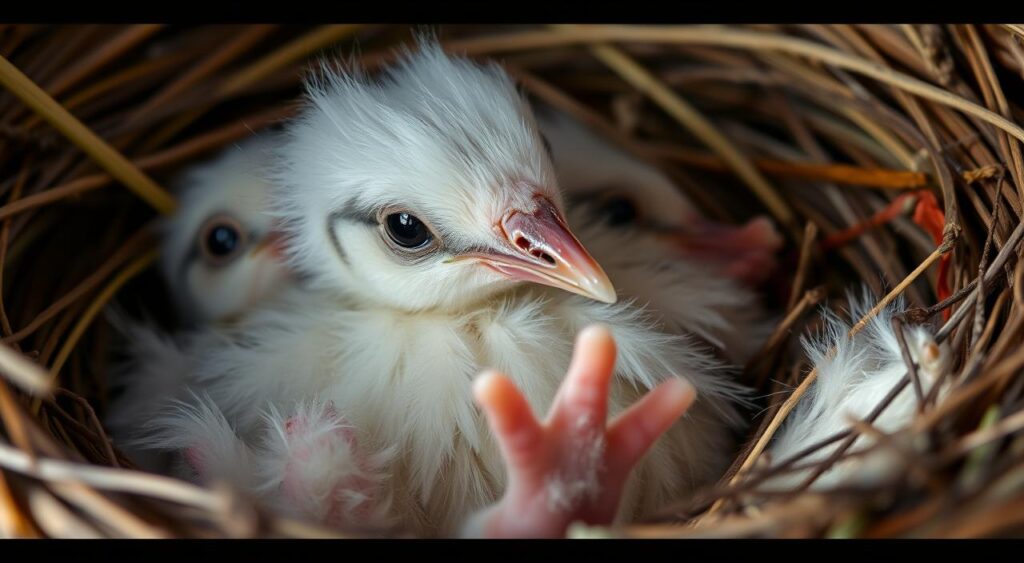
Additionally, the pair’s nest maintenance activities spike, ensuring that the environment remains suitable for the imminent arrival of their young. Such behaviors are essential components of dove egg care tips, ensuring that each stage of dove egg development is optimally managed.
By closely monitoring these physical and behavioral changes, those caring for or studying doves can better understand and support the dove egg development stages. The preparations of parent doves combined with the visible changes in the eggs themselves provide a clear, natural indicator of the nearing hatching process, a truly thrilling moment for any bird enthusiast or caretaker.
What Happens After Hatching?
After the excitement of incubation, the real challenge begins as the dove eggs hatch and the delicate process of raising dove chicks kicks into gear. Proper care during this critical phase is essential to ensure the survival and healthy development of these vulnerable hatchlings.
Immediate Care for Hatchlings
In the early stages post-hatching, mourning dove chicks, also known as squabs, rely heavily on both parents for warmth and nourishment. Initial feeding involves crop milk, a nutrient-rich fluid produced by the parents, crucial for the chick’s early growth and immunity. This period of nurturing is characterized by intense parental dedication, emphasizing the significance of caring for dove eggs even after they’ve hatched.
Importance of Nestling Nutrition
As the chicks grow, their dietary needs evolve, transitioning from crop milk to regurgitated seeds. This change coincides with significant developmental milestones such as feather growth. The table below illustrates the timeline of nurturing young mourning doves, underscoring the importance of proper feeding and nutritional support.
| Age | Diet | Development Milestones |
|---|---|---|
| 0-7 Days | Crop Milk | Initial growth phase, dependence on warmth from parents |
| 8-14 Days | Transition to Seeds | Feather development begins, preparation for fledging |
| 15-28 Days | Seeds and Parental Feeding | Fledging occurs, continued parental feeding, increasing independence |
Raising dove chicks requires vigilant care from the parents and an environment conducive to growth. As fledglings prepare to leave the nest, the nurturing received in the initial weeks post-hatching plays a critical role in their survival and adaptability in the wild.
Understanding these aspects of dove chick development not only enhances efforts in caring for dove eggs but also contributes to the overall success of the species’ life cycle, particularly for species like mourning doves known for multiple broods within a single season.
Challenges Faced During the Incubation Period
The incubation period for mourning dove eggs, typically lasting around 14 days, presents numerous challenges that can adversely affect the survival of the eggs. Understanding these complexities is crucial in fostering a safer breeding environment for these birds.
Dove nesting behavior is intricately designed to optimize the survival chances of their young, with both parents taking turns to maintain the necessary warmth. Despite their efforts, several factors hamper successful incubation. Predatory attacks by snakes and raccoons are significant threats, often resulting in the loss of eggs before they can hatch. These predators are adept at locating dove nests, underscoring the incessant danger looming during the nesting period.
| Predatory Threat | Impact on Dove Eggs |
|---|---|
| Snakes and Raccoons | Direct predation of eggs |
| Environmental Conditions | Decrease in hatching success due to temperature fluctuations and harsh weather |
Moreover, environmental threats to dove eggs, such as drastic temperature fluctuations and harsh weather conditions, can also impede their development. An ideal incubation temperature is around 99.5 degrees Fahrenheit; any significant deviation from this range can reduce the viability of the eggs.
Beyond natural predators and environmental threats, human activity also poses risks to dove eggs. Over 20 million mourning doves are annually hunted in the USA, which impacts not only the current population but also the future generations through loss of eggs and potential breeding adults.
The challenges faced by mourning doves during the incubation period highlight the delicate balance required for successful egg hatching. Efforts to mitigate these threats are essential for the conservation of this widespread yet vulnerable species.
Conclusion: The Fascinating Journey of Dove Hatchlings
The lifecycle of Mourning Doves, from the inception of their 14-day dove egg incubation period to their fledgling stage, encapsulates a delicate biological symphony. In the United States, where the population of Mourning Doves exceeds 350 million, these avian species undergo remarkable breeding cycles, producing multiple broods annually. Every phase, from securing optimal environmental conditions to the dutiful incubation duties shared between male and female doves, underscores the intricate dance of nature. This article illuminated the choreography of doves—touching on subjects like the hatching success rate, influenced by factors ranging from fertility issues to the careful regulation of temperature and humidity.
Statistically, the success rate of dove eggs reaching the hatching milestone is subject to a multitude of parameters. Infertility and genetic irregularities can thwart the best-laid plans of nesting doves. Similarly, nest predation or environmental disturbances usher in a harsh reality, wherein nearly 60% of the first-year Mourning Doves may never experience their first flight. Despite these challenges, doves persevere, some reaching an admirable lifespan of up to 30 years, hinting at the resilience woven into their existence. The importance of conservation efforts for doves can hardly be overstated; these endeavors are crucial scaffolding in the architecture of avian longevity and ecological diversity.
As the narrative of the Mourning Dove unfolds from mating in March through potentially six nesting opportunities, the significance of concerted conservation efforts for doves becomes clear. Attributes such as the nesting preference at specific heights, the rhythm of parental shifts during the incubation, and the provisioning of nutrient-rich “pigeon milk” to squabs, all reveal the fragility and the miracle that is dove reproduction. Recognition of these insights propels forward the advocacy for the protection and monitoring of dove populations. It is through this lens of understanding and appreciation that we can contribute to sustainable coexistence and ensure that the gentle cooing of doves graces our skies for generations to come.