

To determine a bird’s gender, observe its plumage and behavior. Males often have brighter colors and more elaborate displays.
Identifying a bird’s gender can be challenging without experience. Many bird species exhibit sexual dimorphism, meaning males and females look different. Male birds usually have more vibrant plumage and engage in courtship displays. Females often have duller feathers to blend into the environment, especially during nesting.
Some species require closer examination, such as checking for differences in size or specific markings. In certain cases, DNA testing or professional consultation is necessary for accurate identification. Knowing the bird species can also provide clues, as some have well-documented gender differences. Understanding these traits helps bird enthusiasts and researchers in their studies.

Credit: www.wikihow.com
Introduction To Bird Gender Identification
Understanding bird gender can be exciting and useful. Bird enthusiasts often wonder how to tell male and female birds apart. This blog section will help you identify bird gender with ease.
Importance Of Knowing Bird Gender
Knowing if a bird is male or female is important for several reasons:
- Breeding: Identifying genders helps in breeding birds successfully.
- Behavioral Study: Male and female birds often exhibit different behaviors.
- Conservation: Gender knowledge aids in bird conservation efforts.
Common Misconceptions
Many people have misconceptions about bird gender identification. Here are a few:
- Color Difference: Not all bird species have color differences between genders.
- Size: Size differences can be subtle and not always reliable.
- Behavior: Behavior alone is not a definitive indicator of gender.
It is vital to use multiple methods to accurately identify bird gender. Relying on one method can lead to incorrect assumptions.
Physical Characteristics
Identifying a bird’s gender can be tricky. Physical characteristics offer valuable clues. These characteristics include plumage differences, size, and shape variations. Understanding these traits can help you determine if a bird is male or female.
Plumage Differences
Plumage refers to a bird’s feathers. Male birds often have brighter and more colorful plumage. This helps them attract females. Female birds usually have duller colors. This helps them blend into their surroundings for protection.
Here are some examples:
- Peacocks: Males have vibrant blue and green feathers. Females are mostly brown.
- Cardinals: Males are bright red. Females are light brown with red tinges.
- Mallard Ducks: Males have shiny green heads. Females are mottled brown.
Size And Shape Variations
Male and female birds can differ in size and shape. Males are often larger and more robust. Females may be smaller and more streamlined. These differences help in their roles. Males often defend territory. Females focus on nesting and caring for young.
Consider these examples:
| Bird Species | Male Size | Female Size |
|---|---|---|
| Hawks | Larger and heavier | Smaller and lighter |
| Eagles | More muscular | More slender |
| Penguins | Taller | Shorter |
These physical traits can help you determine a bird’s gender. Always observe carefully and take notes. Over time, you’ll become better at identifying male and female birds.
Behavioral Cues
Identifying a bird’s gender can be tricky. Behavioral cues can help. Observing their actions reveals a lot. Below are some key behaviors to watch for.
Mating Rituals
Birds display unique mating rituals. Male birds often perform dances or songs. These displays attract female birds. Males may puff their feathers or show bright colors. Females usually watch quietly. This behavior can indicate gender differences.
Nesting Habits
Many birds show distinct nesting habits. Males often gather materials for nests. They may also build the nest. Females usually sit on the eggs. They protect and warm the eggs. Observing nesting behavior helps identify male and female birds.
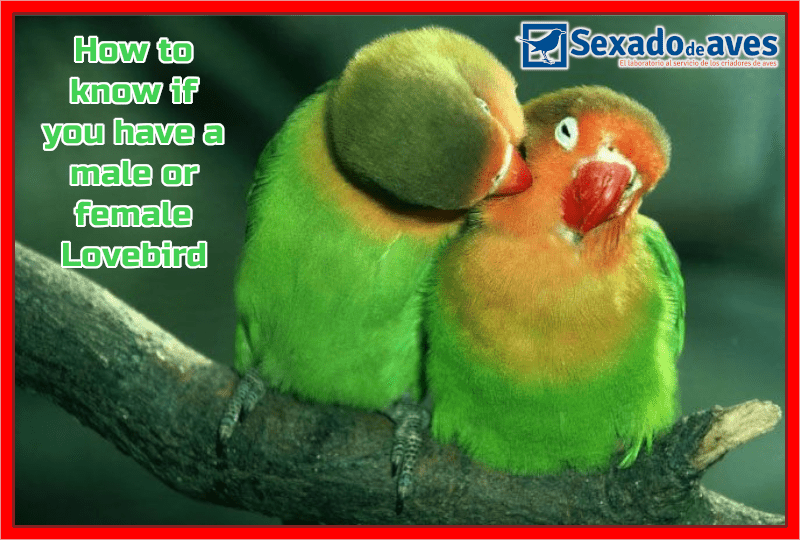
Credit: www.sexadodeaves.com
Vocalization Patterns
Bird enthusiasts often find it challenging to distinguish between male and female birds. One effective way to tell them apart is by observing their vocalization patterns. Male and female birds can have distinct differences in their songs and calls, as well as in the frequency and volume of their vocalizations.
Songs And Calls
Male birds typically have more complex and varied songs than females. They sing to attract mates and defend their territory. Female birds usually have simpler calls, which they use for communication and nurturing.
- Male Songs: Complex, varied, often melodious
- Female Calls: Simple, repetitive, often shorter
Frequency And Volume
Male birds often sing more frequently and at a higher volume. Their songs can be heard over long distances. Female birds tend to vocalize less frequently and at a lower volume.
| Gender | Frequency | Volume |
|---|---|---|
| Male | High | Loud |
| Female | Low | Soft |
Dna Testing
Determining a bird’s gender can be tricky. DNA Testing offers a precise method. This technique is reliable and scientific. It helps bird owners and breeders identify the gender accurately.
How It Works
DNA Testing involves collecting a small sample. Usually, a feather or blood sample is used. The sample is sent to a specialized lab. Scientists analyze the DNA to determine the bird’s gender. Results are then shared with the owner.
Pros And Cons
| Pros | Cons |
|---|---|
|
|
In summary, DNA Testing is a reliable method. It is ideal for bird enthusiasts. Understanding the pros and cons can help you decide.
Professional Assistance
Sometimes, determining the gender of a bird can be tricky. While visual clues often help, professional assistance may be necessary. Experts can provide the most accurate answers. Here’s how to get help from professionals.
Consulting An Ornithologist
An ornithologist is a bird expert. They study birds and know their behaviors. Consulting them can provide accurate gender identification.
- They use scientific methods to identify bird gender.
- They may examine the bird’s plumage and behavior.
- They often use DNA testing for precise results.
You can find ornithologists at universities and bird-watching clubs. They offer detailed insights and reliable answers.
Veterinary Help
A veterinarian specializing in birds can also help. These vets have tools and knowledge to determine bird gender.
- They may perform a physical examination.
- They can conduct blood tests for accurate results.
- They might use endoscopy to inspect internal organs.
You can visit an avian vet clinic for professional advice. They provide comprehensive care and accurate gender identification.
Case Studies
Understanding the gender of birds can be challenging. This section offers case studies to help identify male and female birds. We will explore common pet birds and wild bird examples. These case studies provide practical insights.
Common Pet Birds
Many people love having birds as pets. Here are some examples:
| Bird Species | Male Characteristics | Female Characteristics |
|---|---|---|
| Budgerigars (Parakeets) | Blue cere (nose area) | Brown or tan cere |
| Canaries | More vibrant plumage | Duller colors |
| Lovebirds | Brighter feathers | Slightly muted colors |
Budgerigars have a blue cere if male and a brown or tan cere if female. Canaries show more vibrant plumage in males. Females have duller colors. Lovebirds often display brighter feathers in males. Females have slightly muted colors.
Wild Bird Examples
Identifying wild birds can be tricky. Here are some examples:
- Northern Cardinals: Males are bright red. Females are brownish with red tinges.
- American Robins: Males have darker heads and more vibrant chest colors. Females are lighter.
- Peafowls: Males have long, colorful tail feathers. Females are brown and lack long tails.
Northern Cardinals are easy to identify. Males are bright red. Females have a brownish color with red tinges. American Robins have darker heads if male. Females have lighter colors. Peafowls show long, colorful tail feathers in males. Females are brown and lack long tails.
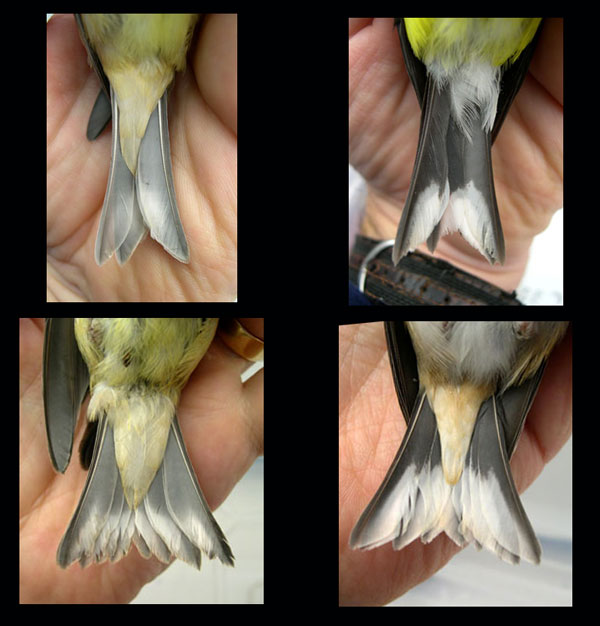
Credit: www.sibleyguides.com
Frequently Asked Questions
How Can You Tell What Gender A Bird Is?
You can determine a bird’s gender by observing its plumage, size, and behavior. Some species have distinct coloration differences. For many birds, DNA testing or veterinary examination is required to accurately identify gender.
When Male And Female Birds Look Different?
Male and female birds often look different due to sexual dimorphism. Males typically have brighter colors and elaborate plumage to attract females. Females usually have duller colors for better camouflage, especially during nesting. This difference helps in mating and survival.
How To Identify Male And Female Parrots?
Male parrots often have brighter colors and larger heads. Female parrots typically have duller colors and smaller heads. Check for behavioral differences; males may sing more. Some species require DNA testing for accurate identification.
How To Tell If Love Birds Are Male Or Female?
To distinguish male and female lovebirds, observe their behavior and physical traits. Males typically have a flatter head and more vibrant colors. Females often have a broader pelvis and a more rounded head. DNA testing provides the most accurate results.
Conclusion
Identifying a bird’s gender can be challenging but rewarding. Observe physical traits, behaviors, and consult expert resources. With patience and practice, you’ll become skilled at distinguishing between male and female birds. Use these tips to enhance your birdwatching experience and deepen your understanding of avian life.
Happy birdwatching!