

Bird eggs can survive without their mother for up to two weeks if kept warm. Survival depends on temperature and humidity conditions.
Bird eggs are delicate and require consistent warmth to develop properly. The mother bird usually provides this warmth by incubating the eggs. In her absence, eggs can still survive if kept in an environment that mimics her body temperature, typically around 100 degrees Fahrenheit.
Humidity is also crucial, as it prevents the eggs from drying out. Without the mother, eggs face a higher risk of not hatching due to fluctuations in temperature and humidity. Wildlife experts often use incubators to maintain these conditions and ensure the survival of the eggs. Proper care can significantly increase the chances of hatching healthy chicks.

Credit: www.berrypatchfarms.net
Introduction To Bird Egg Survival
Understanding how long bird eggs can survive without their mother is crucial. Bird eggs require specific conditions to ensure their survival. This knowledge helps bird enthusiasts and researchers alike.
Importance Of Maternal Care
Maternal care plays a vital role in the survival of bird eggs. The mother provides the necessary warmth through incubation. This keeps the eggs at the right temperature. Protection from predators is another key role of the mother. Without the mother, eggs are more vulnerable.
Humidity control is also managed by the mother. Bird eggs need a specific humidity level to develop properly. The mother ensures the eggs do not dry out. Turning the eggs is another critical task. This prevents the embryo from sticking to the shell.
Factors Affecting Survival
Several factors affect how long bird eggs can survive without their mother. Temperature is the most crucial factor. Eggs need consistent warmth to develop. A sudden drop in temperature can be fatal.
Humidity levels also play a significant role. Eggs need to stay moist but not too wet. Predation is another concern. Without the mother, eggs are easy targets for predators. Eggshell quality impacts survival as well. Strong shells are more resilient.
Species of the bird can also influence survival time. Some species have more resilient eggs. For example, ground-nesting birds often have tougher eggs. These eggs can withstand harsher conditions.
| Factor | Impact |
|---|---|
| Temperature | Critical for development |
| Humidity | Prevents drying out |
| Predation | Increases vulnerability |
| Eggshell Quality | Determines resilience |
| Species | Varies survival time |
Understanding these factors helps in conservation efforts. It ensures bird populations remain healthy and thrive.
Temperature And Incubation
Understanding the role of temperature in the incubation of bird eggs is crucial. Temperature directly affects the survival and development of the embryos. Proper temperature management ensures healthy hatching.
Optimal Temperature Ranges
The ideal temperature for incubating bird eggs typically ranges between 99°F to 102°F (37.2°C to 38.9°C). Different species may require slightly different temperatures. Maintaining this temperature range is essential for the embryos’ survival.
| Species | Optimal Temperature (°F) | Optimal Temperature (°C) |
|---|---|---|
| Chicken | 99.5 | 37.5 |
| Duck | 99.5 | 37.5 |
| Parrot | 99.3 | 37.4 |
Effects Of Temperature Fluctuations
Temperature fluctuations can be detrimental to bird eggs. Low temperatures can slow embryo development or cause death. High temperatures can lead to deformities or overheating.
- Below 97°F (36.1°C): Development slows, risk of death increases.
- Above 103°F (39.4°C): Risk of deformities, overheating increases.
Consistent monitoring is essential. Use a reliable thermometer to ensure stability. Small deviations can be managed, but large fluctuations are harmful.
Humidity And Egg Viability
Humidity plays a crucial role in the survival of bird eggs. Without the right humidity levels, eggs may not develop properly. Understanding how humidity affects egg viability helps in ensuring the survival of bird eggs.
Role Of Humidity
Humidity helps maintain the egg’s internal environment. It keeps the egg’s contents from drying out. An egg needs a certain amount of moisture to develop correctly. Birds instinctively choose nesting sites with the right humidity levels.
- Proper humidity prevents the egg from losing too much water.
- It ensures the egg’s membrane remains flexible.
- Humidity supports the growth of the embryo inside the egg.
Birds often turn their eggs to distribute humidity evenly. This habit helps to keep the eggs healthy and viable.
Consequences Of Low Humidity
Low humidity can harm the developing bird embryo. Eggs can dry out if the air is too dry. This results in the embryo failing to grow properly. Here’s what can happen:
| Consequence | Explanation |
|---|---|
| Dehydration | The egg loses too much water, leading to dehydration. |
| Hardened Shell | The shell can become too hard, making it difficult for the chick to hatch. |
| Embryo Death | Severe dryness can lead to the death of the embryo inside the egg. |
Keeping eggs at the right humidity levels is crucial. It ensures the health and viability of the developing birds.
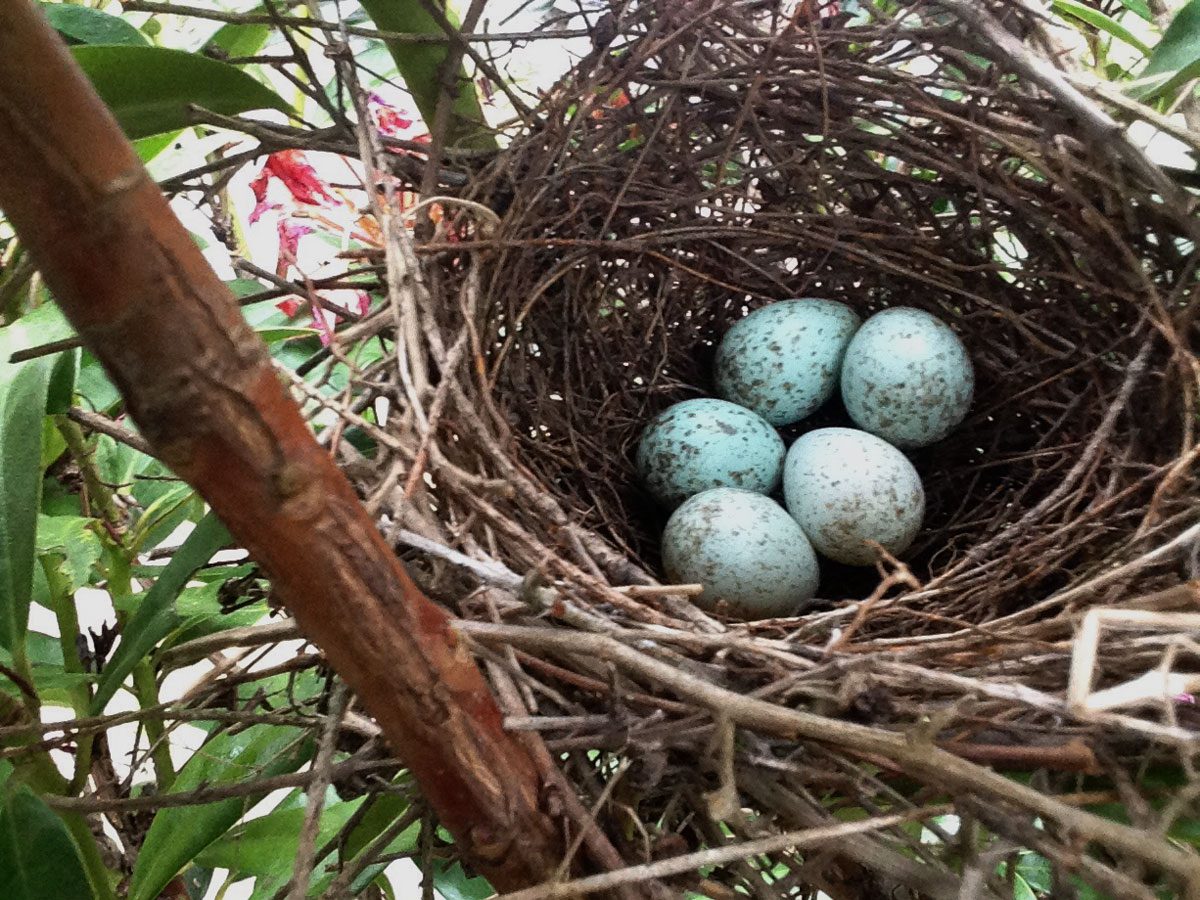
Credit: www.allaboutbirds.org
Predation And Nest Safety
Bird eggs face many challenges, and one of the biggest is predation. Predators can quickly destroy a nest, leaving the eggs vulnerable. Nest safety is crucial for the survival of bird eggs without their mother.
Common Predators
Many animals love bird eggs. Here are some common predators:
- Cats: Domestic and wild cats often hunt bird nests.
- Raccoons: These clever animals can climb and find nests easily.
- Snakes: Snakes slither into nests and eat the eggs.
- Crows: These birds are smart and can steal eggs quickly.
- Squirrels: They may seem cute but love bird eggs too.
Strategies For Nest Protection
Birds use many strategies to protect their nests. Here are some effective ones:
- Camouflage: Birds build nests in hidden spots.
- High Locations: They place nests high in trees or buildings.
- Thorny Bushes: Building nests in thorny plants keeps predators away.
- Decoy Nests: Some birds create fake nests to distract predators.
- Guarding: Parents often take turns watching the nest.
Protecting the nest is key for the survival of bird eggs. Without these strategies, many eggs would not survive.
Human Interference
Human interference can greatly impact bird eggs. People often find bird nests and get curious. This curiosity can sometimes harm the eggs. It is important to know the effects of disturbance and how to observe without causing harm.
Impact Of Disturbance
Disturbing a nest can cause the mother bird to leave. If the mother leaves, the eggs can get cold. Cold eggs may not hatch. Also, predators may find the nest if humans visit often. Always be careful around bird nests.
Best Practices For Observation
Follow these best practices to observe bird eggs safely:
- Keep a distance: Stay at least 10 feet away from the nest.
- Use binoculars: This helps you see without getting too close.
- Limit your visits: Do not visit the nest more than once a day.
- Be quiet: Loud noises can scare the mother bird.
By following these tips, you can enjoy watching birds without harming them. Remember, the safety of the bird eggs is very important.
Species-specific Behaviors
Understanding species-specific behaviors is crucial in determining how long bird eggs can survive without their mother. Different bird species exhibit unique behaviors that affect the survival of their eggs. These behaviors include incubation periods, parental roles, and responsibilities.
Variations In Incubation Periods
The incubation period varies significantly among bird species. Some birds have short incubation periods, while others have long ones. For example, small songbirds like sparrows may incubate their eggs for just 10-14 days. Larger birds, such as eagles, may take up to 35-45 days.
Shorter incubation periods mean eggs can hatch quicker. This reduces the risk of predators. Longer incubation periods often mean more care from the parents. Understanding these variations helps in predicting egg survival rates.
Parental Roles And Responsibilities
Parental roles also differ among bird species. In some species, both parents share incubation duties. This allows the eggs to stay warm and safe. In other species, only one parent incubates the eggs. The other parent might gather food or guard the nest.
For example, in penguins, both parents take turns incubating the eggs. This ensures that the eggs are never left alone. In contrast, in some shorebirds, the mother may leave the nest for long periods. The eggs must be able to survive these gaps in care.
| Bird Species | Incubation Period | Parental Roles |
|---|---|---|
| Sparrow | 10-14 days | Both parents |
| Eagle | 35-45 days | Both parents |
| Penguin | 30-40 days | Both parents |
| Shorebird | 20-30 days | One parent |
Understanding these species-specific behaviors helps in determining how long bird eggs can survive without their mother. Knowing the incubation periods and parental roles provides valuable insights into egg survival rates.
Emergency Measures
Bird eggs sometimes get left alone. This can be due to many reasons. To help these eggs, we need to act quickly. Here are some emergency measures to take care of bird eggs.
Artificial Incubation Techniques
Artificial incubation helps the eggs hatch without their mother. Use these techniques to keep the eggs warm and safe:
- Incubator: This is a machine that keeps eggs warm.
- Heat Lamp: Place a heat lamp above the eggs.
- Heating Pad: Set the pad to a low, safe temperature.
Make sure to maintain the right temperature and humidity. Keep the temperature around 99 to 102 degrees Fahrenheit. Humidity should be about 50% to 55%.
When To Intervene
Knowing when to help is crucial. Here are some signs:
- The mother has been gone for more than 24 hours.
- The nest is damaged or destroyed.
- The eggs are cold to the touch.
Act fast if you notice these signs. Use the artificial incubation techniques mentioned above.
| Technique | Temperature | Humidity |
|---|---|---|
| Incubator | 99-102°F | 50%-55% |
| Heat Lamp | 99-102°F | 50%-55% |
| Heating Pad | 99-102°F | 50%-55% |
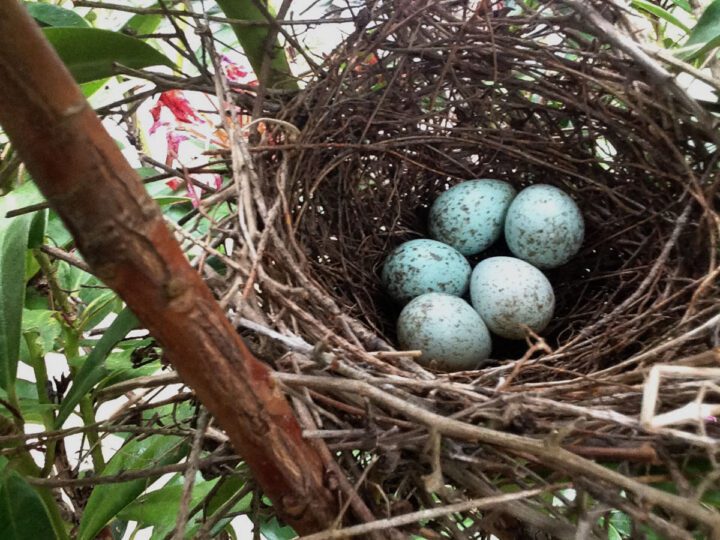
Credit: www.allaboutbirds.org
Frequently Asked Questions
Will Abandoned Bird Eggs Hatch?
Abandoned bird eggs rarely hatch. They need warmth from the parent to develop properly. Without it, they usually don’t survive.
How Long Can Eggs Survive Without Incubation?
Eggs can survive up to 7 days without incubation. After that, their chances of hatching decrease significantly. Store them in a cool, dry place to maximize viability.
What To Do If A Mama Bird Abandons Her Eggs?
Contact a wildlife rehabilitator for advice. Avoid touching the eggs. Keep the area quiet and undisturbed.
Do Female Birds Leave Their Eggs Unattended?
Female birds rarely leave their eggs unattended. They usually only leave briefly to forage for food.
Conclusion
Understanding the survival time of bird eggs without their mother is crucial for bird enthusiasts. Factors like temperature, humidity, and species play a role. Always ensure a safe environment for the eggs. This knowledge helps in protecting and preserving bird populations effectively.
Stay informed to support wildlife conservation efforts.