
Ducks can typically go without food for up to 48 hours. Prolonged periods without food can lead to severe health issues.
Ducks are resilient birds, but their health can rapidly decline without proper nutrition. They require a consistent diet to maintain their energy levels and overall well-being. Providing a balanced diet rich in proteins, vitamins, and minerals is essential for their growth and development.
Water is also crucial, as ducks need it for digestion and to stay hydrated. Neglecting their dietary needs can result in weakened immune systems and other serious health problems. Understanding their nutritional requirements helps ensure they lead healthy, active lives. Proper care and feeding are key to keeping ducks healthy and thriving.
Introduction To Duck Survival
Ducks are fascinating birds known for their adaptability. They live in various environments. Understanding their survival mechanisms is crucial. One important aspect is their ability to go without food. This section explores the significance of food for ducks.
Importance Of Food
Food is vital for ducks’ survival. It gives them energy and nutrients. Without food, ducks can become weak. They need a balanced diet. This includes grains, insects, and plants.
Energy is essential for their daily activities. They need it for flying and swimming. Ducks can survive without food for a few days. But it affects their health. They may become less active and more vulnerable to predators.
Nutrient deficiency can lead to health issues. Ducks might face problems like weak bones. They also need food to maintain their body temperature. In cold weather, food keeps them warm. Proper nutrition helps them grow and reproduce.
Natural Habitats
Ducks live in diverse habitats. These include lakes, rivers, and ponds. Each habitat offers different food sources. Ducks adapt to their surroundings. They find food in water and on land.
In wetlands, ducks eat aquatic plants and small fish. They also consume insects and snails. Wetlands provide ample food. Ducks thrive in these areas.
In urban areas, ducks rely on human-provided food. They eat bread, grains, and other scraps. This diet is not always healthy. It can lead to malnutrition.
In rural areas, ducks forage in fields and pastures. They eat seeds and insects. These areas offer a natural diet. Ducks in rural areas are often healthier.
| Habitat | Food Source |
|---|---|
| Wetlands | Aquatic plants, fish, insects |
| Urban Areas | Bread, grains, scraps |
| Rural Areas | Seeds, insects, plants |
Duck Dietary Needs
Ducks need the right diet to stay healthy. A balanced diet helps ducks grow strong. It also keeps their feathers shiny and their energy high.
Essential Nutrients
Ducks need specific nutrients to thrive. These include:
- Protein: Helps build muscles and feathers.
- Carbohydrates: Provides energy for daily activities.
- Vitamins and Minerals: Essential for overall health.
- Fats: Important for energy and warmth.
Common Food Sources
Ducks eat a variety of foods. These include:
- Grains: Corn, oats, and barley.
- Vegetables: Peas, lettuce, and spinach.
- Fruits: Apples, berries, and melons.
- Insects: Worms, beetles, and flies.
| Food Type | Examples | Benefits |
|---|---|---|
| Grains | Corn, oats, barley | High in energy |
| Vegetables | Peas, lettuce, spinach | Rich in vitamins |
| Fruits | Apples, berries, melons | Source of vitamins |
| Insects | Worms, beetles, flies | High in protein |
Factors Affecting Food Availability
Ducks, like many other animals, rely on consistent food sources for survival. Various factors can affect the availability of food for ducks. Understanding these factors is crucial for ensuring their well-being.
Seasonal Changes
Seasonal changes play a significant role in food availability for ducks. During winter, food sources become scarce. Ducks may struggle to find enough to eat. In spring and summer, food is more plentiful. Plants and insects are abundant, providing ample nourishment.
In autumn, ducks prepare for migration. They consume more food to build energy reserves. This is essential for their long journeys. The availability of food varies greatly with the changing seasons.
Environmental Influences
Environmental conditions also impact food availability for ducks. Wetlands and water bodies are prime feeding grounds. Pollution can reduce the quality and quantity of food sources. Human activities, such as construction, can destroy habitats. This leaves ducks with fewer places to find food.
Natural disasters, like floods or droughts, can also affect food sources. Floods may wash away plants and insects. Droughts can dry up water bodies, reducing available food. Ducks must adapt to these changes to survive.
Survival Mechanisms
Ducks have incredible survival mechanisms that help them endure tough conditions. Understanding these mechanisms can provide insight into how long ducks can go without food. In this section, we’ll delve into their metabolic adaptations and energy conservation strategies.
Metabolic Adaptations
Ducks can slow down their metabolism to save energy. This helps them survive without food. A slower metabolism means they burn fewer calories. This allows them to use stored fat for longer periods.
During times of food scarcity, ducks rely on their fat reserves. They can survive for days or even weeks without eating. The duration depends on their initial body condition and fat stores.
Energy Conservation
Ducks also practice energy conservation to extend survival. They reduce their activity levels significantly. This includes minimizing movements and staying in one place.
By staying still, ducks conserve more energy. Their bodies use less fuel, which helps them survive longer without food.
Key strategies for energy conservation:
- Reducing flight and swimming activities
- Staying in sheltered areas to avoid harsh weather
- Huddling together to share body warmth
These strategies ensure ducks use their energy reserves efficiently. This enhances their chances of survival during food shortages.
Time Without Food
Ducks, like all animals, need food to survive. Knowing how long they can go without food is crucial for their care. Ducks can survive without food for a certain period, but the duration varies. This blog post explores the duration ducks can go without food under different conditions.
Short-term Fasting
Ducks can handle short-term fasting quite well. They can survive without food for up to 24 hours. During this period, their bodies use stored energy to keep functioning. It’s important to provide them with water even if they are not eating.
Short-term fasting can happen due to various reasons. Sometimes ducks are stressed or ill and may refuse to eat. They can also go without food if they’re molting. Molting is the process of shedding old feathers and growing new ones. Ducks tend to eat less during this time.
Providing a balanced diet after a fasting period is essential. This helps ducks regain energy and stay healthy.
Long-term Effects
Long-term lack of food can harm ducks. After 24 hours without food, ducks start to show signs of weakness. Their energy levels drop, and they may become lethargic. Prolonged food deprivation leads to serious health issues.
Here’s a table showing the stages of food deprivation and their effects on ducks:
| Time Without Food | Effects on Ducks |
|---|---|
| 24-48 hours | Weakness, lethargy |
| 48-72 hours | Severe energy loss, difficulty moving |
| 72+ hours | Organ damage, risk of death |
Ducks need a steady supply of food for their well-being. If they go without food for more than 48 hours, their health seriously declines. It’s crucial to ensure ducks have access to food regularly.
In summary, ducks can manage short-term fasting. But long-term food deprivation leads to severe health issues. Always provide your ducks with enough food to keep them healthy and happy.
Credit: www.backyardchickens.com
Signs Of Starvation
Ducks, like all animals, need food to survive. Without food, they show signs of starvation. Recognizing these signs early can save their lives.
Behavioral Changes
Starving ducks behave differently. They become less active. They may not swim or fly. You might see them sitting more often.
- Lethargy: Ducks seem tired and slow.
- Lack of interest: They stop playing or exploring.
- Aggression: Hungry ducks can become aggressive.
Physical Symptoms
Physical signs show up quickly in starving ducks. These symptoms need attention.
| Symptom | Description |
|---|---|
| Weight Loss | Ducks become very thin. |
| Weakness | They struggle to stand or walk. |
| Feather Loss | Feathers look dull and fall out. |
Checking your ducks daily helps spot these signs early. Ensure they have enough food and water. Healthy ducks are happy ducks.
Impact On Reproduction
The availability of food plays a crucial role in duck reproduction. Ducks need enough nutrients to breed successfully and ensure the survival of their offspring. A lack of food can severely impact these processes.
Breeding Success
Adequate nutrition is vital for ducks during the breeding season. Female ducks need extra energy to produce eggs. Without enough food, they may not lay eggs at all. Even if they do lay eggs, the number of eggs can be significantly reduced.
Here is a table showing the impact of food availability on egg production:
| Food Availability | Average Number of Eggs |
|---|---|
| High | 10-12 |
| Moderate | 6-8 |
| Low | 1-3 |
As the table shows, reduced food availability can lead to fewer eggs. This directly impacts the duck population growth.
Offspring Survival
The survival of ducklings is another critical factor. Ducklings need food to grow and develop. Without sufficient food, their chances of survival decrease. In their first few weeks, ducklings are highly vulnerable. They need constant nourishment to stay healthy.
- Healthy ducklings grow faster and have better chances of survival.
- Malnourished ducklings are more susceptible to diseases and predators.
Here is a simple list of the stages affected by food availability:
- Egg laying and incubation
- Duckling growth and development
- Adult duck health and future breeding
Ensuring ducks have enough food is essential for their reproductive success. By understanding these impacts, we can better support duck populations.
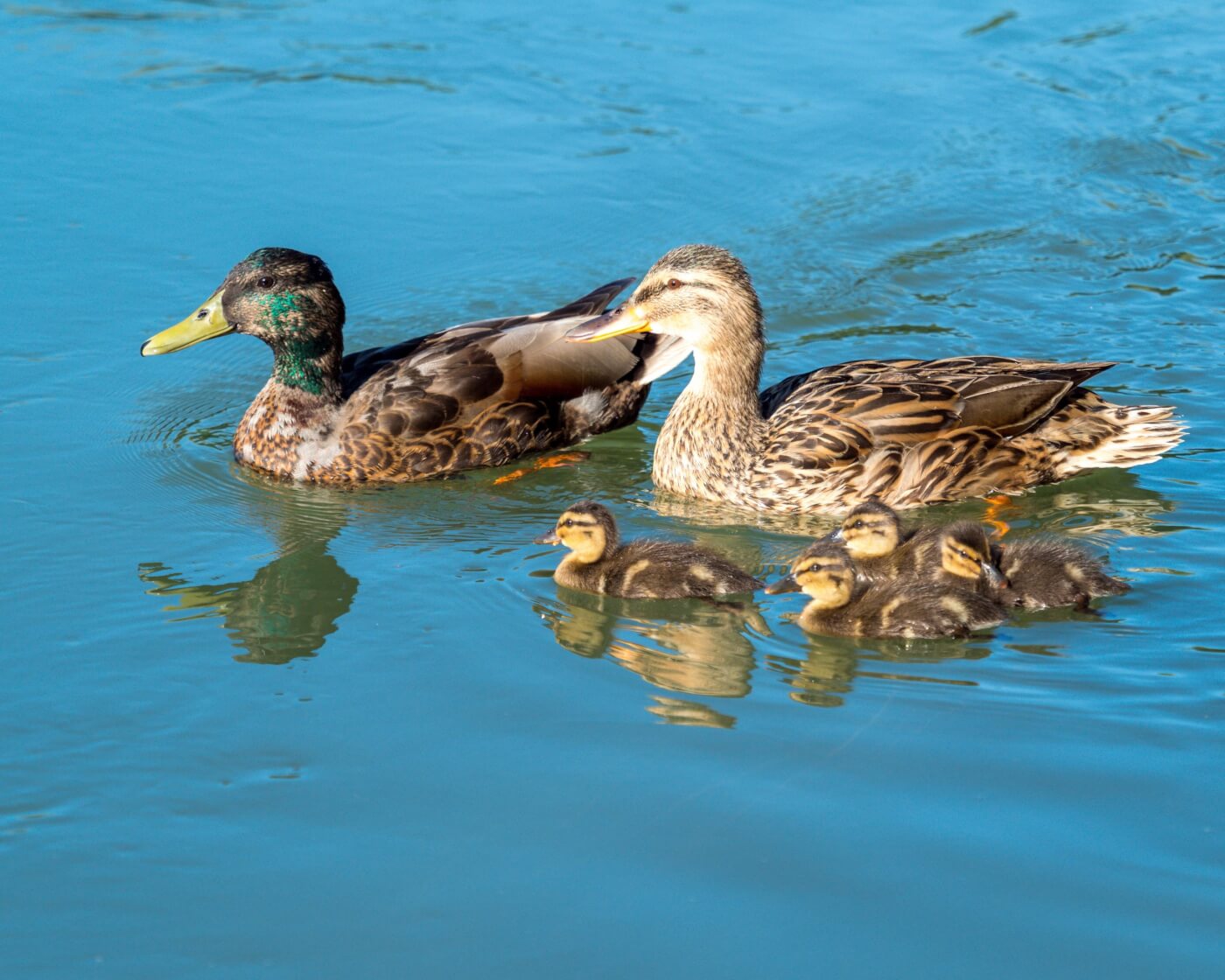
Credit: www.peta.org
Human Influence
Humans affect ducks’ feeding habits and survival rates. Our activities shape their environment. Understanding human influence helps us protect these beautiful birds.
Feeding Practices
Feeding ducks is a popular activity. Many people feed ducks bread. Bread is not healthy for ducks. It lacks essential nutrients. Ducks need a balanced diet. Bread can cause malnutrition. Ducks may become dependent on human food. This can harm their ability to forage naturally.
Conservation Efforts
Conservation efforts play a crucial role in duck survival. Protecting wetlands is vital. Wetlands provide food and shelter. Human development destroys these habitats. Conservation groups work to preserve wetlands. They also educate the public on proper feeding practices.
| Conservation Effort | Description |
|---|---|
| Wetland Preservation | Protecting natural habitats for ducks. |
| Public Education | Teaching proper feeding practices. |
| Research and Monitoring | Studying duck populations and health. |
- Feed ducks grains or seeds, not bread.
- Support wetland conservation projects.
- Learn about ducks’ natural diets.
Human influence can be positive or negative. Understanding our impact helps us make better choices. By adopting healthy feeding practices and supporting conservation, we ensure ducks thrive.
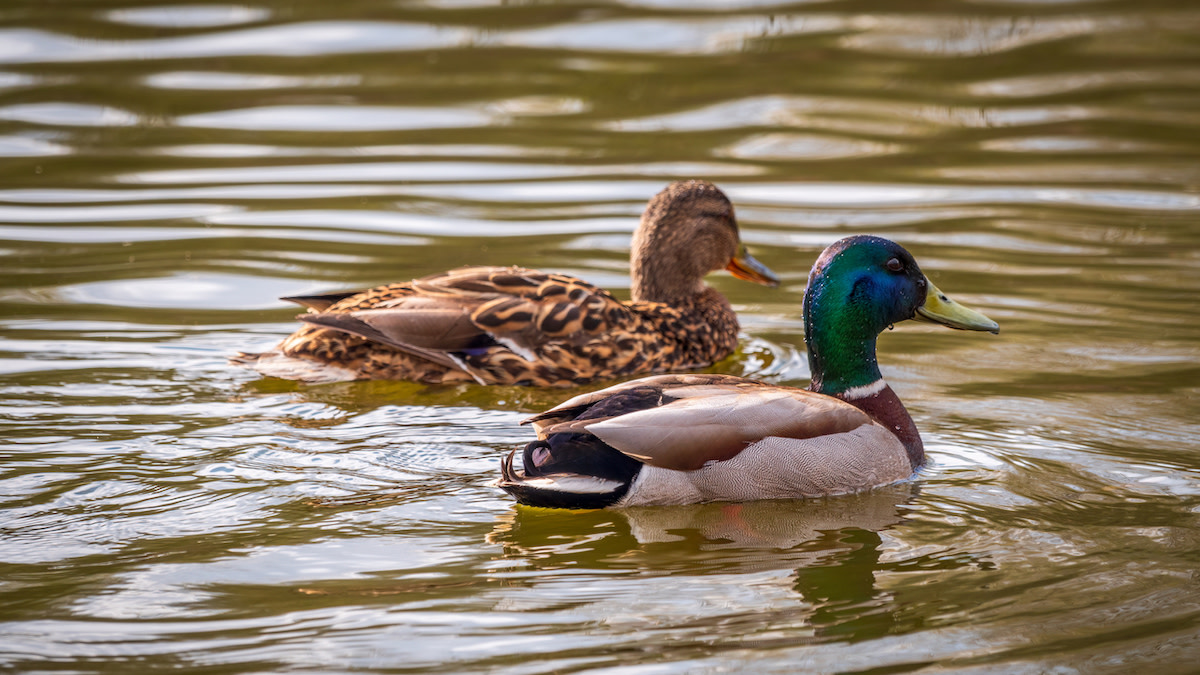
Credit: www.themeateater.com
Frequently Asked Questions
Can Ducks Survive Without Feed?
Ducks can survive without feed by foraging for natural food like insects, plants, and small fish. However, proper feed ensures balanced nutrition and better health.
How Often Do Ducks Need To Be Fed?
Ducks should be fed twice daily, once in the morning and once in the evening. Provide fresh water and balanced feed.
Can Ducks Be Left Alone For A Week?
Ducks should not be left alone for a week. They need daily care, food, water, and protection from predators. Consider arranging for someone to check on them.
Do Ducks Need Food All Night?
No, ducks do not need food all night. They typically eat during the day and sleep at night. Providing food during daylight hours is sufficient for their nutritional needs.
Conclusion
Ducks can survive without food for up to a week, but it’s not ideal. Regular feeding ensures their health and well-being. Always provide fresh water and balanced nutrition. Understanding their dietary needs helps in maintaining their energy levels. Proper care leads to happier and healthier ducks.