
A Purple Martin house should face east or southeast. This direction provides morning sunlight and protection from prevailing winds.
Purple Martins are migratory birds that rely heavily on human-made housing. Proper placement of their houses is crucial for attracting these birds. Facing the house east or southeast ensures optimal sunlight in the morning, which helps in warming the nests.
This orientation also offers protection from prevailing winds and harsh weather. Purple Martins prefer open spaces around their houses, so avoid placing them near tall trees or buildings. Ensuring the right direction and environment can significantly increase the chances of Purple Martins inhabiting the house. This setup supports their breeding and helps in maintaining their population.
Importance Of Proper Orientation
Proper orientation of a Purple Martin house is crucial. It ensures the well-being of these lovely birds. The direction the house faces can significantly impact bird health and nesting success. Let’s delve into why this matters.
Impact On Bird Health
The direction a Purple Martin house faces can affect bird health. Sunlight exposure is a key factor. Facing the house towards the east or southeast allows morning sun. This warms the house quickly, benefiting the birds.
Avoid facing the house north. North-facing houses receive less sunlight. This can lead to damp conditions. Damp conditions can cause mold growth. Mold can harm the birds.
Wind protection is another consideration. Strong winds can stress the birds. Position the house to shield it from prevailing winds. This helps maintain a stable and safe environment.
Influence On Nesting Success
Proper orientation also influences nesting success. Purple Martins prefer specific conditions for nesting. East or southeast-facing houses are ideal. These directions provide morning warmth. Warmth encourages early activity, aiding feeding and nesting.
Avoid west-facing houses. Afternoon heat can be intense. Excessive heat can cause nest abandonment. Ensure the house has ventilation. Proper airflow prevents overheating.
Predator protection is crucial. Position the house away from trees. Trees can harbor predators like snakes. A clear, open space deters predators, ensuring safer nesting.
| Direction | Benefits | Drawbacks |
|---|---|---|
| East | Morning warmth | None |
| Southeast | Optimal sunlight, wind protection | None |
| North | None | Damp conditions, mold risk |
| West | None | Excessive afternoon heat |
Ideal Directions For Purple Martin Houses
Choosing the right direction for your Purple Martin house is crucial. This ensures that these birds thrive in their new homes. Purple Martins are particular about where they live. The direction of their house impacts their comfort and safety.
North Vs. South
Placing a Purple Martin house facing north has its pros and cons. Northern winds can be cold and harsh. This might make the birds uncomfortable. On the other hand, facing south provides warmth. Southern exposure offers more sunlight, especially in the morning. This is beneficial for Purple Martins as it keeps their house warm.
| Direction | Advantages | Disadvantages |
|---|---|---|
| North | Cooler in summer | Cold winds in winter |
| South | Warmth from sunlight | Can get too hot |
East Vs. West
Facing a Purple Martin house towards the east is often recommended. Eastern exposure provides morning sunlight. This helps to warm the house early in the day. It also avoids the harsh afternoon sun. Facing the house towards the west can be less ideal. Afternoon sun can make the house very hot. This might make it uncomfortable for the birds.
- East: Morning sunlight, avoids afternoon heat.
- West: Afternoon sunlight, can overheat the house.
Climate Considerations
Understanding the climate considerations is crucial when deciding the direction for your Purple Martin house. The temperature and weather patterns significantly impact the birds‘ comfort and survival. This section will discuss the ideal house orientation for both cold and warm climates.
Cold Climates
In cold climates, Purple Martins need extra warmth to thrive. Facing the house south or southeast can help. This direction allows the morning sun to warm the house quickly. The warmth is vital during chilly spring mornings. Additionally, it helps to keep the house dry by reducing moisture buildup.
Consider these tips:
- Ensure the house is sturdy to withstand strong winds.
- Use insulated materials for added warmth.
- Install a windbreak nearby to shield from harsh winds.
Warm Climates
In warm climates, excessive heat can be a problem. Facing the house north or northeast can mitigate heat exposure. This direction helps keep the house cooler during hot afternoons. It ensures the birds remain comfortable and reduces the risk of overheating.
Consider these tips:
- Provide shade using trees or artificial covers.
- Ensure proper ventilation to allow air circulation.
- Use light-colored materials to reflect sunlight.
Refer to the table below for a quick summary:
| Climate | Direction | Key Tips |
|---|---|---|
| Cold | South or Southeast |
|
| Warm | North or Northeast |
|
Wind And Weather Factors
When setting up a Purple Martin house, the direction it faces matters a lot. Wind and weather factors can significantly impact the safety and comfort of these birds. Let’s explore the best practices for protecting your Purple Martin house from harsh weather elements.
Protection From Wind
Facing the house away from strong winds is crucial. This helps keep the nests stable. Place the house so it faces east or southeast. This direction minimizes exposure to prevailing winds. Purple Martins prefer calm environments, and a sheltered location helps them thrive.
Rain And Storms
Rain can be harmful to the nests if they get wet. Make sure the house has a sloped roof. This design ensures water runs off quickly. It is also helpful to have drainage holes at the bottom.
Position the house so it is not directly exposed to heavy rain. Trees or buildings nearby can offer some protection. But ensure they do not block the entrance holes.
| Direction | Benefits |
|---|---|
| East | Reduces wind exposure |
| Southeast | Minimizes rain impact |
By considering these factors, you can provide a safe home for Purple Martins. Proper placement helps protect them from wind and weather.
Sunlight Exposure
Proper sunlight exposure is crucial for a Purple Martin house. The right balance of sunlight ensures the birds are comfortable and safe. It also helps keep the house dry and warm.
Morning Sunlight
Ensure the Purple Martin house faces east. This allows the house to get morning sunlight. Morning sunlight helps warm the house early in the day. It also dries any morning dew quickly. This warmth is important for the birds’ comfort and health.
Birds are more active in the morning. The sunlight encourages them to start their day early. This also helps keep the house dry and free from mold.
Afternoon Shade
Afternoon shade protects the house from the intense heat of the day. This prevents the house from getting too hot. Overheating can be dangerous for the birds, especially the young ones.
Place the house where it gets shade in the afternoon. This can be near a tree or a taller structure. But, ensure that these structures do not block the morning sunlight.
| Time of Day | Sunlight Exposure |
|---|---|
| Morning | Full Sunlight |
| Afternoon | Shade |
- Morning Sunlight helps in warming and drying the house.
- Afternoon Shade prevents the house from overheating.
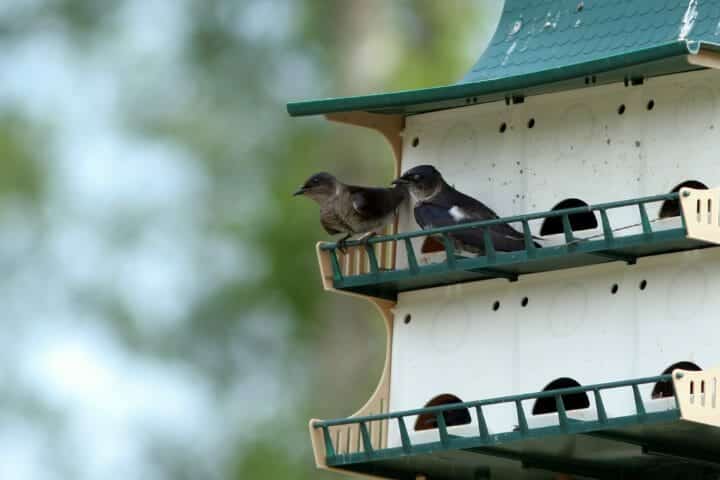
Credit: earthlife.net
Predator Avoidance
Protecting Purple Martins from predators is essential for their safety. A well-placed Purple Martin house can help keep these birds safe. This section covers common predators and safety measures to avoid them.
Common Predators
Purple Martins face threats from several predators. Knowing these predators helps in protecting the birds.
| Predator | Description |
|---|---|
| Snakes | They climb poles to reach bird houses. |
| Raccoons | They are strong and can open bird house doors. |
| Owls | They hunt at night and can grab birds through holes. |
| Cats | They can jump and climb to reach nests. |
Safety Measures
Implementing safety measures ensures the protection of Purple Martins. Here are some effective steps:
- Install predator guards on poles to stop climbing predators.
- Ensure doors on bird houses are secure and hard to open.
- Place houses in open areas to reduce predator access.
- Use owl guards to prevent owls from reaching inside houses.
Using these safety measures can greatly reduce predator threats. Keeping Purple Martins safe is crucial for their survival.
Location And Surroundings
Choosing the right location for a Purple Martin house is crucial. Purple Martins are picky about their homes. Their survival depends on it. Let’s explore the ideal surroundings for a Purple Martin house.
Open Areas
Place your Purple Martin house in an open area. This helps the birds see predators. Open spaces also make it easier for them to find food. Avoid placing the house near tall buildings or dense trees.
A table can help you decide the best spot:
| Location | Reason |
|---|---|
| Open Field | Clear view and easy access |
| Near a Water Body | Source of insects |
| Far from Buildings | Reduces risk of predation |
Nearby Trees
Nearby trees can be beneficial but keep them at a distance. Trees should be about 40-60 feet away. This distance keeps predators at bay but provides perches for the birds.
Here are some tips about trees and Purple Martins:
- Trees should not block the entrance
- Ensure trees are not too dense
- Avoid placing the house near climbing plants
In summary, place the house in an open area with distant trees. This setting ensures the safety and comfort of Purple Martins.
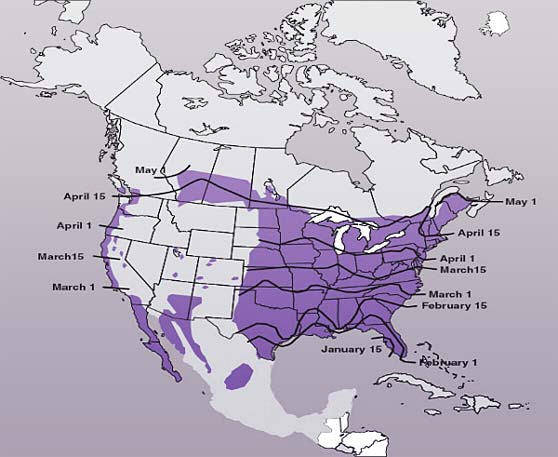
Credit: www.backyardbirdwatcher.com
Expert Recommendations
Choosing the right direction for a Purple Martin house is crucial. Experts suggest specific directions to ensure the birds’ safety and comfort. Let’s dive into the details provided by birdwatchers and scientific studies.
Birdwatcher’s Insights
Experienced birdwatchers recommend facing the Purple Martin house towards open areas. The house should face east or southeast. This direction helps the birds get morning sunlight.
Birdwatchers also note that facing the house away from prevailing winds is beneficial. This keeps the nests dry and safe from bad weather.
Scientific Studies
Scientific studies support the birdwatchers’ advice. Research shows that Purple Martins prefer houses facing open areas. East or southeast-facing houses receive ample morning sunlight, which is crucial for the birds’ health.
Additionally, studies reveal that houses facing away from strong winds have lower nest failure rates. This ensures the birds’ safety and increases their chances of breeding successfully.
| Direction | Benefits |
|---|---|
| East | Morning sunlight, less wind exposure |
| Southeast | Ample sunlight, protection from wind |
In summary, experts agree on specific directions. East or southeast is best for Purple Martin houses. This ensures sunlight and protects from harsh weather.
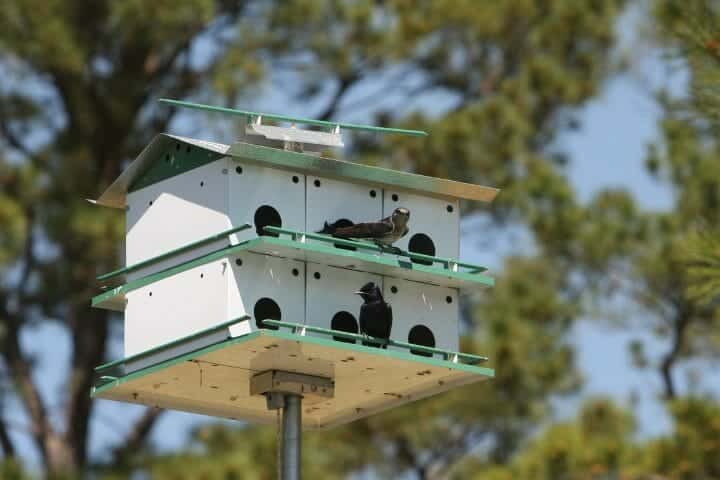
Credit: earthlife.net
Frequently Asked Questions
What Direction Does Purple Martin House Face?
Face the Purple Martin house east or southeast. This direction attracts martins and provides optimal morning sunlight.
How High In The Air Should A Purple Martin House Be?
A Purple Martin house should be 12 to 20 feet above the ground. Ensure it’s in an open area.
Why Do You Lower Purple Martin Houses?
Lowering Purple Martin houses helps monitor nests, clean compartments, and check for predators. It ensures the birds’ safety and health.
What Time Of Year Do You Put Out Purple Martin Houses?
Put out Purple Martin houses in late winter or early spring, before they return from migration. This timing ensures they find your houses upon arrival.
Conclusion
Facing your Purple Martin house east or southeast will provide the best results. This orientation helps attract these beautiful birds by offering optimal sunlight and wind protection. By following these guidelines, you can create a welcoming environment for Purple Martins and enjoy their presence in your garden.
Happy birdwatching!