

Birds eat stones to aid in digestion. The stones help grind up food in their gizzards.
Birds lack teeth, so they cannot chew food. To compensate, they swallow small stones or grit. These stones travel to the gizzard, a muscular part of the stomach. The gizzard uses these stones to grind food into smaller, digestible pieces.
This process helps birds break down seeds, grains, and other hard foods. The stones remain in the gizzard until they become too smooth to be effective. Birds then pass these stones and ingest new ones. This natural behavior ensures birds efficiently process their food. Understanding why birds eat stones can provide insights into their unique digestive systems.
Introduction To Birds Eating Stones
Birds eating stones is a curious sight. You might wonder why they do it. This behavior is fascinating and serves a purpose. Let’s dive into this unique aspect of bird life.
Curious Bird Behaviors
Birds exhibit many interesting behaviors. Eating stones, also known as geophagy, is one of them. This behavior helps birds digest their food. The stones grind up food in their gizzards.
Birds often pick up small, smooth stones. They swallow these stones whole. The stones stay in the gizzard. The gizzard is a special part of a bird’s stomach. It helps break down food.
Common Misconceptions
People have many misconceptions about birds eating stones. Some think the birds are confused. Others believe the stones are food. This is not true.
Birds do not mistake stones for food. They eat stones to aid digestion. This behavior is natural and beneficial for them.
| Myth | Fact |
|---|---|
| Birds think stones are food | Birds use stones to digest food |
| Stones harm birds | Stones help birds break down food |
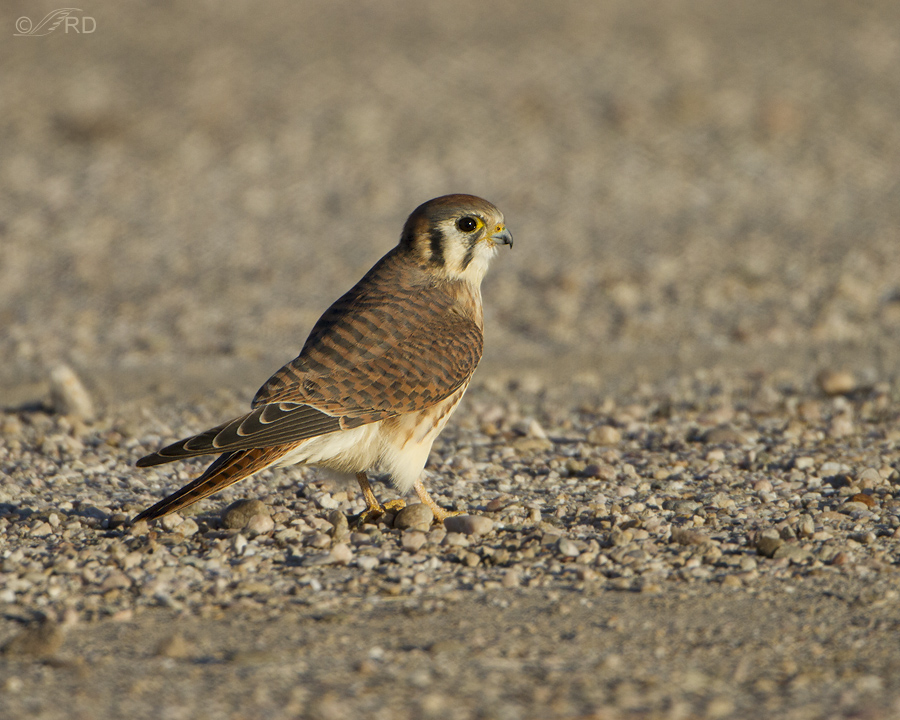
- Birds swallow small stones.
- Stones stay in their gizzards.
- Gizzards grind food with the stones.
Credit: www.featheredphotography.com
Role Of Grit In Digestion
Birds often eat small stones and grit. These help in their digestion process. This might seem odd, but it is essential for their health. Grit plays a crucial role in breaking down food. Birds do not have teeth like humans. So, they need another way to grind their food.
Mechanical Digestion
The stones birds eat help in mechanical digestion. Grit sits in a special part of their stomach called the gizzard. The gizzard is strong and muscular. It uses the stones to grind up food. This makes the food easier to digest. Without grit, birds would struggle to get nutrients from their food.
Some birds eat more grit than others. It depends on their diet. Birds that eat seeds and hard food need more grit. Soft food is easier to digest and needs less grit. Here is a comparison of grit needs:
| Type of Bird | Grit Needs |
|---|---|
| Seed-eating Birds | High |
| Fruit-eating Birds | Low |
| Insect-eating Birds | Medium |
Breaking Down Food
The gizzard’s strong muscles work hard. They use grit to break down food. This process is vital for birds. It helps them get the most out of their meals. The grit acts like sandpaper. It grinds the food into tiny pieces. These pieces are then easier to digest.
Birds often replace old grit with new stones. This keeps their gizzard working efficiently. Eating grit is a natural behavior for birds. It ensures they stay healthy and can digest their food properly.
Nutritional Benefits
Birds eating stones might seem strange, but it has clear nutritional benefits. These small stones, known as grit, help birds digest food. They also provide essential minerals and nutrients that support a bird’s health.
Mineral Intake
Stones provide birds with essential minerals. These minerals are vital for various bodily functions. Birds can’t get all needed minerals from their food alone.
- Zinc: Supports immune system
- Iron: Helps with oxygen transport
- Magnesium: Aids in muscle function
Birds crush stones in their gizzard. This process releases minerals. These minerals are then absorbed into the bird’s bloodstream.
Calcium Sources
Calcium is crucial for birds, especially for egg-laying females. Stones can be a great source of calcium. Birds need calcium for strong bones and eggshell formation.
Birds often eat calcium-rich stones like limestone. This helps meet their calcium needs. Without enough calcium, birds can develop brittle bones and weak eggshells.
| Calcium Source | Benefit |
|---|---|
| Limestone | Strong bones |
| Oyster shells | Healthy eggshells |
Eating stones ensures birds get a steady calcium supply. This is essential for their overall health.
Impact On Bird Health
Birds eating stones may seem odd, but it’s crucial for their health. These small stones, called grit, aid in their digestion. Grit helps birds break down food, ensuring they get the nutrients needed.
Digestive Efficiency
Grit plays a key role in a bird’s digestive system. Birds do not have teeth to chew their food. Instead, they rely on their gizzard, a muscular part of the stomach. Grit in the gizzard helps grind up seeds and other food.
This grinding process improves digestive efficiency. It allows birds to absorb more nutrients from their food. A bird with better digestion stays healthier and stronger.
| Benefit | Description |
|---|---|
| Improved Digestion | Grit helps break down hard food particles. |
| Better Nutrient Absorption | More nutrients are absorbed from the food. |
Preventing Malnutrition
Without grit, birds can suffer from malnutrition. Food may pass through their digestive system without being fully processed. This means birds won’t get all the vitamins and minerals they need.
Malnutrition can lead to various health issues. Birds may become weak, lose feathers, or even face severe illnesses. Grit ensures that birds get a balanced diet and stay healthy.
- Balanced Diet: Grit helps birds get all necessary nutrients.
- Prevents Weakness: Proper digestion keeps birds strong and active.
- Avoids Health Issues: Reduces the risk of malnutrition-related diseases.
Species-specific Habits
Birds eating stones might seem strange, but it serves a purpose. Different bird species have unique reasons for this behavior. Let’s explore the habits of various birds and their stone-eating practices.
Birds That Eat Stones
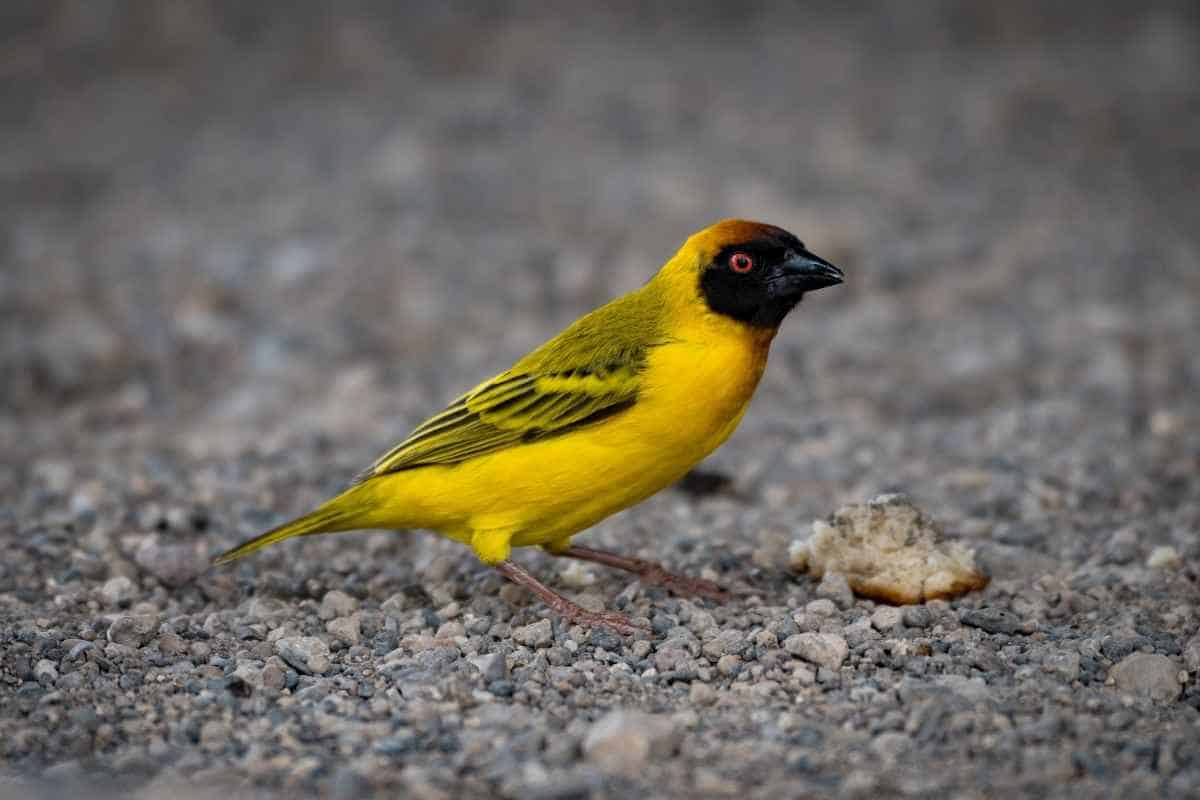
Many bird species eat stones or grit to aid digestion. Here’s a table showcasing a few:
| Bird Species | Purpose of Eating Stones |
|---|---|
| Chickens | Helps grind food in their gizzard. |
| Pigeons | Aids in breaking down hard seeds. |
| Turkeys | Assists in digesting tough plant material. |
Variations Among Species
Not all birds eat stones for the same reasons. Here are some variations:
- Size of Stones: Smaller birds like sparrows eat tiny grains of sand. Larger birds like turkeys consume bigger pebbles.
- Frequency: Some birds ingest stones daily, while others do so less often.
- Type of Diet: Herbivorous birds need stones to grind tough plant fibers. Carnivorous birds might not need stones as much.
Understanding these habits helps us appreciate the diversity of bird behavior. Birds use stones to survive and thrive in their environments.

Credit: biology.stackexchange.com
Seasonal And Environmental Factors
Birds often eat stones. This behavior is influenced by seasonal and environmental factors. Stones help birds digest food. Different seasons and environments impact this need.
Availability Of Food
Food availability changes with seasons. In spring and summer, food is abundant. Birds eat insects, seeds, and fruits.
In winter, food is scarce. Snow covers the ground. Birds find it hard to get enough food. Eating stones helps them digest what they find.
Changes In Diet
Birds’ diets change with the seasons. In warmer months, they eat soft foods like berries. In colder months, they eat harder foods. These might be dried seeds or tough plant materials.
Stones aid in grinding these hard foods. The stones act like teeth. Birds store them in their gizzards.
| Season | Food Availability | Diet Type |
|---|---|---|
| Spring | High | Insects, seeds, fruits |
| Summer | High | Insects, seeds, fruits |
| Fall | Medium | Mixed |
| Winter | Low | Dried seeds, tough plants |
Birds adapt to these changes. Stones play a vital role in their digestive system. It helps them survive seasonal shifts.
Comparative Analysis
Understanding why birds eat stones can be intriguing. This behavior, known as gastrolithy, is quite fascinating. Let’s explore this by comparing birds to other animals and examining evolutionary perspectives.
Birds Vs. Other Animals
Birds are not the only animals that eat stones. Other animals do it too. These stones help in their digestion. Let’s see how birds and other animals compare:
| Animal | Reason for Eating Stones |
|---|---|
| Birds | Stones help grind food in the gizzard. |
| Reptiles | Stones aid in digestion and buoyancy. |
| Fish | Stones help with digestion and balance. |
Birds have a unique digestive system. The gizzard crushes food with stones. Reptiles and fish also use stones. But their reasons are slightly different.
Evolutionary Perspectives
Eating stones is an old behavior. It has evolutionary roots. This trait helps many animals survive. Let’s look at how this behavior evolved:
- Ancient Birds – Fossils show that ancient birds ate stones. These stones helped them digest hard food.
- Modern Birds – Today’s birds still eat stones. This behavior has been passed down for millions of years.
- Other Animals – Reptiles and fish also evolved to eat stones. This shared trait shows its survival importance.
Evolution has shaped many animal behaviors. Eating stones is one of them. This behavior ensures proper digestion. It also supports survival in various environments.
Conclusion And Future Research
Birds eating stones is a curious behavior. It has fascinated scientists and bird enthusiasts alike. This section delves into what we know and where more research is needed.
Current Understanding
Birds eat stones to help with digestion. These stones, called gastroliths, grind food in their gizzards. This process makes it easier for birds to digest tough materials like seeds and fibrous plants.
Scientists believe this behavior is crucial for survival. Birds without access to stones may struggle to digest food properly. This could lead to malnutrition or even death.
Areas For Further Study
There are many unanswered questions about this behavior. Researchers want to know more about:
- Variation in stone-eating habits among different bird species.
- The types of stones preferred by birds.
- How often birds need to replenish their gastroliths.
Understanding these factors can provide insights into bird health and evolution. Future studies could use advanced techniques like X-rays and ultrasound. These tools can help scientists see inside birds without harming them.
Another area of interest is the impact of environmental changes. How do factors like pollution and habitat loss affect birds’ access to suitable stones? Addressing these questions can help in conservation efforts.
Birds eating stones is a unique behavior with vital biological roles. It helps them digest food and survive in the wild. While much has been learned, many mysteries remain. Continued research will uncover new insights and aid in bird conservation.
Credit: www.quora.com
Frequently Asked Questions
Why Do Birds Swallow Stones Or Pebbles?
Birds swallow stones or pebbles to aid in digestion. These stones help grind up food in their gizzards, improving nutrient absorption.
What Kind Of Bird Eats A Stone?
Birds like chickens, pigeons, and ostriches eat stones. These stones help them grind food in their gizzards.
What Is It Called When Birds Eat Gravel?
Birds eating gravel is called “grit consumption. ” They use it to help grind food in their gizzards for digestion.
Why Do Birds Peck At Gravel?
Birds peck at gravel to aid digestion. The small stones help grind up food in their gizzards. This process improves nutrient absorption.
Conclusion
Birds eat stones to aid their digestion and break down food. These small stones, called gastroliths, help grind food in their gizzards. This natural behavior ensures they efficiently process nutrients. Understanding this behavior highlights the fascinating adaptations birds have for survival.
Keep observing and appreciating the wonders of avian life.