
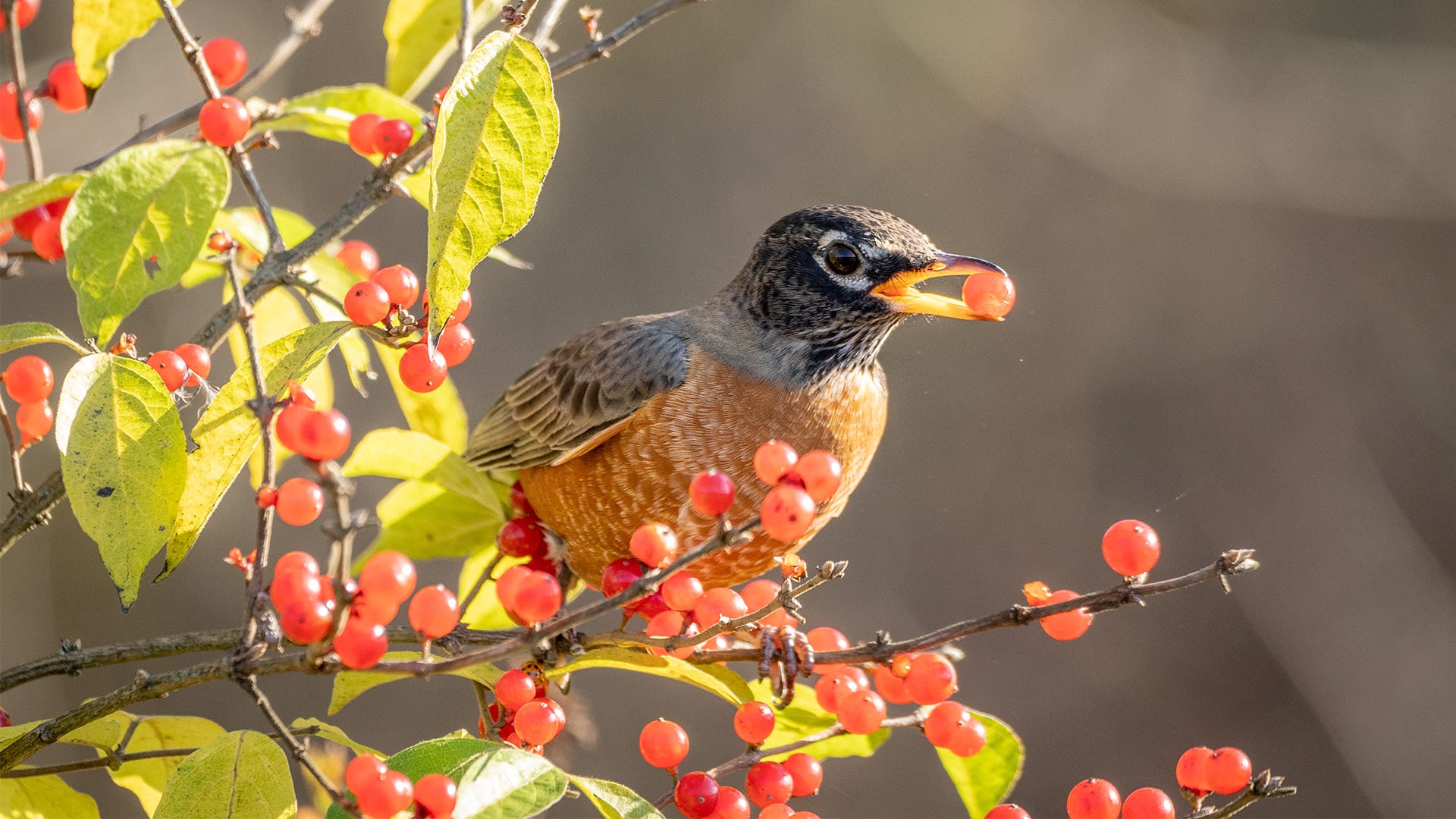
Yes, many birds eat nuts. Species like woodpeckers, jays, and chickadees include nuts in their diet.
Birds love nuts for their rich nutritional content. Nuts provide essential fats, proteins, and calories, making them a valuable food source. Various bird species have adapted to crack open nuts with their strong beaks. Woodpeckers, for instance, use their chisel-like beaks to access the nut’s interior.
Jays often store nuts for later consumption, showcasing their remarkable memory. Feeding birds nuts can attract a diverse array of species to your backyard. Offering shelled or unshelled nuts can cater to different bird preferences. Always ensure the nuts are unsalted and free from additives to keep our feathered friends healthy.
Credit: www.perkypet.com
Introduction To Birds And Nuts
Many birds enjoy eating nuts as part of their diet. Nuts provide essential nutrients for birds. Understanding which birds eat nuts can be fascinating. This post explores birds’ dietary preferences and the nutritional value of nuts.
Birds’ Dietary Preferences
Birds have diverse diets depending on their species. Some birds prefer seeds, insects, and fruits. Others enjoy nuts as a primary food source. Birds like woodpeckers, jays, and parrots often eat nuts. These birds have strong beaks to crack open hard nut shells. Smaller birds may eat softer nuts or nut pieces.
- Woodpeckers
- Jays
- Parrots
- Chickadees
- Titmice
Birds that eat nuts usually have specific physical traits. These traits help them access the nuts’ rich nutrients.
Nutritional Value Of Nuts
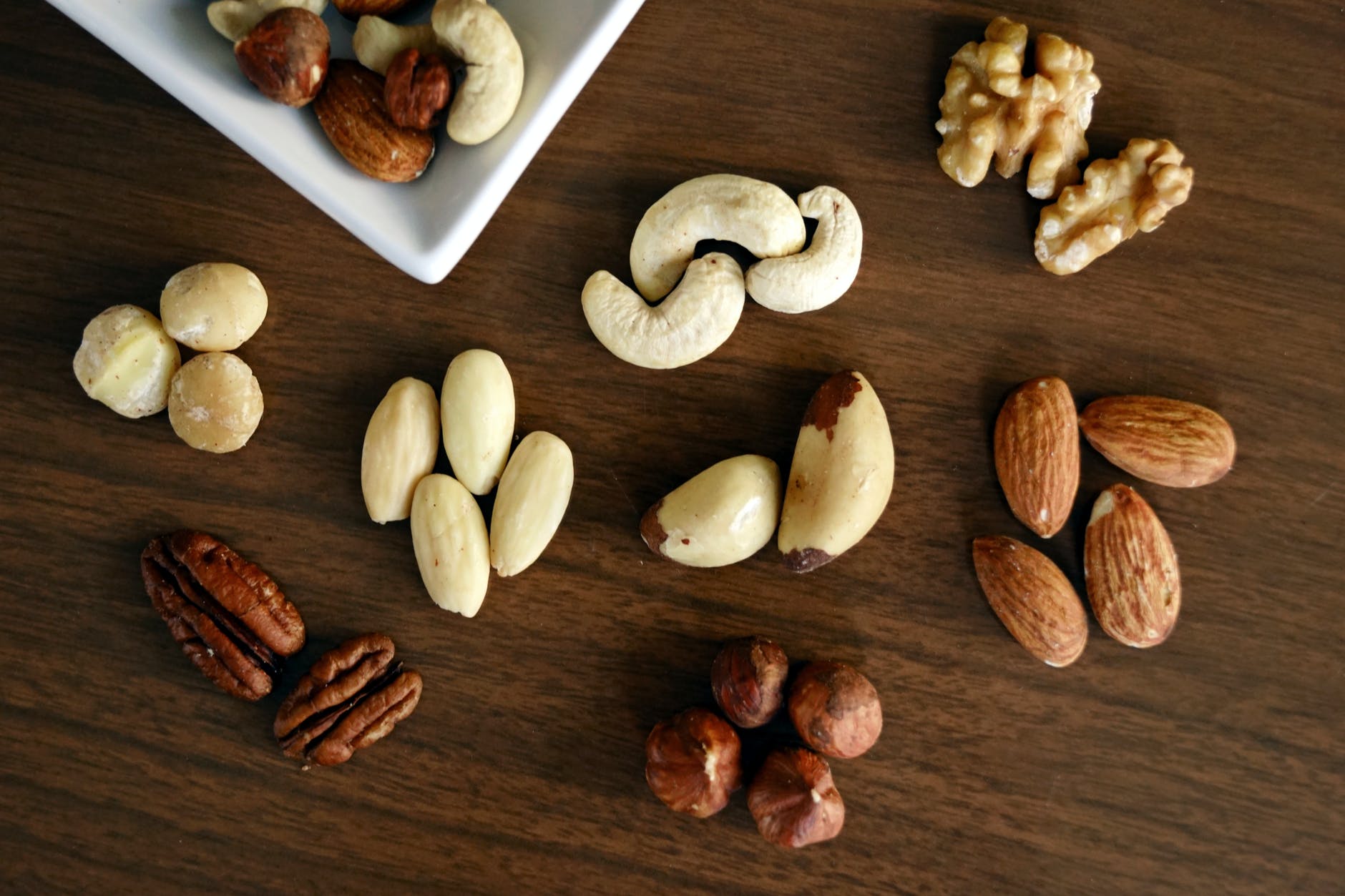
Nuts are a rich source of essential nutrients for birds. They provide protein, fats, and vitamins. These nutrients are vital for birds’ health and energy. Below is a table showing common nuts and their nutritional benefits.
| Nut Type | Protein | Fats | Vitamins |
|---|---|---|---|
| Almonds | High | Moderate | Vitamin E, B2 |
| Walnuts | Moderate | High | Vitamin E, B6 |
| Pecans | Moderate | High | Vitamin A, E |
| Peanuts | High | Moderate | Vitamin B3, E |
Nuts also contain essential minerals like magnesium and iron. These minerals support birds’ bone health and metabolic functions. Including nuts in birds’ diets can enhance their overall well-being.
Credit: www.mac-nuts.com
Common Nut-eating Birds
Many birds eat nuts as part of their diet. Nuts provide essential nutrients and energy. Let’s explore some common nut-eating birds.
Parrots
Parrots are colorful and intelligent birds. They love eating nuts. Popular types include:
- Almonds
- Walnuts
- Pecans
Parrots use their strong beaks to crack open nuts. They enjoy the challenge of getting to the nut inside. Nuts help keep their beaks healthy and strong.
Woodpeckers
Woodpeckers are known for pecking trees. They also eat nuts. They prefer:
- Acorns
- Hazelnuts
- Beechnuts
Woodpeckers store nuts in tree holes. This behavior is called “caching”. Stored nuts provide food during colder months.
| Bird | Favorite Nuts |
|---|---|
| Parrots | Almonds, Walnuts, Pecans |
| Woodpeckers | Acorns, Hazelnuts, Beechnuts |
Types Of Nuts Birds Eat
Birds enjoy a variety of nuts. They find them tasty and nutritious. Nuts provide essential fats, proteins, and other nutrients. Let’s explore the types of nuts birds love to eat.
Common Nuts
Many birds eat common nuts. These nuts are easy to find and feed. Here are some popular choices:
- Peanuts: Birds like blue jays and woodpeckers love peanuts. They are high in protein and energy.
- Almonds: Parrots and cockatiels enjoy almonds. These nuts are rich in vitamins and minerals.
- Walnuts: Walnuts are a favorite for many birds. They are full of healthy fats.
Exotic Nuts
Some birds prefer exotic nuts. These nuts are less common but very nutritious. Here are a few examples:
- Macadamia Nuts: Parrots love macadamia nuts. They provide good fats and energy.
- Pistachios: Birds like conures and cockatoos enjoy pistachios. These nuts are high in antioxidants.
- Pine Nuts: Pine nuts are a treat for many birds. They are rich in vitamins and healthy fats.
Benefits Of Nuts For Birds
Nuts are a delightful treat for many bird species. They offer a range of benefits that support birds’ overall health and well-being. By including nuts in their diet, birds enjoy both nutritional and behavioral advantages.
Health Benefits
Nuts are packed with essential nutrients. These nutrients play a vital role in a bird’s health.
- Protein: Nuts provide high-quality protein. This helps in muscle growth and repair.
- Healthy Fats: Nuts contain healthy fats. These fats offer birds a great energy source.
- Vitamins and Minerals: Nuts are rich in vitamins like E and B. They also have minerals such as magnesium and potassium.
These nutrients help in maintaining strong bones, shiny feathers, and a robust immune system. Nuts also aid in digestion and improve metabolic functions.
Behavioral Benefits
Eating nuts can also benefit birds‘ behavior. Birds enjoy the challenge of cracking open shells. This activity keeps them engaged and stimulated.
- Mental Stimulation: Cracking nuts keeps birds‘ minds active.
- Physical Exercise: Working on nuts provides good exercise for their beaks and claws.
This engagement prevents boredom and reduces stress. Birds that are mentally stimulated are generally happier and healthier.
| Type of Nut | Main Nutritional Benefit | Behavioral Benefit |
|---|---|---|
| Almonds | High in Vitamin E | Great for beak exercise |
| Walnuts | Rich in Omega-3 fats | Challenging to open |
| Pecans | High in antioxidants | Encourages natural foraging |
Incorporating nuts into birds’ diets offers numerous benefits. They improve both physical health and mental well-being.
Potential Risks Of Feeding Nuts
Feeding nuts to birds can be a delightful sight. But there are risks involved. Understanding these risks can ensure bird safety. Let’s dive into two major concerns: choking hazards and allergies.
Choking Hazards
Nuts can pose a choking risk for birds. They may try to swallow large pieces. This can block their airway. Small birds are especially at risk. Always crush or chop nuts before feeding. Ensure the pieces are small enough to swallow safely.
Here’s a simple table to show safe nut sizes:
| Bird Size | Recommended Nut Size |
|---|---|
| Small Birds (e.g., Sparrows) | Finely Chopped |
| Medium Birds (e.g., Robins) | Small Pieces |
| Large Birds (e.g., Crows) | Chopped or Whole |
Allergies
Birds can be allergic to certain nuts. Peanuts are common allergens. Signs of allergies include:
- Sneezing
- Swelling
- Itching
If you notice these signs, stop feeding nuts immediately. Consult a vet for advice. Always introduce new nuts slowly. Watch for any allergic reactions.
Remember, bird safety is a top priority. Proper care ensures they stay healthy and happy.
How To Offer Nuts To Birds
Birds enjoy nuts as a tasty treat. Offering nuts to birds can attract a variety of species to your garden. It’s important to present these nutritious morsels correctly to ensure birds can safely and easily consume them.
Feeder Types
Choosing the right feeder is crucial for offering nuts to birds. Here are some popular options:
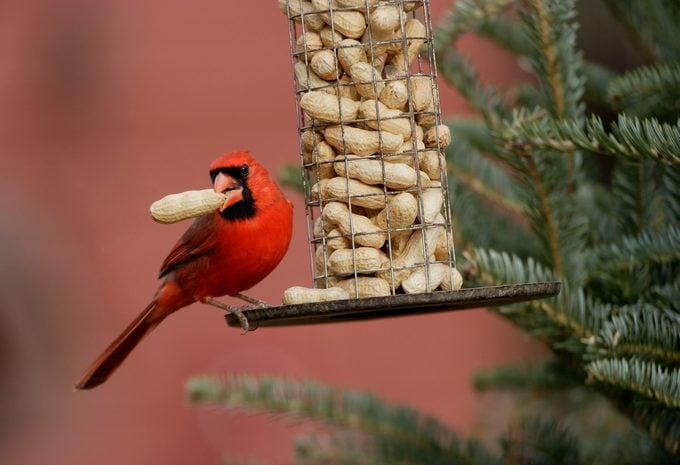
- Mesh feeders: Ideal for peanuts and other large nuts. Birds can easily peck through the mesh.
- Platform feeders: These flat feeders allow birds to perch and eat comfortably.
- Tube feeders: Suitable for smaller nuts or nut pieces. They keep food clean and dry.
Preparation Tips
Proper preparation ensures that nuts are safe and appealing to birds. Follow these tips:
- Always use unsalted and raw nuts. Salted nuts can harm birds.
- Crush large nuts into smaller pieces. This makes them easier to eat.
- Soak hard nuts overnight. This softens them for easier consumption.
- Avoid moldy or spoiled nuts. They can make birds sick.
| Nut Type | Suitable Feeder | Preparation Needed |
|---|---|---|
| Peanuts | Mesh Feeder | Crush or Soak |
| Walnuts | Platform Feeder | Crush |
| Almonds | Tube Feeder | Crush or Soak |
Seasonal Considerations
Understanding the feeding habits of birds throughout the year is crucial. Birds have different dietary needs depending on the season. Nuts can be a great food source, but knowing when and how to offer them is key.
Winter Feeding
During winter, birds face harsh conditions and limited food supply. Nuts become a vital energy source. Birds need extra fat and protein to stay warm. Offer nuts like peanuts, walnuts, and almonds to help them thrive.
- Crush or chop large nuts for smaller birds.
- Avoid salted or flavored nuts.
- Place nuts in feeders to keep them dry.
Summer Feeding
In summer, birds have access to a variety of foods. Nuts can still be beneficial but should be given in moderation. Birds need more water and less fat during hot months.
- Offer nuts in small amounts.
- Combine nuts with fruits and seeds.
- Ensure fresh water is always available.
Understanding these seasonal considerations ensures that birds get the right nutrition throughout the year. Proper feeding helps them stay healthy and active.
Credit: www.birdsandblooms.com
Alternatives To Nuts
Sometimes, nuts might not be the best food for birds. Birds can enjoy other nutritious foods. Here are some great alternatives to nuts that you can offer your feathered friends.
Seeds
Seeds are a popular food for many birds. They are small and easy to eat. Seeds provide essential nutrients that birds need. Here are some seeds that birds love:
- Sunflower seeds – These are rich in healthy fats.
- Millet – Small and easy for small birds to eat.
- Nyjer seeds – Tiny seeds loved by finches.
- Safflower seeds – A favorite of cardinals and doves.
Place seeds in a feeder or scatter them on the ground. Birds will find them quickly and enjoy a tasty meal.
Fruits
Fruits are another excellent alternative to nuts. They are sweet and full of vitamins. Birds enjoy the natural sugars in fruits. Here are some fruits that birds love:
- Apples – Cut them into small pieces.
- Oranges – Offer slices or wedges.
- Grapes – Cut them in half to make them easier to eat.
- Berries – Blueberries, strawberries, and raspberries are great choices.
Place fruit pieces on a platform feeder or hang them from a tree. Birds will enjoy the fresh treat and come back for more.
Frequently Asked Questions
Which Nuts Are Safe For Birds?
Birds can safely eat almonds, walnuts, pecans, pistachios, and hazelnuts. Ensure nuts are unsalted and unseasoned. Avoid macadamia nuts and peanuts.
Should I Crush Nuts For Birds?
Yes, crush nuts for birds. Smaller pieces are easier for them to eat and digest. Avoid salted or flavored nuts.
What Nuts Do Birds Like The Most?
Birds love peanuts, walnuts, almonds, and sunflower seeds. These nuts provide essential nutrients and energy for them. Always offer unsalted and raw varieties.
Can You Feed Old Nuts To Birds?
Yes, you can feed old nuts to birds. Ensure they are not moldy or rancid, as these can harm birds.
Conclusion
Birds enjoy eating nuts, which provide essential nutrients for their health. Adding nuts to bird feeders can attract various species. It’s a simple way to support local wildlife and enjoy birdwatching. Remember to offer nuts in moderation to avoid overfeeding.
Happy birdwatching!