
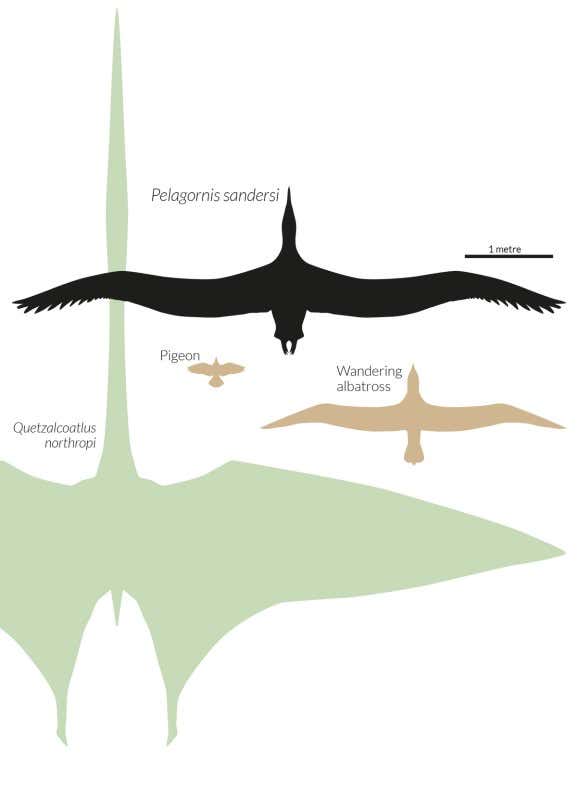
The wandering albatross holds the title of the biggest flying bird in the world. Its wingspan can reach up to 12 feet.
The wandering albatross is a remarkable bird known for its incredible wingspan and impressive flight capabilities. Native to the Southern Ocean, this bird often travels thousands of miles in search of food. Its long, slender wings allow it to glide effortlessly over the ocean’s surface, conserving energy during long journeys.
These birds feed mainly on squid, fish, and crustaceans, which they snatch from the water’s surface. Conservation efforts are crucial to protect this species, as they face threats from fishing activities and environmental changes. The wandering albatross is a symbol of the vastness and beauty of our natural world.
Introduction To The Giant Albatross
The Giant Albatross is a marvel of nature. This bird is the largest flying bird on the planet. It has an impressive wingspan and a unique history. In this post, we will explore the Giant Albatross in detail.
Overview Of The Species
The Giant Albatross belongs to the Diomedeidae family. This bird has a wingspan up to 12 feet. It can weigh up to 22 pounds. The bird’s plumage is mostly white with black wingtips. They are known for their long-distance flying ability.
- Scientific Name: Diomedea exulans
- Wingspan: Up to 12 feet
- Weight: Up to 22 pounds
- Plumage: White with black wingtips
Historical Significance
The Giant Albatross has a rich history. Sailors have long admired this bird. It is often seen as a symbol of good luck. Many legends and stories feature the Giant Albatross. This bird has also been a subject of scientific study.
- Sailors’ tales and myths
- Symbol of good luck
- Subject of scientific research
The Giant Albatross continues to fascinate people. Its size and grace in the air are unparalleled. This bird remains an icon of the natural world.

Credit: www.wsj.com
Physical Characteristics
Exploring the physical characteristics of the biggest flying bird in the world is fascinating. This bird is a marvel of nature, showcasing remarkable features that set it apart.
Wingspan And Size
The biggest flying bird in the world is the Wandering Albatross. Its wingspan is the largest among all birds. The wingspan can reach up to 12 feet. This impressive span allows it to glide over the ocean effortlessly.
Its body size is also considerable. The bird can weigh up to 26 pounds. The length from beak to tail can be about 4 feet. These measurements make it a giant in the bird kingdom.
Unique Features
The Wandering Albatross has some unique features. Its wings are long and narrow, perfect for gliding. The bird’s feathers are mostly white with black edges. This color pattern helps it blend with the ocean waves.
Its beak is strong and hooked. This helps in catching fish and squid. The bird also has webbed feet. These feet are excellent for swimming in the ocean. Another unique feature is its ability to drink seawater. Special glands help remove the salt from the water.
These physical characteristics make the Wandering Albatross a true wonder of the skies.
Habitat And Range
The biggest flying bird in the world is the wandering albatross. Understanding its habitat and range helps us appreciate its majestic nature. This bird’s habitat stretches across vast oceans and remote islands, making it a true wanderer.
Geographical Distribution
The wandering albatross is found mainly in the Southern Ocean. Its range includes areas around Antarctica, South America, Africa, and Australia. These birds travel thousands of miles, crossing international waters effortlessly. They are rarely seen near populated areas, preferring the open sea.
Preferred Environments
The wandering albatross prefers cold, windy environments. They thrive in the stormy Southern Ocean, which provides ample food sources. Their nests are usually located on remote islands with minimal human disturbance. These islands offer safety and a good breeding ground.
Some of their favorite nesting sites include:
- South Georgia
- Macquarie Island
- Prince Edward Islands
| Location | Features |
|---|---|
| South Georgia | Cold, isolated, rich in marine life |
| Macquarie Island | Remote, protected, diverse wildlife |
| Prince Edward Islands | Uninhabited, stormy, abundant food |
The wandering albatross uses its large wings to glide over the ocean. Their wingspan can reach up to 12 feet, allowing them to soar effortlessly.
Understanding their habitat and range gives us insight into their remarkable life. These birds are true masters of the skies, roaming the vast southern seas.

Credit: www.discoverwildlife.com
Diet And Feeding Habits
Understanding the diet and feeding habits of the biggest flying bird in the world helps us appreciate their unique adaptations. These birds need a lot of food to maintain their energy levels.
Typical Diet
The largest flying bird, the Andean condor, has a varied diet. These birds are primarily scavengers. They feed on carrion, which includes the remains of dead animals. Their strong beaks help them tear through tough animal hides.
Besides carrion, they sometimes eat small mammals and fish. This diet provides them with the necessary nutrients to sustain their massive size.
Hunting Techniques
Andean condors use their keen eyesight to spot food from high altitudes. They soar for hours, scanning the ground for potential meals. Once they locate food, they circle above to ensure safety before descending.
These birds often rely on other predators to make the initial kill. They follow vultures and other scavengers to find food. This technique saves them energy and ensures a constant food supply.
| Food Type | Example |
|---|---|
| Carrion | Deer, Cattle |
| Small Mammals | Rodents |
| Fish | Salmon, Trout |
Their feeding habits highlight their role in the ecosystem. They help clean up dead animals, preventing the spread of disease.
Life Cycle
The life cycle of the biggest flying bird in the world is fascinating. This bird has unique stages from birth to adulthood. Understanding its life cycle helps appreciate its grandeur and survival strategies.
Breeding And Nesting
The breeding season usually starts in spring. Males engage in elaborate courtship displays to attract females. The pair then selects a suitable nesting site.
The nest is often built on high cliffs or tall trees. Nests are made from sticks, leaves, and other materials. Both parents take turns incubating the eggs.
Incubation lasts about 42 to 46 days. One to two eggs are typically laid. The parents fiercely protect the nest from predators.
Growth Stages
Once hatched, chicks go through rapid growth stages. They are initially fed by regurgitation.
Here’s a table summarizing the growth stages:
| Stage | Duration | Key Characteristics |
|---|---|---|
| Hatchling | 0-2 weeks | Blind and featherless, dependent on parents |
| Chick | 2-6 weeks | Starts growing feathers, begins to see |
| Fledgling | 6-12 weeks | Develops flight feathers, practices flapping |
| Juvenile | 3-6 months | Starts flying, learning to hunt |
| Adult | 6 months onwards | Fully independent, capable of breeding |
The chick stage is crucial for survival. Parents provide constant care and feeding. Fledglings practice flying and strengthen their wings.
Juveniles start exploring beyond the nest. They learn essential skills for survival. Adults are fully independent and start their own breeding cycles.
Behavior And Social Structure
The wandering albatross holds the title of the biggest flying bird in the world. This magnificent bird has unique behaviors and a complex social structure. Understanding these elements offers insight into their survival and dominance in the skies.
Mating Rituals
The wandering albatross has fascinating mating rituals. These rituals involve a series of dances and calls. Both males and females participate in these dances. They spread their wings, bow, and touch beaks. This helps them form strong bonds.
The albatross is known for its lifelong pair bonds. Once they find a mate, they stay together for life. This is rare among birds. They breed only once every two years. This ensures they can properly care for their young.
Interaction With Other Species
Interaction with other species is minimal for the wandering albatross. They spend most of their lives at sea. They are solitary birds but may be seen in small groups. These groups are often seen during feeding times.
While they have few natural predators, humans pose a threat. Fishing gear and pollution can harm them. To protect these magnificent birds, conservation efforts are crucial.
Summary Table
| Behavior | Description |
|---|---|
| Mating Rituals | Dances, calls, lifelong bonds |
| Interaction with Other Species | Minimal, often solitary |
Understanding the behavior and social structure of the wandering albatross helps us appreciate their role in nature. These elements are key to their survival and the health of our ecosystem.
Conservation Status
The biggest flying bird in the world faces many challenges. Its survival depends on our efforts. Understanding its conservation status is crucial. We need to know what threatens it and how to protect it.
Threats To Survival
Several factors threaten the largest flying bird’s survival. Here are the main threats:
- Habitat Loss: Deforestation and urbanization destroy their homes.
- Hunting: Poachers hunt these birds for their feathers and meat.
- Climate Change: Shifting weather patterns affect their food sources.
- Pollution: Chemicals and plastics harm their health.
Conservation Efforts
Many organizations work to protect the biggest flying bird. Here are some efforts:
- Protected Areas: Creating reserves where birds can live safely.
- Anti-Poaching Laws: Enforcing strict laws against hunting.
- Breeding Programs: Raising birds in captivity to boost numbers.
- Public Awareness: Educating people about the bird’s plight.
These efforts aim to ensure the bird’s future. By protecting their habitat and reducing threats, we can help the largest flying bird thrive.
Credit: www.reddit.com
Myths And Legends
The biggest flying bird in the world has inspired many stories. Cultures across the globe have their own myths. Legends often describe it as a majestic creature. Let’s explore these fascinating tales.
Cultural References
Different cultures have various references to this great bird. In Greek mythology, the Roc is a giant bird. It is said to carry elephants. Native American tribes also speak of a thunderbird. This bird brings storms and lightning.
Symbolic Meanings
In many cultures, this bird holds symbolic meanings. It often represents strength and freedom. Some believe it symbolizes protection. Others see it as a messenger of the gods.
| Culture | Bird Name | Symbolism |
|---|---|---|
| Greek | Roc | Strength |
| Native American | Thunderbird | Protection |
| Modern | Albatross | Freedom |
Frequently Asked Questions
Which Is The Largest Flying Bird In The World?
The largest flying bird in the world is the wandering albatross. It has a wingspan of up to 12 feet.
What Is The Largest Flying Bird To Ever Live?
The largest flying bird ever was Argentavis magnificens. It lived around six million years ago in Argentina. With a wingspan of 23 feet, it was a true giant.
What Is The Largest Flying Bird Alive Today?
The wandering albatross is the largest flying bird alive today. Its wingspan can reach up to 12 feet.
Is A Condor Bigger Than An Albatross?
Yes, a condor is generally larger than an albatross. Condors have a wingspan up to 10 feet, while albatrosses have a wingspan up to 11 feet.
Conclusion
The wandering albatross holds the title of the biggest flying bird in the world. Its impressive wingspan fascinates bird enthusiasts. Understanding these majestic creatures enriches our appreciation of nature. Keep exploring the wonders of the animal kingdom. Discover more about the incredible species that share our planet.