
Painted Buntings eat seeds, insects, and berries. They primarily consume grass seeds and small arthropods.
Painted Buntings are vibrant songbirds native to North America. Their diet consists mainly of seeds, especially during the non-breeding season. They favor grass seeds like crabgrass and switchgrass. During the breeding season, Painted Buntings also consume a variety of insects.
They hunt for caterpillars, grasshoppers, and beetles to meet their higher protein needs. Berries are another important part of their diet, especially in the summer months. This varied diet helps Painted Buntings maintain their striking plumage and overall health. Bird enthusiasts can attract these colorful birds by providing a mix of seeds and berries in their backyard feeders.
Introduction To Painted Buntings
The Painted Bunting is a small, colorful bird. It captures the hearts of bird watchers and nature lovers alike. Known for its vibrant plumage, this bird is a true marvel of nature.
Brief Overview
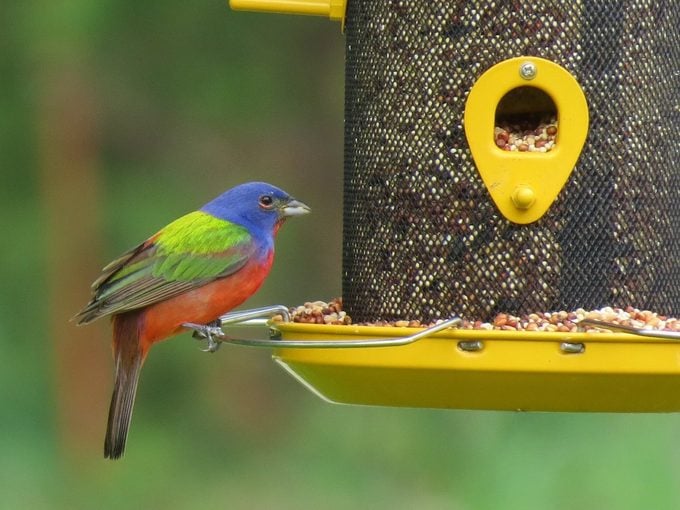
Painted Buntings are part of the cardinal family. They are recognized by their bright colors. Males boast a mix of blue, green, and red feathers. Females and juveniles are more modest, with greenish plumage.
These birds are not just beautiful; they are also fascinating in their behavior and habitat preferences. Let’s dive deeper into their world.
Habitat And Behavior
Painted Buntings prefer habitats with dense vegetation. They are commonly found in areas like:
- Thickets
- Brushy areas
- Woodland edges
During the breeding season, they are often found in the southeastern United States. In winter, they migrate to Central America and the Caribbean.
Painted Buntings are territorial birds. Males sing to defend their territory. Their song is a series of high-pitched notes. These birds are usually solitary, except during mating season.
Understanding their habitat and behavior helps us know what they eat. Painted Buntings have a varied diet that includes seeds, insects, and fruits. They forage both on the ground and in trees. This diet supports their active lifestyle and vibrant plumage.
Natural Diet In The Wild
The Painted Bunting, often called “nonpareil,” has a diverse diet in the wild. This bird’s diet helps maintain its vibrant colors and overall health. Let’s explore what Painted Buntings eat in their natural habitat.
Insects And Invertebrates
Painted Buntings consume various insects and invertebrates. These provide essential proteins.
- Caterpillars: A favorite snack, rich in proteins.
- Grasshoppers: Offer a crunchy treat with lots of nutrients.
- Spiders: Provide essential fats and proteins.
- Beetles: Help in maintaining their vibrant plumage.
Seeds And Grains
Besides insects, Painted Buntings enjoy eating various seeds and grains. These form a significant part of their diet.
| Type | Examples |
|---|---|
| Grass Seeds | Foxtail, crabgrass |
| Weed Seeds | Ragweed, pigweed |
| Cereal Grains | Millet, sorghum |
Painted Buntings balance their diet with both animal and plant foods. This ensures they get all necessary nutrients.
Seasonal Dietary Changes
Painted Buntings change their diet with the seasons. Their needs vary throughout the year. Let’s explore their diet during different seasons.
Spring And Summer Diet
During spring and summer, Painted Buntings have a diverse diet. They eat many insects and spiders. This provides them with the protein they need.
Some of their favorite insects include:
- Grasshoppers
- Caterpillars
- Beetles
- Wasps
They also eat seeds and fruits. Common seeds include:
- Grass seeds
- Thistle seeds
- Dandelion seeds
Fruits they enjoy are:
- Blackberries
- Mulberries
- Elderberries
This mix of insects, seeds, and fruits keeps them healthy and active.
Fall And Winter Diet
In fall and winter, Painted Buntings eat more seeds and grains. Insects are less available during these seasons.
They rely on seeds from plants like:
- Sunflowers
- Ragweed
- Sorghum
They also visit bird feeders for:
- Millet
- Safflower seeds
- Cracked corn
Eating seeds helps them store energy for the cold months. This diet helps them survive until spring returns.
Here is a table summarizing the Painted Bunting’s diet by season:
| Season | Food |
|---|---|
| Spring and Summer | Insects, Grass seeds, Thistle seeds, Dandelion seeds, Blackberries, Mulberries, Elderberries |
| Fall and Winter | Sunflower seeds, Ragweed seeds, Sorghum, Millet, Safflower seeds, Cracked corn |

Credit: www.blog.catandturtle.net
Feeding Habits Of Juveniles
Painted Buntings are known for their vibrant colors. But their feeding habits are equally fascinating. Juvenile Painted Buntings have specific dietary needs. These needs change as they grow. This section explores their feeding habits in detail.
Nestling Nutrition
Nestlings are baby birds still in the nest. They rely heavily on their parents for food. During this stage, their diet is rich in protein.
- Insects: Small caterpillars and spiders are common.
- Seeds: Parents crush seeds to make them edible.
Protein helps them grow strong and healthy. Parents feed them frequently, often every 15-20 minutes. This ensures they get enough nutrients.
Fledgling Feeding
Fledglings are young birds that have left the nest. They start to explore their surroundings. Their diet starts to diversify.
- Fruits: Small berries become part of their diet.
- Insects: They still eat insects for protein.
- Seeds: They gradually eat more seeds.
Fledglings learn to find food on their own. They watch and imitate their parents. This stage is crucial for their survival. They need a balanced diet to thrive.
| Stage | Primary Food | Frequency |
|---|---|---|
| Nestling | Insects, Seeds | Every 15-20 minutes |
| Fledgling | Fruits, Insects, Seeds | Varies |
Diet In Captivity
Painted Buntings, with their vibrant colors, are captivating birds. Their diet in captivity must be carefully managed. Ensuring they receive a balanced and nutritious diet is essential for their health.
Best Foods For Captive Birds
Feeding Painted Buntings the right foods ensures their well-being. Here’s a list of the best foods for these birds in captivity:
- Seeds: Millet, canary seed, and nyjer seed are favorites.
- Fruits: Offer diced apples, oranges, and berries.
- Vegetables: Fresh greens like spinach and kale are excellent choices.
- Insects: Mealworms and crickets provide protein.
Nutritional Supplements
Supplements help in fulfilling any dietary gaps. Consider the following nutritional supplements:
| Supplement | Benefit |
|---|---|
| Calcium Powder | Supports strong bones and eggshell formation. |
| Vitamin Powder | Ensures overall health and boosts immunity. |
| Mineral Blocks | Provides essential minerals for overall well-being. |
Providing a balanced diet with these foods and supplements ensures the health of Painted Buntings in captivity.
Role Of Diet In Mating And Breeding
The diet of Painted Buntings plays a crucial role in their mating and breeding success. Nutrient intake impacts their energy levels, physical health, and attractiveness to potential mates. Understanding their dietary needs during different seasons can help us better appreciate these vibrant birds.
Pre-mating Diet
Before the mating season, Painted Buntings focus on a diet rich in seeds and insects. This helps them build up the necessary energy reserves for the demanding activities ahead. Their diet mainly includes:
- Grass seeds
- Weed seeds
- Small insects
These foods provide essential proteins and fats that improve their overall health. A healthy diet makes them more attractive to potential mates.
Diet During Breeding Season
During the breeding season, the dietary needs of Painted Buntings shift. They require more protein-rich foods to support egg production and chick development. Their diet includes:
- Spiders
- Beetles
- Caterpillars
These food items are crucial for the female buntings, as they need extra nutrients. Males also benefit from a high-protein diet, ensuring they have enough energy for courtship displays.
Ensuring a consistent and nutrient-rich diet is key for the successful breeding of Painted Buntings. Proper nutrition supports their physical and reproductive health, leading to higher mating success rates.
Impact Of Habitat On Diet
The diet of Painted Buntings varies greatly depending on their habitat. These colorful birds adapt their eating habits based on where they live. In urban areas, their food sources differ from those in rural regions. Additionally, habitat loss affects their diet significantly.
Urban Vs. Rural Feeding
In urban settings, Painted Buntings often rely on bird feeders. These feeders provide seeds and grains that are easy to find. Common urban foods include:
- Sunflower seeds
- Millet
- Cracked corn
In contrast, rural areas offer a more natural diet. Here, Painted Buntings eat seeds from native plants. They also consume insects, especially during the breeding season. Typical rural foods include:
- Grass seeds
- Small insects
- Berries
Effect Of Habitat Loss
Habitat loss has a severe impact on the diet of Painted Buntings. When their natural habitat is destroyed, these birds struggle to find food. This leads to poor nutrition and affects their health. The table below shows the impact of habitat loss on their diet:
| Habitat Type | Available Food | Impact on Diet |
|---|---|---|
| Natural Forest | Seeds, insects, berries | Balanced diet |
| Urban Areas | Seeds from feeders | Less variety |
| Destroyed Habitat | Scarce food | Poor nutrition |
Conserving their habitat is crucial for maintaining their diet. Efforts should focus on protecting natural areas where these birds thrive.
Credit: www.birdsandblooms.com
Tips For Birdwatchers And Enthusiasts
Watching painted buntings can be a delightful experience. These vibrant birds are a joy to observe. To attract and feed them, you need the right tips. Here’s how to get started.
Attracting Painted Buntings
To attract painted buntings, create a bird-friendly habitat. Use native plants and shrubs. They love dense cover for protection.
- Plant berry-producing shrubs like American beautyberry.
- Include seed-producing grasses such as switchgrass.
- Offer water sources like bird baths or small ponds.
Avoid using pesticides. Painted buntings feed on insects and seeds. Pesticides can harm their food sources.
Maintaining A Healthy Diet
Painted buntings need a varied diet to stay healthy. Here’s a table to help you:
| Food Type | Examples |
|---|---|
| Seeds | Millet, sunflower seeds |
| Fruits | Blueberries, mulberries |
| Insects | Grasshoppers, caterpillars |
Provide fresh food daily. Clean feeders regularly to prevent disease. Painted buntings prefer ground feeders or low platform feeders.
In summer, offer more insects. In winter, increase the seed supply. This ensures they get the nutrients they need all year round.

Credit: valleyfarms.shop
Frequently Asked Questions
What Is The Best Bird Feeder For Painted Buntings?
The best bird feeder for painted buntings is a tube feeder with small perches. Offer white millet seeds to attract them.
Do Painted Buntings Come To Feeders?
Yes, painted buntings do come to feeders. They prefer seeds like white millet and sunflower hearts. Offer fresh water to attract them.
How Do You Attract Painted Bunting?
To attract painted buntings, provide bird feeders with white millet seeds. Plant native shrubs and trees for shelter. Offer fresh water in birdbaths. Create a natural habitat with dense vegetation. Avoid using pesticides.
Where Is The Best Place To Put A Painted Bunting Feeder?
Place the painted bunting feeder near dense shrubs or trees. Ensure it’s in a quiet area. Position it 4-6 feet above ground. Avoid areas with heavy foot traffic.
Conclusion
Painted Buntings thrive on a diverse diet. They enjoy seeds, insects, and berries. Providing these foods can attract them to your garden. Understanding their diet helps in conserving these colorful birds. Enhancing their habitat ensures they remain a vibrant part of our ecosystem.
Keep your feeders stocked to enjoy their beauty year-round.