

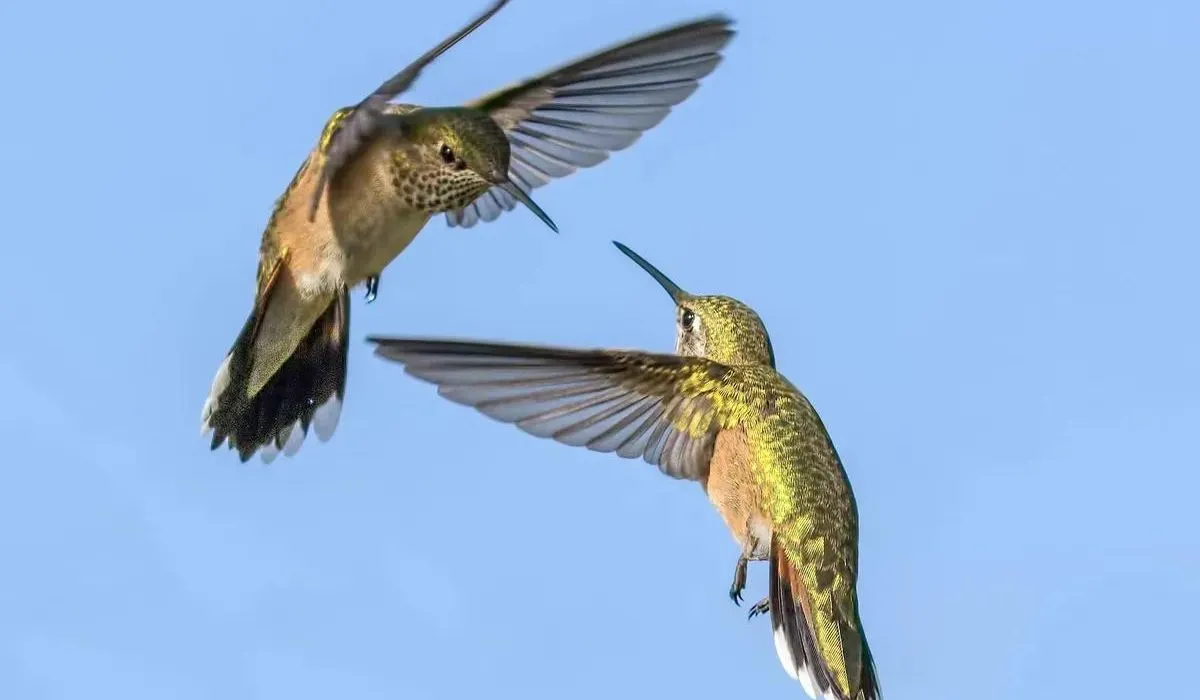
Hummingbirds chase each other mainly to defend their territory and food sources. They exhibit aggressive behavior to protect their resources.
Hummingbirds, despite their small size, are highly territorial creatures. They guard their feeding grounds and nesting sites fiercely. These birds chase away intruders to ensure they have enough nectar and insects for themselves and their offspring. This behavior helps them maintain control over their limited resources.
Observing these aerial chases can be fascinating, as they display remarkable agility and speed. Understanding why hummingbirds engage in these pursuits provides insight into their survival strategies and social dynamics. It highlights the importance of territory and resource management in the animal kingdom.

Credit: www.wikihow.pet
Hummingbird Behavior
Hummingbirds are fascinating creatures. Their behavior is captivating and complex. Observing them reveals much about their lives. One common sight is hummingbirds chasing each other. This may seem playful, but there’s more to it.
Territorial Nature
Hummingbirds are highly territorial. They defend their feeding areas aggressively. These tiny birds need a lot of food. They consume nectar to maintain their high energy levels. A single hummingbird can visit up to 1,000 flowers daily. This makes them very protective of rich nectar sources.
When another hummingbird enters their territory, a chase begins. The defending bird will chase the intruder away. This behavior ensures they have enough food. It’s a matter of survival for them.
Mating Rituals
Chasing also plays a role in mating rituals. Male hummingbirds often chase females during courtship. This is part of their display to attract a mate. The male shows off his speed and agility. This can impress the female and lead to mating opportunities.
During the breeding season, males become even more territorial. They chase other males away from their chosen area. This ensures they have the best chance to mate with females. These chases can be intense and fast-paced.
| Behavior | Purpose |
|---|---|
| Territorial Chasing | Protecting food sources |
| Mating Chasing | Attracting a mate |
- Hummingbirds are territorial.
- They need a lot of food.
- Chasing keeps intruders away.
- Chasing is part of mating.
- Observe hummingbirds in their natural habitat.
- Notice their territorial behavior.
- Watch for mating chases.
Territory Defense
Hummingbirds are tiny but fierce creatures. They often chase each other to defend their territory. This behavior is crucial for their survival. Protecting their space ensures they have enough food and a safe nesting area.
Feeding Grounds
Hummingbirds need to protect their feeding grounds. They rely on nectar from flowers to survive. If another bird enters their area, they chase it away. This ensures they have enough food to maintain their high energy levels. A single hummingbird can visit hundreds of flowers each day.
| Behavior | Reason |
|---|---|
| Chasing | Protect food sources |
| Diving | Scare intruders |
Nesting Sites
Another critical reason for their territorial behavior is nesting sites. Hummingbirds build tiny, delicate nests. They often choose hidden spots to protect their young. If another bird comes too close, they become aggressive. This ensures their chicks are safe from predators.
- Secure area for nest
- Protect chicks from danger
- Ensure safe environment
These birds may seem small, but they are mighty defenders. Their territorial instincts help them thrive in the wild.
Competition For Resources
Hummingbirds are fascinating creatures, known for their vibrant colors and rapid wing flaps. One common behavior observed is chasing each other. This often happens due to competition for resources. These tiny birds need to compete for food sources and nesting spots. Let’s explore the main resources they compete for.
Nectar Sources
Hummingbirds feed on nectar from flowers. Nectar is a primary energy source for them. Flowers produce limited nectar, making it a highly sought-after resource.
Hummingbirds chase each other to secure these nectar sources. They need to ensure they get enough food. This behavior helps them stay energetic and healthy.
Here’s a table showing different flowers and their nectar production:
| Flower | Nectar Production (ml/day) |
|---|---|
| Hibiscus | 0.5 |
| Trumpet Vine | 1.0 |
| Bee Balm | 0.3 |
Insect Prey
Besides nectar, hummingbirds also eat insects. Insects provide essential proteins and nutrients.
Hummingbirds often chase each other to catch these insects. This is crucial for their diet. Insects help them build muscle and stay strong.
Some common insects they prey on include:
- Ants
- Spiders
- Gnats
Securing enough insect prey ensures their survival. This competition is vital for their growth and reproduction.
Mating And Courtship
Hummingbirds are known for their vibrant colors and swift movements. These tiny birds engage in fascinating behaviors, especially during mating season. Hummingbirds chase each other for various reasons. One significant reason is related to mating and courtship rituals.
Attracting Mates
Male hummingbirds need to stand out to attract a female. They use their bright feathers and perform aerial displays. These displays are meant to show off their strength and agility. Males also chase rivals away to protect their territory.
By defending their area, males ensure they have access to food. A rich food source is attractive to females. This helps males to improve their chances of mating.
Courtship Displays
During courtship, male hummingbirds perform intricate displays. These include rapid dives, loops, and high-speed chases. The goal is to impress the female with their skills.
Some males also make unique sounds with their wings or tails. These sounds can be a part of their courtship display. The more impressive the display, the higher the chance of attracting a mate.
Here are some common behaviors seen during courtship displays:
- High-speed chases
- Rapid dives and loops
- Colorful feather displays
- Unique wing or tail sounds
Understanding these behaviors helps us appreciate the complexity of hummingbird interactions. Their actions are not just random; they serve specific purposes in their life cycles.
Aggressive Interactions
Hummingbirds are small but fierce. Aggressive interactions are common among them. These interactions usually involve chasing and fighting.
Chase Dynamics
Chasing is a common behavior in hummingbirds. They chase to defend their territory. Chasing helps them keep intruders away.
The chases are fast and agile. Hummingbirds fly in zigzag patterns. They use sharp turns and quick dives.
Seasonal Variations
Hummingbirds are fascinating creatures, and their behavior often intrigues us. One particularly intriguing behavior is chasing each other. This behavior changes with the seasons. Understanding these seasonal variations helps us know why hummingbirds chase each other.
Migration Patterns
Hummingbirds migrate to find food and favorable climates. During migration, they travel long distances. They often chase each other to protect their food sources. This behavior ensures they have enough energy for the journey.
Chasing helps them conserve resources. They also establish temporary territories during this time.
| Season | Behavior |
|---|---|
| Spring | Migrating North |
| Fall | Migrating South |
Breeding Season
During the breeding season, males become territorial. They chase other males to attract females. This behavior is crucial for mating success. Males also chase to defend nesting sites and food sources.
Females may also chase to protect their nests. This ensures their young have the best chance of survival.
- Establishing territories
- Attracting mates
- Defending food sources
- Protecting nesting sites
Environmental Factors
Hummingbirds are fascinating creatures known for their swift movements and vibrant colors. One intriguing behavior is their tendency to chase each other. Environmental factors play a significant role in this behavior.
Habitat Quality
The quality of a hummingbird’s habitat can greatly impact its behavior. Rich habitats provide ample food sources, attracting many hummingbirds. This abundance can lead to increased competition.
When many hummingbirds gather in a rich area, they often chase each other. They do this to protect their feeding territory. A hummingbird’s territory is essential for its survival. Chasing away rivals ensures enough food for themselves.
Climate Influence
Climate also affects hummingbird behavior. During warmer months, flowers bloom more. This provides more nectar, leading to increased competition.
In colder months, food becomes scarce. Hummingbirds become more aggressive in their chase. They need to ensure they get enough food to survive. Temperature changes directly impact their chasing behavior.
| Environmental Factor | Impact on Behavior |
|---|---|
| Habitat Quality | Increased competition for food |
| Climate Influence | Changes in aggression levels |
Understanding these environmental factors helps explain why hummingbirds chase each other. It’s a survival tactic driven by their surroundings.

Credit: www.quora.com
Impacts On Ecosystem
Hummingbirds are fascinating creatures. Their behavior has significant impacts on the ecosystem. One of the most intriguing behaviors is their tendency to chase each other. This chasing is not just playful; it has ecological implications.
Pollination Role
Hummingbirds play a crucial role in pollination. They transfer pollen from flower to flower. This helps plants reproduce. By chasing each other, they visit more flowers. This increases the chances of pollination.
Here is a table showing some plants that rely on hummingbird pollination:
| Plant | Pollination Dependency |
|---|---|
| Trumpet Vine | High |
| Coral Honeysuckle | Medium |
| Bee Balm | High |
Biodiversity
Hummingbirds help maintain biodiversity. By pollinating various plants, they support plant diversity. This, in turn, supports a wide range of other species.
The chasing behavior helps spread their impact. They cover larger areas and pollinate more plants. This helps different plant species thrive. Healthy plants support insects, birds, and mammals.
- Plants rely on hummingbirds for pollination.
- Pollination supports plant reproduction and growth.
- Plants provide food and shelter for other creatures.
In summary, hummingbirds chasing each other plays a vital role in the ecosystem. Their actions support pollination and biodiversity, ensuring a healthy environment.
Credit: sparklark.com
Frequently Asked Questions
Why Do Hummingbirds Chase Other Hummingbirds Away From Feeders?
Hummingbirds chase others away from feeders to protect their food source. They are territorial and aggressive about feeding areas. This behavior ensures they have enough energy to survive.
How Do You Stop Hummingbirds From Fighting Over Feeders?
Place multiple feeders around your yard, out of sight from each other. This reduces territorial disputes among hummingbirds.
Why Do Hummingbirds Body Slam Each Other?
Hummingbirds body slam each other to establish dominance and defend their territory during mating season.
How Do You Tell A Male Hummingbird From A Female Hummingbird?
Male hummingbirds often have bright, iridescent throat feathers, called gorgets. Female hummingbirds usually have duller, plain-colored throats.
Conclusion
Hummingbirds chase each other to defend territory, attract mates, and compete for food. Understanding their behavior enriches our appreciation for these tiny birds. Observing their interactions can be both entertaining and educational. By creating a hummingbird-friendly environment, you can enjoy their vibrant presence in your garden.