

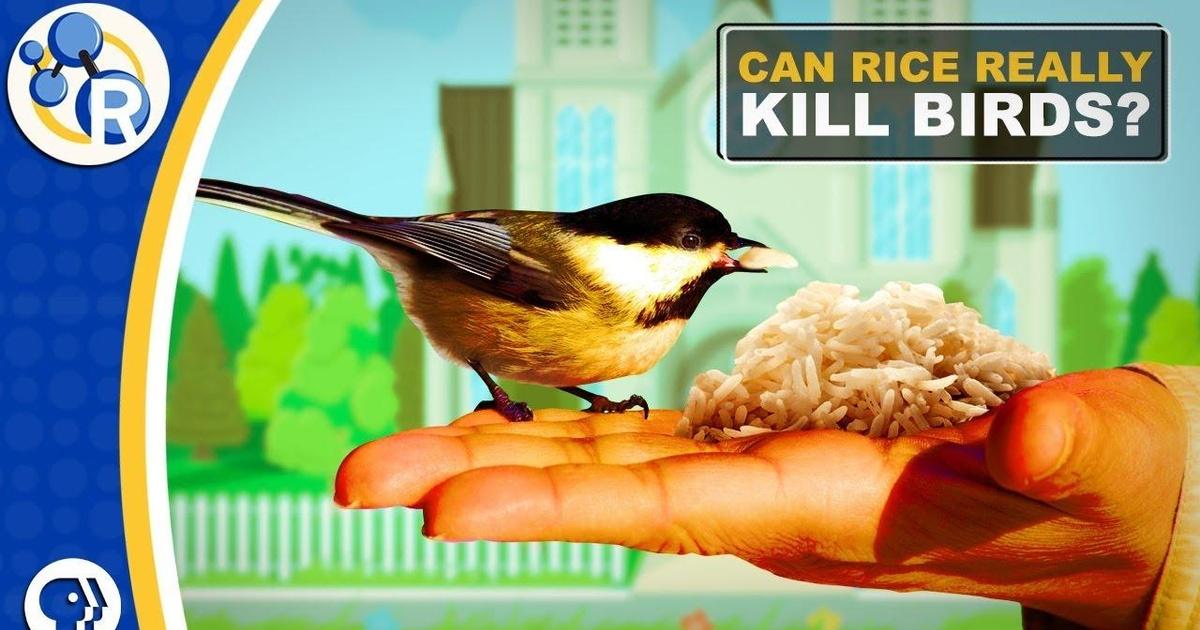
Raw rice does not harm birds. The myth that rice expands and harms birds is false.
Many people believe feeding rice to birds causes harm due to expansion in their stomachs, but this is a myth. Birds can safely consume raw and cooked rice, as their digestive systems handle it well. Rice is often included in birdseed mixes and is a common food for many bird species.
Understanding what foods are safe for birds helps promote their health and well-being. While some foods can be harmful, rice is not one of them. Always ensure to provide a balanced diet for birds to support their nutritional needs.
Historical Background
The belief that rice can hurt birds has been widespread. This section will delve into the historical background of this myth, exploring its origins and how it has evolved over time.
Origins Of The Myth
Many people believe the myth started with weddings. People used to throw rice at newlyweds. Some thought that birds eating the rice would suffer harm. The myth suggested that rice expands in birds‘ stomachs, causing them to explode. This idea spread quickly without scientific backing.
Evolution Over Time
The myth evolved over time due to social changes and media influence. As weddings became more publicized, the rice myth gained traction. Articles and public figures began to discuss the potential dangers of rice. This led to a shift in wedding traditions, with many opting for alternatives like birdseed or bubbles.
Despite scientific evidence disproving the myth, it persists in popular culture. Schools, community groups, and even some nature organizations still caution against throwing rice. The myth has become a part of cultural lore, often repeated without question.
Here is a table summarizing the key points:
| Time Period | Event | Impact |
|---|---|---|
| Early 20th Century | Rice throwing at weddings | Myth begins |
| Mid 20th Century | Media coverage | Myth spreads |
| Late 20th Century | Scientific studies | Myth debunked |

Credit: www.singing-wings-aviary.com
Scientific Investigations
Many people believe that rice hurts birds. To determine the truth, scientists conducted various investigations. They aimed to find out if rice is harmful to birds when eaten.
Studies Conducted
Scientists conducted multiple studies to understand rice’s effect on birds. They observed different bird species and their reactions to eating rice. Some studies involved feeding birds cooked rice, while others used uncooked rice. The experiments took place in controlled environments to ensure accurate results.
Findings And Results
The studies revealed interesting findings about rice and birds. Here’s a summary:
- Cooked rice: Birds digested cooked rice easily. They showed no signs of harm.
- Uncooked rice: Birds also digested uncooked rice without issues. Their health remained stable.
- Bird species: Different bird species reacted similarly. No species showed adverse effects.
These findings suggest that rice does not harm birds. Both cooked and uncooked rice are safe for them to eat.
| Type of Rice | Bird Reaction |
|---|---|
| Cooked Rice | No Harm |
| Uncooked Rice | No Harm |
Based on these scientific investigations, we can conclude that rice is safe for birds. The belief that rice hurts birds is a myth.
Common Myths
There are many myths about feeding rice to birds. These myths often cause unnecessary worry. Let’s look at some common myths and the facts behind them.
Rice Causes Birds To Explode
One widespread myth is that rice causes birds to explode. This idea is very dramatic but not true. The myth suggests that rice expands in a bird’s stomach. This is false. Birds have strong digestive systems. They can handle various foods without problems.
Many birds eat rice in the wild. It is part of their natural diet. They do not explode after eating it. This myth likely started from a misunderstanding. So, feeding birds rice is safe.
Rice Swelling In Birds’ Stomachs
Another myth claims that rice swells in birds’ stomachs. This myth suggests that uncooked rice absorbs water and expands. This could cause harm to birds. This idea is incorrect. Birds digest rice quickly. It does not stay in their stomachs long enough to swell.
Birds have efficient digestive systems. They break down food fast. This includes rice. There is no risk of rice swelling inside a bird. So, you can safely feed birds rice.
To sum up, both myths are false. Rice is safe for birds. You can include it in their diet without worries.
Expert Opinions
Many people wonder, does rice hurt birds? To answer this, we turn to experts. Ornithologists and veterinarians provide valuable insights into this topic. Their professional opinions help clarify the truth about rice and its impact on birds.
Ornithologists’ Views
Ornithologists study birds and their behaviors. They have extensive knowledge about bird diets. According to many ornithologists, rice does not harm birds. Birds often eat grains in the wild. Rice is just another type of grain.
Some ornithologists conducted studies on birds eating rice. Their findings show no harmful effects. Birds can digest rice without any issues. Both cooked and uncooked rice are safe for birds.
| Type of Rice | Birds’ Reaction |
|---|---|
| Cooked Rice | Safe and digestible |
| Uncooked Rice | Safe and digestible |
Veterinarians’ Insights
Veterinarians also share their opinions on this topic. They ensure the health and well-being of birds. Many veterinarians agree that rice is not harmful to birds. They confirm that birds’ digestive systems handle rice well.
Veterinarians highlight the importance of balanced diets for birds. While rice is safe, birds need a variety of foods. A balanced diet includes seeds, fruits, and insects. This ensures birds get all necessary nutrients.
Some veterinarians caution against large quantities of rice. Too much of any food can cause issues. Moderation is key to a healthy bird diet.
- Rice is safe for birds.
- Birds need a balanced diet.
- Moderation is important.
Real Dangers To Birds
Many people worry about feeding birds rice. The truth is, there are more serious dangers. In this section, we will explore foods and environmental threats that actually harm birds.
Actual Harmful Foods
Some foods are genuinely harmful to birds. Avoid feeding these items to ensure their safety:
- Avocado: Contains persin, which can cause heart damage.
- Chocolate: Toxic to birds and can lead to heart problems.
- Caffeine: Causes hyperactivity, tremors, and heart issues.
- Alcohol: Even small amounts can be fatal.
- Onions and Garlic: Can cause anemia and digestive issues.
- Salt: Excessive salt can disrupt electrolyte balance and lead to death.
- Fatty Foods: May cause obesity and liver issues.
Environmental Hazards
Birds face numerous environmental threats. Here are some of the most significant:
| Hazard | Description |
|---|---|
| Pesticides | Poison birds through contaminated food and water. |
| Windows | Birds often collide with windows, leading to injuries or death. |
| Predatory Pets | Cats and dogs can harm or kill birds. |
| Plastic Waste | Birds can ingest or become entangled in plastic debris. |
| Habitat Loss | Urbanization and deforestation reduce natural habitats. |
Understanding these dangers helps us protect our feathered friends. Choose safe foods and create a bird-friendly environment.

Credit: www.terminix.com
Safe Practices
Feeding birds is a delightful activity. But, it’s important to follow safe practices. This ensures the health and well-being of our feathered friends.
Alternatives To Rice
Many people think rice is harmful to birds. The truth is, cooked rice is safe. Uncooked rice can be tricky as it can expand in the stomach. It’s best to avoid it.
Here are some safe alternatives:
- Birdseed: A mix of seeds designed for birds.
- Fruit: Small pieces of apple, banana, or berries.
- Vegetables: Chopped carrots, peas, or corn.
- Oats: Uncooked oats are good for birds.
Guidelines For Bird Feeding
Follow these guidelines to feed birds safely:
- Use a proper bird feeder. It keeps food clean and dry.
- Clean the feeder regularly. This prevents mold and bacteria.
- Offer fresh water. Birds need water for drinking and bathing.
- Avoid giving bread. Bread can cause health issues in birds.
- Feed in moderation. Too much food can attract pests.
By following these simple guidelines, you can enjoy bird feeding while ensuring their safety and health.
Public Perception
Many people believe that rice can hurt birds. This common belief has been influenced by various factors. Let’s explore how media and changing public beliefs have shaped this perception.
Media Influence
The media plays a huge role in shaping public opinion. Stories often claim that rice causes birds’ stomachs to explode. These reports are usually based on myths rather than facts.
For example, many news outlets have shared warnings about throwing rice at weddings. They say this practice can be dangerous for birds. These stories spread quickly and become widely accepted.
Social media also amplifies these fears. A single post can reach thousands of people within minutes. Misinformation spreads easily in these platforms, reinforcing false beliefs.
Changing Public Beliefs
Public beliefs about rice and birds are starting to change. More people are now questioning the old myths. Scientists and bird experts are stepping in to educate the public.
Research shows that rice is not harmful to birds. In fact, many birds eat rice in the wild without any issues. Experts are using social media to share these findings with the public.
Educational campaigns are also helping to shift perceptions. Schools, zoos, and birdwatching groups are spreading the truth. They provide accurate information about bird diets and safety.
This change in belief is important. It helps people make informed choices and reduces unnecessary fears.
Credit: www.pbs.org
Frequently Asked Questions
Is It Safe For Birds To Eat Rice?
Yes, it is safe for birds to eat rice. Both cooked and uncooked rice are non-toxic and nutritious for birds.
What Animals Eat Uncooked Rice?
Birds, mice, rats, and certain types of insects eat uncooked rice. Chickens and ducks may also consume it.
Why Can’t You Throw Rice At Weddings Anymore?
Throwing rice at weddings is discouraged due to potential harm to birds and environmental concerns. Alternatives like bubbles or petals are safer.
Can Squirrels Eat Rice?
Yes, squirrels can eat rice. Cooked rice is safer and easier for them to digest. Avoid giving them salty or seasoned rice.
Conclusion
Rice does not harm birds when consumed. The myth of rice causing harm is unfounded. Birds can safely eat rice without issues. Understanding this can help dispel unnecessary fears. Next time you attend a wedding, feel free to throw rice with peace of mind.
Birds will thank you!