
To find hummingbird nests, look for small, cup-shaped nests on thin branches near nectar sources. Search in shrubs, trees, and garden areas.
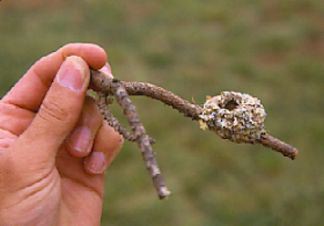
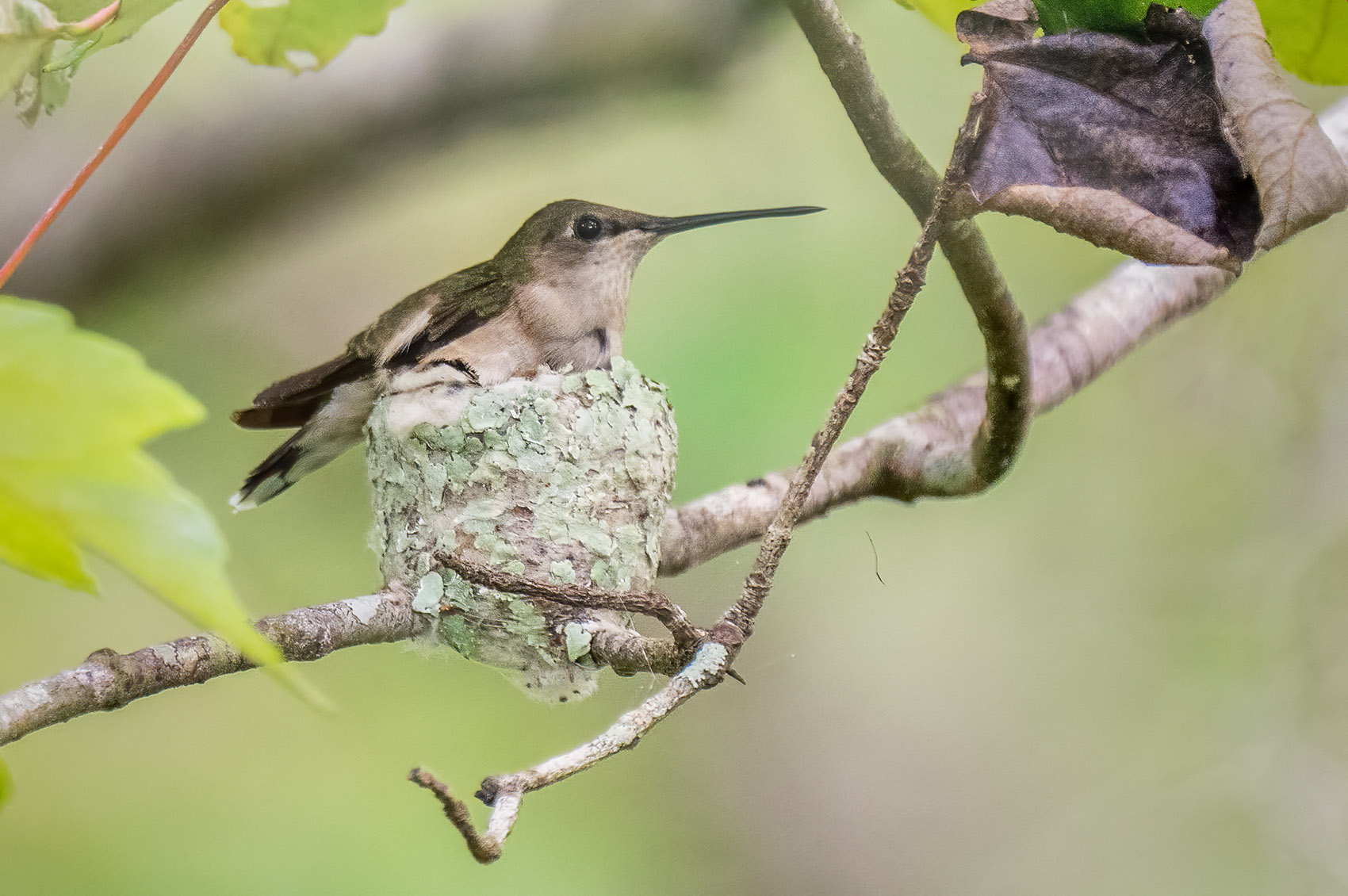
Hummingbirds build their nests in well-hidden locations to protect from predators. These tiny nests, often just the size of a walnut, are constructed with spider silk, plant down, and lichen. They are usually placed on thin, often downward-sloping branches to avoid detection.
Popular nesting spots include garden areas, shrubs, and trees, especially near nectar sources like flowering plants. Searching during the breeding season, typically in spring and early summer, increases your chances of spotting these delicate nests. Observing hummingbird behavior, such as frequent visits to a particular area, can also provide clues to nest locations.
Introduction To Hummingbird Nests
Hummingbirds are tiny wonders of nature. Their nests are even more fascinating. These little birds create delicate nests that blend into their surroundings. Bird watchers find joy in discovering these hidden gems.
Why They Fascinate Bird Watchers
Hummingbird nests are small and intricate. They are often the size of a walnut. Bird watchers admire the skill needed to create such nests. The nests are made from spider silk and plant down.
Bird watchers also enjoy observing the parent birds. They see how the parents care for their young. This process is both educational and heartwarming. Watching hummingbirds brings a sense of peace and joy.
Importance Of Ethical Bird Watching
Ethical bird watching means respecting the birds and their nests. Always keep a safe distance from the nests. Never touch or move a nest. Disturbing a nest can harm the birds.
Use binoculars to watch from afar. This way, you do not disturb the birds. Take photos without flash. Flash can scare the birds away. Always follow local wildlife guidelines.
Ethical bird watchers protect the environment. They leave no trace behind. They ensure that birds can thrive in their natural habitat.
.jpg)
Credit: georgiawildlife.com
Hummingbird Nesting Habits
Hummingbirds have unique nesting habits. They carefully choose locations and materials for their nests. Understanding their habits helps in finding their nests.
Preferred Nesting Locations
Hummingbirds prefer locations that are hidden and safe. They often choose places with good cover.
- Trees and shrubs
- Dense foliage or thorny branches
- Near water sources
They avoid open areas to stay safe from predators. Look for their nests in areas with good protection.
Nesting Materials
Hummingbirds use specific materials for nest building. They look for soft and stretchy materials.
| Material | Purpose |
|---|---|
| Spider silk | Holds the nest together |
| Plant down | Provides softness |
| Lichen | Camouflages the nest |
These materials make the nest strong and safe. The nest can stretch as the baby birds grow.
Best Times To Observe Nests
Observing hummingbird nests can be an exciting adventure. Knowing the best times to observe these nests is crucial. This section will guide you on the optimal times to see hummingbird nests.
Seasonal Patterns
Hummingbirds have specific nesting seasons. Spring and early summer are the best times to find nests. During these seasons, female hummingbirds build their nests. They choose safe and hidden places. Look for nests from March to July.
Different regions have different nesting times. In the southern United States, nesting starts earlier. In the northern regions, it starts later. Check local bird guides for exact timing in your area.
Daily Activity Peaks
Hummingbirds are most active during the day. Morning and late afternoon are peak times for activity. This is when females are busy with nest building and feeding. Observing nests during these times increases your chances of seeing hummingbirds.
Avoid the hottest parts of the day. Hummingbirds rest during midday heat. Use binoculars to spot nests from a distance. This ensures you don’t disturb the birds.
Here’s a simple table to summarize the best times:
| Time of Year | Best Times of Day |
|---|---|
| March to July | Morning (6-10 AM) |
| March to July | Late Afternoon (4-7 PM) |
Observing hummingbird nests is best during these times. Patience and quietness are key. Enjoy the beauty of these tiny birds and their intricate nests.
Credit: www.rubythroat.org
Identifying Hummingbird Nests
Finding a hummingbird nest can be a delightful challenge. These tiny nests blend seamlessly into their surroundings. Knowing what to look for makes the search easier. Here, we will discuss key characteristics and tips for spotting these camouflaged marvels.
Common Nest Characteristics
Hummingbird nests are small, often the size of a golf ball. They are typically built with soft materials like plant down and spider silk.
- Shape: Cup-shaped to cradle their tiny eggs.
- Size: About 1.5 inches in diameter.
- Location: Usually on thin branches or forks of trees.
- Material: Plant fibers, moss, lichen, and spider silk.
These nests are often found 5 to 20 feet above ground. They prefer hidden spots to avoid predators.
Spotting Camouflaged Nests
Hummingbird nests are masterfully camouflaged. They often appear like a bump or knot on a branch. Look for subtle signs to spot them.
- Look for Movement: Watch for tiny birds flying to and from the same spot.
- Check for Feathers: Feathers sticking out can be a giveaway.
- Inspect Thin Branches: Focus on thin branches where nests are typically located.
- Search in Shaded Areas: These birds prefer shaded, protected spots.
Patience is key. Observing a hummingbird’s flight path can lead you to their nest. Once you find a nest, enjoy watching these tiny wonders.
Tools And Equipment
Finding hummingbird nests can be a thrilling experience. Using the right tools and equipment makes the search easier and more enjoyable. Below are some essential items to help you on your quest.
Binoculars And Cameras
Using binoculars is crucial for spotting hummingbird nests from a distance. Choose binoculars with a magnification of 8x or 10x. This will help you see the nests clearly without disturbing the birds.
Having a camera is also beneficial. You can capture images and analyze them later. Look for a camera with a good zoom lens. This feature will allow you to take detailed photos without getting too close.
Field Guides And Apps
Carrying a field guide helps you identify different bird species. These books often include pictures of nests and habitats. They are a valuable resource for any birdwatcher.
Using birdwatching apps on your smartphone can also be helpful. Apps can provide information on bird species, their calls, and nesting habits. Some popular apps include Merlin Bird ID and Audubon Bird Guide. These tools can make your search more efficient.
| Tool | Purpose |
|---|---|
| Binoculars | Spot nests from a distance |
| Camera | Capture and analyze images |
| Field Guide | Identify bird species and nests |
| Birdwatching Apps | Provide information on birds and nests |
- Choose binoculars with 8x or 10x magnification.
- Use a camera with a good zoom lens.
- Carry a field guide for quick reference.
- Download birdwatching apps for additional support.
Safety And Conservation
Safety and Conservation are crucial when finding hummingbird nests. These tiny birds are fragile and need our care.
Avoiding Nest Disturbance
Avoiding nest disturbance is vital for the safety of hummingbirds. Here are some tips:
- Keep a safe distance from the nest.
- Use binoculars to observe without getting too close.
- Avoid loud noises near the nesting area.
- Do not touch the nest or the eggs.
Supporting Hummingbird Habitats
Supporting hummingbird habitats helps these birds thrive. Follow these steps:
- Plant native flowers to provide nectar.
- Avoid using pesticides in your garden.
- Provide small trees and shrubs for nesting.
- Set up feeders with sugar water.
By following these tips, you help hummingbirds stay safe and healthy.
Documenting Your Observations
Finding hummingbird nests is an exciting adventure. Documenting your observations can help you remember and share your experiences. Detailed notes and photos will make your adventure more meaningful.
Field Notes
Field notes are crucial for tracking your hummingbird sightings. Here are some tips:
- Date and Time: Always note the date and time of your observation.
- Location: Record the exact location with GPS coordinates if possible.
- Weather: Note the weather conditions during your observation.
- Behavior: Describe the hummingbird’s behavior, such as feeding or nesting.
Here is a sample table for your field notes:
| Date | Time | Location | Weather | Behavior |
|---|---|---|---|---|
| 05/08/2023 | 10:30 AM | Central Park | Sunny | Feeding |
Photography Tips
Good photos can add value to your observations. Here are some tips:
- Use a Zoom Lens: Hummingbirds are small and fast. A zoom lens helps capture details.
- Natural Light: Early morning or late afternoon light is best for photos.
- Steady Hands: Use a tripod to avoid blurry photos.
- Be Patient: Wait quietly for the perfect shot.
Remember to respect the hummingbirds. Do not disturb their natural habitat while taking photos.
Credit: heartoflouisiana.com
Engaging With The Bird Watching Community
Finding hummingbird nests can be a delightful and rewarding experience. Engaging with the bird watching community can enhance your search. You can gain insights and tips from experienced bird watchers. Let’s explore two key ways to connect with this community.
Joining Local Bird Watching Groups
Many cities and towns have local bird watching groups. These groups organize regular outings and events. Joining these groups can provide valuable opportunities. You can learn from seasoned bird watchers. They can guide you to areas where hummingbirds nest.
To find a local group, search online or visit community centers. Libraries and nature reserves often have information about local bird watching clubs. Participating in group activities can also help you build friendships with like-minded people.
| Benefits of Joining Local Bird Watching Groups |
|---|
| Access to expert knowledge |
| Group outings and events |
| Building friendships |
| Learning about local bird habitats |
Participating In Citizen Science Projects
Citizen science projects allow the public to contribute to scientific research. These projects often focus on bird watching. Participating can provide you with a structured way to observe hummingbirds and their nests. You can contribute to important data collection efforts.
Look for citizen science projects online. Websites like eBird and Project FeederWatch offer opportunities to participate. By joining these projects, you can help scientists understand bird behaviors and populations.
- eBird
- Project FeederWatch
- Hummingbirds at Home
These projects often provide training and resources. You can learn how to accurately observe and record bird activities. This experience can make you a better bird watcher.
Frequently Asked Questions
How Do You Encourage Hummingbird Nests?
Plant native flowering shrubs and trees. Provide a water source like a birdbath. Avoid pesticides. Hang hummingbird feeders. Create sheltered areas with thick foliage.
Is It Rare To See A Hummingbird Nest?
Yes, seeing a hummingbird nest is rare. These nests are tiny and well-camouflaged, making them hard to spot.
What Month Do Hummingbird Babies Leave The Nest?
Hummingbird babies typically leave the nest about 18 to 22 days after hatching. This usually occurs between May and August.
What Kind Of Bird House Do Hummingbirds Like?
Hummingbirds prefer small, open shelters rather than traditional birdhouses. Use a platform or hanging feeder with perches. Plant native flowers nearby for food.
Conclusion
Finding hummingbird nests can be a rewarding experience. Use patience, keen observation, and the tips shared here. Respect their space and enjoy the wonders of nature. Share your findings with fellow bird enthusiasts to spread knowledge. Happy bird watching!