

Yes, birds do eat butterflies. They are part of many birds’ diets.
Birds consume butterflies for their nutritional value. Butterflies provide proteins, fats, and other essential nutrients. Birds like flycatchers, warblers, and swallows often hunt butterflies. These birds are agile and fast, making them effective predators. Butterfly consumption helps birds maintain their energy levels and overall health.
Butterflies are most vulnerable during flight or when resting. Birds use their keen eyesight to spot and catch butterflies. This predator-prey relationship maintains ecological balance. Birds control butterfly populations, preventing overpopulation. Butterfly predation also influences butterfly evolution, driving adaptations like camouflage and mimicry. Understanding this interaction highlights the complexity of ecosystems.
Birds And Their Diet
Birds have diverse diets. They eat different foods based on their needs. Some birds like seeds, while others prefer insects.
Common Foods
Birds eat a wide range of foods. Here are some common items:
- Seeds
- Fruits
- Insects
- Small animals
Each type of food provides different nutrients. Birds choose foods that meet their needs.
Nutritional Needs
Birds need a balanced diet. They require proteins, fats, and carbohydrates. Each nutrient plays a role in their health.
| Nutrient | Source | Benefits |
|---|---|---|
| Proteins | Insects | Muscle growth |
| Fats | Seeds | Energy |
| Carbohydrates | Fruits | Energy |
Birds also need vitamins and minerals. These come from various foods. A balanced diet keeps birds healthy and strong.
Butterflies In The Ecosystem
Butterflies are vital parts of our ecosystem. They play key roles in nature and their life cycles contribute significantly to ecological balance. Understanding their importance helps us appreciate their presence and protect their habitats.
Role In Nature
Butterflies act as pollinators for many plants. They help in the reproduction of flowers. Without butterflies, some plants would struggle to survive. Butterflies also serve as prey for birds and other animals. They are a crucial link in the food chain.
Life Cycle
The life cycle of a butterfly consists of four stages:
- Egg: The butterfly starts as an egg laid on a leaf.
- Caterpillar: The egg hatches into a caterpillar, which eats leaves to grow.
- Pupa: The caterpillar forms a chrysalis, where it transforms.
- Adult Butterfly: The adult butterfly emerges, ready to mate and continue the cycle.
Understanding these stages helps us see how butterflies interact with their environment. Each stage has its own role and importance in nature.
Birds Eating Butterflies
Birds eating butterflies might sound surprising. These delicate creatures often fall prey to various birds. Knowing more about this can help us understand nature’s balance.
Predatory Behavior
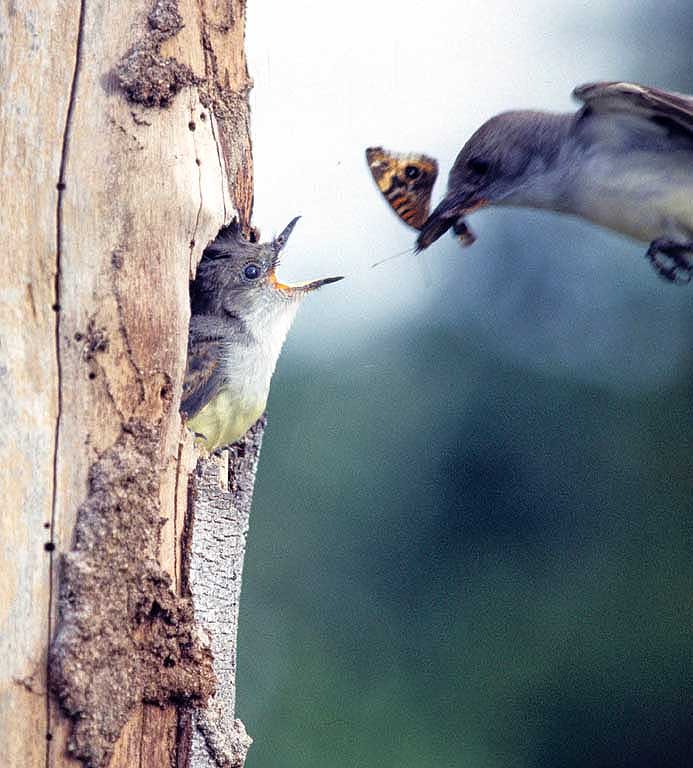
Birds have sharp eyes and swift movements. They easily spot butterflies fluttering around. Many birds are natural predators of butterflies. They hunt them for food. Birds use their beaks to catch and eat butterflies. This behavior helps them survive.
Common Bird Predators
Several bird species eat butterflies. Here are some common bird predators:
- Blue Jays: These birds are known for their striking blue color. They often eat butterflies among other insects.
- Robins: Robins are popular garden birds. They enjoy a diet of insects, including butterflies.
- Sparrows: Sparrows are small but quick. They frequently catch butterflies to feed on.
- Swallows: Swallows are agile fliers. They catch butterflies mid-air with ease.
- Warblers: Warblers are colorful birds. They often hunt butterflies in dense foliage.
Here is a table showing some bird predators and their characteristics:
| Bird Species | Color | Hunting Style |
|---|---|---|
| Blue Jays | Blue | Perch and pounce |
| Robins | Red-breasted | Ground foragers |
| Sparrows | Brown | Quick snatch |
| Swallows | Blue and white | Mid-air catch |
| Warblers | Yellow and green | Foliage hunt |
Understanding these behaviors helps us appreciate the complexity of nature. Birds eating butterflies keep the ecosystem balanced.
Credit: www.birdtipper.com
Butterfly Defense Mechanisms
Butterflies are beautiful but they face many predators. Birds are one of their main threats. To survive, butterflies have developed amazing defense mechanisms. These strategies help them escape hungry birds.
Camouflage
Camouflage is a key defense for butterflies. They blend into their surroundings. This makes it hard for birds to spot them. Some butterflies look like leaves or tree bark. This helps them hide in plain sight.
Other butterflies have wing patterns that mimic other objects. For example, some look like dead leaves. This confuses predators and keeps them safe. Camouflage is an effective way to avoid being eaten.
Toxins
Toxins are another important defense for butterflies. Some butterflies store toxic chemicals in their bodies. These toxins make them taste bad to birds. Monarch butterflies are a famous example. They eat toxic milkweed plants as caterpillars. The toxins stay in their bodies as they become butterflies.
Birds learn to avoid eating toxic butterflies. They remember the bad taste and stay away. This helps the butterflies survive. Not all butterflies are toxic, but those that are have a strong defense.
Here is a table showing examples of butterflies and their defense mechanisms:
| Butterfly | Defense Mechanism |
|---|---|
| Monarch Butterfly | Toxins |
| Leaf Butterfly | Camouflage |
| Swallowtail Butterfly | Toxins |
| Owl Butterfly | Camouflage |
Impact On Butterfly Populations
Birds eating butterflies can significantly impact butterfly populations. This natural interaction plays a crucial role in maintaining the balance of ecosystems. Understanding the dynamics can help in conservation efforts.
Population Control
Birds act as natural predators for butterflies. This predation helps in controlling the butterfly population. Without birds, butterfly numbers could grow uncontrollably.
Too many butterflies can lead to overconsumption of plants. This could harm the flora in an ecosystem. Birds help keep a healthy balance by eating some butterflies.
Ecosystem Balance
Birds and butterflies both play essential roles in ecosystems. Birds help manage butterfly numbers, ensuring plants are not over-eaten. This balance supports the health of the entire ecosystem.
Both birds and butterflies contribute to plant pollination. This helps plants reproduce and grow. A balanced population of both ensures a thriving environment.
| Factor | Role in Ecosystem |
|---|---|
| Birds | Control butterfly population, pollinate plants |
| Butterflies | Pollinate plants, serve as food for birds |
Birds eating butterflies is a natural process. It helps maintain a balanced and healthy ecosystem.
Bird Species That Avoid Butterflies
Not all birds eat butterflies. Some bird species prefer avoiding them. These birds have specific diet preferences and reasons for avoidance. Understanding these helps us learn more about bird behavior and ecosystem dynamics.
Diet Preferences
Birds have varied diet preferences. Some like insects, seeds, or fruits.
- Hummingbirds: Prefer nectar from flowers.
- Finches: Love seeds and grains.
- Warblers: Eat small insects and spiders.
These birds avoid butterflies because of their diet preferences. They find other food sources more appealing and nutritious.
Avoidance Reasons
Some birds avoid butterflies for several reasons. Let’s explore them:
- Toxicity: Many butterflies have toxins. Birds avoid eating them to stay healthy.
- Bad Taste: Butterflies often taste bitter. Birds prefer tastier food options.
- Bright Colors: Bright colors signal danger. Birds learn to avoid brightly colored butterflies.
These reasons help birds avoid harmful and unappealing food. This behavior aids their survival and well-being.
Butterfly Survival Strategies
Butterflies have various survival strategies to evade predators like birds. These strategies help them live longer and reproduce. Let’s explore some of these fascinating tactics.
Migration
Many butterflies migrate to avoid harsh weather and predators. This helps them find safer places with fewer threats. The Monarch Butterfly is famous for its long migration. Monarchs travel thousands of miles to find warmer climates. They fly from North America to Mexico each year.
During migration, butterflies travel in large groups. This makes it harder for birds to target individual butterflies. Group travel increases their chance of survival.
| Butterfly Species | Migratory Route |
|---|---|
| Monarch | North America to Mexico |
| Painted Lady | Europe to Africa |
Habitat Selection
Butterflies choose habitats that offer protection from predators. Dense foliage and colorful flowers provide good hiding spots. These areas also offer plenty of nectar for food.
- Dense Foliage: Helps butterflies hide from birds.
- Colorful Flowers: Attract butterflies and provide nectar.
- High Trees: Offer safe places to rest.
Some butterflies prefer specific plants that offer both food and shelter. The Swallowtail Butterfly often lives near citrus trees. These trees provide both food and places to lay eggs.
Choosing the right habitat is crucial for butterfly survival. It helps them avoid predators and find enough food.
Credit: www.ucl.ac.uk
Human Influence
Human activities have a significant impact on the relationship between birds and butterflies. This influence can be seen in various ways, from habitat destruction to conservation efforts.
Habitat Destruction
Human activities like deforestation and urbanization destroy natural habitats. Birds and butterflies lose their homes, making it harder for them to survive. This habitat loss forces birds to change their diets. Consequently, they may consume more butterflies out of necessity.
| Cause | Effect on Birds | Effect on Butterflies |
|---|---|---|
| Deforestation | Loss of nesting sites | Loss of host plants |
| Urbanization | Reduced food sources | Decrease in nectar sources |
Conservation Efforts
Efforts to conserve habitats help both birds and butterflies. Protected areas provide safe environments. These areas ensure that birds have ample food sources and nesting sites. Butterflies also benefit from the preservation of their host plants.
Such efforts promote a balanced ecosystem. Birds find enough food without relying heavily on butterflies. Butterflies thrive, increasing their population and biodiversity.
Credit: www.quora.com
Frequently Asked Questions
Does A Bird Eat A Butterfly?
Yes, many birds eat butterflies. Birds such as sparrows, robins, and blue jays often include butterflies in their diet.
What Do Butterflies Get Eaten By?
Birds, spiders, ants, wasps, lizards, and frogs eat butterflies. Bats and certain mammals also prey on them.
Do Any Birds Eat Monarch Butterflies?
Yes, some birds do eat monarch butterflies. Black-headed grosbeaks and black-backed orioles are known predators. They have adapted to tolerate the toxins in monarchs.
Do Cardinals Eat Butterflies?
Yes, cardinals do eat butterflies. They are part of their diet, along with seeds, fruits, and insects.
Conclusion
Birds do eat butterflies, impacting butterfly populations. Understanding this interaction helps in conserving both species. Observing nature’s balance reveals fascinating predator-prey dynamics. Keep exploring and learning about these intricate relationships. Stay curious and appreciate the natural world around you.