
Hummingbirds are territorial to protect their food sources and breeding areas. They ensure survival by defending these vital resources.
Hummingbirds display aggressive territorial behavior primarily to secure sufficient nectar from flowers and feeders. These tiny birds have high metabolic rates, requiring them to feed frequently. By defending a territory, a hummingbird ensures it has exclusive access to essential food sources.
This behavior also plays a crucial role during the breeding season. Males stake out territories to attract females and provide a safe space for nesting. Territoriality helps hummingbirds maximize their chances of survival and reproductive success. Observing these vibrant creatures can provide fascinating insights into their complex and strategic behaviors.
Introduction To Hummingbird Behavior
Hummingbirds are fascinating creatures with unique behaviors. They are known for their agility and speed. Understanding their behavior gives insight into their territorial nature.
Unique Traits
Hummingbirds have many unique traits that set them apart. Their wings beat rapidly, allowing them to hover in mid-air. This ability helps them feed on nectar from flowers.
Another unique trait is their bright, colorful feathers. These colors serve to attract mates and deter rivals. Hummingbirds also have excellent memory. They remember which flowers have nectar and which do not.
Due to their small size, they need to eat often. This constant need for food makes them fiercely protective of their feeding areas.
Common Misconceptions
There are many common misconceptions about hummingbird behavior. Some people think they are always friendly and social. In reality, they can be quite aggressive, especially around food sources.
Another misconception is that they only drink nectar. While nectar is a primary food source, they also eat insects for protein. This diet helps them maintain their high energy levels.
Many believe that all hummingbirds migrate long distances. While some do, others stay in warm climates year-round. Their territorial behavior is often more pronounced in areas with limited food sources.
Credit: www.allaboutbirds.org
Territorial Instincts
Hummingbirds are fascinating creatures, known for their vibrant colors and rapid wing beats. One of their most intriguing behaviors is their strong territorial instincts. They defend their space fiercely, but why are they so territorial? Let’s dive into the reasons.
Survival Strategies
Hummingbirds need to eat frequently. Their high metabolism demands constant energy. They protect their food sources to ensure survival. They guard flowers and feeders from other birds. This helps them maintain their energy levels.
Resource Protection
Hummingbirds rely heavily on nectar. This sweet liquid is their main food source. They cannot afford to share it. Protecting their territory means more food for them. This increases their chances of survival.
Here are some ways they protect their resources:
- Chasing away intruders
- Vocalizing loudly to warn others
- Engaging in aerial displays
| Behavior | Purpose |
|---|---|
| Chasing | To drive away competitors |
| Vocalizing | To warn other birds |
| Aerial displays | To show dominance |
Role Of Food Sources
Hummingbirds are known for their fierce territorial behavior. The main reason for this is the role of food sources. These tiny birds rely heavily on nectar, which is a limited resource. This leads to intense competition among them.
Nectar Importance
Nectar is the primary food source for hummingbirds. It provides them with the necessary energy for their high metabolism. A hummingbird can visit hundreds of flowers each day to meet its energy needs. The sugar in nectar fuels their rapid wing beats and swift movements. Without enough nectar, a hummingbird’s survival is at risk.
Here are some key points about nectar’s importance:
- Provides essential sugar for energy
- Helps maintain high metabolic rate
- Essential for daily activities and survival
Competition For Flowers
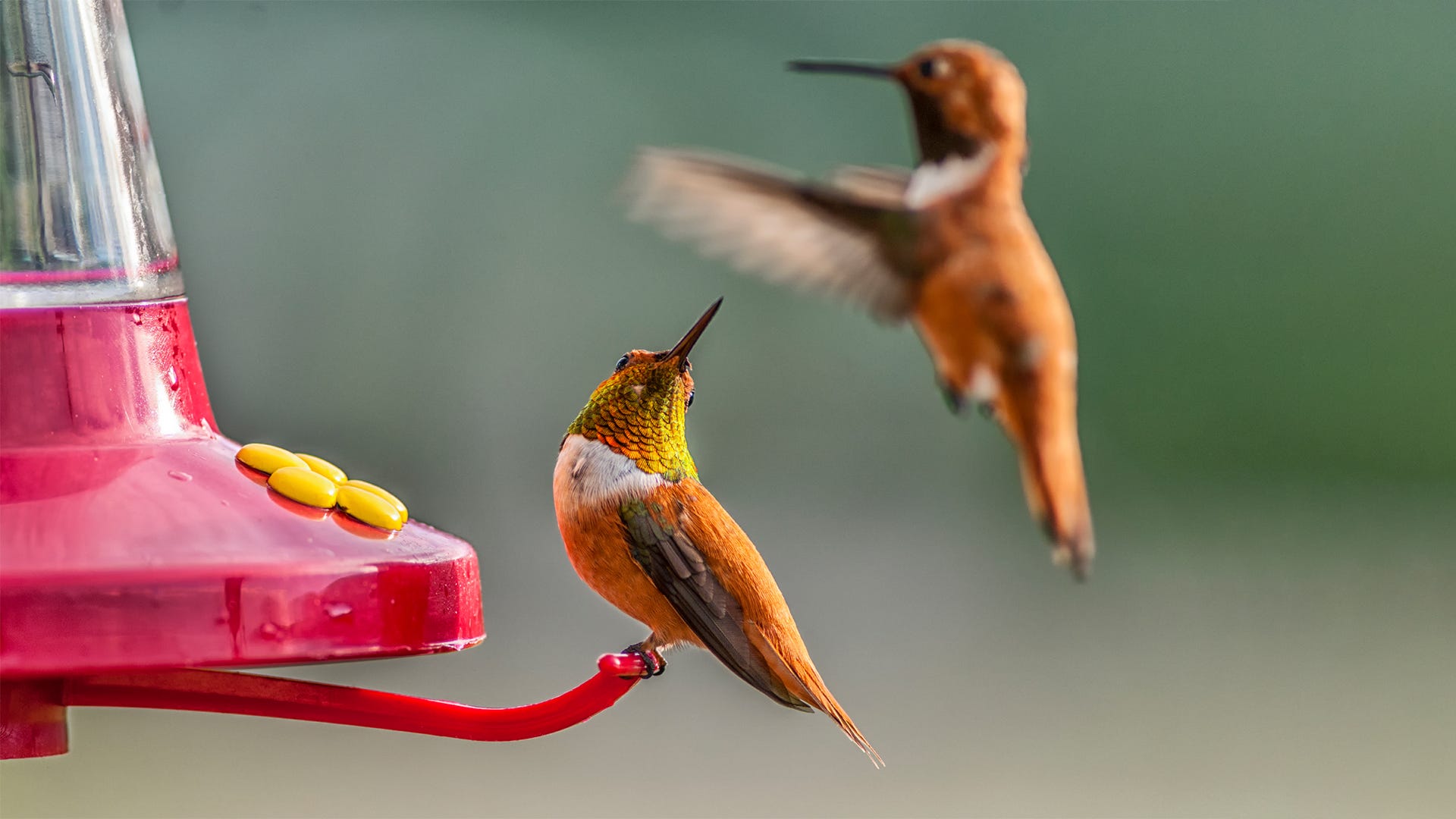
The competition for flowers is fierce among hummingbirds. Each bird tries to secure the best feeding spots. This competition often leads to aggressive behaviors. Hummingbirds will chase away intruders to protect their food sources. They establish feeding territories around rich nectar sources.
Here is a comparison of territorial behavior:
| Behavior | Reason |
|---|---|
| Chasing | Protect food source |
| Diving | Scare intruders |
| Hovering | Guard territory |
These behaviors ensure they have enough nectar to survive. Without these actions, they risk losing their crucial food sources.
Credit: www.perkypet.com
Breeding And Nesting
Hummingbirds are known for their territorial behavior. This behavior becomes most evident during the breeding and nesting season. The need to secure a safe and resource-rich area for raising young ones drives their actions. Let’s explore this fascinating aspect of hummingbird life.
Mate Selection
During the breeding season, male hummingbirds establish territories to attract females. They choose areas abundant in nectar-rich flowers. Males perform impressive aerial displays to win over potential mates.
Females judge the males based on their territory and displays. A well-defended territory indicates a strong, healthy male. This behavior ensures that the best genes are passed on to the next generation.
Nest Defense
Once a female selects a mate, she builds a nest within the male’s territory. The nest is usually placed on a sheltered tree branch. It is made from plant down, spider silk, and moss.
| Component | Purpose |
|---|---|
| Plant Down | Soft lining for eggs |
| Spider Silk | Binding and flexibility |
| Moss | Camouflage |
Both males and females defend the nest area vigorously. They chase away intruders, including other hummingbirds and larger birds. This fierce defense ensures the safety of the eggs and chicks.
The nesting period lasts about two weeks. During this time, the female incubates the eggs and cares for the chicks. The territory remains fiercely guarded throughout this period.
Aggressive Displays
Hummingbirds are known for their territorial behavior. They guard their feeding grounds fiercely. This leads to aggressive displays. These displays ensure they maintain control over their food sources.
Physical Posturing
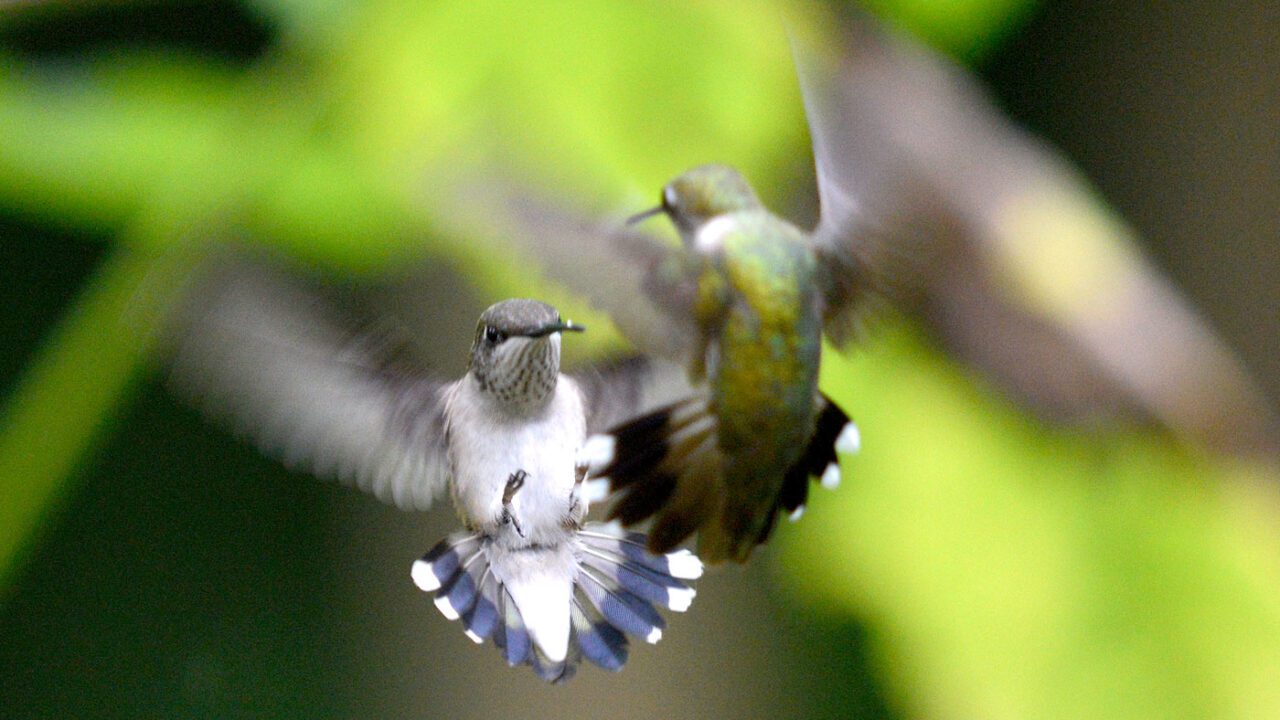
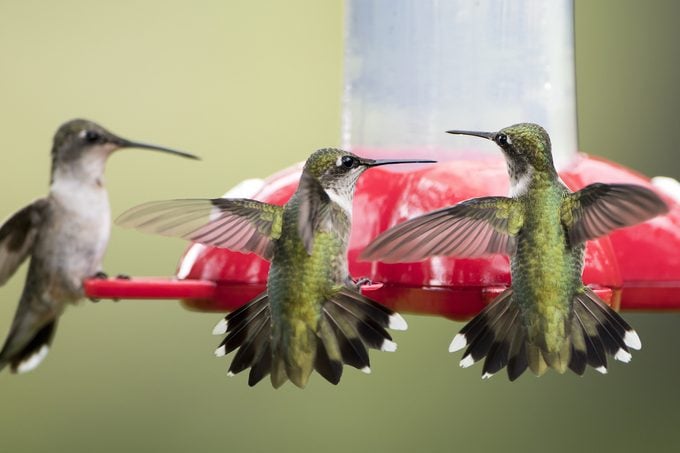
Hummingbirds use physical posturing to assert dominance. They puff up their chests and spread their wings wide. This makes them appear larger and more threatening. They might also fan their tails and expose their vibrant feathers. This show of strength helps them intimidate intruders.
Chasing Intruders
Hummingbirds are known for chasing intruders away. They fly at high speeds towards the invader. They may even collide with the intruder to drive them away. This chase can go on until the intruder leaves the territory. Hummingbirds are relentless in protecting their food sources.
Impact Of Environment
Hummingbirds are known for their territorial nature. The environment greatly influences this behavior. Understanding the environmental impact can help us comprehend why these tiny birds are so protective of their space.
Habitat Influence
Hummingbirds thrive in areas with abundant food sources. These birds need nectar-rich flowers for energy. Their habitats often include gardens, woodlands, and meadows. When food is plentiful, hummingbirds become fiercely territorial. This ensures they have enough nectar to survive.
They also prefer areas with shelter. Trees and shrubs offer protection from predators. These elements make a habitat ideal for hummingbirds. They defend such areas to keep their food and shelter secure.
Seasonal Changes
Seasonal changes affect hummingbird behavior. During spring and summer, flowers bloom, providing ample nectar. Hummingbirds become more territorial during these seasons. They need to secure enough food for themselves and their offspring.
In autumn, many flowers die off. Nectar sources become scarce. This scarcity drives hummingbirds to defend their feeding grounds even more. They need to ensure they get enough energy for migration or winter survival.
Winter poses a unique challenge. Some hummingbirds migrate to warmer climates. Those that stay behind face limited food. Territorial behavior intensifies as they compete for the few available resources.
Inter-species Interactions
Hummingbirds are known for their vibrant colors and rapid wing beats. These tiny creatures also display strong territorial behavior. Understanding their inter-species interactions helps explain why they guard their space so fiercely.
Conflict With Other Birds
Hummingbirds often clash with other birds over food sources. They guard feeders and flowers with great determination. Larger birds like sparrows and finches can be seen as threats. To secure their food, hummingbirds chase them away.
They use their speed and agility to outmaneuver these rivals. This behavior ensures they have enough nectar to sustain their high energy needs. Hummingbirds even fight among themselves for the best feeding spots.
Predator Avoidance
Hummingbirds face many predators in the wild. Cats, snakes, and larger birds pose significant threats. By being territorial, they reduce the risk of predation. They choose nesting sites that are hard to reach.
They also use their speed to escape quickly. Hummingbirds often build nests in hidden spots. This helps keep their young safe from predators. Their territorial behavior includes aggressive displays to scare off intruders.
Human Influence
Human activities significantly influence hummingbird behavior, especially their territorial nature. Many factors, including feeder placement and gardening practices, impact these tiny birds.
Feeder Placement
The location of feeders can affect hummingbird territoriality. Placing feeders too close together can lead to aggressive behavior. Hummingbirds are fiercely protective of their food sources. They prefer to have space around their feeders.
Use these tips to minimize aggression:
- Space feeders at least 10 feet apart.
- Place feeders at different heights.
- Consider using multiple feeding stations.
Proper placement can reduce competition and stress among hummingbirds.
Gardening Tips
Creating a hummingbird-friendly garden can also impact their territorial behavior. Planting nectar-rich flowers provides natural food sources. This reduces reliance on feeders and spreads out feeding areas.
Follow these gardening tips:
- Plant a variety of native flowers.
- Include flowering plants with different blooming seasons.
- Ensure a mix of colors and shapes to attract hummingbirds.
Proper gardening can create a more peaceful environment for hummingbirds.
Credit: www.birdsandblooms.com
Frequently Asked Questions
How Do You Get Hummingbirds To Stop Fighting Over Feeders?
Place multiple feeders around your yard to reduce competition. Space them apart, out of sight from each other. Provide plenty of nectar.
Why Do Hummingbirds Chase Each Other Away From The Feeders?
Hummingbirds chase each other away from feeders to establish territory and access food resources. They are highly territorial and competitive.
Why Do Hummingbirds Go To One Feeder But Not The Other?
Hummingbirds may prefer one feeder due to its location, nectar quality, color, or absence of pests. Ensure feeders are clean, filled with fresh nectar, and placed in shaded, quiet areas. Bright red feeders attract more birds.
Why Are Male Hummingbirds So Aggressive?
Male hummingbirds are aggressive to defend their territory and attract females. They protect food sources and nesting sites fiercely.
Conclusion
Hummingbirds are highly territorial due to their need for resources and mating opportunities. Their aggressive behavior ensures survival and reproduction. Understanding these tiny birds helps us appreciate their complex nature. Observing their territorial actions offers insights into their fascinating world.
Embrace the opportunity to learn more about these vibrant creatures.