
Yes, squirrels can eat rice. It’s safe in moderation but should not be a primary food source.
Squirrels are curious creatures with diverse diets. They typically consume nuts, seeds, fruits, and vegetables. Rice can be a part of their diet, but only in small amounts. Uncooked rice may pose a choking hazard, so it’s safer to offer cooked rice.
Too much rice can lead to nutritional imbalances. Squirrels need a balanced diet for optimal health. Always provide a variety of foods to ensure they receive necessary nutrients. Avoid flavored or seasoned rice, as additives can be harmful. Stick to plain, cooked rice as an occasional treat. This approach helps maintain their health and well-being.
Squirrels’ Natural Diet
Squirrels are fascinating creatures with diverse diets. They eat a mix of plant and animal-based foods. Their diet changes with the seasons. Understanding their natural diet helps us know if they can eat rice.
Typical Foods
Squirrels eat various foods in their natural habitat. Here are some typical items:
- Nuts: Acorns, walnuts, and pecans are favorites.
- Fruits: Apples, berries, and grapes.
- Vegetables: Corn, carrots, and leafy greens.
- Seeds: Sunflower seeds and pumpkin seeds.
- Insects: Caterpillars, grasshoppers, and other small insects.
Seasonal Variations
The diet of squirrels changes with the seasons. In spring and summer, they eat more fresh foods. In fall and winter, they rely on stored nuts and seeds.
| Season | Food Type |
|---|---|
| Spring | Fresh buds and flowers |
| Summer | Fruits and vegetables |
| Fall | Nuts and seeds |
| Winter | Stored nuts and seeds |
By understanding the natural diet of squirrels, we can better decide if rice is a good option for them. While rice is not a typical part of their diet, it might be safe in small amounts.

Credit: commons.wikimedia.org
Rice As Food For Squirrels
Many people wonder if squirrels can eat rice. Squirrels are curious eaters. They often try different foods. Can squirrels safely eat rice? Let’s explore this topic.
Types Of Rice
There are many types of rice. Some common types include:
- White Rice: This is the most common type.
- Brown Rice: This has more nutrients than white rice.
- Wild Rice: This is not true rice, but it is healthy.
Each type of rice has different benefits. Let’s see what they offer squirrels.
Nutritional Value
Rice can provide some benefits to squirrels. Here is a simple table:
| Type of Rice | Calories | Carbohydrates | Protein | Fat |
|---|---|---|---|---|
| White Rice | 130 | 28g | 2.4g | 0.3g |
| Brown Rice | 216 | 44g | 5g | 1.8g |
| Wild Rice | 101 | 21g | 4g | 0.3g |
Brown rice is the most nutritious. It has more protein and fat. Wild rice also offers good nutrients. White rice has fewer nutrients but more calories.
Rice can provide energy to squirrels. It is important to give them the right type. Squirrels need a balanced diet. Rice alone is not enough.
Health Benefits Of Rice
Rice is a staple food enjoyed by humans worldwide. But can squirrels eat rice? Let’s explore the health benefits of rice for squirrels.
Energy Source
Rice is rich in carbohydrates, making it a great energy source. Squirrels are active animals and need lots of energy. By eating rice, they can get the quick energy boost they need. The carbs in rice break down into glucose. This glucose fuels their daily activities.
Nutrient Content
Rice contains several essential nutrients. These nutrients support a squirrel’s overall health. Here are some key nutrients found in rice:
| Nutrient | Benefit |
|---|---|
| Fiber | Helps in digestion |
| Proteins | Builds and repairs tissues |
| Vitamins | Boosts immune system |
| Minerals | Strengthens bones and teeth |
Rice also contains antioxidants. These antioxidants protect squirrels from free radicals. Free radicals can damage their cells.
In short, rice can be a healthy addition to a squirrel’s diet. It provides them with essential nutrients and energy.
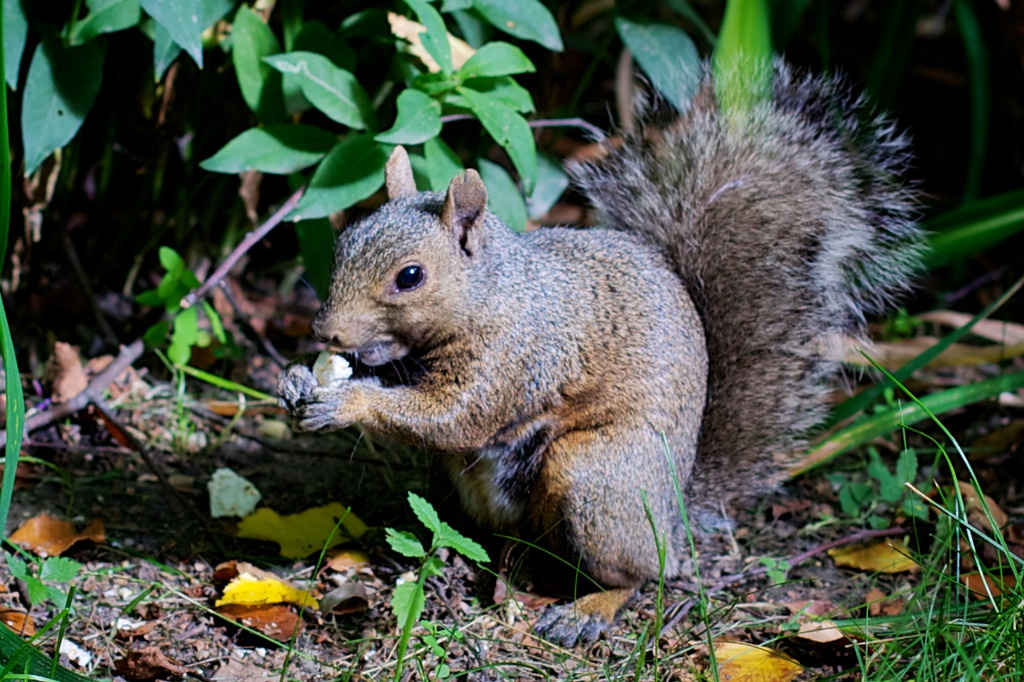
Credit: 365project.org
Potential Risks Of Rice
Feeding rice to squirrels might seem harmless, but it poses several risks. Understanding these risks can help you make better decisions for their health.
Digestive Issues
Squirrels have sensitive digestive systems. Uncooked rice can expand in their stomachs. This can cause bloating and discomfort. Cooked rice may also be hard to digest. High starch content can upset their stomachs. This might lead to diarrhea or constipation.
Allergic Reactions
Squirrels may have allergic reactions to rice. Symptoms can include itching, swelling, or difficulty breathing. Allergic reactions are rare but possible. Always observe for any unusual signs after feeding.
| Potential Risk | Description | Impact |
|---|---|---|
| Digestive Issues | Uncooked rice expands in the stomach | Bloating, discomfort, diarrhea |
| Allergic Reactions | Possible itching, swelling, or breathing issues | Potentially life-threatening |
- Uncooked rice can expand in the stomach.
- Cooked rice is high in starch and hard to digest.
- Allergic reactions can cause itching and swelling.
Safe Ways To Feed Rice
Feeding squirrels can be a delightful activity. But it’s important to ensure their food is safe. Rice is one food people often ask about. Here are safe ways to feed rice to squirrels.
Cooked Vs. Uncooked
Should squirrels eat cooked or uncooked rice? Cooked rice is the safer option. Uncooked rice can expand in their stomachs. This can cause discomfort or harm.
Cooked rice is softer and easier to digest. Make sure to boil the rice thoroughly. Avoid adding any salt, spices, or oils.
Here’s a simple comparison:
| Cooked Rice | Uncooked Rice |
|---|---|
| Soft and easy to digest | Can expand and cause harm |
| Better for squirrel’s tummy | Hard and difficult to chew |
Proper Portions
Feeding the right amount is crucial. Too much rice can be bad. Squirrels need a balanced diet.
Here are some tips:
- Small portions are best. A teaspoon of rice is enough.
- Mix rice with other foods. Nuts, seeds, and fruits are good choices.
- Offer rice as an occasional treat. Not every day.
Overfeeding rice can lead to nutritional imbalance. Squirrels need a varied diet.
By following these tips, you can safely feed rice to squirrels. They will enjoy it without any harm.

Credit: www.youtube.com
Alternative Foods
While squirrels can eat rice, they benefit more from a varied diet. Providing alternative foods ensures they receive all necessary nutrients. Below are some great options for feeding squirrels.
Fruits And Vegetables
Squirrels love a wide range of fruits and vegetables. These foods provide essential vitamins and minerals.
- Apples: Rich in fiber and vitamins.
- Carrots: Great source of beta-carotene.
- Broccoli: Contains antioxidants and vitamins.
- Pears: High in fiber and water content.
Ensure fruits and vegetables are fresh and washed. Avoid processed or canned options.
Nuts And Seeds
Nuts and seeds are vital for a squirrel’s diet. These foods are packed with proteins and fats.
- Almonds: High in healthy fats and protein.
- Sunflower Seeds: Good source of vitamin E.
- Walnuts: Provide omega-3 fatty acids.
- Pumpkin Seeds: Rich in magnesium and zinc.
Offer nuts and seeds in their natural form. Avoid salted or flavored versions.
Signs Of Nutritional Imbalance
Squirrels are curious creatures with diverse diets. Feeding them the wrong foods can lead to a nutritional imbalance. If you feed squirrels rice, you must watch for signs of nutritional imbalance.
Behavioral Changes
Changes in behavior can be the first sign of a problem. Here are some behavioral changes to watch for:
- Increased Aggression: Squirrels may become more aggressive.
- Lethargy: They might appear tired or less active.
- Erratic Movements: Watch for unusual or erratic movements.
Physical Symptoms
Physical symptoms are more visible signs of nutritional imbalance. Here are some common symptoms:
| Symptom | Description |
|---|---|
| Weight Loss | Squirrels may lose weight rapidly. |
| Dull Fur | Their fur may become dull or patchy. |
| Weakness | They may show signs of weakness. |
Consulting A Veterinarian
Before feeding squirrels rice, it’s wise to consult a veterinarian. A vet can provide expert guidance on what squirrels can safely eat. This helps ensure their diet is safe and nutritious.
Professional Advice
A veterinarian knows what foods are safe for squirrels. They can advise if rice is a good option. Professional advice helps avoid potential health problems. Veterinarians understand the dietary needs of small animals.
| Benefit | Explanation |
|---|---|
| Expert Knowledge | Vets have extensive training in animal health. |
| Safety | They know which foods are safe or harmful. |
| Nutrition | Vets can suggest a balanced diet for squirrels. |
Health Monitoring
Monitoring a squirrel’s health is crucial. A veterinarian can help with this. Regular check-ups ensure the squirrel stays healthy. Vets can detect issues early and give proper care.
- Watch for signs of illness.
- Check weight and growth regularly.
- Ensure they have a balanced diet.
Health monitoring helps maintain the squirrel’s wellbeing. Early detection of problems can save their life. Always seek veterinary advice if unsure about their diet.
Frequently Asked Questions
What Foods Are Toxic To Squirrels?
Avocado, chocolate, caffeine, onions, garlic, and alcohol are toxic to squirrels. Avoid feeding them processed foods, sugary treats, and salty snacks.
Can Birds And Squirrels Eat Dry Rice?
Yes, birds and squirrels can eat dry rice. It’s safe but should be given in moderation.
What Is Ok To Feed Wild Squirrels?
Feed wild squirrels nuts, seeds, fruits, and vegetables. Avoid processed foods, dairy, and sugary snacks. Stick to natural, raw items.
What Is A Squirrel’s Favorite Food?
A squirrel’s favorite food includes nuts, seeds, fruits, and vegetables. They especially love acorns, walnuts, and sunflower seeds.
Conclusion
Feeding rice to squirrels can be safe in moderation. Always ensure it’s cooked and free from additives. Squirrels need a varied diet for optimal health. Fresh fruits, nuts, and vegetables should be the mainstay. Observing these guidelines helps maintain their well-being.
Enjoy watching these playful creatures thrive in your garden!