

Hummingbirds typically arrive in Wisconsin in late April or early May. They migrate north as temperatures warm up.
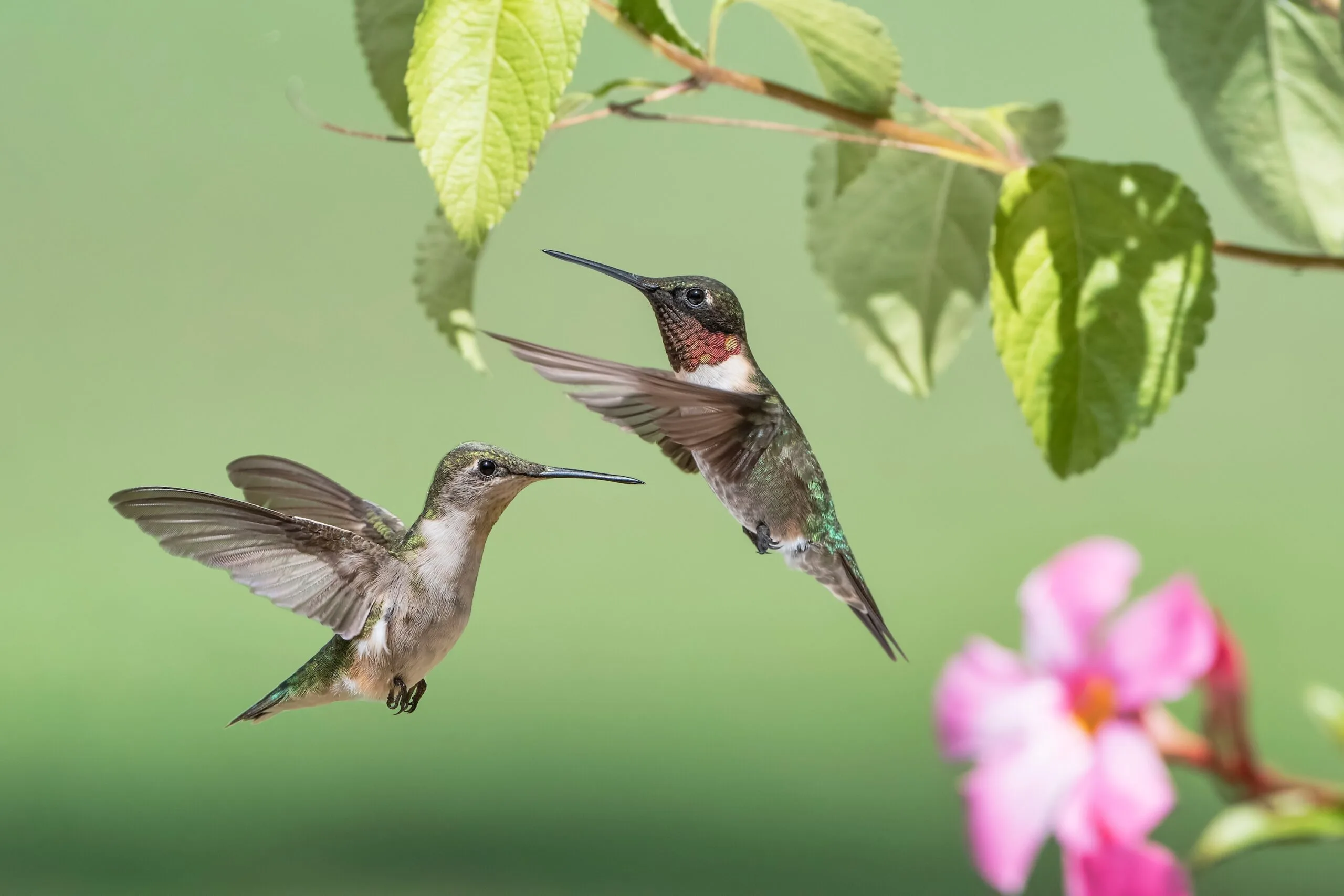
Hummingbirds are fascinating creatures known for their vibrant colors and rapid wing flapping. Every year, these tiny birds embark on a long migration journey from Central America and Mexico to various parts of North America, including Wisconsin. They are usually spotted in Wisconsin around late April or early May, signaling the start of warmer weather.
Gardeners and bird enthusiasts eagerly await their arrival, often preparing feeders filled with sugar water to attract these delightful visitors. To increase your chances of spotting them, place feeders in your garden and plant native flowers that provide natural nectar. Hummingbirds add beauty and excitement to any landscape.
Credit: upnorthnewswi.com
Hummingbird Migration Patterns
Hummingbirds are famous for their long migration journeys. They travel thousands of miles each year. Observing these small birds can be fascinating. Are they in Wisconsin yet? Let’s explore their migration patterns to find out.
Annual Journey
Hummingbirds migrate every year. They travel from Central America to North America. This journey can cover over 2,000 miles. They usually start their migration in early spring.
The Ruby-throated Hummingbird is the most common in Wisconsin. They arrive in Wisconsin around late April or early May. They leave again in late summer or early fall.
Factors Influencing Migration
Several factors influence hummingbird migration. Weather plays a big role. Warm temperatures signal the start of their journey. Wind patterns also help them save energy.
Food availability is another key factor. Hummingbirds need nectar to fuel their long trips. Flowers blooming along their route guide them. They also rely on insects for protein.
Day length, known as photoperiod, also affects migration. Longer days in spring trigger their movement north. Shorter days in fall signal it’s time to head south.
Below is a table summarizing the key factors:
| Factor | Influence |
|---|---|
| Weather | Warm temperatures and favorable winds |
| Food Availability | Nectar from flowers and insects |
| Photoperiod | Day length changes |
Hummingbirds are amazing little travelers. Their migration patterns are influenced by various factors. Understanding these can help us predict their arrival in Wisconsin.
Credit: ebird.org
Arrival Times In Wisconsin
Hummingbirds are tiny, colorful birds that many people love. They migrate long distances each year. Wisconsin is one of their many stops. When do they arrive in Wisconsin? Let’s find out.
Expected Dates
Most hummingbirds arrive in Wisconsin in mid-May. Some may come earlier. The first sightings often happen around May 10. By the end of May, they are in full swing. They stay until late September.
Historical Data
Historical data helps us predict their arrival. Here are some past dates:
| Year | First Sightings |
|---|---|
| 2020 | May 8 |
| 2019 | May 10 |
| 2018 | May 12 |
These dates can vary. Weather and food sources affect their timing. Keep your feeders ready in early May.
- First sightings around May 10
- Peak arrival by the end of May
- Stay until late September
Identifying Hummingbirds
Hummingbirds are fascinating creatures. Their tiny size and rapid movements make them unique. Identifying these birds can be a delightful challenge. Wisconsin hosts several species of hummingbirds. Knowing their features helps in recognizing them.
Common Species
Wisconsin mainly sees two hummingbird species. These are the Ruby-throated Hummingbird and the Rufous Hummingbird.
| Species | Appearance |
|---|---|
| Ruby-throated Hummingbird | Green back, white belly, red throat (males) |
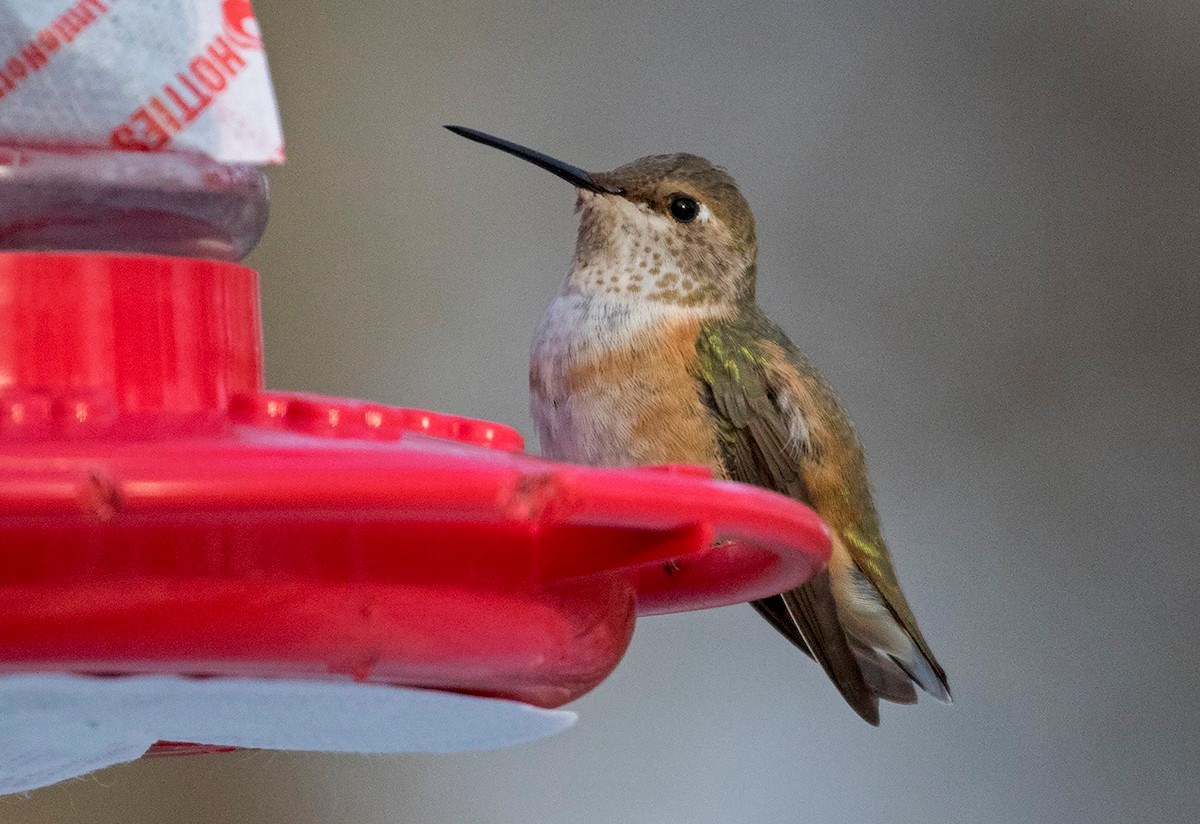
| Rufous Hummingbird | Orange-red back and belly, iridescent throat |
Distinctive Features
Hummingbirds have several distinctive features. These help in easy identification.
- Size: Hummingbirds are very small, about 3-4 inches.
- Wings: Their wings beat very fast, creating a humming sound.
- Beak: They have long, thin beaks for feeding on nectar.
- Color: Males often have bright, iridescent throats.
Both Ruby-throated and Rufous Hummingbirds have unique color patterns. The Ruby-throated has a bright red throat. The Rufous is known for its orange-red body.
Understanding these features makes it easier to spot hummingbirds. Keep an eye out for their rapid movements and vibrant colors.
Feeding Habits
Hummingbirds are fascinating creatures with unique feeding habits. In Wisconsin, these tiny birds have specific preferences for nectar. Understanding their feeding habits can help you attract and nourish them effectively.
Nectar Preferences
Hummingbirds primarily feed on nectar from flowers. They prefer brightly colored blooms, especially red, orange, and pink. These colors attract them and signal a reliable food source. Native plants like bee balm, trumpet creeper, and columbine are excellent choices.
| Flower Type | Color | Bloom Season |
|---|---|---|
| Bee Balm | Red | Summer |
| Trumpet Creeper | Orange | Late Spring to Summer |
| Columbine | Pink | Spring |
Besides flowers, hummingbirds also enjoy sugar water. Mix four parts water with one part sugar to create a simple nectar solution. Avoid using honey or artificial sweeteners.
Feeder Tips
Using feeders can supplement their diet, especially in early spring. Here are some tips to keep your feeders effective and safe:
- Clean the feeder every few days to prevent mold.
- Refill with fresh nectar regularly, especially during hot weather.
- Place the feeder in a shaded area to keep the nectar cool.
- Use feeders with red parts to attract hummingbirds naturally.
- Monitor the feeder for ants or bees, and use ant moats if necessary.
By understanding and catering to their feeding habits, you can enjoy the presence of these beautiful birds throughout their stay in Wisconsin.
Creating A Hummingbird-friendly Environment
Hummingbirds are delightful creatures that bring joy to any garden. To attract them, you need to create a hummingbird-friendly environment. This involves careful planning and selecting the right plants and shelter options.
Best Plants
Hummingbirds love bright, tubular flowers. These flowers provide the nectar they crave.
- Bee Balm (Monarda): A favorite for its vibrant colors.
- Columbine (Aquilegia): Its unique shape attracts hummingbirds.
- Trumpet Vine (Campsis radicans): It offers abundant nectar.
- Salvia (Salvia spp.): Known for its long blooming period.
- Honeysuckle (Lonicera): A climbing plant with sweet nectar.
Shelter Options
Hummingbirds need safe spaces to rest and hide from predators. Providing shelter is essential to keeping them in your garden.
- Trees and Shrubs: Planting native trees and shrubs gives them natural cover.
- Hedges: Dense hedges can offer protection.
- Brush Piles: Piles of sticks and leaves create a safe haven.
- Artificial Nests: You can place small, sheltered nests.
| Plant | Bloom Time | Color |
|---|---|---|
| Bee Balm | Summer | Red |
| Columbine | Spring | Red, Yellow |
| Trumpet Vine | Summer to Fall | Orange |
| Salvia | Spring to Fall | Blue, Red |
| Honeysuckle | Spring to Summer | Orange, Yellow |
By selecting the best plants and providing shelter, you can create a perfect haven for hummingbirds. This ensures they visit your garden often and stay longer.
Tracking And Reporting Sightings
Spring is an exciting time for bird enthusiasts in Wisconsin. The arrival of hummingbirds signals the start of warmer days. Tracking and reporting hummingbird sightings helps scientists understand migration patterns. It also helps bird lovers know when to put out feeders.
Citizen Science Projects
Citizen science projects are a great way to track hummingbirds. These projects rely on everyday people to report sightings. You can join projects like Journey North or eBird. Reporting your sightings helps build a large database. This data is crucial for researchers.
To participate, you need to observe and report the hummingbirds you see. Note the date, time, and location. Some projects may ask for additional details, like the weather. Your reports can help track hummingbird migration across North America.
Useful Apps
Several apps can make tracking hummingbirds easier. These apps allow you to log sightings quickly. They also provide valuable information about hummingbird species.
- Merlin Bird ID: This app helps you identify birds. It is user-friendly and provides detailed information.
- eBird Mobile: This app lets you report sightings directly. It syncs with the eBird website.
- iNaturalist: This app connects you with a community of naturalists. You can share and discuss your sightings.
Using these apps, you can contribute to citizen science projects. You can also learn more about the birds you love.
Tracking and reporting sightings is fun and informative. It brings bird lovers together and helps science. So, get involved and start tracking today!
Challenges Hummingbirds Face
As the tiny, vibrant hummingbirds make their way to Wisconsin, they face numerous challenges. Understanding these obstacles helps us appreciate their incredible journey and the need to protect their environment.
Climate Change
Climate change poses a significant threat to hummingbirds. Temperature fluctuations impact their migration patterns. Warmer winters may confuse their timing, causing them to arrive too early or too late.
Extreme weather events also disrupt their food sources. Hummingbirds rely on nectar from flowers and small insects. Unpredictable weather can destroy these food supplies.
Habitat Loss
Habitat loss is another critical issue for hummingbirds. Urbanization and deforestation remove their natural habitats. When trees and plants are cleared, hummingbirds lose nesting sites and food sources.
Gardens and parks can help, but they often lack native plants. Native plants are essential for providing the right kind of nectar and insects hummingbirds need.
| Challenges | Impact |
|---|---|
| Climate Change | Disrupts migration and food availability |
| Habitat Loss | Reduces nesting sites and food sources |
To support hummingbirds, plant native flowers and avoid using pesticides. Small actions can make a big difference for these tiny travelers.
Conservation Efforts
The return of hummingbirds to Wisconsin is a special event. Their journey is long and full of danger. Conservation efforts are essential to protect these tiny travelers. Local communities and individuals play a crucial role. Let’s explore how we can help hummingbirds thrive.
Local Initiatives
Many local groups are working to protect hummingbirds. These initiatives focus on creating safe habitats. They plant flowers that provide nectar and build bird-friendly gardens. Educational programs teach people about the importance of these birds.
Some organizations also monitor hummingbird populations. They track migration patterns and health. This data helps create better conservation strategies.
How You Can Help
Everyone can help hummingbirds in Wisconsin. Here are some simple steps:
- Plant native flowers that provide nectar.
- Avoid using pesticides in your garden.
- Set up hummingbird feeders with clean sugar water.
- Provide fresh water sources for drinking and bathing.
- Support local conservation groups through donations or volunteering.
By taking these actions, you can create a welcoming environment for hummingbirds. Your efforts will help these beautiful birds thrive.
Credit: hort.extension.wisc.edu
Frequently Asked Questions
When Should I Put Out Hummingbird Feeders In Wisconsin?
Put out hummingbird feeders in Wisconsin by mid-April. This timing attracts early migrators and ensures food availability.
When Should I Expect Hummingbirds In My Area?
Expect hummingbirds in your area during spring migration. They typically arrive between March and May, depending on your location.
When Should I Put My Hummingbird Feeder Out?
Put your hummingbird feeder out in early spring, around mid-March to early April, depending on your location.
Why Are There No Hummingbirds Right Now?
Hummingbirds migrate to warmer regions during fall and winter. They return in spring when flowers bloom.
Conclusion
Hummingbirds are a sign of spring in Wisconsin. Keep your feeders ready and gardens vibrant. These tiny birds bring joy and wonder. Stay patient, they will arrive soon. Share your sightings and tips with fellow bird enthusiasts. Enjoy the beauty and excitement of hummingbird season in Wisconsin!