

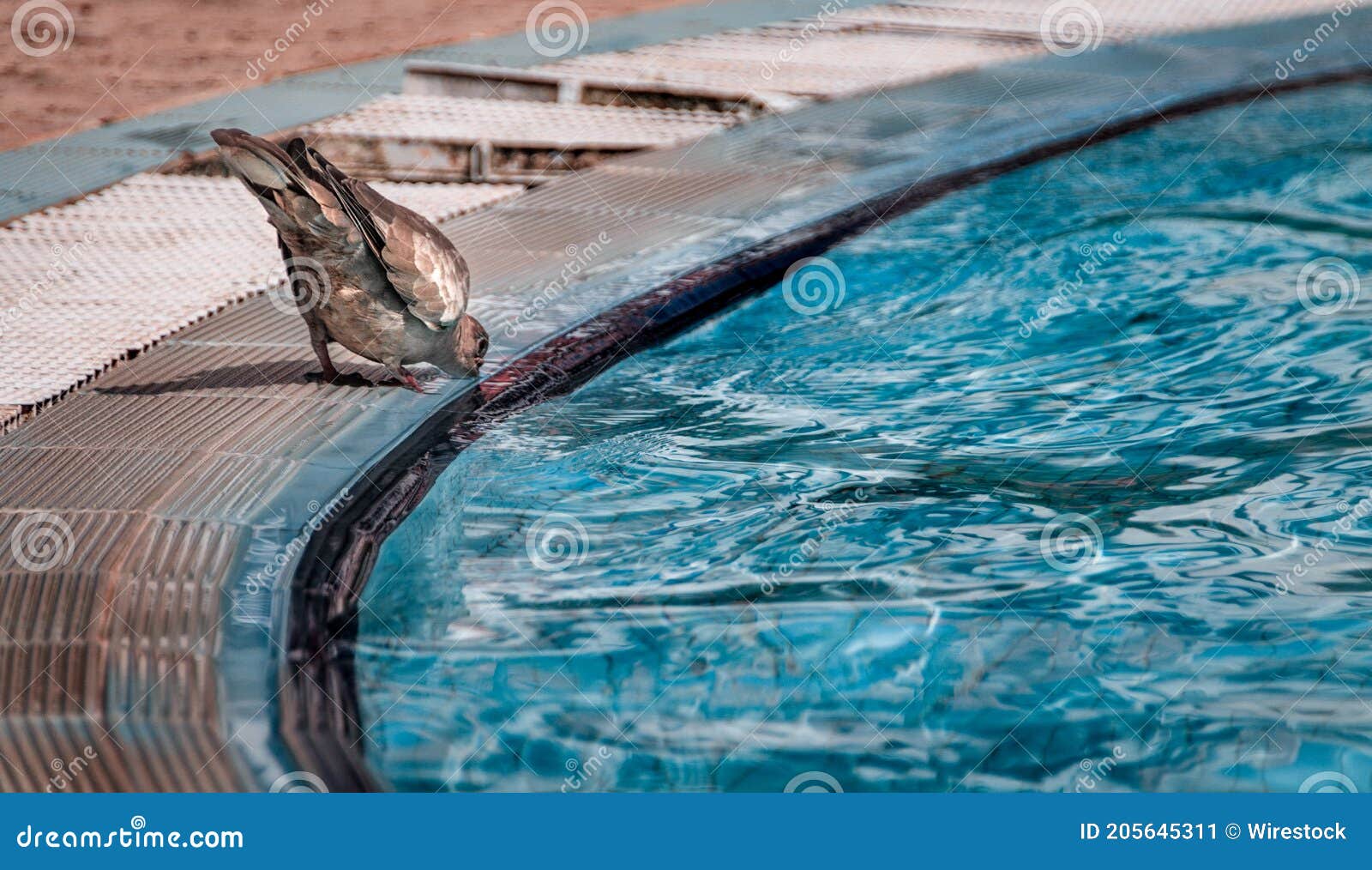
Yes, birds can drink pool water, but it’s not safe for them. Pool water contains chemicals like chlorine that can harm birds.
Birds often seek out water sources for hydration and bathing. Pools can appear attractive to them, especially in hot weather. However, the chemicals used to keep pools clean, such as chlorine and algaecides, pose health risks to birds. These substances can irritate their digestive systems and potentially lead to poisoning.
It’s important for pool owners to understand these risks and take measures to deter birds from drinking pool water. Providing alternative water sources, like birdbaths or shallow dishes of clean water, can help keep birds safe and hydrated without the hazards of pool chemicals.
Birds And Pool Water
Can birds drink pool water? This question worries many pool owners. Birds are curious creatures. They often visit pools for a quick drink. But is pool water safe for them? Let’s explore the potential risks and common concerns.
Potential Risks
Pool water contains chemicals like chlorine and algaecides. These chemicals keep the water clean for humans. But they are harmful to birds. Chlorine can irritate a bird’s digestive system. Algaecides can cause toxic reactions.
Birds are smaller than humans. Even a small amount of chemicals can harm them. Drinking pool water can lead to serious health issues for birds. They may suffer from dehydration or even poisoning.
Common Concerns
Many people worry about birds drinking pool water. One common concern is the presence of chemicals. As mentioned, chlorine and algaecides are harmful. Another concern is the temperature of the water. Birds prefer fresh, cool water.
- Chlorine: Can cause digestive issues.
- Algaecides: May lead to toxic reactions.
- Temperature: Birds like cool, fresh water.
People also worry about bird droppings in the pool. Bird droppings can contaminate the water. This poses health risks to humans. It can also attract more birds, creating a cycle of contamination.
| Potential Risk | Impact on Birds |
|---|---|
| Chlorine | Digestive issues |
| Algaecides | Toxic reactions |
| Temperature | Prefer cool water |
| Bird Droppings | Contaminates water |
To protect birds, provide fresh water sources. Set up birdbaths or water feeders away from the pool. This way, birds will have a safer option to drink from.

Credit: sparklark.com
Chemical Exposure
Birds often drink from pools, but it can be unsafe. The chemicals in pool water can harm them. This section explores the risks birds face from chemical exposure.
Chlorine Effects
Chlorine is common in pools. It keeps the water clean. But chlorine can hurt birds. Here are some effects:
- Respiratory Issues: Birds can have trouble breathing.
- Skin Irritation: Chlorine can cause skin problems.
- Digestive Problems: Swallowing chlorine can upset their stomachs.
These issues can make birds very sick. It’s best to keep them away from chlorinated water.
Other Pool Chemicals
Pools contain more than just chlorine. Other chemicals can also be harmful. These include:
| Chemical | Effect on Birds |
|---|---|
| Algaecides | Can poison birds if ingested. |
| Bromine | Similar to chlorine, it can cause health issues. |
| pH Adjusters | Can upset the natural pH balance in a bird’s body. |
These chemicals can be just as dangerous as chlorine. Birds should avoid all pool water to stay safe.
Signs Of Distress
Birds drinking pool water can face serious health issues. Recognizing the signs of distress is crucial for their well-being. Identifying these signs early can save lives. Here are the key symptoms to watch for:
Physical Symptoms
Physical symptoms in distressed birds are often visible. Look for these signs:
- Drooping wings: Wings may hang lower than usual.
- Labored breathing: Watch for open-mouth breathing or rapid breaths.
- Swollen eyes: Eyes may appear puffy or red.
- Feather loss: Feathers might be missing or look unhealthy.
Behavioral Changes
Behavioral changes can also indicate distress. These changes include:
- Lethargy: Birds might seem unusually tired or inactive.
- Unusual vocalizations: Listen for strange or excessive calls.
- Aggression: Birds may become unexpectedly aggressive.
- Isolation: Birds might separate themselves from the flock.
Monitoring these signs helps keep birds safe from harmful pool water.
Safe Hydration Alternatives
Ensuring birds have access to safe drinking water is essential. Pool water contains chemicals harmful to birds. Here are some safe hydration alternatives for our feathered friends.
Bird Baths
Bird baths provide a safe and clean water source. They are easy to set up and maintain. Place the bird bath in a shaded area. This keeps the water cool and fresh. Clean the bird bath regularly to prevent algae and bacteria growth. Use a shallow dish to prevent drowning. Add small stones for birds to stand on.
Natural Water Sources
Natural water sources are ideal for bird hydration. These include ponds, streams, and rainwater collections. Ensure the water is free from pollutants. Avoid using pesticides near these sources. Create a small pond in your garden. This attracts birds and other wildlife. Use native plants around the water source. They provide shelter and additional food.
| Hydration Alternative | Benefits |
|---|---|
| Bird Baths | Easy to set up, clean, and maintain. |
| Natural Water Sources | Provide clean and pollutant-free water. |
- Place bird baths in shaded areas.
- Use shallow dishes to prevent drowning.
- Clean bird baths regularly.
- Create garden ponds with native plants.
By offering these safe hydration alternatives, you help keep birds healthy and hydrated.
Creating Bird-friendly Zones
Creating bird-friendly zones in your backyard can be rewarding. Birds bring color, sound, and life to your garden. They also help control pests and pollinate plants. But, can birds drink pool water? This is a common concern for many pool owners. Let’s explore how to make your space both bird-friendly and safe.
Design Tips
Designing bird-friendly zones requires thoughtful planning. Use native plants to attract local birds. These plants provide natural food and shelter. Ensure there are safe water sources for birds.
- Native Plants: Choose plants that attract local birds.
- Shrubs and Trees: Provide shelter and nesting places.
- Water Features: Add bird baths or small ponds.
Essential Features
Bird-friendly zones need specific features to thrive. Birds need water, food, and shelter. Here’s a table showing essential features:
| Feature | Description |
|---|---|
| Bird Baths | Provide clean water for drinking and bathing. |
| Feeders | Offer birdseed, suet, or nectar. |
| Nest Boxes | Safe places for birds to nest and raise young. |
Birds need a safe and welcoming space. Use these tips to create a bird-friendly zone in your backyard.

Credit: sparklark.com
Pool Maintenance Tips
Proper pool maintenance is essential for ensuring a safe environment for both humans and animals. Birds often drink pool water, so keeping your pool well-maintained is crucial. Below are some pool maintenance tips to help you keep your pool in top shape.
Chemical Balance
Maintaining the chemical balance in your pool is vital. Too many chemicals can harm birds. Too few chemicals can lead to bacteria growth. Use a pool testing kit to check the levels of chlorine, pH, and alkalinity. Ensure the pH level stays between 7.2 and 7.8. Keep chlorine levels between 1.0 and 3.0 ppm. Test the water at least twice a week.
| Chemical | Ideal Range |
|---|---|
| pH Level | 7.2 – 7.8 |
| Chlorine | 1.0 – 3.0 ppm |
| Alkalinity | 80 – 120 ppm |
Regular Cleaning
Cleaning your pool regularly keeps it safe for birds. Remove leaves, dirt, and debris daily. Use a skimmer to clean the surface of the water. Vacuum the pool floor at least once a week. Clean the pool filter every month to maintain water clarity.
- Remove leaves and debris daily.
- Skim the surface of the water.
- Vacuum the pool floor weekly.
- Clean the pool filter monthly.
Regular cleaning prevents algae growth. It also keeps the water clear and safe. Use a pool brush to scrub the walls and steps. This will help to remove any algae or dirt buildup.
Emergency Steps
Birds are curious creatures, often exploring their surroundings for food and water. Pool water can attract them, but it poses risks. Pool chemicals can harm birds. Knowing emergency steps can save their lives. Follow these steps if a bird drinks pool water.
Immediate Actions
Act quickly to help the bird. Remove the bird from the pool area. Rinse its beak with fresh water. Avoid using tap water with chlorine.
- Use distilled or filtered water.
- Gently offer the bird fresh water.
- Ensure it drinks clean water.
Check the bird for signs of distress. Look for abnormal behavior or weakness. If symptoms persist, seek professional help.
Veterinary Care
Contact a veterinarian immediately. Describe the bird’s condition and exposure. The vet may provide specific advice.
- Follow the vet’s instructions carefully.
- Provide a safe, quiet space for the bird.
- Monitor its condition closely.
Professional care ensures the bird’s best chance of recovery. Early intervention can prevent serious health issues.
Credit: www.dreamstime.com
Educating The Community
Birds often visit pools. It’s important to know if this is safe. Community education can help spread this knowledge.
Awareness Campaigns
Awareness campaigns are vital. They inform people about the risks of pool water for birds. Chlorine and chemicals in pool water can harm birds. Campaigns can use posters, social media, and local events.
| Campaign Method | Details |
|---|---|
| Posters | Place them in community centers and parks. |
| Social Media | Share facts and tips on Facebook and Instagram. |
| Local Events | Host talks at schools and libraries. |
Community Involvement
Community involvement is key to educating everyone. People can participate in various ways:
- Attend informational meetings.
- Share information with neighbors.
- Volunteer to put up posters.
Active community members can make a big difference. Simple actions can help protect birds from harmful pool water.
Frequently Asked Questions
Is It Safe For Animals To Drink Pool Water?
Animals should avoid drinking pool water. It contains chemicals like chlorine that can harm their health. Offer fresh water instead.
What Kind Of Water Can Birds Drink?
Birds can drink fresh, clean water. Avoid giving them salty, chlorinated, or contaminated water. Filtered or distilled water is ideal.
Why Do Birds Like Pools?
Birds like pools because they provide fresh water for drinking and bathing. Pools also attract insects, offering food.
Is Chlorine Bad For Wildlife?
Yes, chlorine can harm wildlife. It contaminates water, affecting fish and aquatic organisms. Chlorine exposure can cause respiratory issues and disrupt ecosystems.
Conclusion
Understanding the risks, it’s best to keep birds away from pool water. Chemicals can harm their health. Providing fresh water sources is crucial. Clean birdbaths regularly to ensure safety. Protecting wildlife enhances our environment. Always prioritize their well-being. Your efforts make a significant difference in their lives.