

Dried bird poop can be dangerous. It can harbor harmful fungi and bacteria, posing health risks to humans.
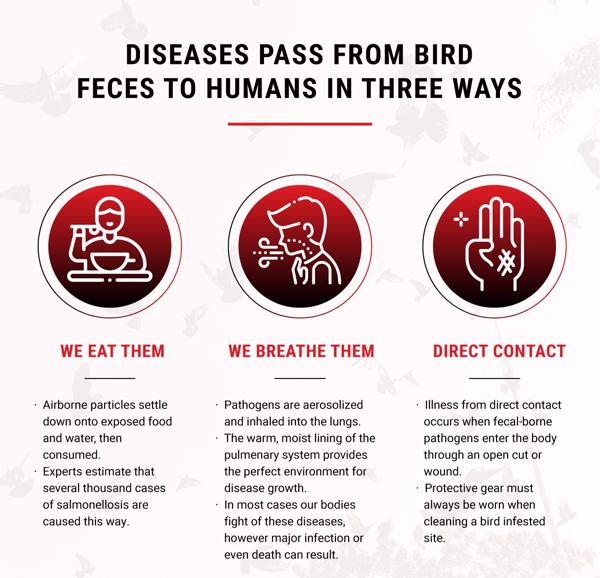
Bird droppings, when dried, can become a serious health hazard. They often contain fungi such as Histoplasma capsulatum and bacteria like Salmonella. These microorganisms can cause respiratory issues and infections if inhaled. Cleaning up dried bird poop requires caution to prevent the particles from becoming airborne.
Protective gear, such as masks and gloves, is essential to minimize exposure. Regular cleaning and maintenance of areas frequented by birds can help reduce the risks. Ensuring proper hygiene and safety measures can protect you from the potential dangers of dried bird poop.
Health Hazards
Dried bird poop can pose significant health risks. These hazards are often overlooked. Awareness of these dangers is crucial for maintaining good health.
Respiratory Issues
Inhaling dust from dried bird poop can lead to respiratory issues. This dust can contain harmful fungi and bacteria. The most common disease is Histoplasmosis. It affects the lungs and causes flu-like symptoms. Another disease is Cryptococcosis. This can lead to severe lung infections. Psittacosis is also a concern. It can cause pneumonia and other respiratory problems.
Skin Irritation
Contact with dried bird poop can irritate the skin. The skin may become red and itchy. This is due to harmful bacteria and fungi present in the poop. People with sensitive skin are more at risk. Proper hygiene is essential after contact. Wearing gloves can help protect the skin.
Here is a summary of the health hazards associated with dried bird poop:
| Health Hazard | Cause | Symptoms |
|---|---|---|
| Respiratory Issues | Inhalation of dust | Flu-like symptoms, severe lung infections |
| Skin Irritation | Contact with poop | Redness, itching |
Credit: www.birdbgone.com
Common Diseases
Bird droppings are more than just an eyesore. They can carry diseases harmful to humans. Understanding these diseases is essential for safety.
Histoplasmosis
Histoplasmosis is a disease caused by a fungus found in bird droppings. When dried bird poop turns to dust, the fungus becomes airborne. People inhale this dust and may get infected. Symptoms include:
- Fever
- Cough
- Fatigue
Severe cases can lead to lung infections. Avoiding contact with bird droppings reduces the risk.
Cryptococcosis
Cryptococcosis is another disease linked to bird droppings. This illness is caused by a fungus called Cryptococcus. The fungus thrives in dried bird poop. When inhaled, it can cause lung infections. Symptoms include:
- Chest pain
- Shortness of breath
- Fever
Cryptococcosis can be serious, especially for people with weak immune systems. Cleaning bird droppings safely is crucial.
Affected Areas
Bird droppings can pose significant risks in various environments. The affected areas are primarily urban environments and agricultural settings. Understanding these areas can help mitigate potential dangers.
Urban Environments
In urban areas, dried bird poop can accumulate on buildings, statues, and public spaces. This can create health hazards and aesthetic issues. The droppings contain pathogens that can cause diseases like histoplasmosis and cryptococcosis. These diseases can affect humans, especially those with weakened immune systems.
Buildings: Bird droppings can corrode building materials over time. This can lead to structural damage and costly repairs.
Public Spaces: Areas like parks and playgrounds can become contaminated. This can pose health risks to children who play there.
Vehicles: Dried bird poop can damage car paint. This can result in expensive maintenance costs.
| Area | Risks |
|---|---|
| Buildings | Corrosion and structural damage |
| Public Spaces | Health risks to children |
| Vehicles | Paint damage |
Agricultural Settings
Bird droppings also impact agricultural settings, affecting crops and livestock. This can result in economic losses for farmers.
Crops: Dried bird poop can contaminate crops with harmful bacteria. This can lead to reduced crop yields and food safety issues.
Livestock: Birds can spread diseases among livestock. This can result in health problems for animals and financial losses for farmers.
Stored Feed: Bird droppings can contaminate stored animal feed. This can introduce pathogens that affect livestock health.
- Crops: Contamination and reduced yields
- Livestock: Spread of diseases
- Stored Feed: Pathogen contamination
Mitigating these risks requires proper management and cleaning practices. This ensures safety in both urban and agricultural areas.
Credit: accend.co.za
Risk Groups
Understanding the risk groups for exposure to dried bird poop is crucial. Certain individuals are more vulnerable to its harmful effects. Let’s explore these risk groups.
Children
Children are especially at risk when exposed to dried bird poop. Their immune systems are still developing, making them more susceptible to infections. They often play outdoors, where bird droppings are common. Ingesting or inhaling dried bird poop particles can lead to serious health issues.
Common symptoms in children include:
- Coughing
- Sneezing
- Fever
- Breathing difficulties
Parents should supervise their kids while they play outside. Ensure they wash their hands frequently to avoid contamination.
Elderly
The elderly also face significant risks from dried bird poop. Their immune systems weaken with age, making them prone to infections. They might have pre-existing respiratory conditions that can worsen upon exposure.
Common health issues in the elderly include:
- Respiratory infections
- Pneumonia
- Allergic reactions
It’s essential for elderly individuals to avoid areas with heavy bird activity. Regular cleaning of outdoor spaces can minimize exposure risks.
Prevention Methods
Preventing exposure to dried bird poop is essential. It ensures a healthy living environment. Here are some effective methods to prevent health risks.
Protective Gear
Wearing protective gear is crucial during cleanup tasks. Essential items include:
- Gloves to protect your hands from direct contact.
- Masks to avoid inhaling harmful particles.
- Goggles to shield your eyes from debris.
Always use proper protective gear. This minimizes the risk of contamination.
Regular Cleaning
Regular cleaning helps prevent buildup of dried bird poop. Follow these steps to maintain cleanliness:
- Sweep or vacuum areas frequently.
- Use a mixture of water and mild detergent for cleaning.
- Disinfect surfaces with a bleach solution.
Regular cleaning routines reduce health risks. It also maintains a hygienic environment.
| Cleaning Frequency | Recommended Actions |
|---|---|
| Daily | Sweep or vacuum visible droppings. |
| Weekly | Wipe surfaces with water and detergent. |
| Monthly | Disinfect with bleach solution. |
Safe Cleanup
Cleaning dried bird poop can be tricky. It can pose health risks if not handled properly. Here’s how to do it safely.
Proper Equipment
Using the right equipment is crucial. You’ll need:
- Disposable gloves
- Face mask
- Safety goggles
- Disposable coveralls
These items protect you from harmful bacteria. They also keep your clothes clean.
Disposal Guidelines
Proper disposal prevents health hazards. Follow these steps:
- Wet the bird poop with water. This stops dust from spreading.
- Use a scraper to remove the poop. Collect it in a plastic bag.
- Seal the bag tightly. Dispose of it in a trash bin.
- Clean the area with a disinfectant. This kills any remaining germs.
Washing your hands after cleanup is crucial. Use soap and water for at least 20 seconds.
These steps ensure safe and effective cleanup. They protect your health and environment.
Misconceptions
Many people believe dried bird poop is harmless. These misconceptions can lead to health risks. Let’s debunk common myths and understand the real dangers.
Harmlessness Myth
One common myth is that dried bird poop is harmless. This is far from the truth. Bird droppings can contain harmful pathogens. These include bacteria, fungi, and viruses.
Dried bird poop can release spores into the air. Breathing these spores can cause respiratory issues. This is especially true for people with weakened immune systems.
Instant Health Effects
Another misconception is that health effects are instant. Dried bird poop can cause delayed symptoms. You might not feel sick right away.
Bird droppings can contain Histoplasma. This fungus can cause histoplasmosis. Symptoms can appear weeks after exposure. This makes it hard to link the illness to bird droppings.
| Myth | Reality |
|---|---|
| Dried bird poop is harmless | Contains harmful pathogens |
| Health effects are instant | Symptoms can be delayed |
- Harmlessness Myth: Dried bird poop is not harmless.
- Instant Health Effects: Health effects can be delayed.
Understanding these myths helps keep you safe. Always clean bird droppings carefully. Use protective gear to avoid health risks.
:strip_icc()/Bird-poop-101-390429_color_rev-6ebe94c13d8e426994c3d10565e92b17.jpg)
Credit: www.thesprucepets.com
When To Seek Help
Dried bird poop can be more than just a nuisance. It can pose health risks. Knowing when to seek help is crucial. This section will guide you on signs of infection and when to get professional assistance.
Signs Of Infection
Bird droppings can carry harmful bacteria and fungi. Here are some signs you may need medical attention:
- Respiratory Issues: Trouble breathing, coughing, or wheezing.
- Skin Irritations: Rashes, itching, or redness.
- Fever: Unexplained high temperature.
- Flu-like Symptoms: Body aches, fatigue, and chills.
Professional Assistance
If you notice any of these symptoms, consult a doctor. Professionals can diagnose and treat infections from bird droppings. Here are some steps they may take:
- Medical Evaluation: Thorough examination and history review.
- Diagnostic Tests: Blood tests, X-rays, or skin tests.
- Treatment Plan: Antibiotics or antifungal medications.
In some cases, you might need to hire a professional cleaning service. They can safely remove bird droppings. Here’s what they typically offer:
| Service | Description |
|---|---|
| Inspection | Identify contaminated areas. |
| Cleaning | Use of safe and effective cleaning agents. |
| Disinfection | Eliminate harmful pathogens. |
Frequently Asked Questions
Is It Okay To Touch Dried Bird Poop?
Touching dried bird poop is not recommended. It can contain harmful bacteria and parasites. Always use gloves or wash hands thoroughly after contact.
Can Bird Droppings Make You Sick?
Yes, bird droppings can make you sick. They may carry diseases like histoplasmosis, cryptococcosis, and psittacosis. Always handle droppings with care.
Are Bird Droppings Considered Hazardous Waste?
Bird droppings can be hazardous waste. They contain bacteria, fungi, and parasites that pose health risks. Proper cleaning and disposal are essential.
Is Swallow Bird Poop Dangerous?
Swallow bird poop can be dangerous. It may contain harmful bacteria and parasites. Always avoid contact and clean affected areas properly.
Conclusion
Dried bird poop can pose health risks if inhaled or ingested. Always clean it with proper precautions. Use gloves and masks to protect yourself. Regular maintenance of your property can prevent buildup. Understanding the dangers ensures you stay safe and healthy.
Stay informed and take necessary steps to mitigate risks.