

Yes, birds eat butterflies. Birds often prey on butterflies as part of their diet.
Birds are natural predators of butterflies. They rely on these insects for nutrition. Butterflies, with their vibrant colors and delicate wings, are often targeted by various bird species. Birds such as sparrows, robins, and swallows are known to consume butterflies.
This predation helps maintain ecological balance by controlling butterfly populations. While butterflies have evolved certain defenses, such as toxic chemicals and camouflage, they still fall prey to birds. This predator-prey relationship highlights the intricate dynamics within ecosystems. Understanding this interaction can provide insights into biodiversity and conservation efforts. Observing these natural behaviors underscores the importance of preserving habitats for all species involved.
Credit: www.quora.com
Birds And Their Dietary Habits
Birds have diverse dietary habits. Their diets vary based on species, environment, and availability of food. Some birds prefer seeds, while others enjoy insects. Understanding these habits helps us learn more about the bird species around us.
Common Bird Diets
Birds eat a variety of foods. Here are some common diets:
- Seeds: Many birds enjoy seeds. They find them in gardens and forests.
- Fruits: Birds like robins and thrushes eat fruits.
- Nectar: Hummingbirds love nectar. They visit flowers for this sweet treat.
- Insects: Insect-eating birds help control pests. They eat beetles, flies, and other bugs.
Insect-eating Birds
Many birds eat insects. These birds help keep the insect population in check. Here are some examples:
| Bird Species | Common Insects Eaten |
|---|---|
| Swallows | Flies, Beetles |
| Warblers | Caterpillars, Moths |
| Woodpeckers | Ants, Termites |
| Sparrows | Grasshoppers, Crickets |
Some birds even eat butterflies. Butterflies provide essential nutrients. Birds catch them in flight or from plants. This predator-prey relationship is a natural part of ecosystems.
Butterflies As Prey
Butterflies are stunning creatures. Their vibrant colors and delicate wings captivate many. But they often become prey for birds. Understanding their lifecycle and defenses is crucial.
Lifecycle And Vulnerabilities
Butterflies go through four stages:
- Egg
- Caterpillar
- Pupa (Chrysalis)
- Adult Butterfly
Each stage has its own risks:
| Stage | Vulnerabilities |
|---|---|
| Egg | Easy prey for ants and spiders. |
| Caterpillar | Visible to birds, especially bright ones. |
| Pupa | Immobile, relies on camouflage. |
| Adult | Attracts predators due to bright colors. |
Natural Defenses
Butterflies use several defenses:
- Camouflage: Blends with surroundings to avoid detection.
- Mimicry: Some look like toxic species.
- Toxicity: Certain species are poisonous if eaten.
- Rapid Flight: Quick movements to escape predators.
These defenses help butterflies survive. Yet, many still fall prey to birds.
Bird Species That Eat Butterflies
Butterflies are beautiful but also part of the food chain. Many bird species find butterflies to be a tasty treat. Understanding which birds prey on butterflies can help in butterfly conservation efforts. Let’s explore the common and unusual bird species that eat butterflies.
Common Predators
Several birds are known for their butterfly-eating habits. Here are some of the most common predators:
| Bird Species | Notes |
|---|---|
| Sparrows | Common in many areas. Often targets small butterflies. |
| Swallows | Expert fliers. Catch butterflies in mid-air. |
| Robins | Found in gardens. Eat caterpillars and butterflies. |
Unusual Predators
Some birds you might not expect also eat butterflies. Here are a few unusual ones:
- Blue Jays – Known for their bright color. Sometimes eat butterflies.
- Hummingbirds – Mostly sip nectar. Occasionally catch small butterflies.
- Crows – Larger birds. Opportunistic feeders and may eat butterflies.
Both common and unusual bird predators play a role in the ecosystem. They help control butterfly populations and maintain ecological balance.
Hunting Techniques
Birds often eat butterflies as a part of their diet. They use various hunting techniques to catch them. These methods help birds to efficiently capture their prey. Let’s explore some of these techniques.
Aerial Pursuit
Many birds are skilled in aerial pursuit. They chase butterflies in the air. This method requires great agility and speed.
- Birds spot butterflies while flying.
- They quickly adjust their flight path.
- Birds catch butterflies mid-air using their beaks.
Swallows and swifts excel in this technique. They can make sharp turns and quick dives.
Ambush Strategies
Some birds prefer ambush strategies. They wait patiently for butterflies to come close. This technique relies on patience and timing.
- Birds hide in bushes or trees.
- They remain still and silent.
- Birds strike quickly when butterflies are near.
Birds like robins and sparrows use this method. They often sit on branches, waiting for the right moment.
| Technique | Description |
|---|---|
| Aerial Pursuit | Chasing butterflies in the air. |
| Ambush Strategies | Waiting and striking from a hidden spot. |
Both techniques show the resourcefulness of birds in catching butterflies.
Seasonal Variations
Birds and butterflies both experience changes with the seasons. These changes impact their interaction. Birds might eat more or fewer butterflies depending on the time of year.
Migration Patterns
Birds migrate to different places during different seasons. These migrations affect their diets. During spring, some birds move to regions rich in butterflies. This increases the chances of birds eating butterflies.
In winter, many birds fly to warmer areas. Butterflies may not be present in these regions. This results in fewer butterflies being eaten.
| Season | Bird Migration | Butterfly Population |
|---|---|---|
| Spring | High | High |
| Winter | High | Low |
Breeding Season Impact
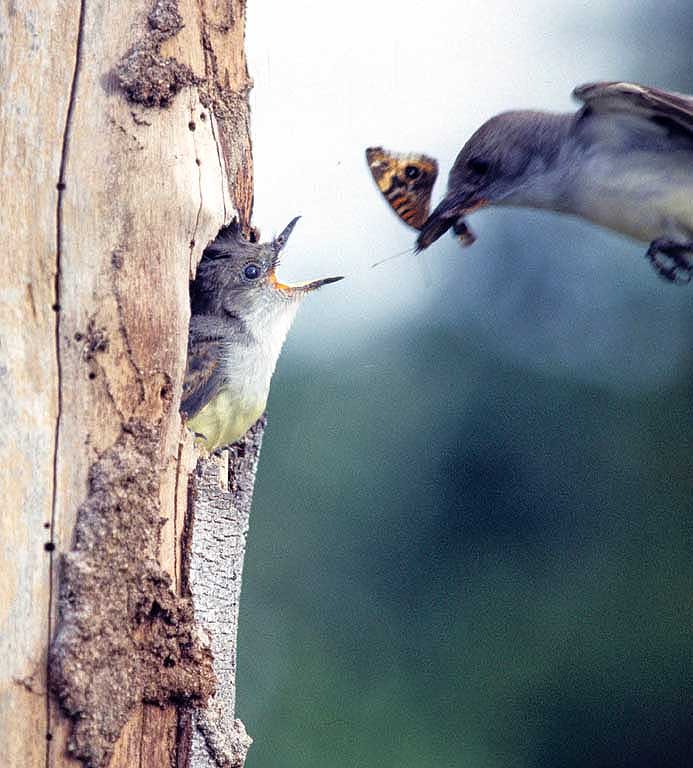
Birds have their breeding season at different times. During the breeding season, birds need more food. They might hunt butterflies to feed their young. This increases butterfly consumption.
Butterflies also have breeding seasons. During their breeding season, butterfly populations grow. This makes them more available as food for birds.
- Birds need more food for their chicks.
- Butterflies are more abundant during their breeding season.
Credit: www.birdtipper.com
Impact On Butterfly Populations
The relationship between birds and butterflies is a fascinating aspect of nature. Birds eating butterflies impacts butterfly populations significantly. This dynamic plays a crucial role in maintaining ecological balance.
Population Control
Birds help in controlling butterfly numbers. Without this predation, butterfly populations might grow too large. Too many butterflies can harm plants as they feed on them. Birds keep butterfly numbers balanced, ensuring plants remain healthy.
Ecosystem Balance
Birds eating butterflies contributes to ecosystem balance. Butterflies, as pollinators, are vital for plant reproduction. A balanced butterfly population supports diverse plant life. Birds help maintain this balance by preying on butterflies.
Here’s a table showing the benefits of birds preying on butterflies:
| Benefit | Impact |
|---|---|
| Population Control | Prevents overpopulation of butterflies |
| Plant Health | Reduces damage from feeding larvae |
| Ecosystem Balance | Supports diverse plant life |
- Birds keep butterfly numbers in check.
- This control helps maintain plant health.
- Balanced butterfly populations support ecosystem diversity.
Butterfly Defense Mechanisms
Butterflies, with their delicate wings and vibrant colors, are often targeted by birds. But butterflies have developed various defense mechanisms to avoid becoming a bird’s meal. These strategies help them survive in the wild.
Camouflage And Mimicry
Camouflage allows butterflies to blend with their surroundings. This makes them hard for predators to spot. Some butterflies look like leaves or tree bark.
Mimicry involves butterflies imitating other insects or objects. For instance, some butterflies look like toxic species. Birds avoid these toxic look-alikes.
Chemical Defenses
Chemical defenses are another strategy butterflies use. Some butterflies produce toxins. These toxins make them taste bad to birds.
Butterflies often get these chemicals from the plants they eat. Monarch butterflies are a great example. They consume milkweed, which contains toxic compounds. Birds learn to avoid these butterflies.
Human Impact
Human activities significantly affect the relationship between birds and butterflies. This impact can be both direct and indirect. Here, we explore how habitat destruction and conservation efforts play a role.
Habitat Destruction
Habitat destruction is one of the biggest threats. Deforestation, urbanization, and agriculture reduce natural habitats. Birds and butterflies lose their homes and food sources. This makes survival harder for both species.
Pesticides and pollution also harm butterflies. These chemicals can poison butterflies and their food plants. Birds lose their prey, leading to a decline in their numbers.
Below is a table showing the effects of habitat destruction:
| Human Activity | Impact on Birds | Impact on Butterflies |
|---|---|---|
| Deforestation | Loss of nesting sites | Loss of host plants |
| Urbanization | Reduced food sources | Habitat fragmentation |
| Agriculture | Exposure to pesticides | Poisoned food plants |
Conservation Efforts
Conservation efforts aim to protect birds and butterflies. Creating reserves and planting native plants help restore habitats. These actions provide safe places for birds and butterflies to live.
Education programs teach people about the importance of these species. Schools and communities can create butterfly gardens. These gardens offer food and shelter for butterflies.
Laws and regulations also play a crucial role. Policies that limit deforestation and pesticide use can save many species. Below are some key conservation strategies:
- Establishing protected areas
- Planting native plants
- Reducing pesticide use
- Educational initiatives
- Supporting environmental laws
Credit: www.ucl.ac.uk
Frequently Asked Questions
Does A Bird Eat A Butterfly?
Yes, many birds eat butterflies. Birds like robins, sparrows, and blue jays often include butterflies in their diet.
Do Any Birds Eat Monarch Butterflies?
Yes, birds like black-headed grosbeaks and black-backed orioles eat monarch butterflies. They have adapted to tolerate the toxins.
Do Cardinals Eat Butterflies?
Yes, cardinals do eat butterflies. They consume a variety of insects, including butterflies, as part of their diet.
What Do Butterflies Get Eaten By?
Butterflies get eaten by birds, spiders, lizards, frogs, and small mammals. Predatory insects like wasps also prey on them.
Conclusion
Birds do eat butterflies, playing a crucial role in the ecosystem. This natural interaction helps maintain a balanced environment. Observing such behaviors enhances our understanding of wildlife. So next time you see a bird chasing a butterfly, remember it’s part of nature’s intricate design.
Nature’s balance is truly fascinating.