

Mourning doves make that sound to communicate and attract mates. Their cooing also establishes territory.
Mourning doves are known for their distinctive cooing sound, often heard in backyards and forests. This gentle, haunting call serves multiple purposes in the bird’s life. Primarily, the sound helps them attract mates and establish their territory among other birds.
These doves are monogamous, often forming long-lasting pairs, which makes their communication crucial. The cooing sound is typically produced by males, though females can also make similar sounds. Understanding the reasons behind their cooing can add a layer of appreciation for these birds. Their soft, mournful calls are a natural part of many outdoor soundscapes.

Credit: www.birdsandblooms.com
Introduction To Mourning Doves
The mourning dove is a common bird in North America. Known for its soft, woeful cooing, it often brings a sense of calm. But why do mourning doves make that sound? Let’s explore their characteristics and habitat.
Characteristics
Mourning doves are medium-sized birds. They have a slender body and long tail. Their feathers are light grey and brown, providing excellent camouflage. They also have distinctive black spots on their wings. These birds are known for their soft cooing sound. This sound can be heard from far away.
| Feature | Description |
|---|---|
| Size | Medium |
| Color | Light grey and brown |
| Tail | Long and pointed |
| Sound | Soft, woeful cooing |
Habitat
Mourning doves live in open and semi-open areas. They are found in fields, parks, and gardens. They build nests in trees or shrubs. Sometimes, they even nest on building ledges. They prefer areas with plenty of seeds to eat. Seeds are their main diet. These birds are adaptable and can live near humans.
- Fields
- Parks
- Gardens
- Building ledges
Understanding their habitat helps us learn why they make their unique sound. Knowing where they live can also help you spot these beautiful birds.

Credit: celebrateurbanbirds.org
The Iconic Sound
The mourning dove is known for its iconic sound. This bird’s call is soothing and easily recognizable. Many people enjoy listening to their cooing.
Description
The sound made by mourning doves is a soft, mournful cooing. It often sounds like “coo-OO-oo, oo, oo.” This sound is quite gentle and calming. The call is usually repeated several times. Males make this call to attract mates and mark territory.
Mourning doves use their vocal cords to create this sound. These birds have a unique vocal anatomy. They can produce this cooing sound without opening their beaks.
Common Misconceptions
There are several common misconceptions about the sound of mourning doves. Some people think the sound is made by owls. This is not true. Owls have a different call.
Another misconception is that the sound means the bird is sad. This is also incorrect. The sound is a natural part of their communication. Mourning doves are not expressing sadness.
| Misconception | Truth |
|---|---|
| The sound is made by owls. | The sound is made by mourning doves. |
| The sound means the bird is sad. | The sound is for communication. |
Understanding the true nature of the mourning dove’s sound helps us appreciate these birds more. Their cooing is a beautiful part of nature’s soundtrack.
Purpose Of The Sound
Mourning doves are known for their soft, woeful cooing sounds. These sounds serve important purposes in their lives. Let’s explore why these birds make such unique sounds.
Communication
Mourning doves use their sounds to communicate with each other. They alert others about danger. They also signal their presence. These sounds help maintain social bonds within the group. The cooing sound helps maintain a sense of community. This is especially important in the wild, where unity matters.
Mating Calls
The cooing of mourning doves is often a mating call. Male doves coo to attract females. This sound lets females know they are ready to mate. The males put on a display by puffing up their chests. This makes them look larger and more appealing. The sound and display work together. They help the male find a mate.
Sound Production Mechanism
Mourning Doves are known for their distinctive cooing sound. This sound has fascinated many bird watchers and nature lovers. Understanding the sound production mechanism of these birds can be quite intriguing.
Vocalization Process
Mourning Doves use a specific method to produce their sounds. They have a specialized vocalization process that involves a series of coordinated actions.
- First, the bird takes a deep breath.
- Then, air passes through the vocal cords.
- This creates vibrations that produce sound waves.
- Finally, the sound is amplified through the bird’s throat and beak.
This process allows Mourning Doves to create their unique cooing sound. The precision in their vocalization process is remarkable.
Anatomy Of Sound
The anatomy of a Mourning Dove plays a crucial role in sound production. Key anatomical features include the syrinx, vocal cords, and air sacs.
| Part | Function |
|---|---|
| Syrinx | Primary organ for sound production. |
| Vocal Cords | Vibrate to create sound waves. |
| Air Sacs | Help in amplifying the sound. |
Each part works together to produce the cooing sound. The syrinx is particularly important as it is the primary organ for sound production. The vocal cords and air sacs assist in fine-tuning and amplifying the sound.
Behavioral Patterns
Mourning doves have unique behavioral patterns that captivate bird watchers. These patterns explain why they make their distinct sounds. Understanding these behaviors can offer insights into their daily and seasonal activities.
Daily Routines
Mourning doves have a structured daily routine. They often start their day with a distinct cooing sound. This sound signals the beginning of their activities.
- Morning: They search for food and water.
- Midday: They rest and preen their feathers.
- Afternoon: They continue to forage and interact.
- Evening: They return to their roosting spots.
These daily activities ensure their survival and well-being. The cooing sound is part of their communication system.
Seasonal Changes
Mourning doves adapt their behavior with the changing seasons. Their sounds can vary based on the time of year.
| Season | Behavior | Sound |
|---|---|---|
| Spring | Nesting and mating | Louder cooing |
| Summer | Raising young | Softer cooing |
| Fall | Preparing for migration | Frequent calls |
| Winter | Finding food | Minimal sounds |
During spring, their calls are louder to attract mates. In summer, the sounds are softer as they raise their young. Fall brings frequent calls as they prepare for migration. Winter sees minimal sounds as they focus on survival.
Comparisons With Other Birds
Birds often captivate us with their unique calls and songs. Among them, the sound of the Mourning Dove stands out. Understanding why Mourning Doves make their distinct sound can be fascinating. Let’s explore how their calls compare with other birds.
Similarities
Many birds share common reasons for their calls. Here are some similarities:
- Communication: Both Mourning Doves and other birds use calls to communicate.
- Mating Calls: Like Mourning Doves, many birds make sounds to attract mates.
- Warning Signals: Birds often use sounds to warn of predators.
These functions help birds survive and thrive in their environments.
Differences
Despite these similarities, there are notable differences:
| Bird | Call Characteristics |
|---|---|
| Mourning Dove | Soft, mournful cooing sound. |
| Cardinal | Loud, clear whistle. |
| Chickadee | Distinctive “chick-a-dee-dee-dee” call. |
The Mourning Dove’s sound is unique due to its mournful tone. This sets it apart from the cheerful calls of birds like the Cardinal.
Each bird’s call serves a specific purpose. For Mourning Doves, the cooing is a gentle way to communicate and attract mates. In contrast, the Cardinal’s whistle is more piercing and direct.
Understanding these differences helps appreciate the diversity in bird communication. It also highlights the importance of each bird’s unique sound in their daily lives.
Impact On Ecosystem
The mourning dove is known for its distinct cooing sound. This sound plays a crucial role in the ecosystem. It affects various aspects of nature and other species.
Role In Nature
Mourning doves help with seed dispersal. They eat seeds and spread them through their droppings. This helps plants grow in new areas. Their cooing sound also helps maintain their territory. It keeps other doves aware of their presence. This balance in population helps the ecosystem stay healthy.
Interactions With Other Species
Mourning doves interact with many species. Predators like hawks and snakes rely on them for food. Their calls can alert other birds of danger. This helps other birds stay safe. They also compete with other seed-eating birds. This competition helps maintain a balanced food web.
Human Perception
Mourning doves produce a soft, cooing sound. This sound often stirs human emotions. Many people wonder why these birds make this sound.
Cultural Significance
The sound of mourning doves holds special meaning in many cultures. It often symbolizes peace and love. In some traditions, their call is a sign of good luck.
Many poets and writers have mentioned the dove’s cooing. They use it to convey feelings of calm and serenity. The sound is also linked to memorials and remembrance events.
Emotional Responses
Hearing a mourning dove can evoke strong feelings. The soft cooing sound can bring peace and calm. People often feel relaxed and at ease.
Others may feel a touch of sadness. This is why they are called “mourning” doves. Their sound can remind people of loss or longing.
Conservation Efforts
Mourning doves are beloved birds known for their soft, mournful cooing. Their unique sound is a vital part of their identity. Sadly, these birds face many threats. Conservation efforts aim to protect them and their habitats.
Threats
Mourning doves face many dangers. These include habitat loss, predation, and climate change. Urban development destroys their natural habitats. Predators like cats and hawks also pose a risk. Climate change affects their food sources and migration patterns.
- Habitat loss: Urbanization and deforestation reduce nesting areas.
- Predation: Domestic cats and birds of prey hunt them.
- Climate change: Alters food availability and migration routes.
Protection Strategies
Conservationists use various strategies to protect mourning doves. They work to preserve habitats, control predator populations, and mitigate climate effects. These efforts ensure the doves can thrive.
- Habitat preservation: Protecting forests and grasslands helps nesting.
- Predator control: Reducing cat populations near nesting sites.
- Climate action: Supporting policies to reduce climate impact.
Community involvement is also crucial. People can help by creating bird-friendly spaces at home. Planting native trees and shrubs provides food and shelter. These small actions make a big difference.
| Strategy | Action | Impact |
|---|---|---|
| Habitat preservation | Protecting forests | Increases nesting areas |
| Predator control | Reducing cat populations | Decreases predation |
| Climate action | Supporting policies | Stabilizes food sources |
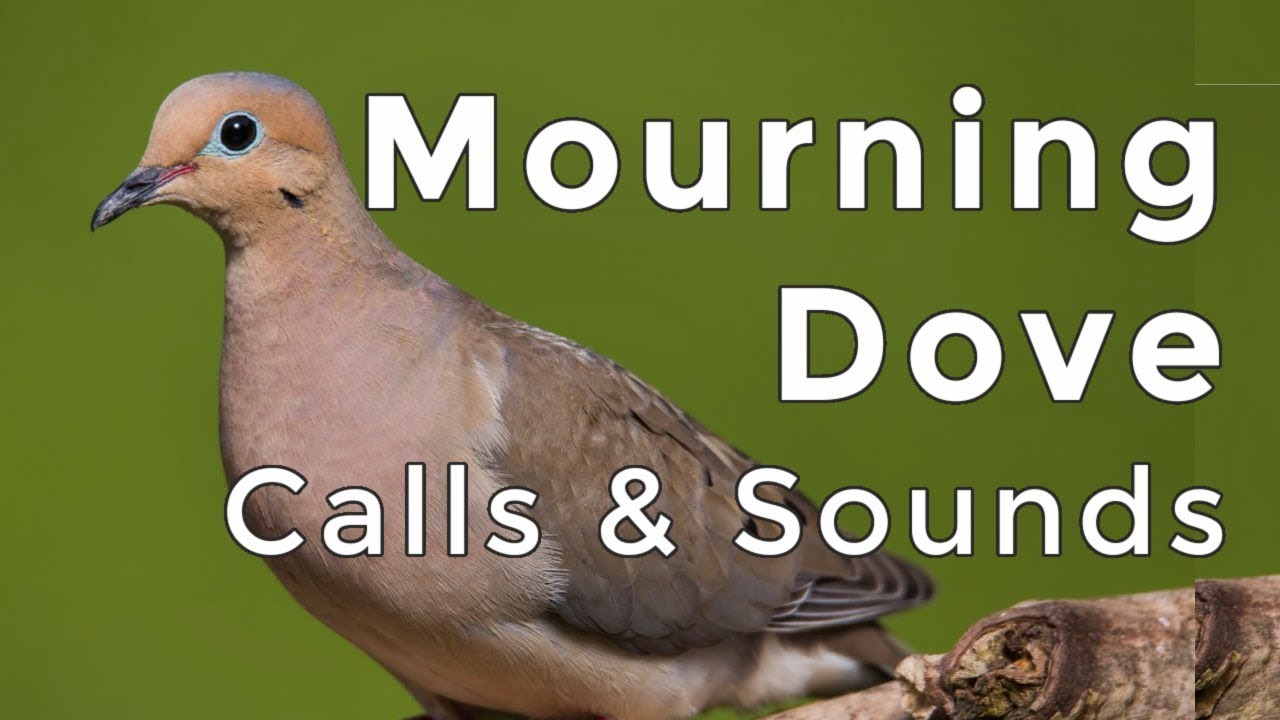
Credit: www.youtube.com
Frequently Asked Questions
What Does It Mean When You Hear A Mourning Dove?
Hearing a mourning dove often signifies peace and tranquility. Their cooing is a comforting sound, symbolizing hope and renewal.
Why Do Doves Keep Cooing?
Doves coo to communicate, attract mates, and establish territory. Their cooing helps them connect with other doves.
Why Do Mourning Doves Make So Much Noise When They Fly?
Mourning Doves make noise when they fly due to their wing structure. Their wings produce a whistling sound, especially during takeoff and landing. This noise can serve as a warning to other doves.
Are Mourning Doves Good To Have Around?
Yes, Mourning Doves are good to have around. They are peaceful, help control insect populations, and their cooing sounds are soothing.
Conclusion
Understanding why mourning doves make that sound enriches our connection to nature. These cooing calls have deep-rooted purposes. From attracting mates to warding off predators, each sound tells a story. Next time you hear a mourning dove, appreciate its unique song.
It’s a fascinating glimpse into the avian world.