
Yes, hummingbirds like bee balm. The plant’s bright flowers and nectar attract these tiny birds.
Bee balm, also known as Monarda, is a popular choice for gardeners aiming to attract hummingbirds. Its vibrant, tubular flowers are rich in nectar, making it an irresistible treat for these agile birds. Bee balm comes in various colors, including red, pink, purple, and white, providing visual appeal to your garden.
Besides hummingbirds, bee balm also attracts bees and butterflies, enhancing your garden’s biodiversity. The plant is easy to grow and thrives in well-drained soil with full sun to partial shade. By planting bee balm, you not only beautify your garden but also create a welcoming habitat for hummingbirds and other pollinators.
Introduction To Bee Balm
Bee Balm is a beautiful and vibrant plant. It is loved by gardeners and hummingbirds alike. This plant can add a splash of color to any garden. Let’s learn more about this wonderful plant.
What Is Bee Balm?
Bee Balm, also known as Monarda, is a perennial herb. It belongs to the mint family. The plant features bright and colorful blooms. These flowers can be red, pink, purple, or white. Bee Balm is native to North America. It grows well in sunny spots with well-drained soil.
Common Uses Of Bee Balm
Bee Balm is not just for decoration. This plant has many uses. Here are a few:
- Attracts Pollinators: Hummingbirds, bees, and butterflies love it.
- Medicinal Purposes: Used to treat colds, flu, and digestive issues.
- Culinary Uses: Leaves can be used in teas and salads.
Bee Balm is truly a versatile plant. It adds beauty and function to any garden.
Hummingbirds And Their Preferences
Hummingbirds are tiny birds with unique feeding habits. They love certain flowers. One favorite is bee balm. Understanding their preferences helps attract these beautiful creatures to your garden.
Hummingbird Feeding Habits
Hummingbirds have a high metabolism. They need constant energy. They feed on nectar from flowers. They also eat small insects and spiders. Their long beaks and tongues are perfect for reaching deep into flowers.
Bee balm is a nectar-rich flower. It provides the energy hummingbirds need. Planting bee balm in your garden can attract hummingbirds easily.
Flower Characteristics They Love
Hummingbirds are drawn to bright colors. Red and orange flowers are their favorites. They also like flowers that are tubular. This shape makes it easy for them to access the nectar.
Bee balm fits these characteristics well. It has vibrant colors and tubular flowers. This makes it a top choice for hummingbirds.
Here is a simple table summarizing the flower characteristics hummingbirds love:
| Characteristic | Description |
|---|---|
| Color | Bright (Red, Orange) |
| Shape | Tubular |
| Nectar | Rich in Nectar |
Planting bee balm in your garden will attract hummingbirds. They will enjoy the nectar and vibrant colors. Your garden will be full of life.
Bee Balm As A Hummingbird Magnet
Bee Balm, also known as Monarda, is a flowering plant that attracts hummingbirds. These tiny birds are drawn to the bright, vibrant flowers and their rich nectar. The plant not only adds beauty to your garden but also serves as a natural lure for these fascinating creatures.
Nectar Production
Bee Balm produces a high amount of nectar. This nectar is a primary food source for hummingbirds. The flowers are tubular, making it easy for hummingbirds to access the nectar. A single Bee Balm plant can sustain multiple hummingbirds.
Here is a table showing the nectar production of Bee Balm compared to other plants:
| Plant | Nectar Production (ml per flower) |
|---|---|
| Bee Balm | 1.5 |
| Salvia | 1.0 |
| Fuchsia | 0.8 |
Color Attraction
Hummingbirds are attracted to bright colors, especially red. Bee Balm flowers come in shades of red, pink, and purple. These vibrant colors make them highly attractive to hummingbirds. The bright colors act as a visual cue, guiding hummingbirds to the nectar.
Here are some color varieties of Bee Balm:
- Red
- Pink
- Purple
Planting multiple color varieties can attract even more hummingbirds.
By planting Bee Balm, you create a hummingbird-friendly garden. This not only beautifies your space but also supports the ecosystem.
Types Of Bee Balm
Bee Balm is a favorite plant for many gardeners. It attracts hummingbirds with its bright colors and sweet nectar. There are several types of Bee Balm to consider. Each type has its unique appeal and benefits. Here, we explore the popular varieties and the best choices for hummingbirds.
Popular Varieties
Bee Balm comes in many varieties. Here are some of the most popular:
- Monarda didyma: Known as Scarlet Bee Balm, it has bright red flowers.
- Monarda fistulosa: Commonly called Wild Bergamot, it features lavender blooms.
- Monarda punctata: Also called Spotted Bee Balm, it has pink and purple flowers.
- Monarda citriodora: Known as Lemon Bee Balm, it has a citrus scent and purple flowers.
These varieties are easy to grow. They thrive in sunny spots with well-drained soil. Each type offers vibrant colors and sweet nectar.
Best Choices For Hummingbirds
Hummingbirds love Bee Balm. Some types attract them more than others. Here are the best choices:
- Monarda didyma: The bright red flowers are irresistible to hummingbirds.
- Monarda fistulosa: The lavender blooms provide plenty of nectar.
- Monarda citriodora: The citrus scent and purple flowers draw hummingbirds.
- Monarda media: Known as Purple Bee Balm, it has rich purple flowers.
Choose these varieties to create a hummingbird-friendly garden. Plant them in groups for the best effect. Hummingbirds will visit often for the nectar.
| Bee Balm Variety | Flower Color | Attracts Hummingbirds |
|---|---|---|
| Monarda didyma | Red | Yes |
| Monarda fistulosa | Lavender | Yes |
| Monarda punctata | Pink/Purple | Moderate |
| Monarda citriodora | Purple | Yes |
| Monarda media | Purple | Yes |
These choices ensure your garden is a hummingbird haven. Enjoy watching these tiny birds visit your vibrant Bee Balm plants.
Planting Bee Balm For Hummingbirds
Bee Balm, also known as Monarda, is a favorite of hummingbirds. These vibrant flowers attract these tiny birds with their bright colors and nectar. Planting Bee Balm in your garden can create a delightful haven for hummingbirds.
Ideal Growing Conditions
To grow Bee Balm successfully, you need the right conditions. Bee Balm thrives in full sun. It requires at least 6 hours of sunlight daily. This ensures the plant blooms abundantly.
Soil quality is crucial for healthy Bee Balm. Plant it in well-draining soil. The soil should be rich in organic matter. This helps the plant get essential nutrients.
Bee Balm prefers slightly acidic to neutral soil. A pH range of 6.0 to 7.0 is ideal. Regular watering keeps the soil moist but not soggy.
Tips For Successful Planting
- Choose a Sunny Spot: Select a location that gets full sun.
- Prepare the Soil: Enrich the soil with compost before planting.
- Spacing: Space plants 18 to 24 inches apart. This allows air circulation.
- Watering: Water deeply once a week. More frequent watering may be needed in hot weather.
- Mulching: Apply mulch around the base. This helps retain moisture and suppress weeds.
- Pruning: Deadhead spent flowers to encourage more blooms.
Follow these tips to create a welcoming environment for hummingbirds. Bee Balm will not only beautify your garden but also attract these charming birds.

Credit: bonnieplants.com
Additional Benefits Of Bee Balm
Bee Balm, also known as Monarda, is not just a hummingbird magnet. This vibrant plant offers a range of additional benefits that make it a valuable addition to any garden.
Attracting Other Wildlife
Bee Balm attracts a variety of wildlife beyond hummingbirds. Its bright, tubular flowers are irresistible to butterflies and bees. These pollinators play a crucial role in garden health. Planting Bee Balm can transform your garden into a lively ecosystem.
Here are some other wildlife that Bee Balm attracts:
- Butterflies
- Bees
- Moths
Having a diverse range of pollinators enhances plant diversity and health. This makes Bee Balm a must-have for nature lovers.
Medicinal Uses
Bee Balm has been used for its medicinal properties for centuries. Native Americans utilized it for various ailments. Modern herbalists continue to value its healing benefits.
Some notable medicinal uses include:
- Digestive Aid: Bee Balm tea can soothe digestive issues.
- Antiseptic Properties: It can clean wounds and prevent infections.
- Respiratory Relief: Inhaled, it eases cold symptoms.
To make Bee Balm tea, steep fresh or dried leaves in hot water. This simple remedy provides natural relief.
Challenges And Solutions
Attracting hummingbirds with bee balm can be tricky. Some common problems arise which need effective solutions. Let’s explore these challenges and how to overcome them.
Common Problems
- Pests: Aphids and spider mites can attack bee balm.
- Diseases: Powdery mildew affects bee balm health.
- Weather Conditions: Extreme heat and cold can harm bee balm.
- Soil Quality: Poor soil affects plant growth.
Effective Remedies
| Problem | Solution |
|---|---|
| Pests | Use insecticidal soap to control aphids and mites. |
| Diseases | Apply fungicides to prevent powdery mildew. |
| Weather Conditions | Provide shade during hot days, mulch during cold days. |
| Soil Quality | Enrich soil with compost and organic matter. |
With the right care, bee balm thrives and attracts hummingbirds. Addressing these challenges ensures your garden blooms vibrantly.
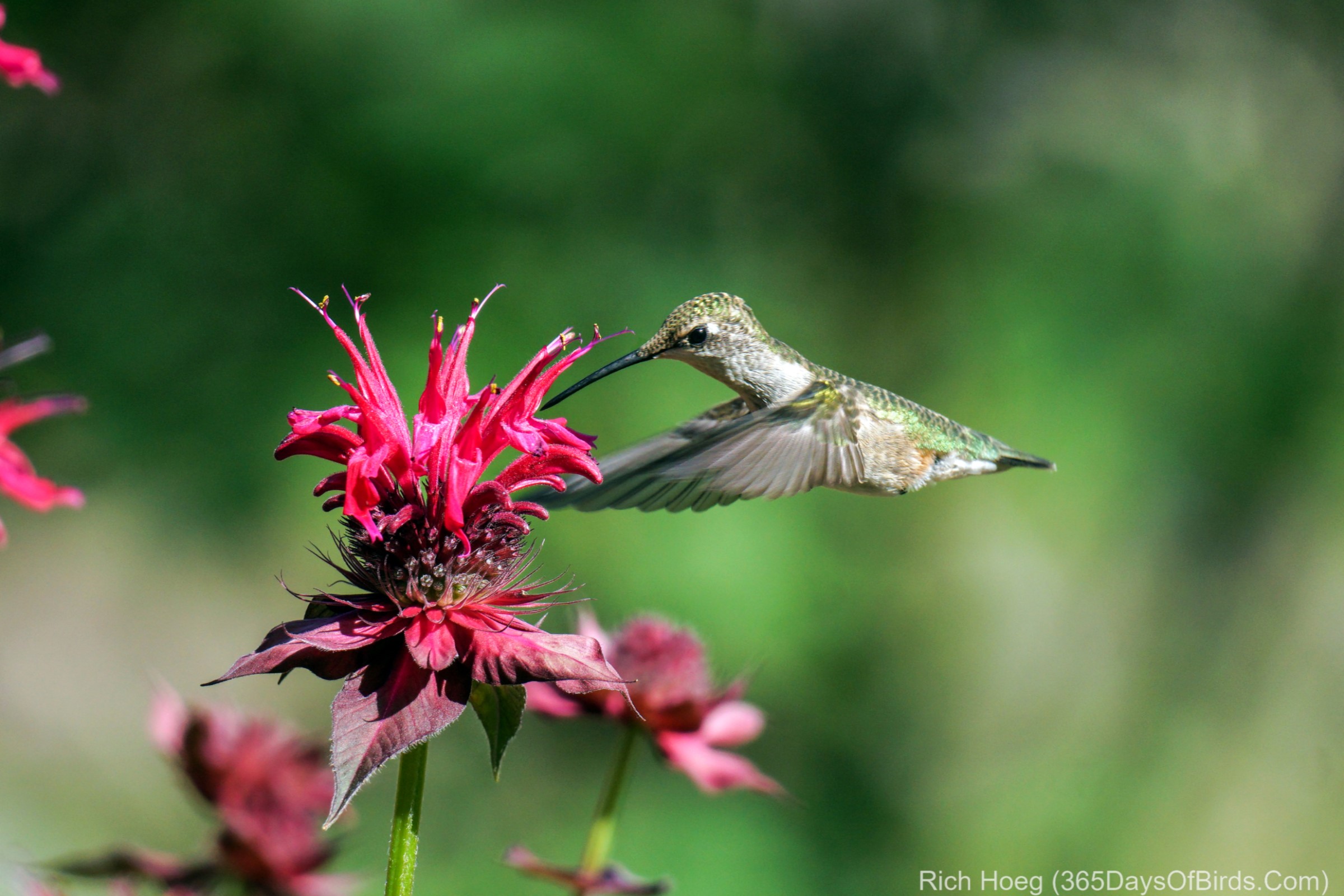
Credit: www.365daysofbirds.com
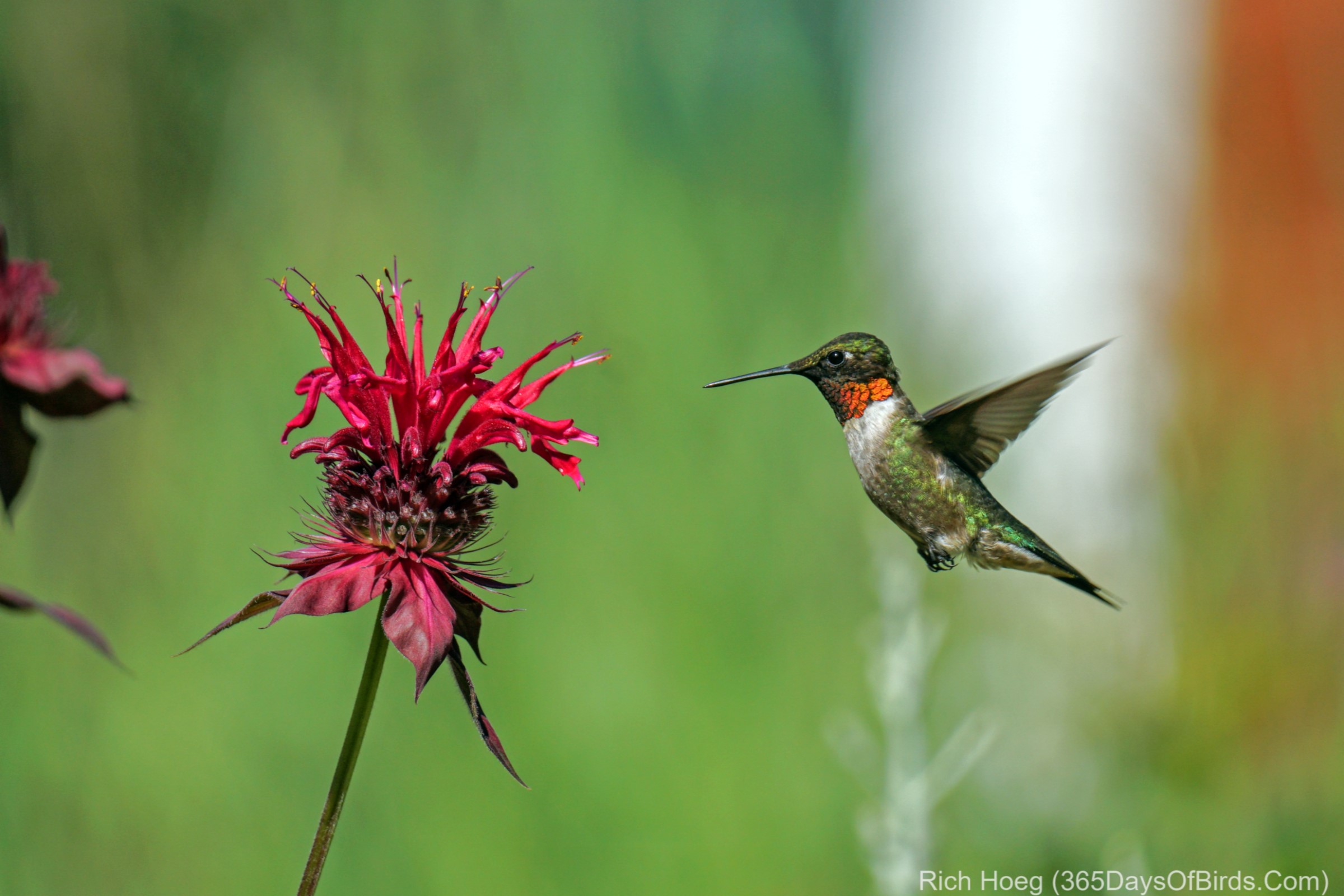
Credit: www.365daysofbirds.com
Frequently Asked Questions
What Is A Hummingbird’s Favorite Flower?
Hummingbirds love tubular flowers like red salvia, trumpet vine, and bee balm. These flowers provide easy access to nectar.
Do Bee Balms Attract Hummingbirds?
Yes, bee balms attract hummingbirds. Their bright colors and tubular flowers provide nectar that hummingbirds love. Plant bee balms to attract these vibrant birds to your garden.
What Not To Plant With Bee Balm?
Avoid planting bee balm with fennel, as they compete for nutrients. Keep it away from carrots and cucumbers.
Where Is The Best Place To Plant Bee Balm?
Plant bee balm in a sunny location with well-drained soil. Ensure it receives at least 6 hours of sunlight daily.
Conclusion
Hummingbirds are naturally attracted to bee balm due to its vibrant colors and sweet nectar. Planting bee balm in your garden can create a hummingbird haven. By providing this beautiful flower, you support these tiny, captivating birds. Enjoy the lively spectacle of hummingbirds visiting your garden regularly.