
Yes, Blue Jays do store food. They hide nuts and seeds in various locations for future consumption.
Blue Jays are fascinating birds known for their vibrant plumage and intelligent behavior. One of their most intriguing habits is food caching. They collect and hide food in numerous spots, ensuring a steady supply during scarce times. This behavior demonstrates their foresight and adaptability.
Blue Jays use their keen memory to relocate these hidden treasures. They often store acorns, seeds, and other nuts, which also aid in forest regeneration. Observing Blue Jays can provide insights into their complex survival strategies and ecological contributions. Their food storage habits highlight their role in maintaining the balance of their natural habitats. Understanding these behaviors offers a glimpse into the intricate lives of these remarkable birds.
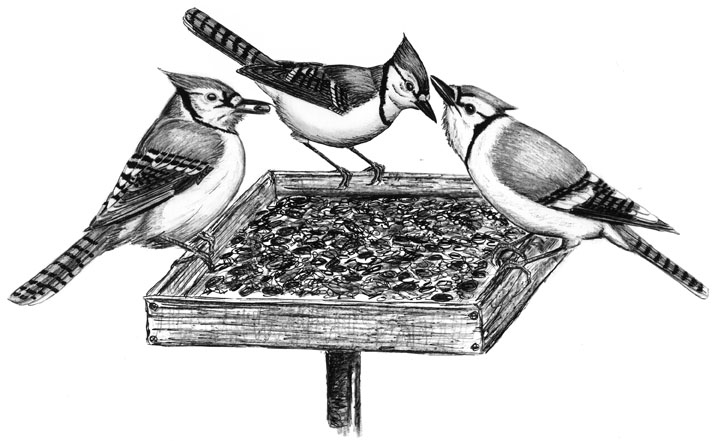
Credit: www.birdwatchersgeneralstore.com
Introduction To Blue Jays
Blue Jays are fascinating birds known for their vibrant blue feathers and unique behaviors. They are a common sight in many backyards and forests.
Brief Overview
Blue Jays are medium-sized birds with striking blue plumage. They belong to the Corvidae family, which also includes crows and ravens. These birds are known for their intelligence and complex social structures.
Blue Jays often mimic the calls of other birds. They have a varied diet that includes insects, nuts, and seeds. They are also known to store food for later use.
Habitat And Distribution
Blue Jays are primarily found in North America. Their range extends from the southern parts of Canada to the eastern and central United States.
| Region | Habitat |
|---|---|
| Canada | Forests and Woodlands |
| United States | Backyards, Parks, and Urban Areas |
These birds prefer areas with abundant trees. They are often seen in forests, woodlands, and suburban areas. Blue Jays are adaptable and can thrive in various environments.
Understanding the habitat and distribution of Blue Jays helps in observing their unique behaviors. These birds are not just beautiful but also play a crucial role in the ecosystem.

Credit: www.seacoastonline.com
Food Storage Behaviors
Blue Jays are fascinating birds with unique food storage behaviors. They have an amazing ability to hide food for future use. This helps them survive during harsh seasons.
Caching Techniques
Blue Jays use several caching techniques to store food. They often hide food in the ground or in tree crevices. These birds have a remarkable memory to find their hidden food later.
They use their beaks to dig small holes in the ground. Then they place the food inside and cover it with leaves or dirt. Sometimes, they hide food in the bark of trees. They also use their feet to press food into cracks and crevices.
| Technique | Description |
|---|---|
| Ground Caching | Hiding food in the soil and covering it. |
| Tree Caching | Storing food in tree crevices and bark. |
Types Of Food Stored
Blue Jays store a variety of foods to prepare for winter. They gather nuts, seeds, and fruits. Acorns are their favorite because they are rich in nutrients.
- Nuts: Acorns, beechnuts, and hazelnuts.
- Seeds: Sunflower seeds, corn kernels.
- Fruits: Berries, small apples.
These birds also store insects and small vertebrates. They even collect human food scraps. Blue Jays are highly adaptable and resourceful in finding and storing food.
Memory And Retrieval
Blue Jays are known for their food storing habits. They hide food for later use. Their memory plays a crucial role in this process. They must remember where they hid the food. This is vital for their survival.
Cognitive Abilities
Blue Jays possess remarkable cognitive abilities. These birds can recall many hiding spots. They use visual cues to remember locations. Studies show their brains are well-developed. This helps them store and retrieve food efficiently.
They can remember hundreds of hiding spots. Their brains are wired for this task. This ability is called spatial memory. It helps them survive in the wild.
Success Rates
Blue Jays have high success rates in finding stored food. They retrieve most of their hidden food. This ensures they have enough to eat during scarce times. Their success rate depends on several factors.
- Weather conditions
- Interference by other animals
- Quality of hiding spots
Blue Jays are smart and adaptive. They improve their hiding techniques over time. This helps increase their retrieval success.
| Factor | Impact on Retrieval |
|---|---|
| Weather Conditions | Can obscure or reveal hiding spots |
| Other Animals | May steal or discover hidden food |
| Hiding Spot Quality | Better spots lead to higher retrieval rates |
Seasonal Variations
Blue Jays are fascinating birds. They show different behaviors based on the season. These seasonal changes help them survive and thrive all year round.
Winter Strategies
During winter, Blue Jays use smart strategies to store food. They collect acorns, nuts, and seeds. These are hidden in various locations, such as under leaves and in tree crevices. This behavior is called “caching.”
Blue Jays have excellent memory skills. They remember where they hid their food. This helps them find their stash during cold months. The stored food provides essential nutrients to survive harsh winters.
| Food Type | Storage Method |
|---|---|
| Acorns | Buried in the ground |
| Nuts | Hidden in tree bark |
| Seeds | Stored under leaves |
Summer Adaptations
In summer, Blue Jays adapt their food storage habits. They focus less on caching. Instead, they eat more fresh food like insects, fruits, and berries.
Blue Jays also take advantage of abundant summer resources. They may still cache some food but not as much as in winter. This allows them to prepare for future shortages.
With longer days, Blue Jays have more time to forage. They can find a variety of foods to meet their nutritional needs.
- Insects: Provide protein for growth.
- Fruits: Offer vitamins and hydration.
- Berries: High in antioxidants.
These summer adaptations help Blue Jays stay healthy and strong. They ensure Blue Jays are well-prepared for the next seasonal shift.
Comparison With Other Birds
Blue Jays are fascinating birds known for their vibrant blue feathers. They also have a unique behavior of storing food. This section compares Blue Jays with other birds that store food.
Similar Species
Several bird species store food for later use. Here are some examples:
- American Crows: Like Blue Jays, American Crows also cache food.
- Chickadees: Chickadees store seeds in hidden spots.
- Clark’s Nutcracker: This bird hides pine seeds for winter.
These birds share similarities with Blue Jays in their food storing habits. They all prepare for times when food is scarce.
Unique Characteristics
Blue Jays have some unique traits that set them apart:
- Memory Skills: Blue Jays remember where they hide their food.
- Variety of Food: They store nuts, seeds, and even insects.
- Defensive Behavior: Blue Jays aggressively protect their caches.
These unique characteristics make Blue Jays efficient food storers. Their memory skills are especially impressive.
| Bird Species | Common Stored Food | Unique Trait |
|---|---|---|
| Blue Jay | Nuts, Seeds, Insects | Strong Memory |
| American Crow | Seeds, Small Animals | Problem Solving |
| Chickadee | Seeds | High Storage Capacity |
| Clark’s Nutcracker | Pine Seeds | Long-Distance Migration |
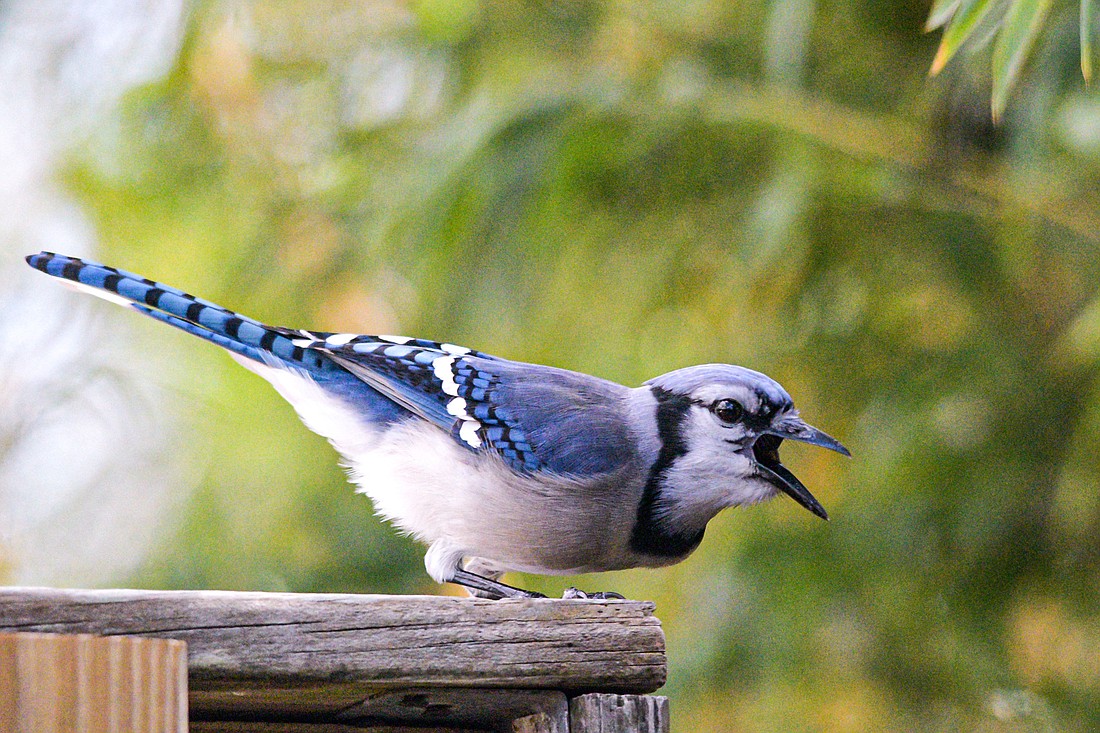
Credit: www.yourobserver.com
Impact On Ecosystem
Blue Jays play a vital role in their ecosystem. These birds influence various ecological processes. Understanding their behavior helps us appreciate their importance.
Seed Dispersal
Blue Jays are known for storing food, especially seeds and nuts. They hide these items in the ground. This behavior helps in seed dispersal. Many seeds that Blue Jays hide are not retrieved. These seeds then sprout into new plants.
This process helps in forest regeneration. It also supports plant diversity. Blue Jays contribute to spreading oak trees and other plants. This activity aids in the growth of new forests.
Predator-prey Dynamics
Blue Jays also affect the predator-prey dynamics in their ecosystem. They are both prey and predators. As prey, they are hunted by larger birds and mammals. This relationship controls their population.
Blue Jays are predators to insects and small animals. They eat caterpillars, beetles, and other insects. This helps in controlling insect populations. By doing so, they prevent overpopulation of these species.
| Role | Impact |
|---|---|
| Seed Dispersal | Promotes forest regeneration and plant diversity |
| Prey | Controls Blue Jay population |
| Predator | Controls insect populations |
Understanding Blue Jays’ role can help in conservation efforts. Their behaviors are crucial for a balanced ecosystem.
Human Interactions
Blue Jays often interact with humans, especially in urban settings. These interactions can affect their food storage habits. Understanding these behaviors can help us coexist better with these vibrant birds.
Urban Environments
In urban environments, Blue Jays adapt to human presence. They often find food in parks, gardens, and backyards. These birds are intelligent and learn quickly where food sources are abundant.
Urban areas offer various food sources. These include berries, nuts, and small insects. Blue Jays may also scavenge for leftovers in trash cans. This behavior shows their adaptability and resourcefulness.
Blue Jays often store food in urban settings. They hide seeds and nuts in soil, flower pots, and even in roof gutters. This caching behavior helps them survive during colder months when food is scarce.
Bird Feeders
Bird feeders attract Blue Jays, providing an easy food source. These feeders often contain seeds, suet, and peanuts, which Blue Jays love. Watching these birds at feeders can be a delightful experience.
Blue Jays may take more food than they immediately eat. They store extra food in nearby hiding spots. This caching ensures they have a steady food supply later.
Some people may find Blue Jays’ behavior at feeders problematic. They can dominate feeders, scaring away smaller birds. Providing multiple feeders can help mitigate this issue. This allows various bird species to feed without competition.
Here are some tips for attracting Blue Jays to your feeders:
- Use feeders with large perches.
- Offer a variety of seeds, especially sunflower seeds.
- Place feeders in open areas for easy access.
- Keep feeders clean to prevent disease.
Understanding Blue Jays‘ interactions with humans can enhance our appreciation for these clever birds. By creating bird-friendly spaces, we can enjoy their beauty and behaviors up close.
Conservation Efforts
Conservation efforts for Blue Jays are essential. These birds play a vital role in our ecosystem. They help in seed dispersal and forest regeneration. Preserving their habitat is crucial for their survival.
Threats And Challenges
Blue Jays face several threats and challenges. One major threat is habitat loss. Urbanization and deforestation reduce their living space. Another challenge is climate change. It affects their food availability and breeding patterns.
Predators also pose a risk to Blue Jays. Cats, hawks, and snakes often prey on them. Human activities like pesticide use can harm their population. These factors combined create a tough environment for Blue Jays.
Protective Measures
Various measures help protect Blue Jays. Creating bird-friendly habitats is one way. Plant native trees and shrubs in your garden. This provides food and shelter for Blue Jays.
Reduce pesticide use to protect their food sources. Install bird feeders and baths to support them. Community efforts also play a big role. Participate in local conservation programs. Educate others about the importance of Blue Jays.
Policy changes can also make a difference. Support laws that protect natural habitats. Advocate for conservation funding and research. These actions can help Blue Jays thrive.
| Threats | Protective Measures |
|---|---|
| Habitat Loss | Plant native trees and shrubs |
| Climate Change | Support conservation programs |
| Predators | Install bird feeders and baths |
| Human Activities | Reduce pesticide use |
Frequently Asked Questions
Do Blue Jays Remember Where They Hide Food?
Yes, blue jays have excellent memory and can remember where they hide food.
Where Do Blue Jays Store Food For The Winter?
Blue jays store food for the winter by hiding it in trees, shrubs, and ground crevices. They use their beaks to bury nuts and seeds. This behavior helps them survive during colder months.
Do Blue Jays Store Food In Their Throat?
Blue jays do not store food in their throat. They typically hide food in various locations to eat later.
How Do Blue Jays Know When I Put Peanuts Out?
Blue jays have keen eyesight and memory, recognizing patterns. They observe you placing peanuts out and remember for future visits.
Conclusion
Blue Jays exhibit fascinating behavior by storing food for future use. This helps them survive harsh conditions. Their intelligent caching strategies are a testament to their adaptability. Observing these birds can teach us much about nature’s resilience. Understanding Blue Jays’ habits enriches our appreciation for wildlife.