
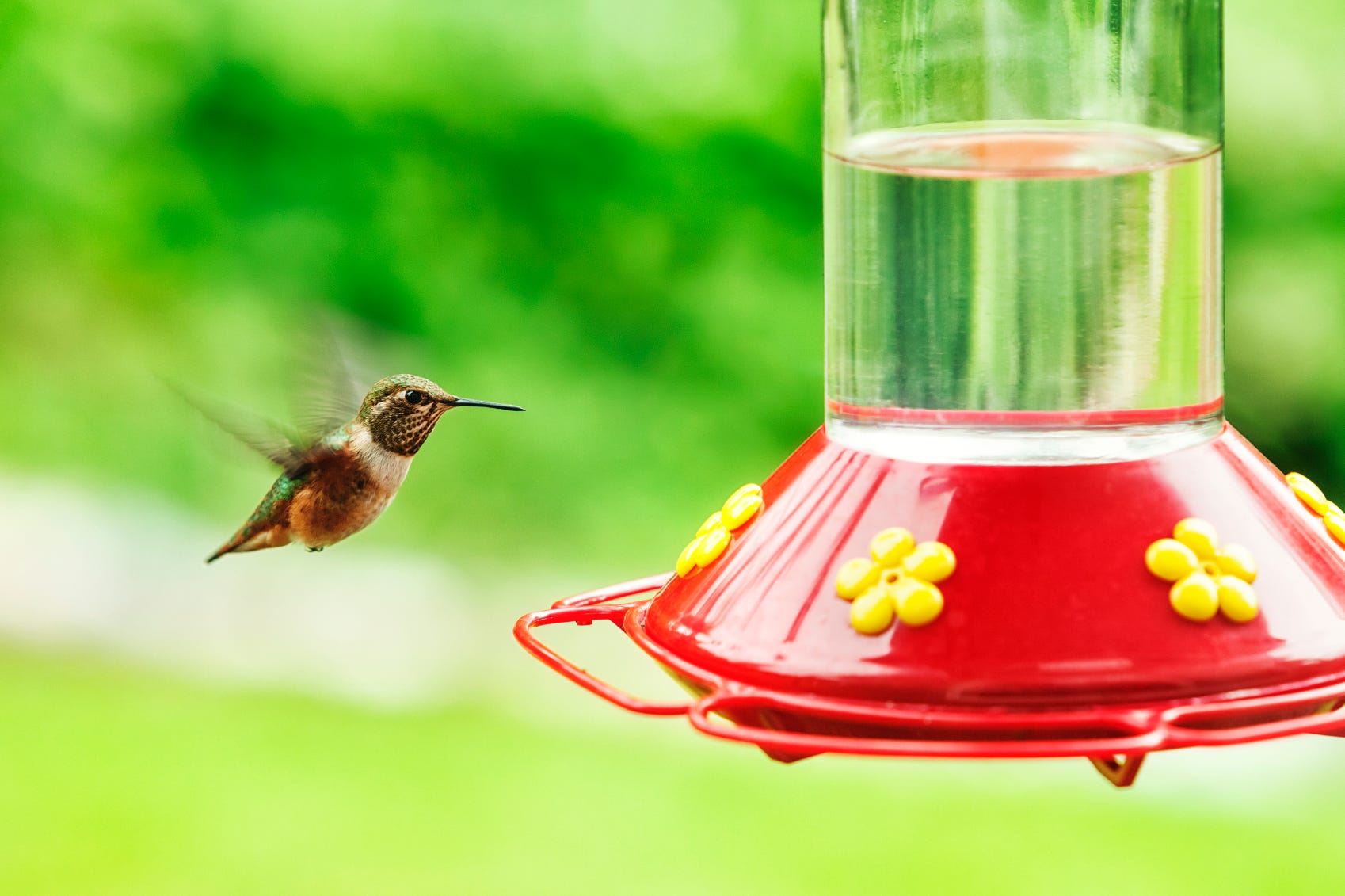
Hummingbirds find feeders by using their excellent vision and memory. They are attracted to bright colors, especially red.
Hummingbirds are fascinating creatures known for their agility and vibrant colors. Their keen eyesight enables them to spot brightly colored feeders from a distance. These tiny birds have an incredible memory, allowing them to remember the locations of reliable food sources.
They often revisit the same feeders, making it essential to maintain a consistent feeding schedule. Placing feeders in visible, open areas can increase the chances of attracting hummingbirds. Clean feeders regularly and fill them with fresh nectar to keep these delightful visitors coming back. Understanding their behavior can help you create a hummingbird-friendly environment in your garden.

Credit: www.quora.com
Hummingbirds’ Natural Instincts
Hummingbirds are fascinating creatures with incredible abilities. Their natural instincts help them find food sources. They rely on a mix of instinct and learned behavior to locate feeders. Understanding their instincts can help attract them to your garden.
Migratory Patterns
Hummingbirds follow specific migratory patterns each year. They travel great distances to find food and suitable habitats. These patterns are passed down through generations. Hummingbirds remember the locations where they found food before. This memory helps them return to the same spots each year.
| Season | Behavior |
|---|---|
| Spring | Travel north to breeding grounds |
| Summer | Build nests and raise young |
| Fall | Travel south to warmer areas |
| Winter | Stay in warm climates |
Visual Cues
Hummingbirds have keen eyesight. They use visual cues to find feeders. Bright colors attract their attention. Red is especially effective. Flowers and feeders with red parts stand out to them. Hummingbirds also notice the shape and location of feeders.
- Red flowers
- Red feeders
- Bright colors
Placing feeders in visible spots helps hummingbirds find them. They prefer open areas where they can easily spot the feeder. Keeping the feeder clean and filled with fresh nectar also attracts them. Hummingbirds can see ultraviolet light, which helps them find flowers and feeders that reflect UV rays.
By understanding their natural instincts, you can create an inviting space for hummingbirds. They will reward you with their presence and beauty.
Role Of Color
The role of color in attracting hummingbirds to feeders is crucial. Hummingbirds have a keen sense of color, and certain shades can lure them more effectively. Understanding these color preferences can help you attract more hummingbirds to your garden.
Attraction To Red
Hummingbirds are strongly attracted to red. This color stands out in their vision, signaling a potential food source. Many feeders are designed with red parts to capitalize on this attraction.
- Red flowers naturally attract hummingbirds.
- Red feeders are more noticeable to them.
- Using red accents can increase feeder visits.
Other Effective Colors
While red is highly effective, other colors also attract hummingbirds. These colors can enhance your feeder’s appeal.
- Orange: Similar to red, it is bright and attractive.
- Pink: A softer hue that still catches their eye.
- Yellow: Often associated with food sources.
| Color | Effectiveness |
|---|---|
| Red | Highly effective |
| Orange | Very effective |
| Pink | Moderately effective |
| Yellow | Moderately effective |
To maximize success, use a combination of these colors in your garden. This can create a visually appealing space for hummingbirds and humans alike.
Feeder Placement
Feeder Placement is key to attracting hummingbirds. Finding the right spot ensures your feeder gets noticed by these tiny wonders. Proper placement can make all the difference between an empty feeder and a busy one.
Ideal Locations
Choose spots visible to hummingbirds. Place feeders near flowers or shrubs. This mimics their natural feeding environment. Avoid placing feeders in direct sunlight. This keeps nectar from spoiling quickly.
- Hang feeders near windows for easy viewing.
- Place feeders in shaded areas.
- Ensure feeders are near natural food sources.
Height Considerations
Height matters for feeder placement. Hang feeders about 5 feet off the ground. This height keeps them safe from predators.
| Height | Reason |
|---|---|
| 5 feet | Safe from cats and other predators |
| Eye level | Easy for you to refill and clean |
Avoid placing feeders too high or too low. Keep them within reach for easy maintenance.
Nectar Preferences
Hummingbirds are attracted to feeders with the right nectar. They have specific preferences that guide their choices.
Sugar Ratios
The ideal sugar ratio for hummingbird nectar is 1 part sugar to 4 parts water. This mixture mimics the natural nectar found in flowers.
To make this nectar, follow these simple steps:
- Boil 4 cups of water.
- Add 1 cup of white granulated sugar.
- Stir until the sugar is completely dissolved.
- Let the mixture cool before filling your feeder.
Boiling the water helps to remove impurities. Avoid using honey or artificial sweeteners. These can harm hummingbirds.
Avoiding Additives
Hummingbirds prefer nectar without additives. Avoid adding food coloring or preservatives. These substances can be harmful to them.
To ensure the safety of your hummingbirds, use only white granulated sugar. Do not use brown sugar, powdered sugar, or any other types. These can contain additives that are not safe for birds.
Here is a quick reference table for what to use and avoid:
| Safe Ingredients | Unsafe Ingredients |
|---|---|
| White Granulated Sugar | Honey |
| Boiled Water | Brown Sugar |
| Powdered Sugar | |
| Artificial Sweeteners | |
| Food Coloring |
Keeping the nectar pure ensures that your hummingbirds stay healthy. Follow these guidelines to make your feeder a favorite spot for them.
Creating A Hummingbird Habitat
Hummingbirds are fascinating, tiny creatures. They bring joy to any garden. To attract them, create a welcoming habitat. This involves careful selection of plants and water sources.
Native Plants
Planting native plants is crucial. These plants provide the nectar hummingbirds need.
- Trumpet Creeper: This plant has bright, tubular flowers.
- Bee Balm: Another excellent choice with vibrant blooms.
- Columbine: Its unique shape attracts hummingbirds.
Native plants are low-maintenance. They thrive in your local climate. This means less work for you.
Water Sources
Hummingbirds need water for drinking and bathing.
Consider adding a water feature to your garden. A small fountain or mister works well.
| Water Source | Benefits |
|---|---|
| Mister | Creates a fine mist. Hummingbirds love to fly through it. |
| Fountain | Provides fresh water. Attracts hummingbirds and other birds. |
Keep water sources clean. This ensures the health of the hummingbirds.
By creating a habitat with native plants and water sources, you’ll attract hummingbirds. Enjoy watching these amazing creatures up close.
Credit: www.perkypet.com
Seasonal Timing
Understanding the seasonal timing helps you attract hummingbirds. They migrate and feed based on seasons. Knowing these patterns is crucial for placing your feeder.
Migration Periods
Hummingbirds migrate twice a year. They travel from their winter homes to breeding grounds in spring. Then, they return in late summer or early fall.
Keep track of these migration periods. This helps you set up your feeder at the right time. Use the table below to understand the general migration periods:
| Region | Spring Migration | Fall Migration |
|---|---|---|
| Southern US | March to April | August to September |
| Northern US | April to May | September to October |
| Canada | May to June | August to September |
Feeding Schedule
Establish a regular feeding schedule. This consistency helps hummingbirds find your feeder. Fill the feeder with fresh nectar every few days.
Offer food during migration periods. This ensures they have energy for their long journey. An organized feeding schedule includes:
- Spring: March to June
- Summer: July to August
- Fall: September to October
Place the feeder in a visible spot. Hummingbirds are attracted to bright colors. Ensure the feeder is clean to keep the birds healthy.
Feeder Maintenance
Maintaining a hummingbird feeder is crucial. Cleanliness ensures the birds’ health and encourages return visits. Proper maintenance keeps the nectar fresh and prevents diseases.
Cleaning Frequency
Clean your feeder regularly to keep it safe for hummingbirds. A dirty feeder can harm the birds and may drive them away.
Cleaning Schedule:
- Summer: Clean every 2-3 days.
- Spring and Fall: Clean every 4-5 days.
- Winter: Clean once a week.
Always use hot water and a brush. Avoid soap as it can leave harmful residues.
Preventing Mold
Mold can be deadly for hummingbirds. It’s important to prevent it in your feeder. Here are some tips:
- Choose a feeder with wide openings. This makes cleaning easier.
- Replace nectar before it gets cloudy. Fresh nectar prevents mold.
- Keep feeders in shaded areas. Sunlight promotes mold growth.
- Use vinegar to clean. It helps kill mold spores.
Always rinse thoroughly after using vinegar. Ensure no residue is left behind.
Feeder Maintenance Checklist:
- Check nectar levels daily.
- Inspect for mold every cleaning.
- Use a brush for thorough cleaning.
- Store feeders in cool, dry places.
Keeping your feeder clean and mold-free ensures happy, healthy hummingbirds. Your effort will attract more birds and keep them safe.
Behavioral Observations
Understanding how hummingbirds find feeders involves observing their behavior. These tiny birds exhibit fascinating patterns and habits. Let’s dive into their feeding patterns and territorial behavior.
Feeding Patterns
Hummingbirds have specific feeding patterns. They often visit feeders early in the morning and late in the afternoon. This helps them conserve energy for other activities.
Their feeding routine is also influenced by the availability of nectar. Hummingbirds remember the location of feeders and return to them frequently. They prefer feeders with bright colors, especially red, which mimics the flowers they naturally feed on.
| Time of Day | Feeding Frequency |
|---|---|
| Morning | High |
| Afternoon | Moderate |
| Evening | High |
Territorial Behavior
Hummingbirds are known for their territorial behavior. A single bird often guards a feeder and chases away others. This is to ensure they have enough food for themselves.
They use aerial displays and vocalizations to defend their territory. If you observe a hummingbird sitting on a perch near the feeder, it is likely guarding it.
Providing multiple feeders can reduce territorial conflicts. Place them far apart to allow more birds to feed peacefully.
- Guarding the feeder
- Chasing away intruders
- Using vocalizations
These behaviors help hummingbirds establish and maintain access to food sources. Understanding these patterns can make your feeder more attractive to them.

Credit: sparklark.com
Frequently Asked Questions
How Long Will It Take For Hummingbirds To Find My Feeder?
Hummingbirds might find your feeder in a few days or weeks. Ensure it’s clean, filled, and visible. Place the feeder near flowers to attract them faster.
How Do Hummingbirds Know To Go To The Feeder?
Hummingbirds find feeders by sight and memory. Bright colors attract them, and they remember reliable food sources.
How Do Hummingbirds Know Where Food Is?
Hummingbirds find food by using their sharp vision and excellent memory. They remember locations of flowers and feeders. They can also detect the ultraviolet patterns on flowers, which guide them to nectar.
Why Am I Not Getting Hummingbirds At My Feeder?
Hummingbirds might not visit due to the feeder’s location, type of nectar, or lack of bright colors. Ensure fresh nectar.
Conclusion
Hummingbirds are fascinating creatures with incredible navigation skills. They find feeders through memory, sight, and scent. Providing bright, colorful feeders and fresh nectar can attract them. By understanding their behavior, you can create a welcoming environment. Enjoy the joy these tiny birds bring to your garden.
Happy bird watching!