
Thrush birds eat insects, earthworms, and fruits. They also consume berries and small invertebrates.
Thrush birds are fascinating creatures found in various habitats worldwide. They are medium-sized birds with a keen sense of foraging. Thrushes play a significant role in ecosystems by controlling insect populations and dispersing seeds. These birds have a diverse diet, which helps them thrive in different environments.
Thrushes are often spotted in gardens, forests, and grasslands, searching for their next meal. Their melodic songs are a common sound in many regions, especially during the breeding season. Understanding their diet can help bird enthusiasts attract them to their backyards, providing a closer glimpse of these beautiful birds.
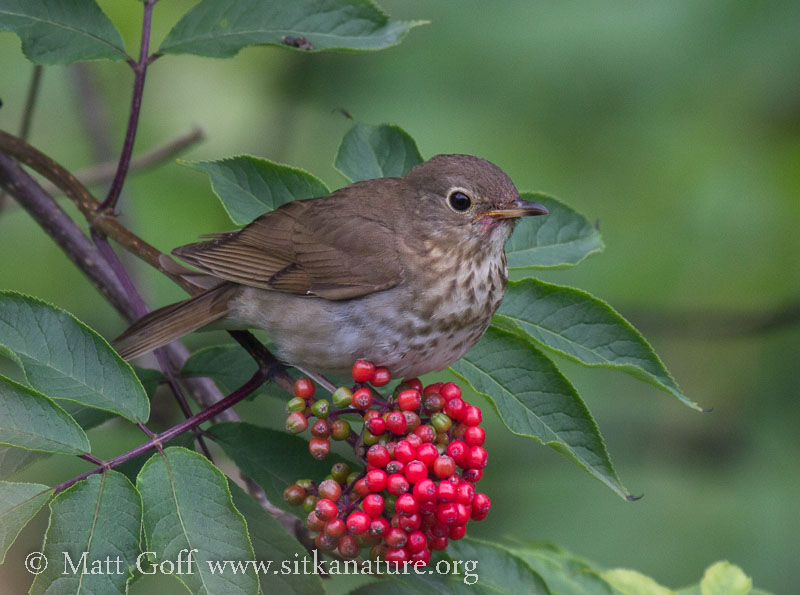
Credit: www.sitkanature.org
Introduction To Thrush Birds
Thrush birds feast on a diverse diet, including insects, berries, and earthworms. These birds often forage on the ground, uncovering hidden treasures. Their adaptable eating habits help them thrive in various environments.
Thrush birds are small to medium-sized songbirds. They belong to the family Turdidae. Known for their melodious songs, these birds are a delight. Thrush birds are widespread across various regions. They play a vital role in ecosystems.Overview
Thrush birds have a distinct appearance. They usually have spotted underparts and plain backs. Their plumage can be brown, black, or even blue. These birds are known for their sweet songs. They sing to attract mates and mark territories.| Characteristic | Description |
|---|---|
| Size | Small to medium |
| Family | Turdidae |
| Plumage | Spotted underparts, plain backs |
| Song | Melodious |
Habitats
Thrush birds inhabit various environments. They can be found in forests, gardens, and parks. They adapt well to both rural and urban areas. Thrush birds prefer areas with dense foliage. This provides them with ample cover and food.- Forests
- Gardens
- Parks
- Urban Areas
Diet Of Thrush Birds
Thrush birds have a diverse diet that changes with the seasons. They consume a variety of foods to meet their nutritional needs. Understanding their diet helps in attracting them to your garden.
Seasonal Variations
Thrush birds eat different foods depending on the season. During spring and summer, they focus on high-protein items.
- Insects: Beetles, ants, and caterpillars.
- Earthworms: A favorite during rainy seasons.
- Spiders: Found in abundance in their habitats.
In autumn and winter, their diet shifts to more plant-based foods.
- Berries: Such as holly, rowan, and elderberries.
- Fruits: Apples, pears, and grapes.
- Seeds: Sunflower and millet seeds.
Feeding Patterns
Thrush birds have specific feeding patterns that ensure their survival.
They are most active during early morning and late afternoon. This helps them avoid predators while foraging.
| Time of Day | Activity |
|---|---|
| Early Morning | Foraging for insects and worms |
| Midday | Resting and digesting food |
| Late Afternoon | Searching for berries and fruits |
| Evening | Finding a safe place to sleep |
Thrush birds also follow a seasonal migration pattern. During migration, their diet consists mostly of high-energy foods. This includes fatty insects and nutrient-rich berries to sustain their long journeys.
Insects And Invertebrates
Thrush birds love to eat insects and invertebrates. These tiny creatures are a big part of their diet. They are easy for thrush birds to find in gardens, parks, and forests.
Common Prey
Thrush birds eat many types of insects and invertebrates. Here are some common prey:
- Beetles
- Ants
- Earthworms
- Spiders
- Snails
- Caterpillars
These insects and invertebrates are found everywhere. Thrush birds use their sharp beaks to catch them. They also dig into the soil to find worms and beetles.
Nutritional Benefits
Eating insects and invertebrates gives thrush birds many nutritional benefits. These tiny creatures are rich in proteins. Proteins help the birds build muscles and stay strong.
Insects also provide essential vitamins and minerals. These nutrients help the birds maintain their health. For example, earthworms are a great source of calcium. Calcium is vital for strong bones and egg production.
Spiders and beetles contain good fats. These fats give thrush birds extra energy. This energy helps them fly long distances and stay active.
Insects and invertebrates are easy to digest. This helps thrush birds get the most nutrition quickly. Fast digestion is important for their busy lives.
Fruits And Berries
Thrush birds are known for their diverse diet. They particularly enjoy fruits and berries. This section explores their preferences and the seasonal availability of these treats.
Preferred Types
Thrush birds have certain fruits and berries they prefer.
- Blueberries: These are small and easy to eat.
- Holly berries: They are a winter favorite.
- Cherries: Thrushes love their juicy sweetness.
- Blackberries: These are abundant in many habitats.
- Mulberries: These are highly nutritious for thrushes.
These fruits and berries provide essential nutrients. They also offer energy for their daily activities.
Seasonal Availability
Fruits and berries are not always available. Their availability changes with seasons.
| Season | Available Fruits and Berries |
|---|---|
| Spring | Cherries, Mulberries |
| Summer | Blueberries, Blackberries |
| Fall | Blackberries, Holly berries |
| Winter | Holly berries |
In spring, cherries and mulberries are common. Summer brings blueberries and blackberries. Fall is rich in blackberries and holly berries. Winter mainly offers holly berries.
Understanding these preferences and availability helps in bird watching. It ensures that you know what to look for in different seasons.
Seeds And Grains
Thrush birds have a diverse diet that includes seeds and grains. These tiny yet nutritious food sources are essential for their energy and well-being. Understanding what types of seeds and grains they consume helps us appreciate their foraging habits.
Types Consumed
Thrush birds eat a variety of seeds and grains. Here is a list of the most common types:
- Sunflower Seeds: Rich in fats and proteins.
- Millet: Small and easy to digest.
- Oats: Provide essential nutrients.
- Wheat: A common grain in their diet.
- Barley: Adds variety to their meals.
Foraging Techniques
Thrush birds use specific techniques to find seeds and grains. These methods ensure they get enough food daily.
| Technique | Description |
|---|---|
| Ground Foraging | They search for seeds on the ground. |
| Scratching | They scratch the soil to uncover hidden seeds. |
| Pecking | They peck at grains on plants. |
These techniques help them efficiently locate and consume their food. Thrush birds are skilled at finding seeds and grains in various environments.
Supplemental Foods
Thrush birds enjoy a variety of natural foods. They often benefit from supplemental foods, especially during harsh seasons. Human-provided foods can significantly impact their diet and overall health.
Human-provided Food
Many people provide food to thrush birds. These foods can include:
- Bread crumbs
- Fruit pieces
- Cooked rice
- Boiled eggs
- Birdseed mixes
Bread crumbs are easy for thrush birds to eat. Fruit pieces like apples and berries are a treat. Cooked rice and boiled eggs offer protein. Birdseed mixes provide a balanced diet.
Impact On Diet
Human-provided food can change a thrush bird’s diet. This can be both good and bad.
| Pros | Cons |
|---|---|
| Helps in winter | Can cause dependency |
| Provides extra nutrition | May contain harmful additives |
| Attracts more birds | Can disrupt natural feeding |
Providing food helps thrush birds survive cold months. Extra nutrition keeps them healthy. However, they can become dependent on human food. Some foods may contain harmful additives. It is important to balance supplemental feeding with their natural diet.
Feeding Young Thrushes
Young thrushes have specific dietary needs to grow strong and healthy. Understanding what they eat can help in conserving these beautiful birds. Here’s an in-depth look at their dietary needs and parental feeding behaviors.
Dietary Needs
Young thrushes need a balanced diet to thrive. They primarily consume a variety of insects and fruits. This diet ensures they get enough protein and vitamins.
- Insects: Caterpillars, beetles, and ants are common choices.
- Fruits: Berries, especially blueberries and raspberries.
- Worms: Earthworms provide essential nutrients.
These foods give young thrushes the energy they need to grow. A varied diet helps them develop strong immune systems.
Parental Feeding Behaviors
Parent thrushes are diligent feeders. They make sure their young get enough food. Here are some behaviors they exhibit:
- Frequent Feeding: Parents feed their young every few hours.
- Food Selection: They choose soft and easy-to-digest foods.
- Regurgitation: Parents sometimes pre-digest food for their young.
These behaviors ensure the young thrushes grow quickly. They also help the chicks learn what to eat.
| Food Type | Examples | Benefits |
|---|---|---|
| Insects | Caterpillars, beetles | High in protein |
| Fruits | Blueberries, raspberries | Rich in vitamins |
| Worms | Earthworms | Essential nutrients |
Understanding these feeding habits is vital for conservation efforts. It ensures that young thrushes have a healthy start in life.
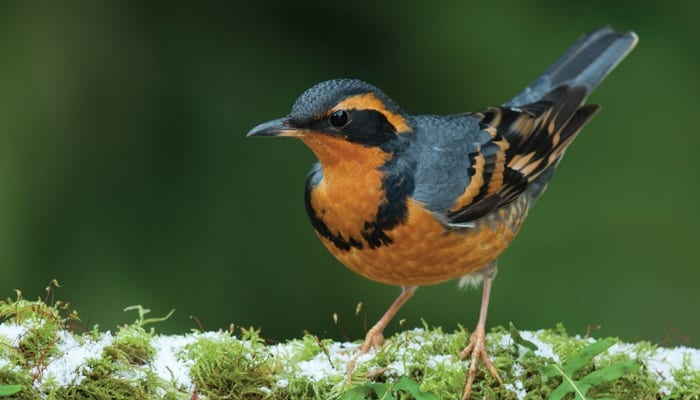
Credit: www.wbu.com
Conservation And Food Sources
Thrush birds are beautiful creatures. They play a vital role in the ecosystem. Understanding their diet and conservation needs is important. This helps in maintaining their population and ensuring their survival. Thrush birds eat a variety of foods. Their diet includes insects, berries, and small fruits. Let’s explore the conservation efforts and food sources for these birds.
Habitat Protection
Protecting their habitat is crucial for thrush birds. They thrive in forests, gardens, and woodlands. Deforestation and urbanization reduce their living spaces. This makes it hard for them to find food.
Creating bird-friendly spaces can help. Plant native trees and shrubs. These provide food and shelter. Avoid using pesticides. They harm the insects that thrush birds eat.
| Habitat Feature | Benefit |
|---|---|
| Native Trees | Food and Shelter |
| Shrubs | Protection and Nesting |
| Water Sources | Drinking and Bathing |
Impact Of Climate Change
Climate change affects thrush birds in many ways. It changes their food availability. Warmer temperatures can reduce insect populations. This means less food for thrush birds.
Extreme weather events also pose a threat. Storms can destroy nests and food sources. Droughts can dry up water sources. This makes survival harder for thrush birds.
- Reduce carbon footprint.
- Support reforestation projects.
- Use renewable energy sources.
Everyone can help in small ways. Plant more trees. Reduce waste. Use less plastic. Every action counts.
Attracting Thrush Birds To Your Garden
Thrush birds are a joy to watch. Their colorful feathers and melodious songs bring life to any garden. Attracting these charming birds to your garden involves creating an inviting habitat. Key components include the right plants and food sources. This guide will help you make your garden thrush-friendly.
Plant Choices
Choosing the right plants is essential. Thrush birds love native plants. Native plants provide natural food and shelter. They are adapted to the local climate, making them easy to grow.
| Plant Type | Examples |
|---|---|
| Trees | Hawthorn, Rowan |
| Shrubs | Holly, Elderberry |
| Ground Cover | Ivy, Vinca |
Plants that produce berries are a favorite. Berries provide essential nutrients. Consider planting:
- Serviceberry
- Dogwood
- Mulberry
Providing Food Sources
Thrush birds eat a variety of foods. They enjoy insects, fruits, and seeds. Providing these will attract them to your garden.
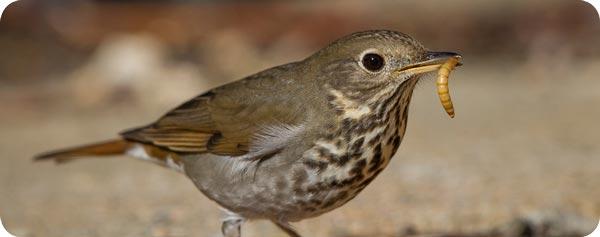
- Insects: Thrushes love worms, beetles, and caterpillars. Create a compost heap to attract insects.
- Fruits: Place sliced apples or grapes on bird feeders.
- Seeds: Sunflower seeds and mealworms are excellent choices.
Water is also crucial. Install a birdbath or a small pond. Fresh water attracts birds and keeps them hydrated.
Credit: marin.wbu.com
Frequently Asked Questions
What Can You Feed A Thrush?
Feed a thrush with fruits like berries, apples, and grapes. Offer mealworms, earthworms, and soaked raisins. Provide suet and sunflower hearts.
What Are The Thrush Birds Prey?
Thrush birds prey on insects, worms, snails, and small invertebrates. They also eat fruits and berries.
Are Thrush Birds Aggressive?
Thrush birds are generally not aggressive. They are known for their melodic songs and peaceful nature.
How Long Do Thrush Birds Live?
Thrush birds typically live for 2 to 4 years in the wild. Some can live up to 10 years with ideal conditions.
Conclusion
Understanding what thrush birds eat helps us support their habitat. They thrive on berries, insects, and small fruits. By providing these food sources, we can ensure their survival and well-being. Observing their diet also offers a delightful glimpse into their natural behaviors.
Encourage thrush birds in your garden by offering their favorite foods.