

A chickadee is a small, non-migratory songbird found in North America. It belongs to the tit family, Paridae.
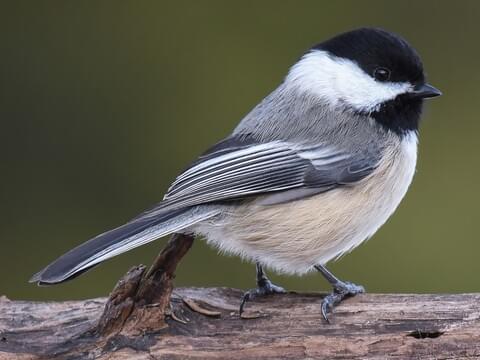
Chickadees are known for their distinctive call, which sounds like their name. These birds have a black cap and bib, white cheeks, and grey wings and back. They are often seen flitting about in forests, parks, and backyards, usually in small groups.
Chickadees are curious and friendly, making them popular among bird watchers. They mainly eat insects, seeds, and berries. In winter, they often store food to ensure a steady supply. Chickadees are adaptable and can thrive in various habitats, including urban areas. Their cheerful presence and vocalizations add life to any natural setting.

Credit: indianaaudubon.org
Introduction To Chickadees
Chickadees are small, lively birds found across North America. These tiny birds are known for their cheerful songs and curious nature. With their unique calls, chickadees brighten up any backyard.
Tiny Birds With Big Personalities
Despite their small size, chickadees have big personalities. They are social birds that often travel in flocks. Chickadees are known for their bravery and curiosity. They are not afraid to approach humans for food.
Chickadees are also very clever. They can remember where they hide food for up to 28 days. This helps them survive during the cold winter months.
Common Species
There are several common species of chickadees in North America. Here are a few:
| Species | Key Characteristics |
|---|---|
| Black-capped Chickadee | Black cap and bib, white cheeks |
| Carolina Chickadee | Smaller size, similar appearance to Black-capped |
| Boreal Chickadee | Brown cap, lives in northern forests |
| Chestnut-backed Chickadee | Chestnut-colored back, found in the Pacific Northwest |
Each species has its own unique traits. Yet, all chickadees share the same playful and curious nature.
Physical Characteristics
The Chickadee is a fascinating bird with distinct physical features. This section explores its size, shape, and color patterns.
Size And Shape
The Chickadee is small and compact. Its length ranges from 4.7 to 5.9 inches. The wingspan measures about 6.3 to 8.3 inches. Chickadees weigh around 0.3 to 0.4 ounces. Their heads are large and rounded. They have short, stout bills. The tails are long and narrow. Chickadees have a plump body.
Color Patterns
Chickadees have striking color patterns. Their bodies are mostly gray and white. They have a black cap and bib. Their cheeks are white. The back is gray, and the underparts are white or buff. The wings have white edges. The tails are dark with white outer feathers. These colors help them blend into their environment.
| Feature | Description |
|---|---|
| Length | 4.7 to 5.9 inches |
| Wingspan | 6.3 to 8.3 inches |
| Weight | 0.3 to 0.4 ounces |
| Color | Gray, white, black |
| Distinct Features | Black cap and bib, white cheeks |
Habitat And Range
Chickadees are small, lively birds known for their distinctive calls. Understanding their Habitat and Range helps in spotting and conserving these charming creatures. Let’s delve into where these delightful birds prefer to live and how far they spread across regions.
Preferred Environments
Chickadees thrive in various environments. They love deciduous and mixed forests. These birds also enjoy areas with dense shrubs and thickets. They are often found in backyard feeders and parks.
During winter, chickadees move closer to human dwellings. They look for food and shelter in gardens and birdhouses. These adaptable birds can survive harsh winters.
Geographical Distribution
Chickadees inhabit a wide range of regions. In North America, they are found from Canada to Mexico. They are most common in the northern United States and southern Canada.
There are several species of chickadees, including the Black-capped Chickadee, which is widely spread. Another species, the Carolina Chickadee, prefers the southeastern United States.
The following table shows the geographical distribution of some common chickadee species:
| Species | Region |
|---|---|
| Black-capped Chickadee | Northern US, Southern Canada |
| Carolina Chickadee | Southeastern US |
| Mountain Chickadee | Western US |
| Boreal Chickadee | Canada, Alaska |

Credit: www.audubon.org
Diet And Feeding Habits
Chickadees are tiny, energetic birds. They are famous for their friendly nature and distinctive calls. Understanding their diet and feeding habits can help us care for them better. This section will cover what chickadees eat in the wild and how to feed them at home.
Natural Diet
In the wild, chickadees have a varied diet. They eat insects, seeds, and berries. Their diet changes with the seasons. During spring and summer, insects make up most of their food. They eat caterpillars, beetles, and spiders. They are important for pest control.
In fall and winter, their diet shifts. They rely more on seeds and berries. Chickadees have a special skill. They can hide food for later. This helps them survive cold winters. They remember where they hid their food. This is called food caching.
| Season | Main Food Source |
|---|---|
| Spring | Insects |
| Summer | Insects |
| Fall | Seeds and Berries |
| Winter | Seeds and Berries |
Feeding Chickadees At Home
Feeding chickadees at home is easy and fun. You can use bird feeders. Place them in your garden or on a balcony. Chickadees love sunflower seeds. These are their favorite. You can also offer peanuts, suet, and mealworms.
Here is a simple list of foods you can provide:
- Sunflower seeds
- Peanuts
- Suet
- Mealworms
Make sure your feeders are clean. Dirty feeders can spread diseases. Chickadees will visit your feeders often. This can bring joy to your home. Watching them is a great way to connect with nature.
Behavior And Social Structure
The chickadee is a small bird known for its lively nature. These birds are highly social and exhibit fascinating behaviors. They often live in groups, especially during colder months. Understanding their behavior and social structure gives insight into their daily lives.
Social Interactions
Chickadees form flocks, especially in winter. These groups usually have 6 to 12 birds. They rely on each other for warmth and food. In these flocks, they establish a hierarchy. The dominant bird gets the best food and nesting spots.
During breeding season, chickadees become territorial. Each pair defends its area from others. They often chase away intruders. This keeps their nesting area safe for raising young ones.
Vocalizations And Calls
Chickadees are known for their distinct calls. They use these calls to communicate with each other. The most famous call sounds like “chick-a-dee-dee-dee.” This call has multiple meanings. It can be a warning or a way to keep the flock together.
Another important call is the “fee-bee” song. Males use this during the breeding season. It helps attract mates and defend territory. Each bird has its unique variation of this call.
Below is a table summarizing their main calls:
| Call Type | Purpose |
|---|---|
| Chick-a-dee-dee-dee | Warning, flock communication |
| Fee-bee | Attract mates, defend territory |
Overall, chickadees have a rich social life. Their interactions and calls are crucial for their survival.
Breeding And Nesting
Chickadees are fascinating birds with unique breeding and nesting habits. These tiny birds exhibit distinct behaviors during the breeding season. They show remarkable skills in nest construction and care for their young ones with great dedication.
Mating Rituals
During the spring, chickadees engage in intricate mating rituals. Males sing to attract females. Their songs are distinct and melodious. These songs are a crucial part of their courtship.
- Males perform a fluttering flight display.
- They showcase their agility and strength.
- Females choose mates based on these displays.
Once a pair forms, they stay together for the breeding season. This bond is essential for successful breeding and nesting.
Nest Construction
Chickadees exhibit remarkable skills in nest construction. They choose cavities in trees or nest boxes. The chosen site offers protection from predators.
| Material | Purpose |
|---|---|
| Moss | Base layer of the nest |
| Feathers | Insulation and comfort |
| Animal hair | Additional warmth |
Both males and females participate in gathering materials. They work diligently to build a secure and cozy nest. Once the nest is ready, the female lays her eggs. She incubates them while the male provides food.
Understanding the breeding and nesting habits of chickadees offers insight into their fascinating lives. These birds demonstrate incredible dedication and skill during the breeding season.
Chickadees In Culture
Chickadees have fascinated people for centuries with their charming behavior and distinct calls. These small songbirds hold a special place in various cultures, symbolizing different meanings and inspiring literature. Let’s dive deeper into the cultural significance of chickadees.
Symbolism And Folklore
Chickadees symbolize joy and positivity in many cultures. Their cheerful songs and playful nature make them a symbol of happiness. In Native American folklore, chickadees are often seen as messengers of good news. They are believed to bring clarity and truth to those who hear their song.
In some cultures, chickadees are associated with winter and resilience. Despite their small size, they survive harsh winters, symbolizing endurance and strength. This makes them a popular subject in winter folklore and stories.
Chickadees In Literature
Chickadees appear in various literary works, enchanting readers with their simplicity and charm. Famous poets like Emily Dickinson have referenced chickadees in their poems, highlighting their delicate beauty. Dickinson’s poem “A Bird Came Down the Walk” subtly hints at a chickadee’s gentle presence.
Children’s books often feature chickadees to teach valuable lessons. These birds symbolize curiosity and learning, making them ideal characters for stories. In some tales, chickadees guide young protagonists on their adventures, emphasizing the importance of friendship and guidance.
Here are a few notable mentions of chickadees in literature:
- Emily Dickinson’s Poetry: Chickadees add a touch of nature’s elegance.
- Children’s Stories: Chickadees often play the role of guides.
- Folklore Tales: Represent resilience and endurance.
These literary appearances highlight the chickadee’s cultural importance and enduring charm.
Conservation And Protection
Chickadees are small, delightful birds found in North America. Their cheerful songs and curious nature make them a favorite among bird watchers. But these charming birds face many threats. Conservation and protection efforts are essential to ensure their survival. Below, we discuss the challenges chickadees face and how we can help.
Threats To Chickadees
Chickadees face several dangers in the wild. Understanding these threats can help us protect them better.
- Habitat Loss: Urbanization and deforestation reduce their natural habitats.
- Climate Change: Changing weather patterns affect their food sources.
- Predators: Cats and other predators pose a constant threat.
- Pesticides: Chemicals can poison their food and water sources.
How To Help
There are many ways to support chickadee conservation efforts. Here are some practical steps you can take:
- Create a Bird-Friendly Yard: Plant native trees and shrubs. Provide shelter and nesting sites.
- Feed the Birds: Offer bird feeders with seeds. Chickadees love sunflower seeds and peanuts.
- Avoid Pesticides: Use natural pest control methods. Protect their food sources.
- Support Conservation Programs: Donate to organizations working to protect bird habitats.
- Educate Others: Share information about chickadees. Encourage others to help protect these birds.
| Threat | Solution |
|---|---|
| Habitat Loss | Plant native vegetation |
| Climate Change | Support environmental policies |
| Predators | Keep pets indoors |
| Pesticides | Use natural alternatives |
Observing Chickadees
Observing chickadees is a delightful experience for bird enthusiasts. These small birds are known for their curiosity and charming behavior. With a bit of patience, you can witness their playful antics up close.
Birdwatching Tips
To observe chickadees effectively, follow these simple birdwatching tips:
- Visit wooded areas, especially those with dense foliage.
- Look for chickadees early in the morning or late afternoon.
- Use binoculars for a closer view without disturbing them.
- Stay quiet and move slowly to avoid scaring them away.
- Listen for their distinctive “chick-a-dee-dee-dee” call.
Photographing Chickadees
Capturing chickadees in photos can be rewarding. Here are some tips to help you get the best shots:
- Use a camera with a good zoom lens.
- Set your camera to a fast shutter speed.
- Focus on the bird’s eye for sharp images.
- Take multiple shots to increase your chances of a good photo.
- Be patient and wait for the perfect moment.
By following these tips, you can enjoy observing and photographing chickadees in their natural habitat. Happy birdwatching!
Credit: www.allaboutbirds.org
Frequently Asked Questions
What Is A Chickadee Slang?
Chickadee slang refers to a playful or affectionate term for a small, cute person, often a child or pet.
Why Are They Called Chickadees?
Chickadees get their name from their distinctive “chick-a-dee-dee” call. This sound is unique to their species.
Are Chickadee Birds Friendly?
Yes, chickadee birds are friendly. They often approach humans and can even eat from your hand. Their social nature makes them popular in birdwatching.
Who Coined The Phrase Chickadee?
The phrase “chickadee” was coined by American naturalist John James Audubon. He used it to describe the bird’s distinctive call.
Conclusion
Chickadees are delightful, small birds that bring joy to many backyards. Their unique calls and friendly nature make them fascinating. By understanding their habits, you can attract chickadees to your garden. Enjoy watching these charming birds and contribute to their conservation.
Embrace the beauty of chickadees in your outdoor space.