

Yes, doves see color. They have excellent vision and can perceive a wide range of colors.
Doves possess a sophisticated visual system. They have four types of cone cells in their retinas, enabling them to see ultraviolet light, which humans cannot. This ability helps them navigate, find food, and select mates. Their color vision is crucial for survival, allowing them to distinguish ripe fruits and healthy foliage from the background.
Doves’ keen eyesight is also vital for detecting predators and ensuring their safety. Understanding how doves see color provides insight into their behavior and environmental interactions. This knowledge is not just fascinating but essential for bird enthusiasts and researchers alike. By appreciating their vision, we can better protect and conserve these beautiful creatures.
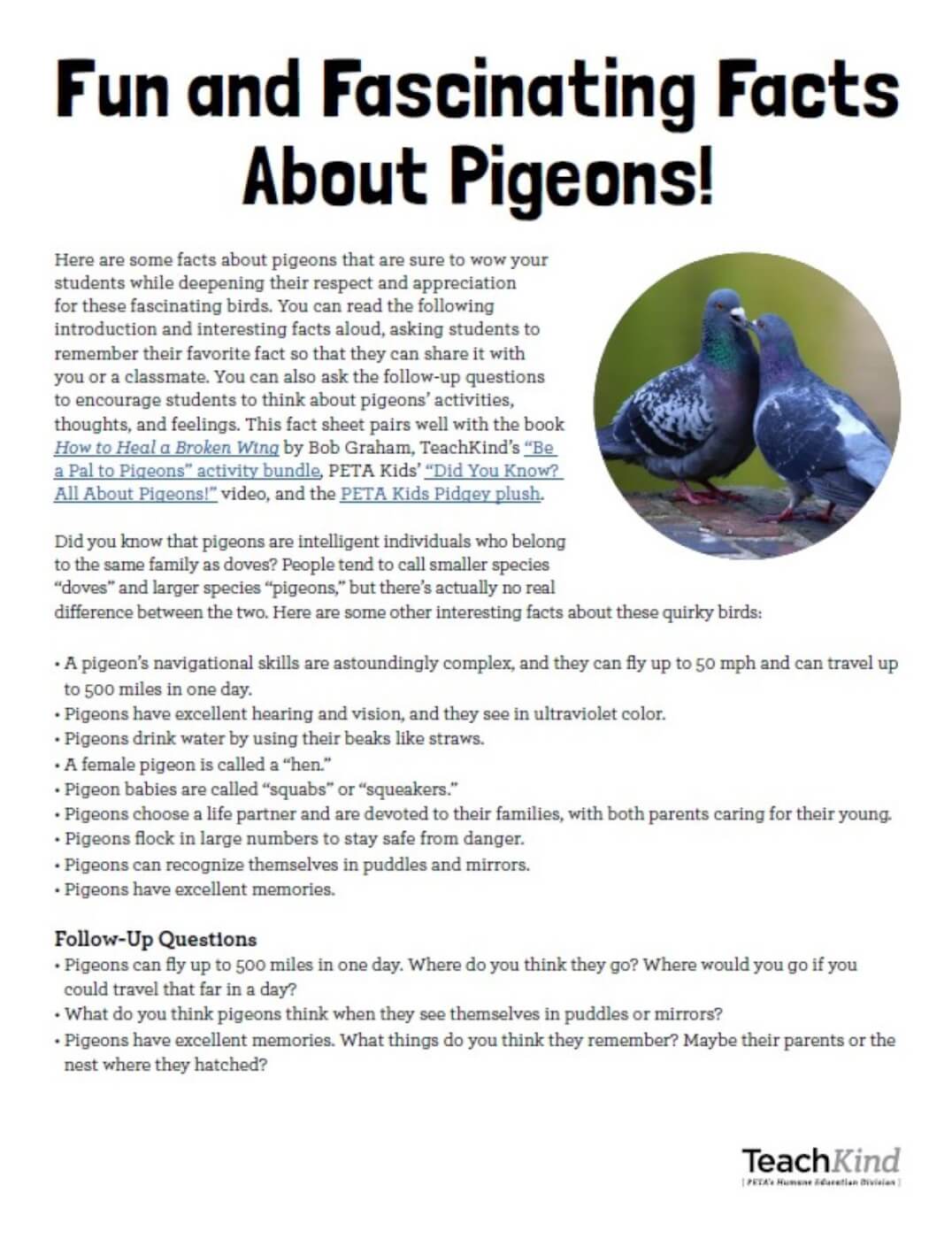
Credit: www.peta.org
Introduction To Avian Vision
Birds have a unique way of seeing the world. Their vision is different from humans. Understanding avian vision helps us learn about their behavior. Birds rely heavily on their eyesight to survive.
Importance Of Vision In Birds
Birds need good vision for many reasons. It helps them find food. Good eyesight lets them avoid predators. Birds also use vision to navigate while flying.
- Finding food
- Avoiding predators
- Navigation during flight
Comparing Bird And Human Vision
Birds see the world differently than humans. They can see more colors. Birds have better color vision. They see ultraviolet light, which humans can’t see.
| Feature | Birds | Humans |
|---|---|---|
| Color Range | More colors, including ultraviolet | Limited to visible spectrum |
| Field of View | Wider field of view | Narrower field of view |
| Detail Detection | Higher detail detection | Lower detail detection |
Birds have a wider field of view. They can detect more details. Human vision is limited compared to bird vision.
Color Perception In Doves
Doves are fascinating creatures with unique color vision abilities. Their eyes work differently from human eyes, allowing them to see a variety of colors. Understanding how doves perceive color can help us learn more about their behavior and survival.
Anatomy Of Dove Eyes
The structure of a dove’s eyes is quite intricate. They have large eyes relative to their head size. This allows them to gather more light, enhancing their vision.
| Feature | Description |
|---|---|
| Retina | Contains both rods and cones |
| Cones | Responsible for color vision |
| Rods | Help in low light conditions |
Doves have four types of cones in their retina. Humans have only three types. This extra cone helps doves see ultraviolet light, which humans can’t see.
Color Detection Mechanisms
Doves use their cones to detect different colors. Each type of cone is sensitive to different wavelengths of light. These cones work together to create a full color image.
- Red Cones: Detect red light
- Green Cones: Detect green light
- Blue Cones: Detect blue light
- Ultraviolet Cones: Detect ultraviolet light
With these cones, doves can see a broader spectrum of colors than humans. They can detect subtle differences in shades and hues. This helps them find food and identify mates.
Additionally, doves have a high flicker fusion rate. This means they can see fast-moving objects clearly. Their sharp vision helps them avoid predators and navigate their environment.
- Light enters the eye and hits the retina.
- Cones in the retina detect different wavelengths.
- The brain processes these signals into colors.
By understanding these mechanisms, we can appreciate the complex world of doves. Their color vision is an essential part of their daily life.
The Role Of Cone Cells
Doves, like many birds, see the world in vibrant colors. This ability comes from their cone cells. Cone cells are special cells in the retina. They detect different wavelengths of light. Doves have more cone cells than humans. This gives them a broader range of color vision.
Types Of Cone Cells
Doves have four types of cone cells. Each type responds to different wavelengths:
- UV-sensitive cones: Detect ultraviolet light.
- Blue-sensitive cones: Detect blue light.
- Green-sensitive cones: Detect green light.
- Red-sensitive cones: Detect red light.
This variety allows doves to see more colors. They can even see colors humans cannot. Their vision helps them find food and mates.
Cone Cell Distribution
The distribution of cone cells in doves’ retinas is unique. Cone cells are spread across the retina. This distribution gives them a wide field of view. It also provides sharp, detailed vision.
In a dove’s retina:
- UV-sensitive cones are scattered evenly.
- Blue-sensitive cones are more concentrated in the center.
- Green-sensitive cones are also central but less dense.
- Red-sensitive cones are spread out.
This arrangement helps doves see clearly in different light conditions. They can detect fast-moving objects and subtle color changes. This is crucial for survival in the wild.
| Type of Cone Cell | Color Detected | Distribution |
|---|---|---|
| UV-sensitive | Ultraviolet | Evenly scattered |
| Blue-sensitive | Blue | Central |
| Green-sensitive | Green | Central but less dense |
| Red-sensitive | Red | Spread out |
This detailed vision is a key feature of doves’ survival.
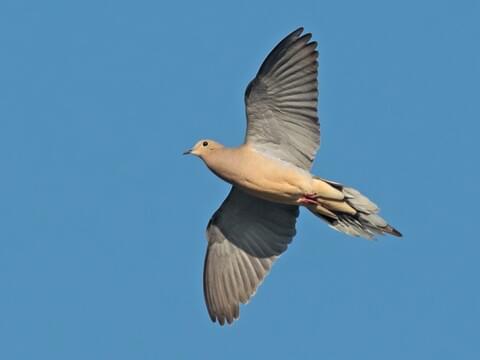
Credit: www.allaboutbirds.org
Ultraviolet Vision In Birds
Birds have an amazing ability to see ultraviolet (UV) light. This helps them in many ways. Doves are one of these birds with special vision.
Uv Sensitivity In Doves
Doves have UV-sensitive cones in their eyes. These cones let them see UV light. This is different from human vision. Humans cannot see UV light. Doves can see colors we cannot imagine.
Studies show that doves use UV vision to find food. They can spot seeds and insects that reflect UV light. This makes it easier for them to eat and survive.
Benefits Of Uv Vision
UV vision gives doves many benefits. Here are some of them:
- Finding Food: Doves can see UV reflections on seeds and insects.
- Mate Selection: They can see UV patterns on feathers, helping choose a mate.
- Navigation: UV light helps doves find their way.
Let’s look at these benefits in detail:
| Benefit | Description |
|---|---|
| Finding Food | Doves spot UV reflections on seeds and insects. |
| Mate Selection | UV patterns on feathers help choose a mate. |
| Navigation | UV light helps doves find their way. |
Behavioral Evidence Of Color Vision
Doves are fascinating creatures with unique behaviors. One intriguing aspect is their ability to see colors. This ability impacts their daily activities in various ways. Behavioral evidence offers insights into how doves perceive their world.
Feeding And Mating Habits
Doves rely on color vision for feeding. They can distinguish ripe fruits from unripe ones. This ability helps them choose the best food. Researchers observed that doves pick brightly colored seeds over dull ones. This shows their preference for certain colors.
Mating habits also show the importance of color vision. Male doves display bright feathers to attract females. These colorful displays play a crucial role in mating rituals. Females are drawn to males with vibrant colors, indicating healthy genes.
| Behavior | Color Influence |
|---|---|
| Feeding | Brightly colored seeds and fruits |
| Mating | Bright feather displays |
Navigation And Communication
Doves use color vision for navigation. They can identify landmarks based on color. This helps them find their way back home. Studies show doves navigate more efficiently with color cues. They remember routes better when color markers are present.
Communication among doves involves color signals. They use colorful plumage to convey messages. For instance, a change in feather color can indicate mood or health. These color signals help maintain social order within the flock.
- Navigation: Identifying landmarks
- Communication: Color signals for social interaction
In summary, color vision is vital for doves. It affects their feeding, mating, navigation, and communication. Understanding this can help us appreciate these beautiful birds even more.
Scientific Studies On Dove Vision
Understanding how doves see the world has fascinated scientists for years. Recent studies shed light on their vision capabilities. This section explores key research findings and the experimental methods used.
Key Research Findings
Researchers have discovered that doves can see a wide range of colors. They have tetrachromatic vision, meaning they possess four types of color receptors. This allows them to perceive colors beyond human capabilities. Studies show they can see ultraviolet light, which is invisible to humans. This ability helps them find food and navigate their environment.
Here are some key points from the research:
- Doves have four types of cone cells.
- They can see ultraviolet light.
- Their color vision helps in foraging.
- They use color vision for mating displays.
Experimental Methods
Scientists use various methods to study dove vision. These methods help them understand the complexities of dove eyesight. Below are some common experimental techniques:
| Method | Description |
|---|---|
| Behavioral Experiments | Observe dove reactions to different colors. |
| Electrophysiological Recordings | Measure electrical responses in the dove’s retina. |
| Genetic Analysis | Study the genes responsible for color vision. |
Behavioral experiments involve presenting doves with various colored objects. Scientists then record their reactions. This helps determine which colors doves can see and prefer. Electrophysiological recordings measure the electrical activity in the dove’s retina. This data reveals how their eyes respond to different wavelengths of light.
Genetic analysis examines the genes that control the production of cone cells. By studying these genes, scientists can learn more about the evolution of dove vision.
Implications For Birdwatching
Understanding whether doves see color can transform your birdwatching experience. Knowing this helps birdwatchers use colors that attract doves. This enhances identification and enjoyment during birdwatching sessions.
Identifying Dove Species
Doves see colors, and this helps them in their daily activities. Birdwatchers can use this knowledge to identify different dove species. Here are some tips:
- Plumage Colors: Doves have unique plumage colors. Use these colors to identify them.
- Beak and Feet: Observe the color of their beak and feet. Different species have distinct colors.
- Eye Color: Some doves have unique eye colors. This can help in identification.
Enhancing Birdwatching Experiences
Birdwatching becomes more thrilling when you consider the dove’s ability to see color. Here’s how you can enhance your birdwatching experience:
- Use Bright Colors: Wear bright clothes to attract doves.
- Colorful Feeders: Place colorful feeders in your garden.
- Bright Birdhouses: Paint birdhouses with bright colors to attract doves.
These small changes can make your birdwatching sessions more fruitful. Understanding dove color vision can lead to more sightings and better identification.
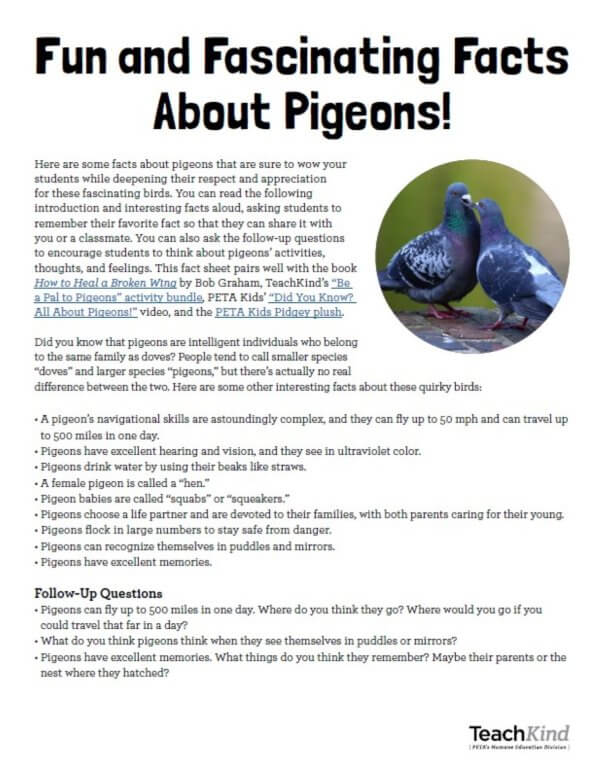
Credit: www.peta.org
Future Research Directions
Understanding whether doves see color involves many exciting future research directions. Scientists aim to explore new technologies and potential discoveries in this field.
Technological Advances
New technologies will help scientists study dove vision better. Advanced imaging techniques can map the dove’s retina in detail.
Genetic engineering might reveal genes linked to color vision in doves. These methods could show if doves have special color-detecting cells.
A table can summarize these technological advances:
| Technology | Purpose |
|---|---|
| Advanced Imaging Techniques | Map the dove’s retina |
| Genetic Engineering | Identify color vision genes |
Potential Discoveries
Research may uncover if doves see more colors than humans. Scientists could find new types of photoreceptors in dove eyes.
Behavioral experiments will test doves’ reactions to different colors. These experiments might show if doves prefer certain colors.
An unordered list of potential discoveries:
- New types of photoreceptors
- Color vision genes
- Behavioral color preferences
Each discovery will add to our knowledge of dove vision. These findings could change how we understand bird vision overall.
Frequently Asked Questions
What Is The Best Color To Wear Dove Hunting?
Wear earth tones like brown, green, or camouflage for dove hunting. These colors help you blend into the environment.
Are Doves Colorblind?
No, doves are not colorblind. They can see a range of colors, including ultraviolet light. Their vision helps them find food and mates.
Do Mourning Doves Have Good Eyesight?
Yes, Mourning Doves have excellent eyesight. They can detect predators and find food from great distances. Their vision helps them navigate and survive in the wild.
Can Dove See The Color Blue?
Yes, doves can see the color blue. Birds, including doves, have excellent color vision. They see more colors than humans.
Conclusion
Doves do see color, enhancing their survival and mating capabilities. Their unique vision helps them navigate their environment. Understanding dove vision adds depth to our knowledge of bird behavior. This insight into their world can inspire further appreciation and study of avian species.
Keep observing and learning about these fascinating creatures.