

Owls and nightjars are the primary birds active during the night. They have adapted to nocturnal lifestyles.
Birds like owls and nightjars dominate the night skies. Owls, with their exceptional night vision, hunt rodents and small mammals. Nightjars, also known as goatsuckers, feed on insects and blend seamlessly into their surroundings. These nocturnal birds have unique adaptations, such as enhanced hearing and silent flight, allowing them to thrive in darkness.
Some species, like the barn owl, are widely recognized, while others remain elusive. Observing these birds can offer a glimpse into the mysterious world of nocturnal wildlife. Their presence adds a layer of intrigue and excitement to the natural world, captivating bird watchers and nature enthusiasts alike.
Introduction To Nocturnal Birds
Birds are fascinating creatures. Some birds are active at night. These birds are called nocturnal birds. They have special features to help them see in the dark.
Definition Of Nocturnal Birds
Nocturnal birds are birds that are active at night. They rest during the day. They have special eyes to see in the dark. They also have good hearing to find food.
Importance Of Studying Nocturnal Birds
Studying nocturnal birds helps us learn about nature. It helps us understand bird behavior. It also helps us protect these birds. Many nocturnal birds are endangered. Learning about them can help save them.
Researchers use different methods to study these birds. They use special tools like night-vision cameras. They also listen to bird calls to identify species.
| Bird Name | Special Feature |
|---|---|
| Owl | Large eyes for night vision |
| Nightjar | Camouflaged feathers |
| Kiwi | Strong sense of smell |
- Nocturnal birds are active at night
- They have special features for night
- Studying them helps protect them

Credit: nemesisbird.com
Adaptations For Night Life
Nocturnal birds have unique adaptations that help them survive. These birds thrive in the dark. Let’s explore their special traits.
Enhanced Vision
Night birds have large eyes. This helps them see in low light. Their eyes collect more light than daytime birds. The retina has more rods than cones. Rods are sensitive to dim light. Cones detect color but need more light.
Owls have forward-facing eyes. This gives them binocular vision. They can judge distance accurately. This is useful for hunting at night.
Some nocturnal birds have a special layer in their eyes. This layer is called the tapetum lucidum. It reflects light back through the retina. This enhances their night vision.
Silent Flight
Many night birds have silent flight. This helps them hunt quietly. Owls have special feathers for this purpose. Their feathers have soft edges. This reduces the noise when they fly.
Other birds have different adaptations. Some have a unique wing shape. This helps them glide silently. Silent flight helps them catch prey by surprise.
| Bird | Adaptation |
|---|---|
| Owl | Silent flight, enhanced vision |
| Nightjar | Camouflage, silent flight |
| Common Poorwill | Hibernate, silent flight |
Owls: Masters Of The Night
Owls are fascinating creatures that rule the night skies. These nocturnal birds have unique features that make them expert hunters. With their keen senses and silent flight, they dominate the night. Let’s delve into some common owl species and their hunting techniques.
Common Owl Species
Several owl species can be spotted at night. Here are a few:
| Owl Species | Characteristics |
|---|---|
| Barn Owl | Heart-shaped face, pale feathers, long legs. |
| Great Horned Owl | Tufts on head, large eyes, deep hooting call. |
| Snowy Owl | White feathers, yellow eyes, thick body. |
Owl Hunting Techniques
Owls use various techniques to catch their prey. Here are some:
- Silent Flight: Owls have soft feathers that muffle sound. This allows them to sneak up on prey without being heard.
- Sharp Talons: Their talons are strong and sharp. This helps them catch and hold onto their prey.
- Keen Hearing: Owls have excellent hearing. They can detect even the faintest sounds in the dark.
- Night Vision: Their large eyes are adapted for low light. This makes it easier to spot prey at night.
These techniques make owls effective nocturnal hunters. They can find and catch prey even in complete darkness.
Nightjars And Their Unique Traits
Nightjars are mysterious nocturnal birds. They come out at night. These birds have unique traits that make them special.
Physical Characteristics
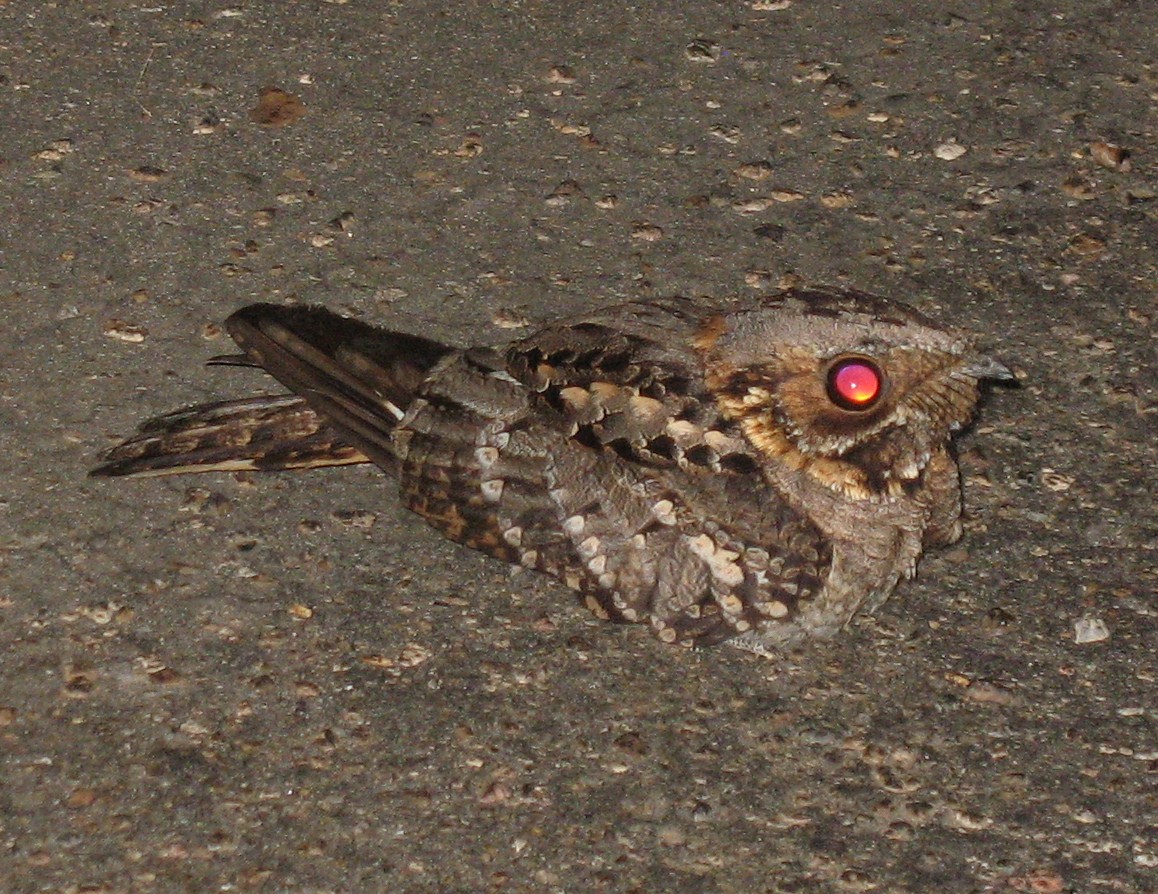
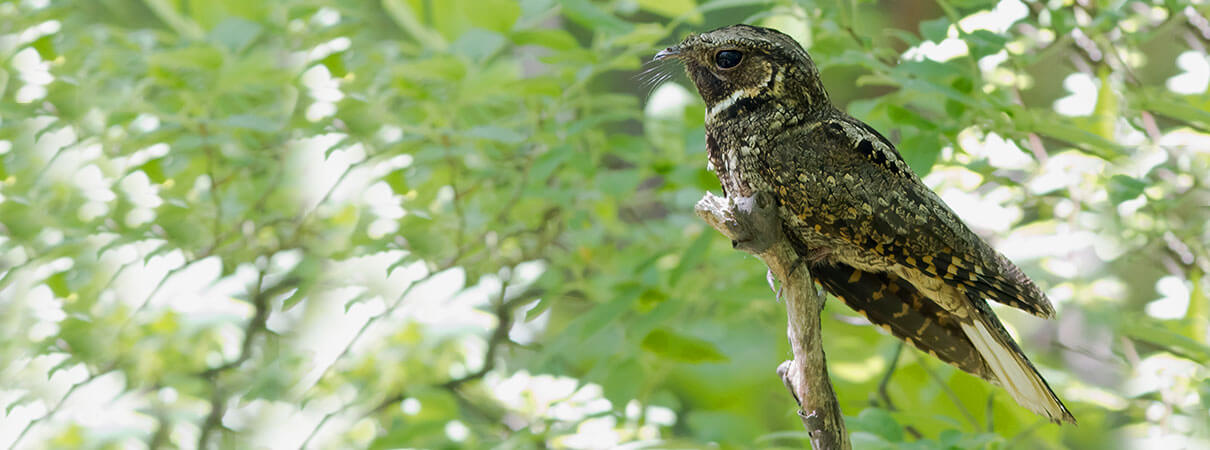
Nightjars have camouflaged feathers. Their feathers blend with the ground. This helps them hide from predators.
They have large eyes. Their eyes help them see in the dark. They also have a wide mouth. Their mouth helps them catch insects.
| Trait | Description |
|---|---|
| Feathers | Camouflaged, blend with the ground |
| Eyes | Large, adapted for night vision |
| Mouth | Wide, helps catch insects |
Feeding Habits
Nightjars are insectivores. They eat mostly flying insects. They catch insects while flying.
They have a special way to hunt. They fly with their mouth wide open. This helps them scoop up insects easily.
- Eat flying insects
- Hunt while flying
- Wide mouth helps catch prey
Nightjars are amazing night birds. Their unique traits help them thrive in the dark.
Night Herons And Their Behavior
Night Herons are fascinating birds active during nighttime. They exhibit unique behaviors that make them stand out. These nocturnal birds have adapted to live in various habitats and have specific dietary preferences.
Habitat Preferences
Night Herons prefer habitats near water bodies. They are often found in wetlands, marshes, and rivers. These birds build their nests in trees or shrubs near water. This proximity to water provides them with ample food sources.
| Habitat Type | Characteristics |
|---|---|
| Wetlands | Rich in aquatic life |
| Marshes | Dense vegetation |
| Rivers | Flowing water and fish |
Diet And Hunting
Night Herons have a diverse diet. They primarily feed on fish, insects, and crustaceans. These birds use their sharp beaks to catch prey. Their hunting strategy involves standing still and waiting for prey to come close.
- Fish: Main food source
- Insects: Supplementary diet
- Crustaceans: Additional nutrition
Night Herons are patient hunters. They often hunt alone and use stealth to catch their prey. Their night vision is excellent, allowing them to spot movement in the dark. This makes them successful nocturnal predators.
Mysterious Night Parrots
Night parrots are elusive birds that fascinate bird enthusiasts. These birds are rarely seen and heard at night. They have captured the imagination of many due to their mysterious nature.
Historical Background
The night parrot has a long, intriguing history. Many believed the bird to be extinct for years. Historical records show the bird was last seen in the 1800s. This made the bird a subject of folklore and mystery.
Early explorers and naturalists documented sightings. These records were often inconsistent. The bird’s habitat is in remote areas of Australia. This made it difficult to study or even spot the bird.
Recent Discoveries
Recent years have brought exciting discoveries about the night parrot. In 2013, an Australian naturalist captured a photograph of the bird. This was the first confirmed sighting in over a century.
Following this, researchers have used modern technology to track the bird. Night-vision cameras and sound recorders have been invaluable. These tools have provided new insights into the bird’s behavior and habitat.
Research has revealed that the night parrot is nocturnal. It is active at night, feeding on seeds and insects. The bird nests in dense, spinifex grass, making it hard to find.
| Year | Discovery |
|---|---|
| 1800s | Last known sighting before believed extinction |
| 2013 | First confirmed sighting in over 100 years |
| 2015 | Discovery of nests and breeding behavior |
- Elusive Nature: Hard to spot and study
- Nocturnal: Active at night
- Habitat: Dense spinifex grass in remote Australia
- First, researchers captured the bird’s photograph.
- Next, they used night-vision cameras to track it.
- Finally, they studied its nocturnal habits.
document.querySelector('h2').textContent = 'Mysterious Night Parrots';
Nocturnal Bird Calls
Have you ever heard birds singing at night? These sounds come from nocturnal birds. They use calls to communicate in the dark. Nighttime can be full of mysterious and beautiful bird calls.
Communication Methods
Nocturnal birds use calls to talk to each other. These calls help them find mates and warn of danger. Here are some methods they use:
- Echo Location: Bats use this to find prey.
- Whistles: Nightjars use short, sharp sounds.
- Hoots: Owls use deep, long calls.
Identifying Calls
Identifying nocturnal bird calls can be fun. Each bird has a unique sound. Here are some tips:
- Listen Carefully: Focus on the pitch and rhythm.
- Use Apps: Bird apps can help identify calls.
- Take Notes: Write down what you hear.
| Bird | Call Type | Example |
|---|---|---|
| Owl | Hoot | Whoo-Whoo |
| Nightjar | Whistle | Churr-Churr |
| Cricket | Chirp | Chirp-Chirp |
Credit: www.birdconservancy.org
Conservation Of Nocturnal Birds
Nocturnal birds are vital to our ecosystem. These birds are active at night and include species like owls, nightjars, and nighthawks. They control pest populations and maintain ecological balance. Their existence is crucial for the health of many habitats.
Threats To Nocturnal Birds
Many factors threaten nocturnal birds. Light pollution disrupts their natural behaviors and feeding patterns. Habitat loss reduces their living spaces and food sources.
Climate change affects their migration and breeding cycles. Pesticides poison their food sources, causing health issues. Collisions with buildings and vehicles are also fatal threats.
Conservation Efforts
Efforts to conserve nocturnal birds include reducing light pollution. Simple steps like using dimmer lights can help. Protecting habitats through conservation areas ensures safe spaces for these birds.
Planting native vegetation supports their food supply. Creating awareness about the importance of nocturnal birds helps gather public support. Research and monitoring help track their populations and health.
| Threats | Conservation Efforts |
|---|---|
| Light Pollution | Reducing light usage |
| Habitat Loss | Protecting natural areas |
| Climate Change | Supporting climate action |
| Pesticides | Using organic methods |
| Collisions | Implementing bird-safe designs |
By taking these actions, we can protect nocturnal birds. Their survival is essential for a balanced ecosystem.
Observing Nocturnal Birds
Many birds come alive at night. These birds are called nocturnal birds. Observing them can be fun and educational. Nighttime offers a unique chance to see these special birds. You can hear their calls and see their behaviors.
Best Times For Observation
The best times to observe nocturnal birds are at dusk and dawn. This is when they are most active. They look for food and call to each other. You can also see them under a full moon. The moonlight helps you see better in the dark.
Equipment Needed
To observe nocturnal birds, you need some tools. Here is a list of equipment to consider:
- Binoculars: These help you see birds from far away.
- Flashlight: Use a red filter to avoid scaring the birds.
- Notebook: Write down what you see and hear.
- Field guide: This helps you identify different birds.
A table can also help you plan your observation:
| Time | Activity |
|---|---|
| Dusk | Birds start to become active. |
| Night | Peak activity for many nocturnal birds. |
| Dawn | Birds return to their nests. |
Remember to be quiet and patient. Nocturnal birds are sensitive to noise. Happy bird watching!
Credit: abcbirds.org
Frequently Asked Questions
What Kind Of Birds Come Out At Night?
Owls, nightjars, and nighthawks are common birds that come out at night. They hunt insects and small animals.
What Does It Mean When You Hear Birds Chirping At Night?
Birds chirping at night may indicate they are disturbed or confused by artificial lights, predators, or mating calls.
What Birds Are Up At 3am?
Owls, nightjars, and some migratory birds are active at 3am. These nocturnal birds hunt and navigate during the night.
Why Would A Bird Be Out At Night?
Some birds are nocturnal, like owls and nightjars. They hunt, mate, or migrate during the night for safety.
Conclusion
Night birds bring a unique charm to the evening skies. From owls to nightjars, their presence is fascinating. Understanding these nocturnal creatures enhances our appreciation of nature. So, next time you’re out at night, take a moment to listen and watch.
You might just spot a mysterious night bird.