

Yes, animals can breed with siblings. This practice is known as inbreeding and occurs in both wild and domestic animals.
Inbreeding involves mating between closely related individuals. It can lead to both positive and negative outcomes. Breeders often use inbreeding to maintain or enhance specific traits in animals. However, it can also increase the risk of genetic disorders and reduce genetic diversity.
Wild animals might inbreed due to limited mate choices. Inbreeding depression is a common issue, resulting in weaker offspring. Responsible breeding practices aim to balance the benefits and risks. Understanding inbreeding’s effects is crucial for animal health and genetic diversity.

Credit: www.cbc.ca
Animal Breeding Basics
Breeding is vital for animal populations. It helps in passing on genes. Understanding breeding basics is crucial for animal health. Breeding can occur naturally or be human-controlled.
Natural Breeding Practices
In the wild, animals choose mates naturally. This ensures genetic diversity. Siblings rarely breed due to natural selection. This helps maintain strong gene pools. In rare cases, sibling breeding can occur. This might happen due to limited mate choices. Yet, natural checks often prevent inbreeding.
Selective Breeding
Humans often control animal breeding. This is known as selective breeding. It aims to enhance specific traits. Farmers and breeders use this method widely. Sibling breeding can be part of selective breeding. Breeders might pair siblings to fix desired traits. This practice can risk genetic issues.
| Natural Breeding | Selective Breeding |
|---|---|
| Occurs in the wild | Controlled by humans |
| Ensures genetic diversity | Focuses on specific traits |
| Rare sibling breeding | Possible sibling breeding |
Both methods have pros and cons. Natural breeding promotes diversity. Selective breeding can enhance specific traits. Both methods play a role in animal populations.
Inbreeding In The Animal Kingdom
In the wild, animals sometimes breed with their siblings. This is called inbreeding. It can have both good and bad effects. Inbreeding happens for various reasons in nature. Understanding this helps us learn about animal behaviors.
Definition Of Inbreeding
Inbreeding is the mating of animals that are closely related. Animals share much of the same genetic material. This can increase the chances of certain traits. It can also increase the risk of genetic problems. Inbreeding is common in some animal populations.
Examples In Nature
Inbreeding can be seen in many species. Here are some examples:
- Lions: Lions in small prides often mate with siblings. This happens when there are few mating options.
- Wolves: Wolves sometimes inbreed in isolated packs. This helps keep the pack together.
- Cheetahs: Cheetahs have low genetic diversity. They often mate with close relatives.
Inbreeding can be a survival strategy. It keeps the population stable. But it also has risks. Genetic problems can arise over time. These problems can affect the health of the animals. Understanding inbreeding helps scientists manage wildlife better.
Genetic Risks Of Inbreeding
Inbreeding in animals involves mating between close relatives, such as siblings. This practice can lead to serious genetic problems. Understanding these risks helps in making informed decisions about animal breeding.
Increased Disease Susceptibility
Inbreeding reduces genetic diversity. This makes animals more likely to get sick. Without diverse genes, the immune system becomes weaker. The body struggles to fight off infections and diseases. Animals with less genetic variety may suffer from common illnesses more often.
- Weaker immune systems
- Higher infection rates
- More frequent sickness
Genetic Disorders
Animals that inbreed are at higher risk for genetic disorders. These disorders are often passed down from parents to offspring. Inbreeding makes these problems worse, as similar genes combine.
Some common genetic disorders include:
| Disorder | Symptoms |
|---|---|
| Hip Dysplasia | Pain and difficulty moving |
| Heart Defects | Shortness of breath and weakness |
| Epilepsy | Seizures and loss of consciousness |
Inbreeding can also lead to behavioral issues. These may include aggression or anxiety. Such problems can make animals hard to manage. It can also affect their overall well-being.
- Increased risk of genetic disorders
- Behavioral problems
- Overall decline in health
Understanding these risks helps in making better breeding choices. It ensures healthier animals and reduces suffering.
Short-term Vs Long-term Effects
Breeding animals with siblings can have significant effects. These effects can be seen in both the short term and the long term. Understanding these impacts is crucial for animal health and genetic diversity.
Immediate Health Issues
Breeding siblings can lead to immediate health issues. One major problem is the lack of genetic diversity. This can result in:
- Weaker immune systems
- Increased birth defects
- Higher rates of genetic diseases
A table can help visualize these issues:
| Health Issue | Description |
|---|---|
| Weaker Immune Systems | Less ability to fight off diseases |
| Increased Birth Defects | More physical and genetic abnormalities |
| Higher Rates of Genetic Diseases | Inherited diseases become more common |
Generational Impact
The long-term effects of sibling breeding can be severe. Over generations, these impacts can worsen. Some of the key long-term effects include:
- Reduced fertility
- Shorter lifespan
- Behavioral problems
These long-term effects can compromise the survival of the species. Reduced fertility means fewer offspring. Shorter lifespans decrease the population size. Behavioral problems can lead to social issues within groups.
Therefore, avoiding sibling breeding helps maintain a healthy and diverse population.
Case Studies In Wildlife
In the animal kingdom, breeding with siblings is a topic of interest. This practice occurs naturally in many wildlife species. Understanding these behaviors helps us learn about genetic diversity and population health.
Big Cats
Big cats, such as lions and tigers, sometimes breed with siblings. This happens mainly in small, isolated populations. Such breeding can lead to inbreeding depression. This includes a higher chance of genetic defects and lower survival rates.
For instance, the Asiatic lion population in the Gir Forest of India is small. Here, sibling breeding occurs due to limited mates. This has led to genetic bottlenecks. Conservationists are working to introduce new genes to the population.
Bird Species
Bird species also show cases of sibling breeding. In some bird populations, this can be common. This is often seen in isolated or endangered bird species.
The New Zealand Kakapo is a prime example. This critically endangered parrot has a very small population. Breeding with siblings has been observed. Conservation programs aim to increase genetic diversity through careful breeding plans.
Another example is the California Condor. This species once faced near extinction. Efforts to save them included captive breeding programs. These programs sometimes involved sibling pairs. This was necessary to increase their numbers. Now, the focus is on maintaining genetic diversity.
Ethical Considerations
Breeding animals with their siblings raises significant ethical concerns. This practice can impact animal welfare and conservation efforts. It’s essential to understand these aspects to make informed decisions.
Animal Welfare
Breeding siblings can lead to genetic disorders. This affects the health of the offspring. Inbreeding increases the risk of genetic defects. These defects can cause serious health problems.
Animals with genetic disorders may suffer from physical and mental issues. This can reduce their quality of life. It’s important to consider the well-being of animals when making breeding decisions.
| Potential Genetic Disorders | Impact on Animals |
|---|---|
| Heart Defects | Reduced lifespan and health complications |
| Joint Problems | Pain and mobility issues |
| Neurological Disorders | Behavioral and functional impairments |
Conservation Efforts
Inbreeding can impact conservation programs. Healthy genetic diversity is crucial for species survival. Conservation efforts aim to maintain this diversity.
Breeding siblings reduces genetic diversity. This makes species more vulnerable to diseases. It can also affect their ability to adapt to environmental changes.
Conservation programs often avoid inbreeding. They use genetic management strategies to maintain diversity. This helps ensure the long-term survival of species.
- Genetic management
- Selective breeding
- Population monitoring
These strategies help protect endangered species. They ensure a healthy and diverse population for the future.
Human Intervention
Humans often intervene in the breeding of animals. This intervention can be vital for various reasons. It includes controlling genetics, preventing diseases, and enhancing desirable traits. Let’s explore how controlled breeding programs and genetic screening play a role in this process.
Controlled Breeding Programs
Controlled breeding programs are essential. They help manage animal populations. These programs ensure that animals breed in a healthy manner. Breeding siblings without human oversight can lead to genetic problems. Controlled programs help avoid these issues.
In controlled breeding, experts choose which animals to mate. They consider many factors:
- Genetic diversity
- Health history
- Behavioral traits
This careful selection helps produce healthier offspring. It also ensures genetic variety, which is crucial for the survival of species.
Genetic Screening
Genetic screening is another important aspect. It involves testing the DNA of animals. This process identifies potential genetic problems. Experts can then make informed decisions about breeding.
Genetic screening helps in several ways:
- Detecting inherited diseases
- Ensuring genetic diversity
- Enhancing desirable traits
By using genetic screening, we can prevent inbreeding. It also helps in maintaining a healthy population.
Here is a simple table showing the benefits of genetic screening:
| Benefit | Description |
|---|---|
| Inherited Diseases | Identifies and prevents genetic disorders |
| Genetic Diversity | Ensures a mix of genes |
| Desirable Traits | Enhances positive characteristics |
Overall, human intervention through controlled breeding and genetic screening is crucial. It helps maintain healthy and diverse animal populations.
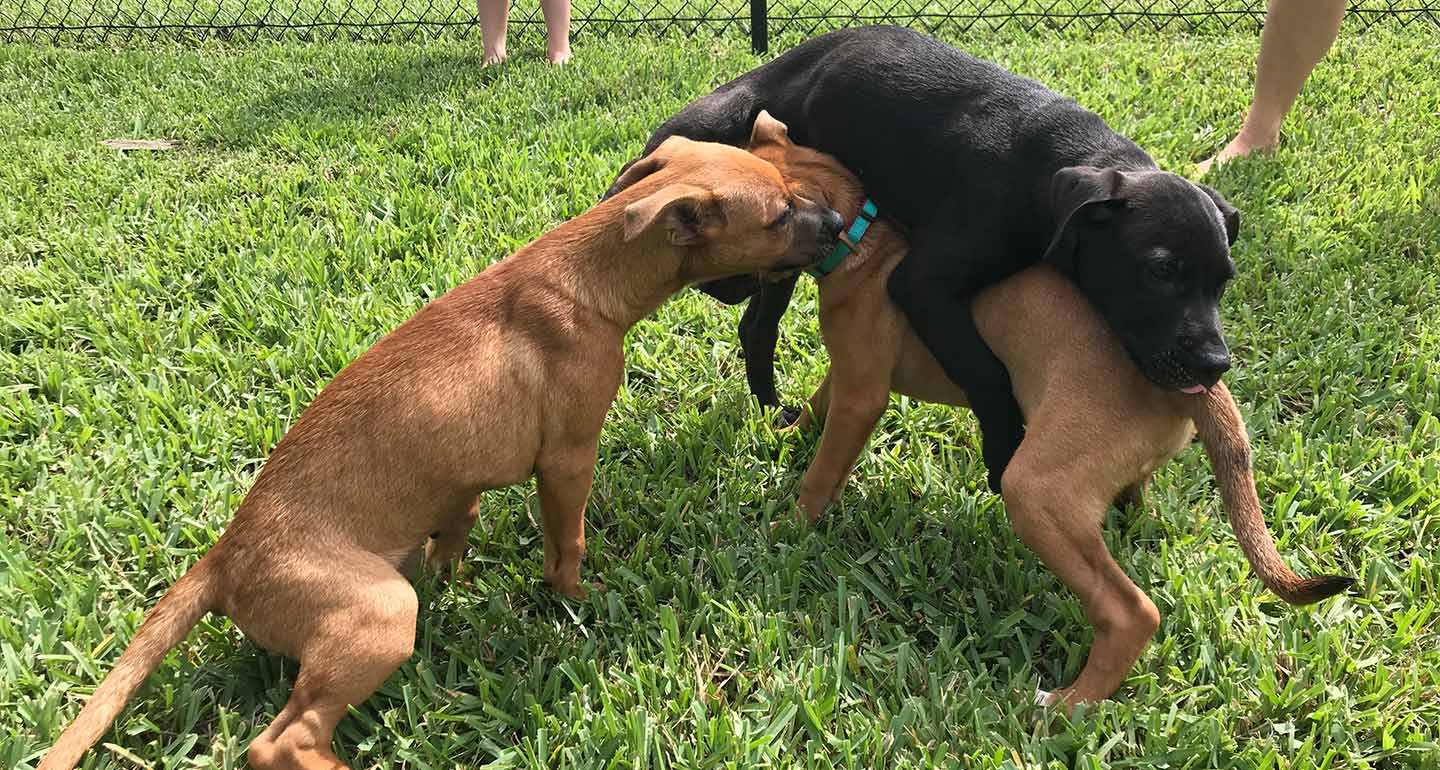
Credit: be.chewy.com
Credit: farmingmybackyard.com
Frequently Asked Questions
Can Brother And Sister Animals Breed?
Yes, brother and sister animals can breed. This is known as inbreeding and can cause genetic issues.
Does Inbreeding Affect Animals?
Yes, inbreeding affects animals negatively. It can lead to genetic disorders, reduced fertility, and weakened immune systems. This results in lower survival rates and poor health.
Can Dogs Breed With Siblings?
Yes, dogs can breed with siblings. However, inbreeding increases the risk of genetic defects and health issues.
Can Animals Interbreed With Each Other?
Most animals cannot interbreed due to genetic differences. Exceptions exist, like mules from horses and donkeys.
Conclusion
Breeding among animal siblings is not ideal due to potential genetic issues. Inbreeding can lead to health problems and weaker offspring. Always consider genetic diversity for stronger, healthier animals. Responsible breeding practices ensure the well-being of future generations. Stay informed to make ethical choices in animal breeding.