
Many animals eat bird eggs, including raccoons, snakes, and crows. These predators often raid nests for a nutritious meal.
Bird eggs are a rich source of nutrients, making them an attractive target for various predators. Raccoons, known for their dexterity, can easily climb trees and raid nests. Snakes, particularly those that are excellent climbers, also pose a significant threat to bird eggs.
Birds of prey like crows and magpies are notorious for their egg-stealing habits. Even small mammals such as squirrels and chipmunks may partake in egg predation. Understanding these threats is crucial for bird conservation efforts, as protecting nests can help maintain healthy bird populations.
Introduction To Nest Predators
Many animals eat bird eggs. These animals are called nest predators. They play a big role in the ecosystem. Some common nest predators are raccoons, snakes, and crows.
Role In Ecosystem
Nest predators help balance nature. They control bird populations. Without them, some birds might overpopulate.
They also spread nutrients. Eating eggs and young birds helps recycle nutrients in nature. This keeps the environment healthy.
Impact On Bird Populations
Nest predators can greatly affect bird numbers. Some birds have fewer babies because of them.
Here are some common nest predators and their impact:
| Predator | Impact |
|---|---|
| Raccoons | Eat many bird eggs at night |
| Snakes | Climb trees to reach nests |
| Crows | Steal eggs during the day |
Some birds build nests in tricky places. They do this to avoid predators. Others lay more eggs to increase chances of survival.

Credit: www.discoverwildlife.com
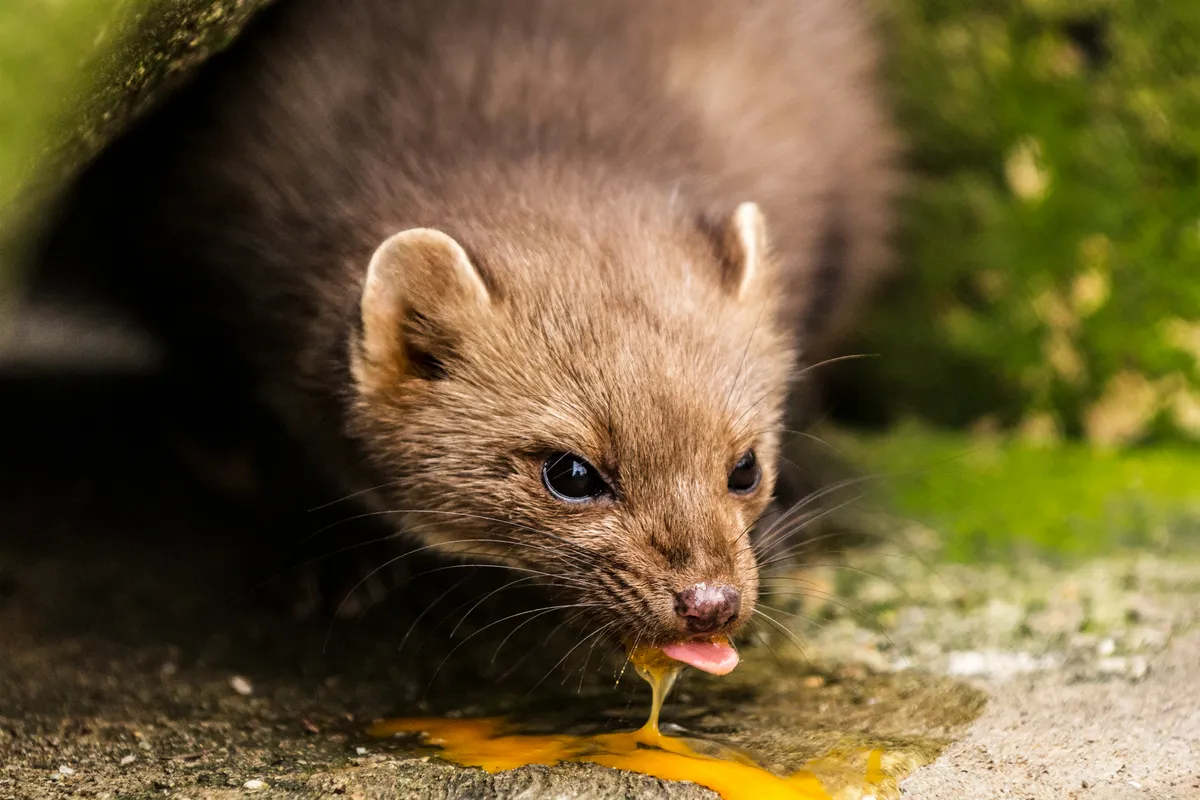
Mammals That Eat Bird Eggs
Bird eggs are a nutritious treat for many animals. Some mammals have developed a taste for them. These mammals often raid nests for this tasty snack. Here are three common mammals that eat bird eggs.
Raccoons
Raccoons are known for their cleverness and adaptability. They use their paws to open bird nests and steal eggs. These nocturnal mammals have a keen sense of smell. They can find nests even in hidden spots. Raccoons are a common threat to birds nesting near human habitats.
Squirrels
Squirrels are not just seed eaters. These agile climbers often raid bird nests. They are quick and can easily steal eggs from high places. Squirrels usually eat the eggs right away. They can be a major problem for birds nesting in trees.
Foxes
Foxes are cunning hunters. They often search for bird nests on the ground. Foxes have a keen sense of smell and sharp teeth. They can easily break through eggshells. Ground-nesting birds are especially at risk from foxes.
Note: While these mammals pose a threat to bird eggs, they are also part of the natural ecosystem. Understanding their behavior helps in bird conservation efforts.
Birds As Egg Predators
Many birds eat eggs. They search nests for food. Some birds are skilled predators. They can crack open eggs easily. Let’s explore which birds eat eggs.
Crows And Ravens
Crows and ravens are very smart. They often raid nests. They use their beaks to crack eggs. These birds are common in cities. They eat many things, including bird eggs.
Gulls
Gulls are also egg predators. They live near water. They often steal eggs from other birds. Gulls are aggressive. They can eat many eggs in one day.
Hawks
Hawks are powerful hunters. They prefer meat but will eat eggs. They often find nests in trees. Using their strong beaks, they break the eggs open. Hawks are less common in cities but are found in rural areas.
Credit: www.discoverwildlife.com
Reptiles Hunting For Eggs
Reptiles are among the top predators of bird eggs. Their stealth, agility, and keen senses make them effective hunters. Let’s delve into some of the most common reptiles that hunt for bird eggs.
Snakes
Snakes are silent, efficient predators. Many species, including rat snakes and king snakes, actively seek out bird nests. Their slender bodies allow them to climb trees and slither into nests easily.
Once they locate a nest, they use their strong sense of smell to find the eggs. They can swallow the eggs whole, thanks to their flexible jaws. Some species even have specialized teeth to crack the eggshells.
- Rat Snakes: Excellent climbers, often found in bird nests.
- King Snakes: Known for eating eggs and even other snakes.
- Garter Snakes: Opportunistic feeders, they eat eggs when available.
Monitor Lizards
Monitor Lizards are large, powerful reptiles. They are known for their voracious appetites and can consume a variety of prey, including bird eggs. Species like the Komodo dragon and the Nile monitor are particularly notorious.
These lizards use their sharp claws and strong jaws to break open nests and access the eggs. They are also skilled climbers, which helps them reach nests located in trees or high places.
| Species | Characteristics |
|---|---|
| Komodo Dragon | Largest monitor lizard, strong predator. |
| Nile Monitor | Adept climber, often raids nests for eggs. |
| Savannah Monitor | Common in African savannahs, hunts for eggs. |
Monitor lizards are relentless in their search for food. They can travel long distances and use their keen senses to locate nests.
Insects And Invertebrates
Bird eggs face many threats in the wild. Among them, insects and invertebrates are surprising predators. These tiny creatures can cause significant damage to bird nests. This section explores how ants and beetles target bird eggs.
Ants
Ants are small but powerful predators. They often raid bird nests for eggs. Different ant species have various methods for attacking eggs. Some ants bite through the eggshell. Others inject toxins to kill the embryo inside.
Here’s a quick overview of how ants attack bird eggs:
- Biting and chewing the eggshell
- Injecting toxins
- Carrying pieces back to their colony
Ants can be relentless. They often work in large groups, overwhelming the nest quickly.
Beetles
Beetles are another significant threat to bird eggs. Some beetle species are specialized egg predators. They use their strong mandibles to break the eggshell.
Here are common beetle species that eat bird eggs:
| Beetle Species | Method of Attack |
|---|---|
| Carabid Beetles | Chew through eggshells |
| Darkling Beetles | Feed on egg contents |
| Clown Beetles | Use mandibles to break shells |
Beetles are sneaky. They often attack at night, avoiding detection by parent birds.
Human Impact On Nest Predation
Human activities have a huge effect on bird nests. This impact often leads to more bird eggs being eaten. Two major factors are habitat destruction and domestic pets.
Habitat Destruction
Habitat destruction is a serious problem for birds. When we cut down trees, birds lose their homes. Without safe places, birds lay eggs in risky spots. Predators can easily find and eat these eggs.
Construction also harms bird habitats. New roads and buildings replace trees and bushes. Birds have fewer places to nest. This increases the chances of nest predation.
Domestic Pets
Domestic pets like cats and dogs are a threat to bird nests. Cats are natural hunters. They climb trees and hunt bird eggs. Dogs can also disturb nests by digging and barking.
Pet owners often let their pets roam freely. This increases the risk to bird nests. Keeping pets indoors or on a leash can help protect bird eggs.
Birds’ Defense Mechanisms
Birds have many ways to protect their eggs from predators. These defense mechanisms are vital for their survival. Let’s explore some of these strategies.
Camouflage
Birds use camouflage to hide their nests. They often build nests in places that blend with the environment. This makes it hard for predators to find their eggs.
Some birds also lay eggs that match the nest’s surroundings. This further enhances their camouflaging effect. Predators find it difficult to spot these well-hidden eggs.
Aggressive Behavior
Many birds display aggressive behavior to protect their eggs. They will attack predators that come near their nests. This aggressive behavior can scare predators away.
Birds like mockingbirds and swans are known for their fierce defense. They will peck, dive, and chase to protect their eggs. This aggression can be very effective in keeping predators at bay.

Credit: en.wikipedia.org
Conservation Efforts
Conservation efforts are crucial to protect bird eggs from predators. Various strategies help safeguard these fragile treasures. This section explores key methods like protected areas and predator control programs.
Protected Areas
Protected areas offer a safe haven for birds to nest. These regions limit human access and reduce disturbances. They provide ideal conditions for birds to lay eggs.
Protected areas often include:
- National parks
- Wildlife reserves
- Bird sanctuaries
These zones have strict regulations. People can’t interfere with the natural habitat. This protection helps bird populations thrive.
Predator Control Programs
Predator control programs manage animals that eat bird eggs. These programs use different techniques to keep predators away from nests.
Common methods include:
- Fencing to block predators
- Trapping and relocating predators
- Using scare devices to deter predators
These programs aim to balance the ecosystem. They help ensure that bird eggs have a higher chance of survival.
Frequently Asked Questions
What Animal Will Eat Bird Eggs?
Many animals eat bird eggs. Common predators include raccoons, snakes, squirrels, crows, and foxes. They search nests for eggs.
Do Squirrels Eat Bird Eggs?
Yes, squirrels do eat bird eggs. They are opportunistic feeders and will raid bird nests when food is scarce.
What Wild Animals Eat Eggs?
Foxes, raccoons, skunks, snakes, and birds like crows and hawks eat eggs. These predators search for nests in the wild.
What Ate My Bird Eggs?
Predators like snakes, raccoons, squirrels, or crows often eat bird eggs. Ensure your nest is in a safe location.
Conclusion
Many animals, including snakes, raccoons, and squirrels, find bird eggs to be a nutritious meal. Understanding these predators helps protect bird populations. By safeguarding nests and habitats, we can support bird conservation efforts. Stay informed and take action to create a safer environment for our feathered friends.