

Mourning Doves are not considered highly intelligent birds. Their cognitive abilities are relatively basic.
Mourning Doves, known for their gentle cooing, are common in many areas. These birds are often seen in backyards and urban environments, coexisting with humans. Despite their prevalence, they do not exhibit high levels of intelligence compared to other bird species.
Their behavior is largely instinct-driven, focusing on feeding, mating, and nesting. They have a simple diet, mainly consisting of seeds, and are known for their distinctive, mournful call. Understanding their basic nature helps in appreciating their role in the ecosystem. They contribute to seed dispersal and provide a serene presence in various habitats.
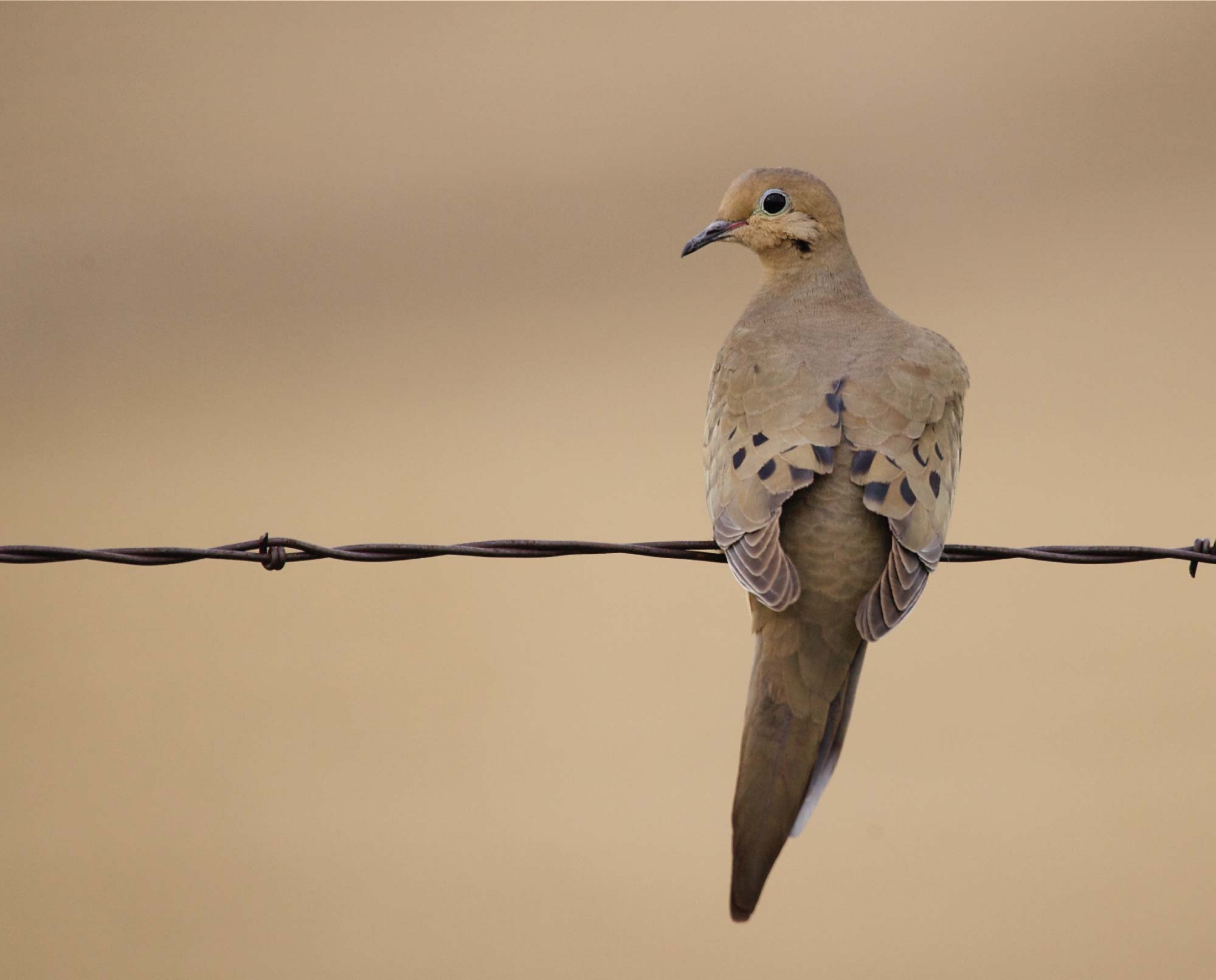
Credit: projectupland.com
Mourning Doves In Nature
Mourning doves are gentle, graceful birds found in many parts of the world. They are known for their mournful cooing sound. These birds play a significant role in nature’s ecosystem.
Habitat And Distribution
Mourning doves thrive in open and semi-open habitats. They are commonly seen in fields, prairies, and suburban areas. These birds are adaptable and can live in various environments. They are found across North America, from Canada to Mexico. Mourning doves migrate to warmer regions during winter. They prefer areas with a good supply of seeds and water.
Physical Characteristics
Mourning doves have slender bodies and long tails. Their plumage is soft gray-brown, with black spots on the wings. They have a small head and a pointed beak. Their eyes are dark and surrounded by a light blue ring. Mourning doves are about 12 inches long and weigh around 4-6 ounces. They have a unique whistle sound when they take flight.
| Characteristic | Description |
|---|---|
| Body Length | 12 inches |
| Weight | 4-6 ounces |
| Plumage | Gray-brown with black spots |
| Eyes | Dark with light blue ring |

Credit: pwconserve.wordpress.com
Cognitive Abilities
Mourning doves are more than just beautiful birds. They possess fascinating cognitive abilities. These abilities help them survive and thrive in their natural habitats.
Problem-solving Skills
Mourning doves show remarkable problem-solving skills. They can quickly figure out how to access food and water. For example, they learn to peck at seeds scattered on the ground. They also adapt to new environments with ease. This adaptability demonstrates their intelligence.
In a controlled study, mourning doves solved simple puzzles for food rewards. They pushed levers and pulled strings to get their treat. This shows they can understand cause and effect relationships.
Memory And Learning
Memory and learning are crucial for mourning doves. They remember where they find food and water sources. This helps them return to the same spots daily. Their memory aids in migration. They recall routes and resting places during long journeys.
Mourning doves also learn from experience. Young doves observe and mimic adult behaviors. This learning process ensures survival skills are passed down. Their ability to learn and remember demonstrates their cognitive strengths.
Overall, mourning doves are smart birds. Their cognitive abilities aid in their survival and adaptation.
Communication Methods
Mourning doves have various communication methods. They use both sounds and body movements. These methods help them interact with each other effectively.
Vocalizations
Mourning doves are known for their soft, mournful cooing sounds. These vocalizations are essential for their communication. They use different calls for various purposes.
- Cooing: Used for attracting mates and marking territory.
- Alarm Calls: Warn others of potential danger.
- Nesting Calls: Communicate between parents and chicks.
Each sound serves a specific purpose. Their cooing can be heard from a distance. It’s a key part of their social behavior.
Body Language
Mourning doves also use body language to communicate. Their movements and postures convey different messages.
- Tail Flicking: Indicates alertness or agitation.
- Wing Fluttering: Can be a sign of courtship or excitement.
- Head Bobbing: Shows aggression or territorial defense.
By observing these behaviors, you can understand their feelings. Their body language is as important as their vocalizations. Together, these methods create a complex communication system.
Social Behaviors
Mourning doves are fascinating birds with unique social behaviors. Their interactions reveal much about their intelligence. From their mating rituals to their parenting techniques, these birds show a high level of social sophistication.
Mating Rituals
Mourning doves perform elaborate mating rituals to attract partners. The male dove pursues the female with a series of coos and displays. He flaps his wings in a graceful manner, showcasing his strength and agility. The female responds by selecting a mate based on these displays.
Once paired, the doves engage in a bonding process. They preen each other and share food. This strengthens their partnership, ensuring a strong bond for raising offspring. Such behaviors indicate a high level of social intelligence.
Parenting Techniques
Mourning doves exhibit remarkable parenting techniques. Both parents share the responsibility of incubating eggs and feeding chicks. They take turns sitting on the nest to keep the eggs warm.
Once the chicks hatch, the parents produce a special milk called “pigeon milk”. This nutrient-rich food ensures the chicks grow strong and healthy. The doves continue to feed and protect their young until they are ready to leave the nest.
Their coordinated efforts and dedication to parenting highlight their smart and social nature.
Navigation Skills
Mourning doves possess impressive navigation skills. These skills help them travel long distances. They can find their way back home with ease.
Migratory Patterns
Mourning doves are migratory birds. They travel south during the winter. They return north in the spring. Their migratory patterns are consistent each year.
Many doves travel as far as Central America. This journey is thousands of miles long. They fly in flocks to stay safe. Below is a table showing their migratory route:
| Season | Region |
|---|---|
| Winter | Central America |
| Spring | North America |
Use Of Landmarks
Mourning doves use landmarks to navigate. They remember mountains, rivers, and forests. This helps them find familiar routes.
They also use the sun and stars. These natural guides assist in their long journeys. Below is a list of landmarks they use:
- Mountains
- Rivers
- Forests
- Sun
- Stars
Their ability to remember landmarks shows their intelligence. Mourning doves are smart birds with amazing navigation skills.
Adaptability In Urban Environments
Mourning doves show incredible adaptability in urban environments. These birds have adjusted their behaviors to thrive in cities. Let’s explore their feeding habits and nest-building skills.
Feeding Habits
Mourning doves have flexible feeding habits in urban areas. They eat a variety of foods available in cities. Their diet includes seeds, grains, and even bread crumbs.
They find food in parks, gardens, and backyards. Mourning doves often feed on the ground, picking up seeds from the soil. They also visit bird feeders set up by humans.
Sometimes, they consume insects and snails, helping control pests. Their varied diet shows their ability to adapt to urban life.
Nest Building
Mourning doves are skilled at nest building in urban settings. They choose a variety of locations for their nests. These include trees, shrubs, and even building ledges.
The nests are simple, made from twigs and grass. They construct their nests quickly, often in just a few days. Mourning doves may use the same nest for multiple broods.
They also adapt to human-made structures. They build nests on balconies, gutters, and window sills. Their nesting habits show their resilience and flexibility.
Interaction With Other Species
Mourning doves show their intelligence through their interactions with other species. Understanding their behavior helps us see how smart they are.
Predator Awareness
Mourning doves are aware of their predators. They often spot danger quickly. Their main predators include:
- Hawks
- Cats
- Snakes
Doves use specific behaviors to avoid predators. They might fly away swiftly or stay very still. Their keen senses help them survive in the wild.
Coexistence With Humans
Mourning doves often live near humans. They adapt well to urban areas. Many people enjoy their soft cooing sounds. Doves can find food and water in backyards and parks. Their presence is usually welcomed by bird lovers.
Here are some ways mourning doves coexist with humans:
- Nesting on buildings and structures
- Feeding from bird feeders
- Using birdbaths for water
Doves show they can adapt to human environments. This trait shows their intelligence and ability to thrive.
Research And Studies
Understanding the intelligence of mourning doves requires examining scientific research and studies. Researchers have conducted various experiments and observations to uncover the cognitive abilities of these birds.
Experimental Findings
Scientists have performed numerous experiments to test mourning doves’ intelligence. One study involved memory tests where doves had to remember the locations of food. The results showed that mourning doves have a good memory for locating food sources.
Another experiment tested problem-solving abilities. Doves were given puzzles to access food. The doves demonstrated cleverness by solving these puzzles quickly. This indicates a high level of cognitive skill.
In a different study, doves were trained to differentiate between shapes and colors. They succeeded, proving their ability to learn and recognize patterns.
Observational Insights
Observations in the wild also offer insights into mourning doves’ intelligence. Bird watchers have noted doves’ social behaviors and communication skills. Doves use a variety of coos and calls to communicate with each other.
Researchers observed mourning doves building nests with precision. They choose safe locations and gather suitable materials. This shows planning and decision-making abilities.
Field studies noted mourning doves adapting to urban environments. They learn to avoid dangers and find new food sources. This adaptability highlights their problem-solving skills.
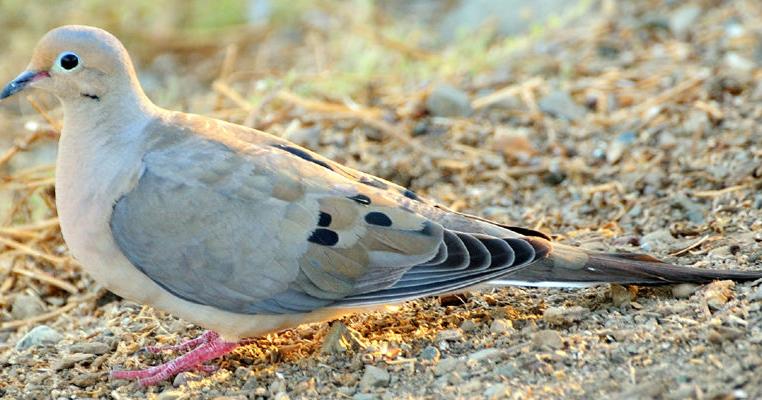
Credit: www.dailyitem.com
Frequently Asked Questions
Are Mourning Doves Friendly To Humans?
Yes, Mourning Doves are generally friendly to humans. They can become accustomed to human presence and may even eat from feeders.
Do Doves Get Attached To Humans?
Yes, doves can get attached to humans. They form strong bonds, especially when treated gently and with care.
Can Mourning Doves Recognize Faces?
Mourning Doves cannot recognize human faces. They rely more on other senses for survival and interactions.
What Does It Mean When A Mourning Dove Visits You?
A mourning dove visit symbolizes peace, hope, and renewal. It may also signify a message from a loved one.
Conclusion
Mourning doves display remarkable intelligence through their behavior and adaptability. Their problem-solving skills and social interactions highlight their cognitive abilities. Observing these birds can provide valuable insights into avian intelligence. Next time you see a mourning dove, appreciate its intelligence and fascinating behaviors.
These birds are more than just a common sight.