

Certain birds, like hawks, eagles, and owls, often prey on smaller birds. These predatory behaviors ensure their survival in the wild.
Birds of prey, also known as raptors, are skilled hunters. Hawks, eagles, and owls are the most well-known examples. They possess sharp talons and beaks designed for catching and eating other birds. These birds use their keen eyesight to spot prey from great distances.
Once they identify a target, they swoop down with remarkable speed and precision. Their diet includes a variety of smaller birds, which provides essential nutrients. This natural predation helps control bird populations and maintains ecological balance. Understanding these behaviors offers insight into the complex dynamics of avian life.

Credit: en.wikipedia.org
Introduction To Avian Predators
Birds are fascinating creatures with diverse diets. Some birds eat other birds. These birds are called avian predators. They play a unique role in nature. This section explores their nature and role in ecosystems.
Nature Of Predatory Birds
Predatory birds have special traits. They have sharp beaks and strong talons. These features help them catch and eat other birds.
Many predatory birds are larger in size. This helps them overpower their prey. They also have keen eyesight. This allows them to spot prey from far away.
Role In Ecosystems
Predatory birds are important in ecosystems. They help control the population of other birds. This keeps the balance in nature.
These birds also help remove weak and sick birds. This ensures the health of bird populations.
Here is a table showing some predatory birds and their prey:
| Predatory Bird | Common Prey |
|---|---|
| Hawk | Small birds, rodents |
| Eagle | Waterfowl, small mammals |
| Owl | Songbirds, small mammals |
| Falcon | Small birds, insects |
Understanding these birds helps us appreciate their role. They are vital to a balanced ecosystem.
Birds Of Prey Overview
Birds of prey, known as raptors, are strong hunters. They use keen vision and sharp talons to catch other birds. These birds are vital in maintaining the ecosystem’s balance.
Characteristics Of Raptors
Raptors have several unique traits. Their sharp talons help them catch and hold prey. They also have curved beaks for tearing flesh. Their eyesight is incredibly sharp. They can spot prey from great distances.
Raptors are also very fast. They can dive at high speeds. This allows them to surprise their prey. Their wings are strong and powerful. This helps them soar high and stay in the air for long periods.
| Characteristic | Description |
|---|---|
| Sharp Talons | Used to catch and hold prey |
| Curved Beaks | Used for tearing flesh |
| Keen Eyesight | Can spot prey from afar |
Hawks And Their Hunting Techniques
Hawks are skilled predators with unique hunting techniques. They are known for their sharp vision and powerful talons. These birds of prey often hunt other birds. Their methods are precise and effective, making them top hunters in the bird world.
Types Of Hawks
There are many types of hawks. Each type has its own hunting style. Here are some common types of hawks:
- Red-tailed Hawk: Known for its distinctive red tail and sharp eyesight.
- Cooper’s Hawk: Fast and agile, often hunts in wooded areas.
- Sparrowhawk: Smaller in size, but very quick and stealthy.
- Goshawk: Large and powerful, excels at hunting larger birds.
Preferred Prey
Hawks prefer certain types of prey. Their diet often includes smaller birds. Here is a list of their preferred prey:
- Sparrows: Easy to catch and abundant in number.
- Starlings: Often found in large flocks, making them easy targets.
- Pigeons: Bigger and slower, providing more food per catch.
- Finches: Small and quick, but a favored meal.
Hawks use their sharp talons to catch and kill their prey. Their keen eyesight helps them spot prey from great distances. They often swoop down swiftly to surprise their targets.
Hawks are incredible hunters. Their techniques are a marvel of nature. Understanding their hunting methods helps us appreciate these powerful birds.
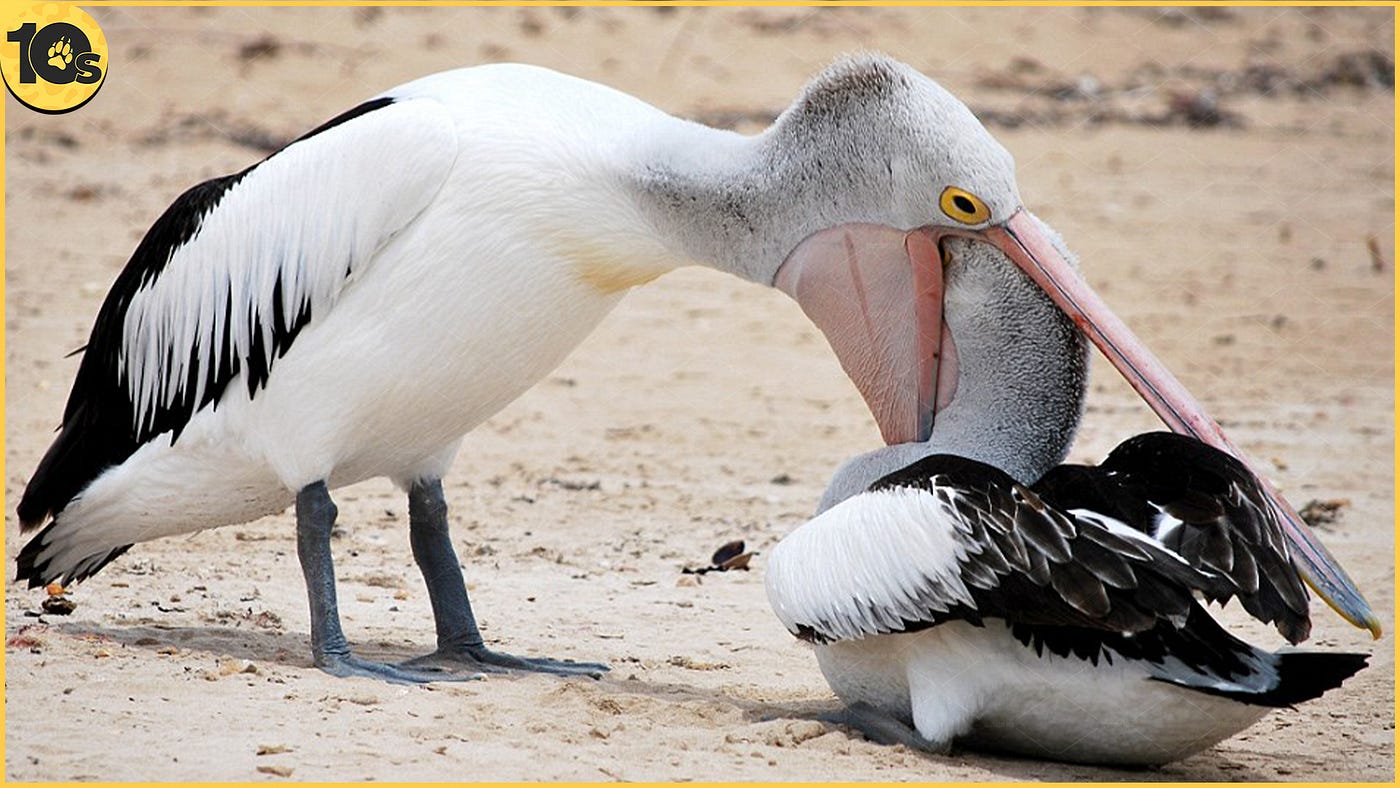
Credit: medium.com
Eagles: The Apex Predators
Eagles are known for their powerful build and sharp vision. They dominate the skies as apex predators. Their diet often includes smaller birds. This makes them fascinating to study.
Species Of Eagles
There are various species of eagles, each with unique traits. Here are some notable ones:
- Bald Eagle: Found in North America. It has a white head and tail.
- Golden Eagle: Known for its golden-brown feathers. It lives in the Northern Hemisphere.
- Harpy Eagle: One of the largest eagles. It resides in Central and South America.
- Steller’s Sea Eagle: Native to coastal regions of Asia. It is very powerful.
Hunting Strategies
Eagles employ various hunting strategies to catch their prey. Their techniques are refined and effective.
- Soaring and Scanning: Eagles soar high to scan the ground below. Their sharp vision helps them spot prey from afar.
- Surprise Attacks: They dive swiftly to surprise their prey. This reduces the chances of escape.
- Ambush: Some eagles hide and wait for prey. They strike when the prey is close enough.
- Stealing Food: Occasionally, eagles steal food from other birds. This is known as kleptoparasitism.
These strategies show the eagles’ adaptability and intelligence. They truly are the apex predators of the avian world.
Falcons And Speed
Falcons are known for their incredible speed and hunting prowess. They are apex predators, often targeting other birds. These birds of prey use their agility and speed to outmaneuver their prey in mid-air. Their swift and precise attacks make them formidable hunters in the avian world.
Falcon Species
There are many species of falcons around the globe. Some of the most well-known species include the Peregrine Falcon, the Gyrfalcon, and the Merlin.
- Peregrine Falcon: Known as the fastest bird, reaching speeds of 240 mph.
- Gyrfalcon: The largest falcon species, thriving in Arctic regions.
- Merlin: A small but fierce hunter, often seen in open fields.
Feeding Habits
Falcons primarily hunt other birds. They use their speed to catch prey mid-flight. Their diet includes pigeons, doves, and songbirds. Falcons dive from great heights to surprise their prey.
| Falcon Species | Common Prey | Hunting Technique |
|---|---|---|
| Peregrine Falcon | Pigeons, Doves | High-speed dive |
| Gyrfalcon | Waterfowl, Ptarmigan | Direct chase |
| Merlin | Small songbirds | Short pursuit |
Falcons have keen eyesight to spot prey from great distances. They use their sharp talons to catch and kill their prey. The speed and agility of falcons make them exceptional hunters.
Owls: Nocturnal Hunters
Owls are fascinating nocturnal hunters. These majestic birds have keen senses. They can hunt even in the darkest nights. Owls often prey on smaller birds. Their stealth and agility make them effective predators.
Types Of Owls
There are many types of owls. Each has unique hunting skills. Here are some common types:
- Barn Owls: Known for their heart-shaped faces.
- Great Horned Owls: They have tufts of feathers resembling horns.
- Screech Owls: Small but fierce hunters.
- Snowy Owls: Adapted to cold climates.
Night Hunting
Owls hunt primarily at night. Their large eyes help them see in low light. They have excellent hearing, too. This helps them locate prey even in complete darkness.
Owls use silent flight to catch their prey. Their feathers are specially designed to reduce noise. This allows them to swoop down on unsuspecting birds.
| Owl Type | Hunting Adaptations |
|---|---|
| Barn Owl | Silent flight, excellent hearing |
| Great Horned Owl | Strong talons, powerful beak |
| Screech Owl | Camouflage, agility |
| Snowy Owl | Thick feathers, sharp eyesight |
Owls are masters of the night. Their hunting skills are unmatched. Understanding these birds helps us appreciate their role in nature.
Crows And Ravens: Opportunistic Feeders
Crows and ravens are known as opportunistic feeders. They eat a variety of food items, including other birds. These intelligent birds can adapt to different environments and food sources.
Behavioral Traits
Crows and ravens display unique behavioral traits that make them successful predators.
- Intelligence: They use tools and problem-solving skills.
- Social Structure: They often hunt in groups.
- Communication: They use a variety of calls to coordinate their actions.
Their intelligence allows them to find and capture prey efficiently. They often work together to scare other birds away from food sources. This behavior is seen in both urban and rural settings.
Dietary Patterns
The dietary patterns of crows and ravens are diverse. They eat a wide range of foods, including other birds.
Here is a table showing their diet:
| Food Type | Examples |
|---|---|
| Birds | Eggs, chicks, small birds |
| Insects | Beetles, worms, spiders |
| Plants | Fruits, seeds, nuts |
| Human Food | Scraps, garbage |
Crows and ravens often raid nests to eat eggs and chicks. They take advantage of their strong beaks to break open eggs. They also hunt small birds, especially those that are weak or injured.
These birds are not picky eaters. Their diet includes insects, plants, and even human food. This adaptability makes them one of the most successful bird species.
Impact On Bird Populations
The predation of birds by other birds can significantly impact bird populations. This phenomenon plays a crucial role in maintaining ecological balance. Let’s explore how predation affects bird populations and the conservation concerns it raises.
Predation Effects
Predatory birds, such as hawks and owls, often hunt smaller birds. This predation helps control the population of the smaller bird species. It ensures that resources like food and nesting sites do not become too scarce.
Predation can also influence the behavior and evolution of prey birds. Birds may develop better camouflage, faster flight, or more cautious behaviors to avoid predators. These changes can lead to a healthier and more resilient bird population.
| Predatory Birds | Prey Birds |
|---|---|
| Hawks | Sparrows, pigeons |
| Owls | Robins, thrushes |
| Falcons | Starlings, doves |
Conservation Concerns
While predation is natural, human activities can disrupt this balance. Deforestation, pollution, and urbanization can reduce the habitats of both predators and prey. This disruption can lead to declines in bird populations.
Some predatory birds are also endangered. Protecting these birds is essential for maintaining ecological balance. Conservation efforts focus on preserving habitats and reducing human impact. This ensures that predatory birds can thrive and continue their role in the ecosystem.
- Habitat Preservation: Protecting forests, wetlands, and other natural habitats.
- Pollution Control: Reducing pollutants that harm birds and their prey.
- Urban Planning: Designing cities to minimize habitat destruction.
By understanding and addressing these concerns, we can help maintain healthy bird populations. This balance is crucial for a thriving ecosystem.
Coexistence And Balance
Birds live in a world of coexistence and balance. Some birds hunt others for food. This predator-prey relationship is vital for nature. It keeps the ecosystem in check. Understanding this helps us appreciate the complex world of birds.
Predator-prey Relationships
Birds like hawks and eagles are top predators. They hunt smaller birds. This is a natural part of life. Owls also hunt birds, especially at night. Some birds eat eggs or chicks. These predators play a key role in the food chain.
| Predator Bird | Prey Bird |
|---|---|
| Hawk | Sparrow |
| Eagle | Pigeon |
| Owl | Small Songbird |
Natural Equilibrium
Natural equilibrium means balance in nature. Predators help control prey populations. This prevents overpopulation and resource depletion. Each bird has a role in maintaining this balance. Without predators, some bird species might overpopulate.
- Predators control prey numbers.
- Prey species adapt and evolve.
- Balance ensures healthy ecosystems.
This balance benefits all living things. It ensures that resources are shared. It keeps the environment healthy for all species. Understanding these relationships helps us protect wildlife and their habitats.

Credit: birdseedandbinoculars.com
Frequently Asked Questions
Do Blue Jays Eat Other Birds?
Yes, blue jays do eat other birds. They may prey on eggs, nestlings, and occasionally adult birds.
What Birds Prey On Baby Birds?
Hawks, crows, jays, and owls often prey on baby birds. Other predators include magpies, gulls, and some larger songbirds.
What Is Killing Birds In My Yard?
Birds in your yard may be dying due to toxic plants, pesticides, window collisions, predators, or diseases. Ensure clean feeders, remove hazards, and use bird-friendly gardening practices to protect them.
What Is The Term For Birds That Eat Other Birds?
Birds that eat other birds are called avivores. They include species like hawks, eagles, and owls. Avivores are predators.
Conclusion
Understanding which birds eat other birds helps us appreciate nature’s complexity. Predatory birds play a vital role. They maintain ecological balance by controlling prey populations. Observing these behaviors offers insights into survival strategies. Next time you see a hawk or eagle, remember their crucial role in the food chain.
Enjoy birdwatching with newfound knowledge!