Do Pelicans Have Teeth?: Unveiling the Surprising Truth

Pelicans do not have teeth. They use their long beaks and throat pouches to catch and consume fish.

Pelicans are fascinating birds known for their large beaks and distinctive throat pouches. These birds belong to the family Pelecanidae and are found in many parts of the world. Pelicans are primarily fish-eaters, using their beaks to scoop up fish.

They lack teeth but have sharp edges on their beaks to grasp slippery prey. Their throat pouches can hold large amounts of water and fish, making them efficient hunters. Pelicans often work in groups to herd fish into shallow waters, where they can easily scoop them up. Their unique hunting technique and social behavior make them intriguing subjects for bird enthusiasts and nature lovers.

Do Pelicans Have Teeth?: Unveiling the Surprising Truth

Credit: www.facebook.com

Pelicans And Their Unique Anatomy

Pelicans are fascinating birds with unique anatomical features. Their large beaks and throat pouches make them stand out. Many people wonder if pelicans have teeth. Let’s explore their anatomy to find out.

Beak Structure

Pelicans have long, flat beaks. Their beaks can measure up to 18 inches. The lower part of the beak has a large pouch. This pouch helps them catch and hold fish. The beak is strong but lightweight. It is made of keratin, the same material as human nails.

Feeding Mechanisms

Pelicans use their beaks and pouches to catch fish. They scoop up water and fish together. Then, they drain the water out, keeping the fish inside. Pelicans do not have teeth. Instead, they have tooth-like serrations. These serrations help grip slippery fish.

Pelicans often work together to catch fish. They form a line and drive fish into shallow waters. This teamwork makes feeding easier and more efficient.

Feature Description
Beak Length Up to 18 inches
Beak Material Keratin
Teeth No true teeth, but serrations

Understanding Bird Dentition

Many people wonder about the dentition of birds, especially pelicans. Birds have evolved in fascinating ways. Understanding their dentition helps us appreciate these unique creatures. Let’s dive into the topic and unravel the mysteries of bird teeth.

Evolution Of Bird Teeth

Birds evolved from dinosaurs. Ancient birds had teeth. These teeth helped them eat various foods. Over time, birds lost their teeth. They developed beaks instead. This change helped them adapt to different environments.

Here is a comparison of ancient birds and modern birds:

Characteristic Ancient Birds Modern Birds
Teeth Present Absent
Beak Less Developed Highly Developed
Diet Varied Specialized

Modern Birds’ Beaks

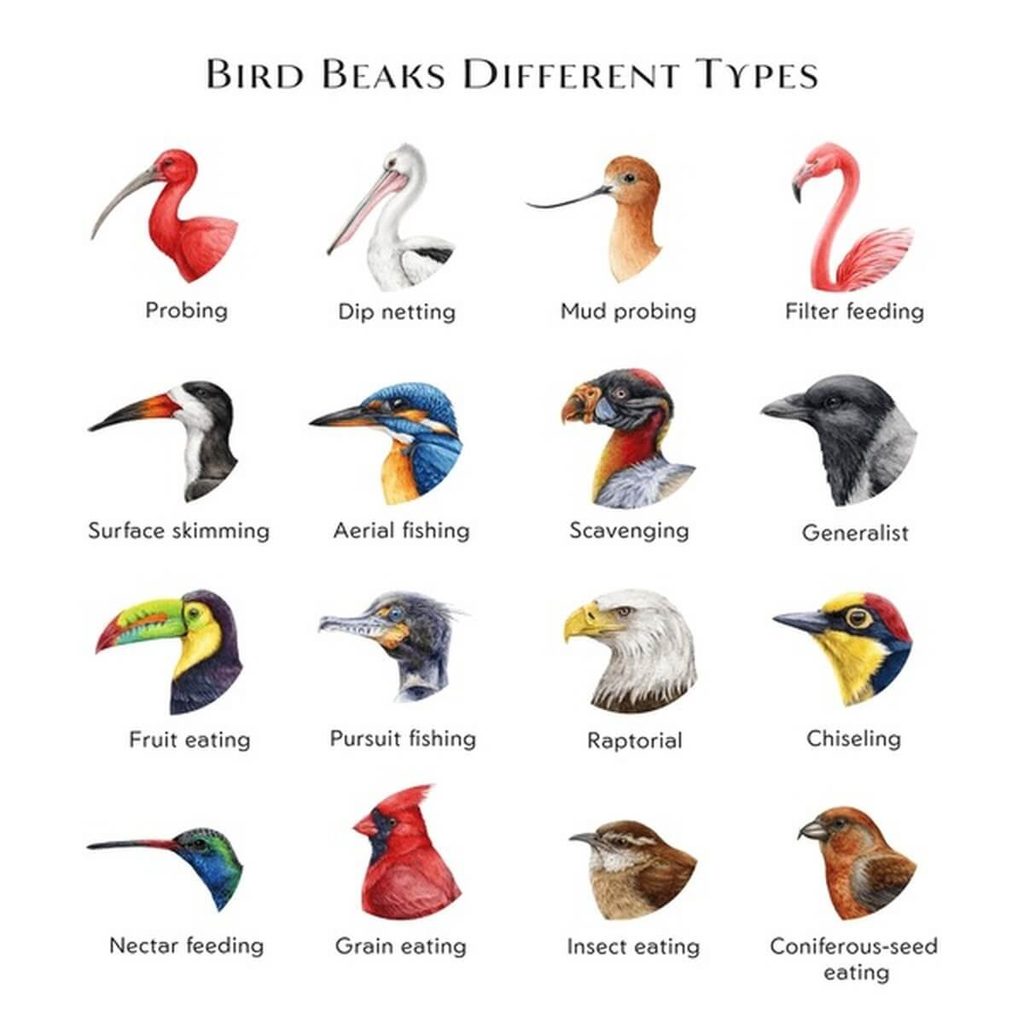
Modern birds, including pelicans, have no teeth. Their beaks are highly specialized. Pelicans have long beaks with a pouch. This helps them catch fish. Other birds have different beak shapes.

Here are some examples:

  • Eagles: Sharp, curved beaks for tearing meat.
  • Woodpeckers: Strong, chisel-like beaks for drilling wood.
  • Hummingbirds: Long, thin beaks for sipping nectar.

Birds’ beaks are adapted to their diets. This makes them efficient hunters or foragers. The absence of teeth does not hinder them. Their beaks serve various purposes. Pelicans and other birds thrive with these adaptations.

Pelican Beak Features

Pelicans are fascinating birds with unique beak structures. Their beaks are essential for their survival. Understanding the features of a pelican’s beak can be interesting.

Tooth-like Projections

Pelicans do not have real teeth. They have tooth-like projections instead. These projections are called “tomia.” Tomia are sharp edges found on the inside of their beak. They help in gripping slippery fish. These projections look like small teeth. They are not actual teeth but serve a similar purpose.

Functionality Of The Beak

The pelican’s beak is a multi-functional tool. It helps in catching and holding fish. The lower part of the beak has a large pouch. This pouch can hold up to three gallons of water. It acts like a net to scoop up fish. The beak also helps in draining the water out, leaving the fish behind.

Here are some key functions of the pelican’s beak:

  • Fishing: Scooping fish from the water.
  • Draining: Removing water while keeping the fish.
  • Cooling: The pouch helps in regulating body temperature.

A pelican’s beak is an amazing adaptation. It ensures they catch enough food to survive. The beak’s design makes pelicans efficient hunters.

Feature Function
Tooth-like Projections (Tomia) Gripping fish
Large Beak Pouch Holding and draining water, catching fish
Do Pelicans Have Teeth?: Unveiling the Surprising Truth

Credit: www.nationalgeographic.com

How Pelicans Catch Their Prey

Pelicans are fascinating birds known for their unique hunting skills. They do not have teeth, yet they are expert fish catchers. Learn how these birds manage to feed themselves so efficiently.

Hunting Techniques

Pelicans use various techniques to catch their prey. They often hunt in groups, driving fish into shallow waters. This makes it easier to scoop them up.

  • Plunge Diving: Pelicans dive from great heights to catch fish.
  • Cooperative Hunting: Groups of pelicans work together to herd fish.
  • Surface Seizing: They skim the water’s surface to grab fish.

Role Of Beak In Feeding

The beak of a pelican is its most important tool for feeding. It is long and has a large pouch. This pouch acts like a net, catching fish and water.

Beak Feature Function
Length Helps reach into the water
Pouch Holds fish and drains water
Hooked Tip Helps grasp slippery fish

After catching fish, pelicans tilt their heads back. This action drains the water and keeps the fish. They then swallow the fish whole.

Pelican Diet And Nutrition

Pelicans are fascinating birds with a unique way of eating. They are known for their large, expandable beaks. This section explores what pelicans eat and how they digest their food.

Common Prey Items

Pelicans primarily feed on fish. Their diet includes:

  • Herring
  • Mullet
  • Anchovies
  • Sardines

Pelicans also eat amphibians, crustaceans, and small birds occasionally. They are opportunistic feeders. They catch what is available in their habitat. Below is a table showing common prey items and their nutritional values:

Prey Item Calories (per 100g) Proteins (g) Fats (g)
Herring 158 18 9
Mullet 117 19 3
Anchovies 210 20 15
Sardines 208 25 11

Digestive Adaptations

Pelicans have unique digestive adaptations. Their expandable beaks allow them to catch and hold a lot of prey. They have a specialized pouch called the gular pouch. It helps them scoop up fish and water. They then drain the water before swallowing the fish.

Pelicans do not have teeth. Instead, they have tooth-like structures called tomia. These structures help grip their slippery prey. Their digestive system breaks down food quickly. This allows them to eat large amounts of fish efficiently.

Pelicans can store fish in their esophagus. This helps them eat more at once. Their strong stomach acids help digest bones and scales. This makes pelicans effective predators in their aquatic habitats.

Do Pelicans Have Teeth?: Unveiling the Surprising Truth

Credit: www.britannica.com

Comparisons With Other Birds

Pelicans are fascinating birds known for their large beaks and big pouches. Many wonder if pelicans have teeth. To understand better, let’s compare pelicans with other birds.

Birds With True Teeth

Most birds do not have true teeth. Instead, they have beaks. Here are some examples:

True teeth are rare in birds. Ancient birds had teeth, but modern birds do not.

Pelicans Vs. Other Waterbirds

Waterbirds are birds that live near water. Let’s compare pelicans with other waterbirds:

Bird Beak Type Teeth
Pelican Large with pouch No
Heron Long and sharp No
Seagull Medium-sized No

Pelicans have unique beaks with large pouches. This is different from other waterbirds. Herons have long, sharp beaks, and seagulls have medium-sized beaks.

Pelicans do not have teeth, but their beaks are special. Their beaks help them catch fish easily. This makes them unique among birds.

Misconceptions About Pelican Teeth

Pelicans are fascinating birds with many unique traits. One common question is: Do pelicans have teeth? This has led to many misconceptions. Let’s explore the myths and facts surrounding pelican teeth.

Myths And Facts

Many people think that pelicans have teeth. This is a common myth. In reality, pelicans do not have teeth. They have a serrated edge on their beak. This helps them grip slippery fish.

Myth Fact
Pelicans have teeth. Pelicans do not have teeth.
Their beak can chew food. Their beak holds food, not chews it.
Teeth help them catch fish. Their beak’s edge helps catch fish.

Scientific Clarifications

Scientists have studied pelicans extensively. They found that the serrated edge of the beak serves a special purpose. It allows the pelican to grasp slippery fish effectively.

Pelicans also have a unique pouch. This pouch can hold multiple fish. It helps them scoop and store fish while hunting. The pouch stretches to fit their catch.

Understanding these features dispels the myth about pelican teeth. Pelicans are well-adapted for their fish diet without needing teeth.

Conservation And Study Of Pelicans

Pelicans are fascinating birds. They have unique features and behaviors. Conservation and study of pelicans help us understand them better. This knowledge aids in protecting these amazing creatures.

Research Efforts

Scientists and researchers focus on studying pelicans. They observe their habitats and behaviors. These studies provide valuable insights. Data from research helps in formulating conservation strategies.

Conservation Status

Pelican populations face various threats. These include habitat loss and pollution. Conservation efforts are crucial for their survival.

Threat Impact
Habitat Loss Destroys nesting and feeding grounds.
Pollution Harms pelicans’ health and food sources.
Climate Change Affects migration patterns and breeding.

Conservationists work to protect pelican habitats. They create safe breeding areas. Laws are enforced to reduce pollution.

  1. Establishing protected areas.
  2. Enforcing anti-pollution laws.
  3. Raising public awareness.

By supporting these efforts, we help ensure pelicans thrive. Everyone can contribute to conservation. Simple actions make a big difference.

Frequently Asked Questions

Does A Pelicans Bite Hurt?

Yes, a pelican’s bite can hurt. Their beaks are strong and can cause bruising or minor cuts.

Do Pelicans Swallow Fish Whole?

Yes, pelicans swallow fish whole. They catch fish with their large bills and gulp them down without chewing.

Why Do Pelicans Have Three Stomachs?

Pelicans have three stomachs to efficiently digest their varied diet. The first stomach stores food, the second grinds it, and the third absorbs nutrients. This unique system helps them maximize nutrient intake from fish and other prey.

What Is A Pelicans Mouth Called?

A pelican’s mouth is called a bill or beak. It has a large pouch used for catching fish.

Conclusion

Pelicans do not have teeth, but they have specialized beaks. These beaks help them catch and hold fish efficiently. Understanding their unique anatomy can enhance our appreciation for these fascinating birds. Always stay curious and keep exploring the wonders of wildlife.

Thank you for reading!

Leave a Comment